


Snow and winter boots: how to choose
A practical guide to choosing snow and winter boots by warmth, sole, shaft and fit, with Soclasica styles for cold, wet days.
At a glance
- Prices today
- $7.99 to $82.99
- Colours
- black, brown, khaki, grey, blue, red, beige, white, coffee, pink, yellow, wine
- Materials
- rubber, wool, lace, denim, suede, leather, cotton, faux fur, knit, fleece
- Finishes
- matte
- Details
- lined, lace-up, waterproof, non-slip, zip, adjustable, slip-on, padded, lightweight
From the product pages of the pieces in stock now. Prices update with stock and are shown in your currency.
Shop snow and winter boots
All Shoes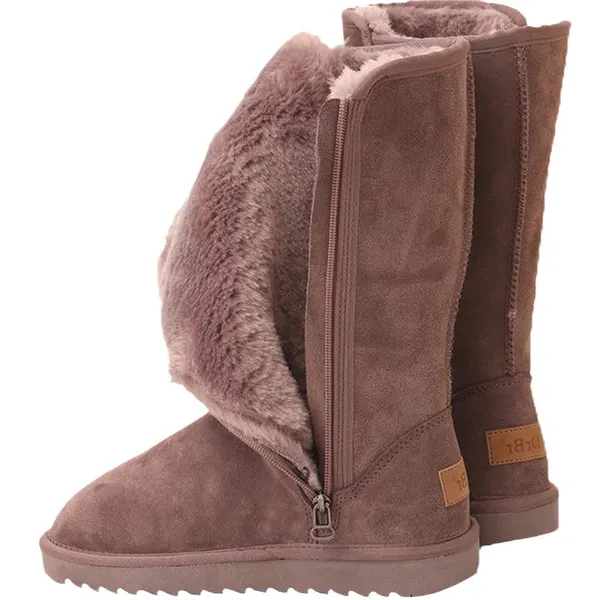
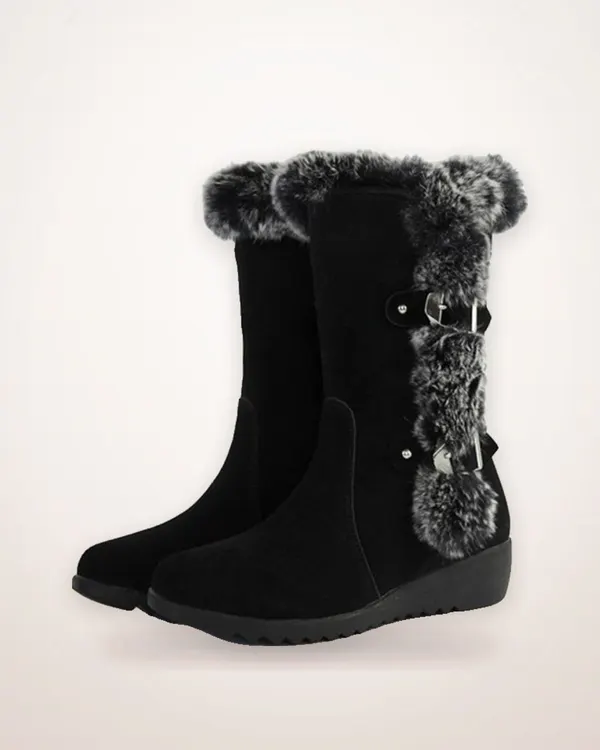
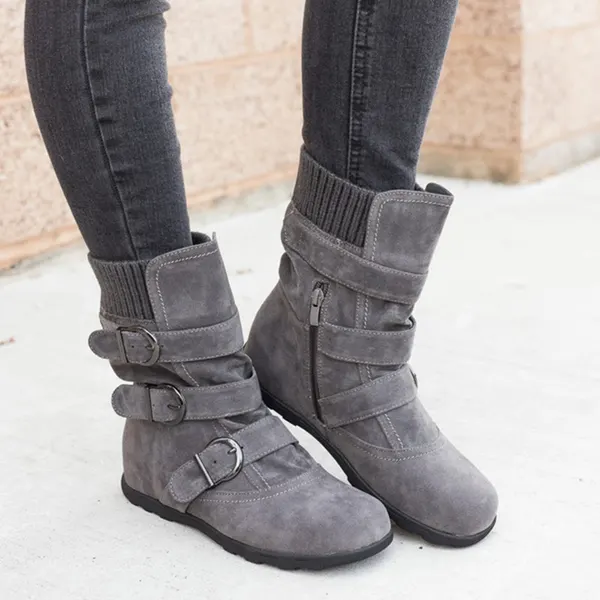
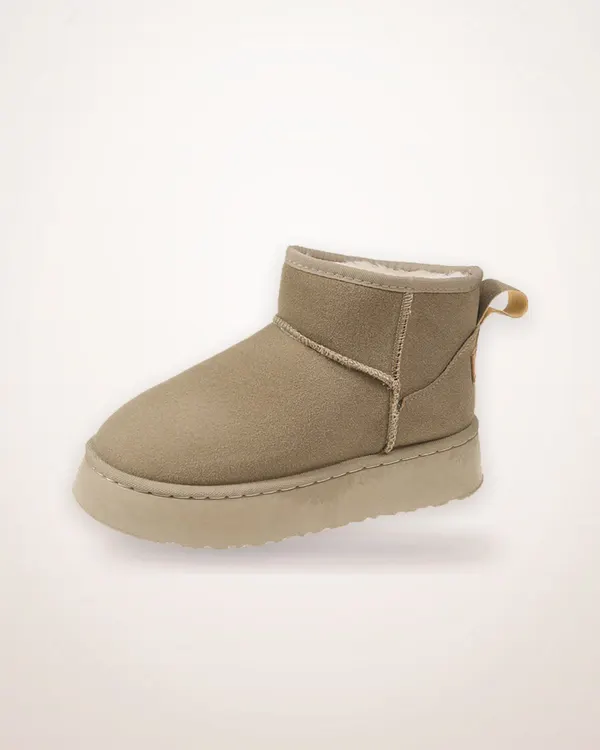
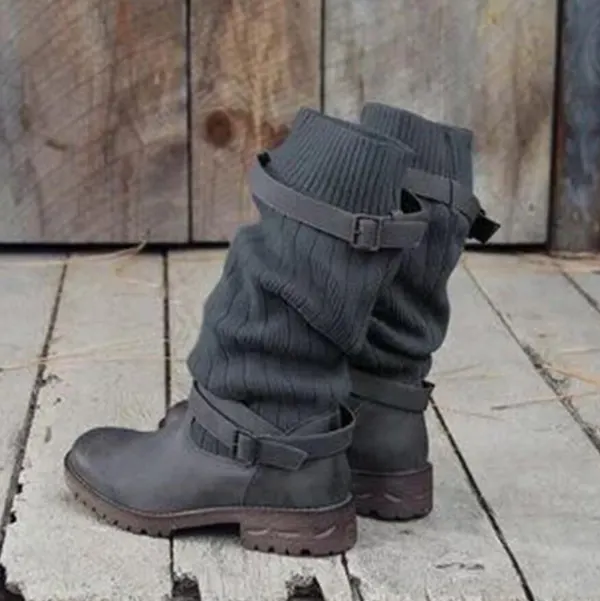
How to choose snow and winter boots
Start with the conditions you walk in most: wet slush, packed snow, frosty pavements or long station platforms. The upper matters first. Where a pair is described as waterproof, that is the detail to look for on wet commutes; for dry cold, warmth and grip carry more of the work. Think, too, about how often you will be stepping in and out of the car, the train or the office, because a deep opening or a side zip makes a difference on busy mornings.
Lining is the next decision. A plush lining, soft faux fleece or faux fur around the ankle holds warmth close to the foot, while a cotton lining with a plush insole gives a different feel underfoot. A wool shaft or wool-blend insole brings texture and warmth to a mid-calf boot. If you feel the cold quickly, look at the lining and insole together rather than the upper alone.
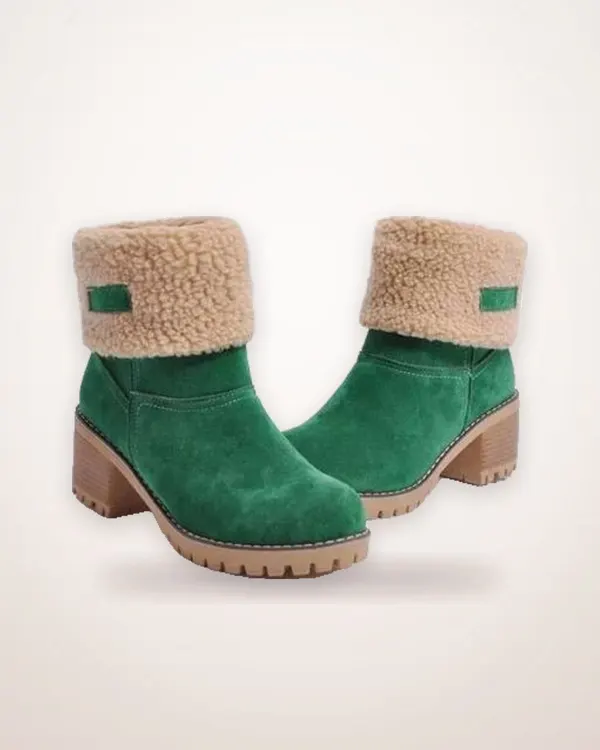
Sole and shaft shape decide how the boot walks. A flat rubber, PU or injected polyurethane sole sits low and steady; a wedge of 6-8 cm or a square block heel changes the line but can still feel grounded. For icy pavements, look for a sole described as non-slip or anti-skid. Shaft height matters as much as looks: ankle boots suit trousers, while mid-calf and knee-high shafts give coverage under skirts and long coats.
Materials, details and fit
Materials set the mood and the maintenance. Suede gives a quiet, soft surface; PU holds a clean shape; textile, canvas and cloth uppers suit wet weather when the piece is described as waterproof. Wool, knit and fleece bring warmth and texture, and faux fur at the ankle adds a soft frame. Cotton lining and plush insoles are the details to notice if you want a comfortable step rather than a stiff shell.
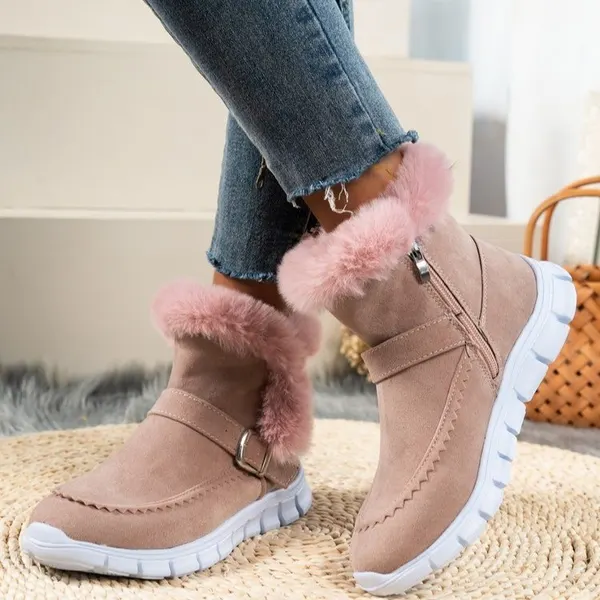
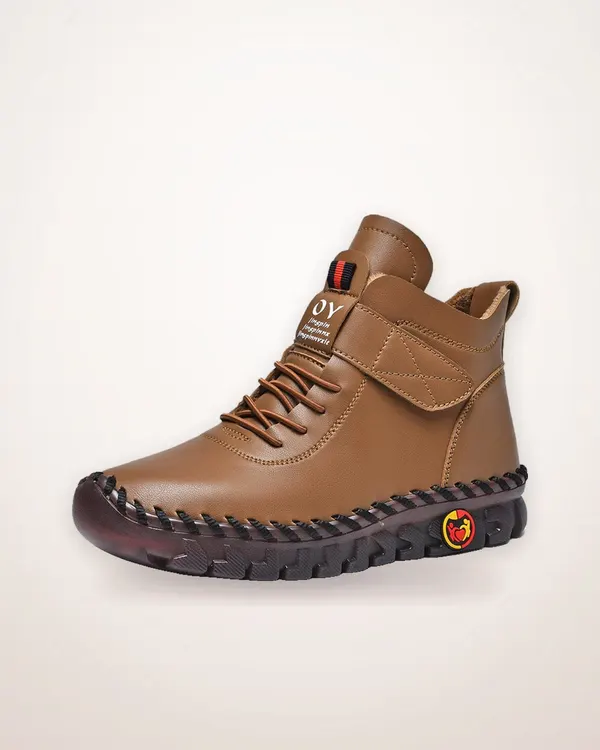
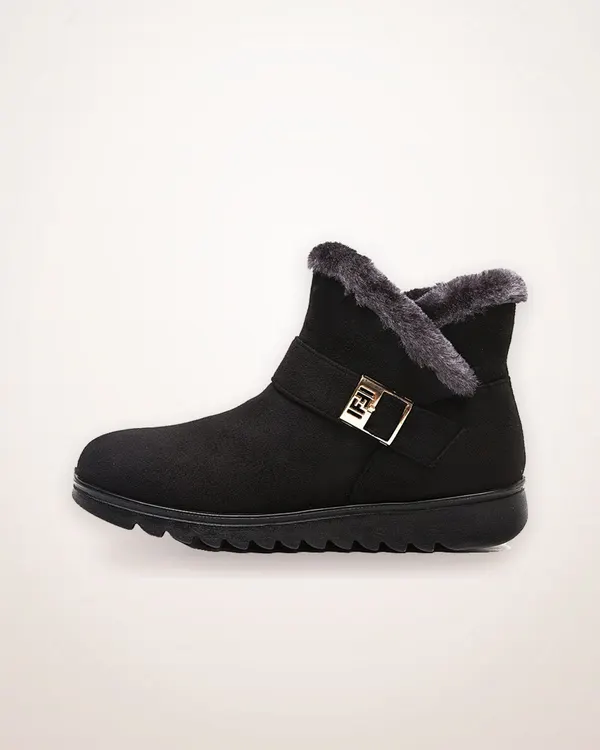
Look at the fastenings. A side zip opens a tall shaft so you can step in without wrestling with the boot; a buckle strap lets you set the ankle as snug or as easy as you like. A lace-up front draws the fit in over thick socks or fine tights, and a deep opening makes a slip-on pair simple to pull on. Small details such as a belt-style buckle or a rounded toe change the look, but the fastening is what you will use every day.
Fit should feel close and warm, not tight. Some of our boots run from 35 to 42, others across 35 to 43, so check the size note for the pair you are considering. Take your usual size where the fit runs true, and try the boots with the socks you will wear. A shaft that sits close to the calf will tuck only fine fabrics, so plan your trousers and tights around that.
How to style them
Let the boot shape set the outfit. Ankle boots work with straight-leg jeans, tailored trousers and a knit for weekends or the office. Mid-calf and knee-high boots sit well under a midi skirt, a long coat or a wool coat, with the shaft giving coverage where you want it. Snow boots with a high upper can take leggings, tights or a knitted dress, especially when the lace-up or buckle lets you adjust the fit over thicker socks.
Colour is the easiest way to shift the mood. Black, brown and coffee are quiet foundations; khaki and grey sit naturally with wool and denim; red, wine and pink add a point of colour against a dark coat. Beige and white lift a winter palette, while blue works with denim and grey. If your coat is already patterned, keep the boot plain; if your outfit is simple, a buckle, lace-up or frosted fur trim can carry the interest.
Balance comes down to the hem. Tuck skinny jeans into an ankle boot, or let a straight leg fall over the shaft. With a mid-calf boot, let the skirt hem meet the boot rather than fight it, and keep the trouser line clean if the shaft is close to the calf. A platform or wedge gives height, so keep the hem clear of the sole and let the boot show.
Care and storage
Care begins with the upper. Brush dry dirt from suede and let damp pairs dry naturally, away from direct heat. Cloth uppers can be wiped with a damp cloth, and PU or rubber surfaces can be wiped clean with a soft, damp cloth. If the boot has a plush or faux fur lining, air it after wear so moisture does not sit inside the shaft. Follow any specific care note that comes with the pair, especially where a waterproof membrane or a wool shaft is involved.
Dry boots slowly. Stuff the shaft with plain paper to hold its shape while it dries, and keep the pair away from radiators or direct sun. Do not put wet boots in a tight cupboard; let air move around them first. If the insole lifts out, let it dry separately, then put it back once the inside is fully dry.
Store boots upright and paired, with the shaft supported so it does not crease. Keep them in a dry place and avoid pressing heavy bags against the ankle or toe. Before the next cold morning, check the sole for grit and the fastening for looseness, then set the pair by the door so you can step in without a scramble.
Standout pieces
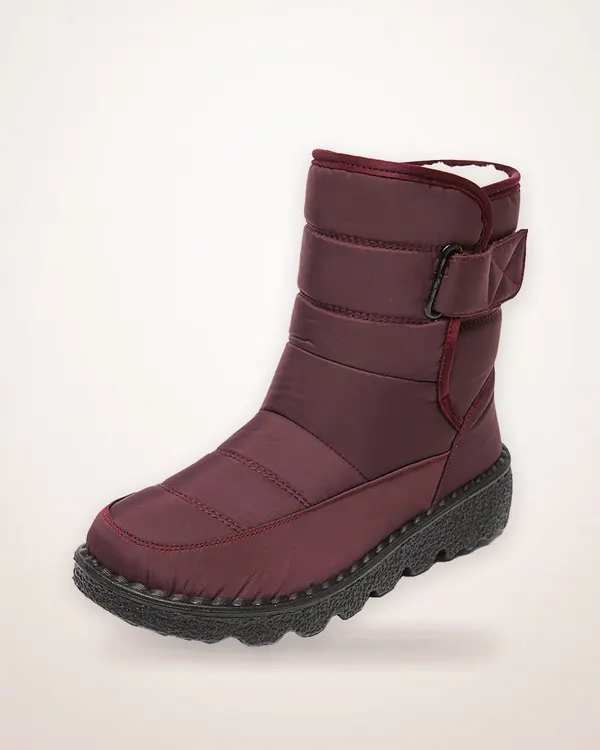
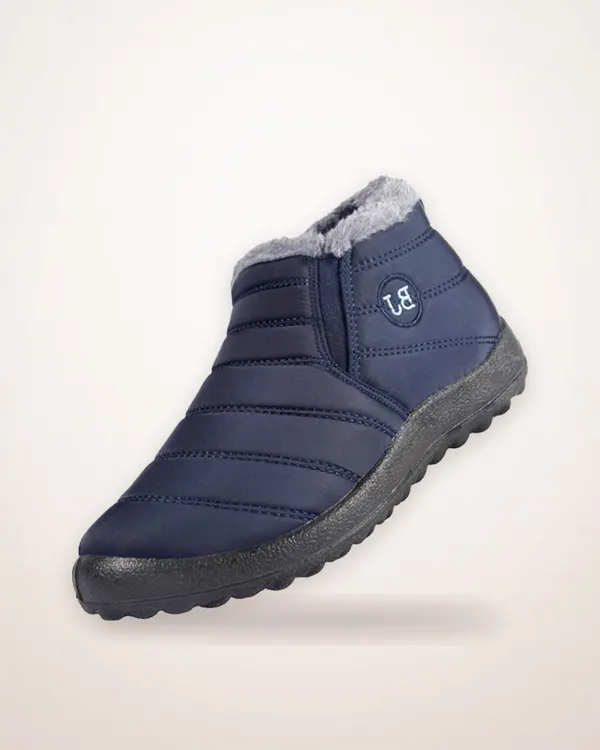
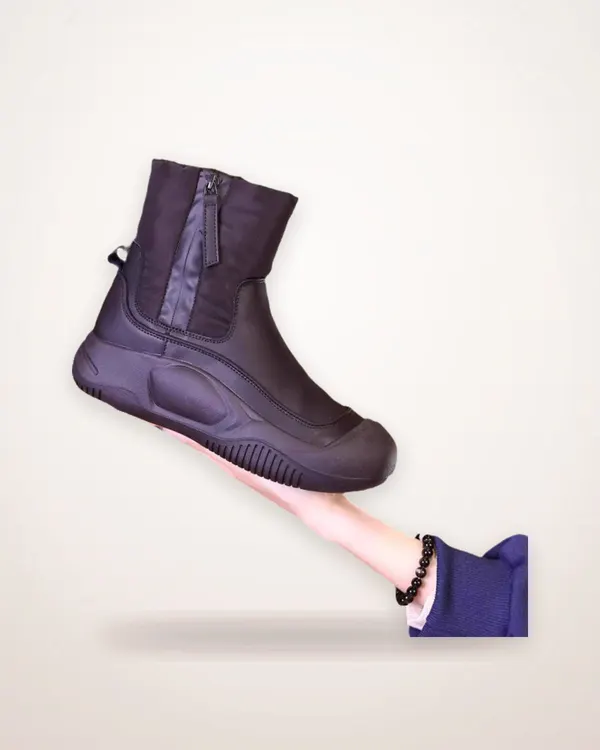
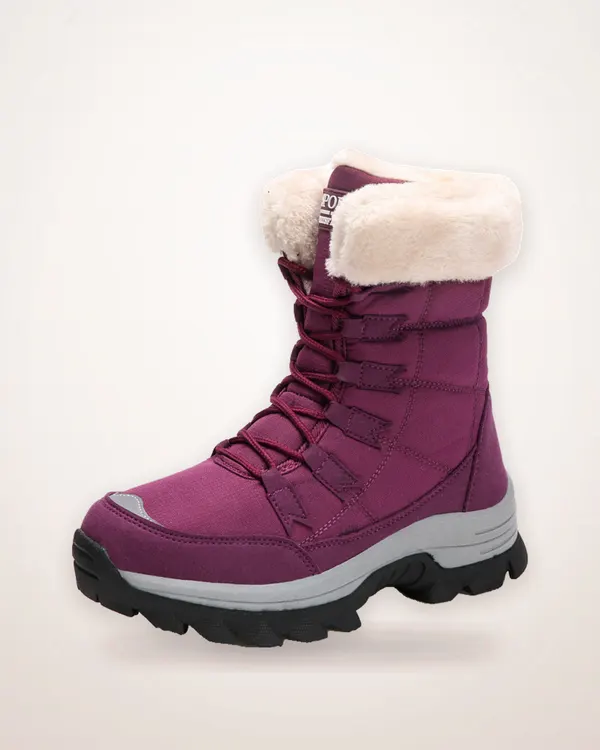
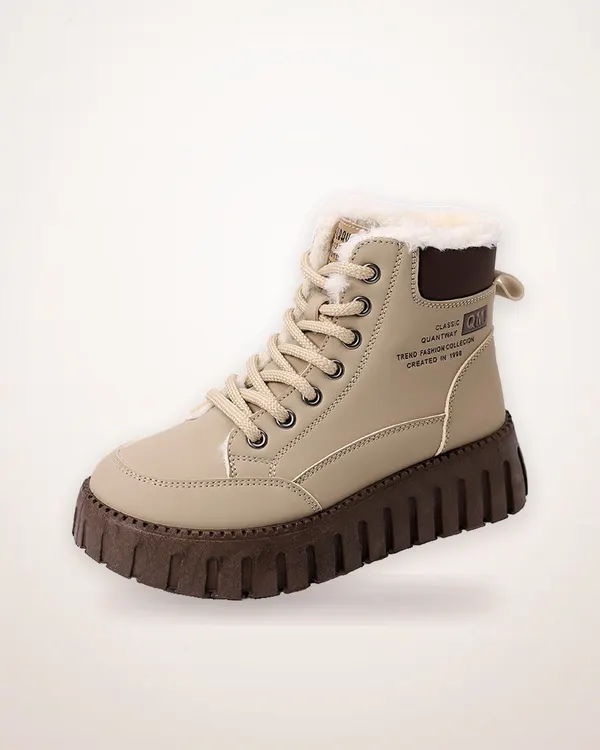
- Waterproof Plush-Lined Winter Snow Boots: A plush lining, waterproof canvas upper and flat anti-skid sole make this pair a grounded choice for wet, cold mornings.
- Waterproof Shearling-Insole Winter Boots: A cotton lining and sheep shearling insole hold warmth close, while the waterproof cloth upper and injected polyurethane sole suit slushy pavements.
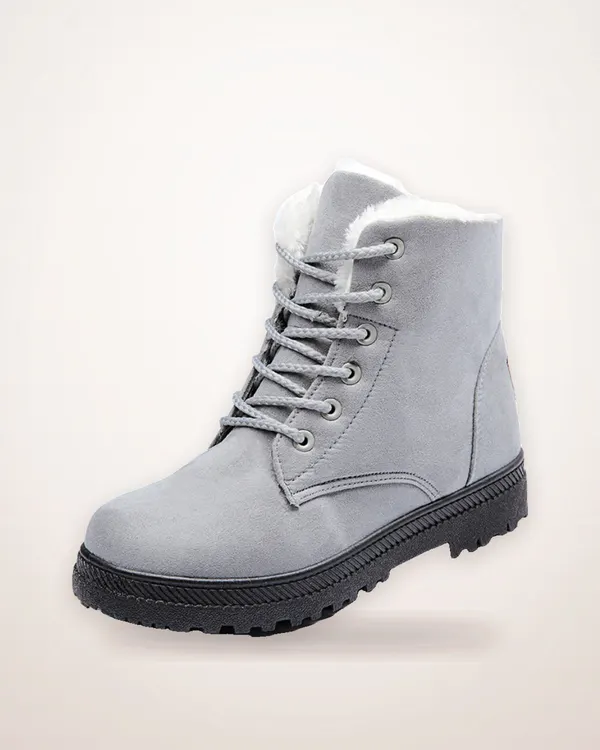
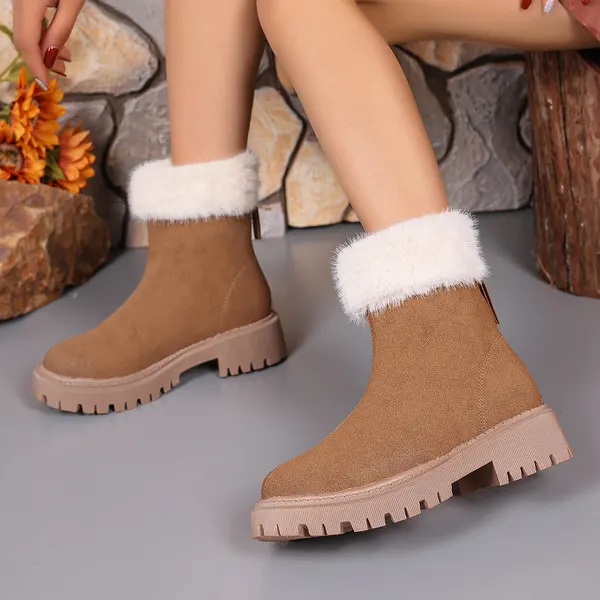
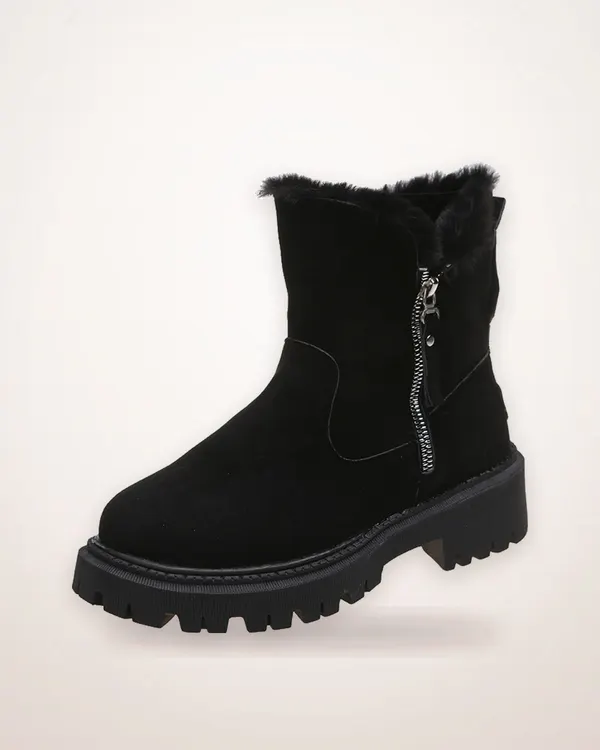
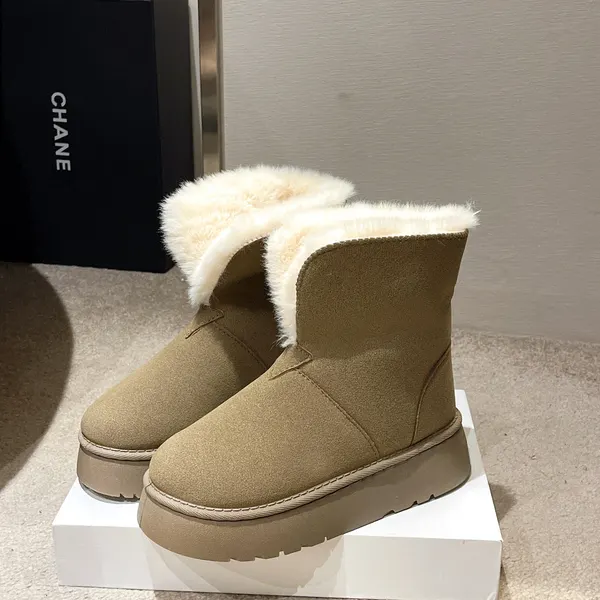
- Fleece-Lined Winter Boots: Suede outer, soft faux fleece lining and a 30cm shaft give this pair clean coverage, with a side zip and a flat rubber sole.
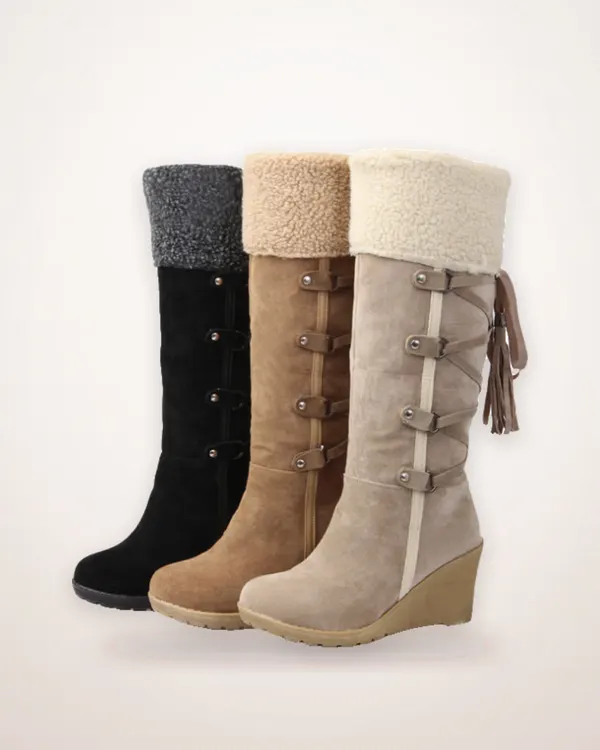
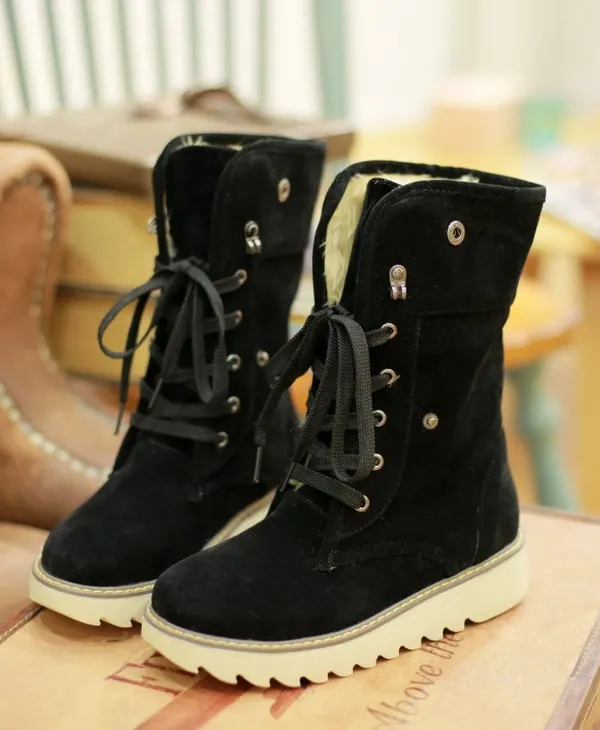
- Vintage Mid-Calf Winter Boots, Wool Shaft: The wool shaft, wool-blend insole and low 1-3 cm heel give this vintage-inspired boot warmth and a grounded line.
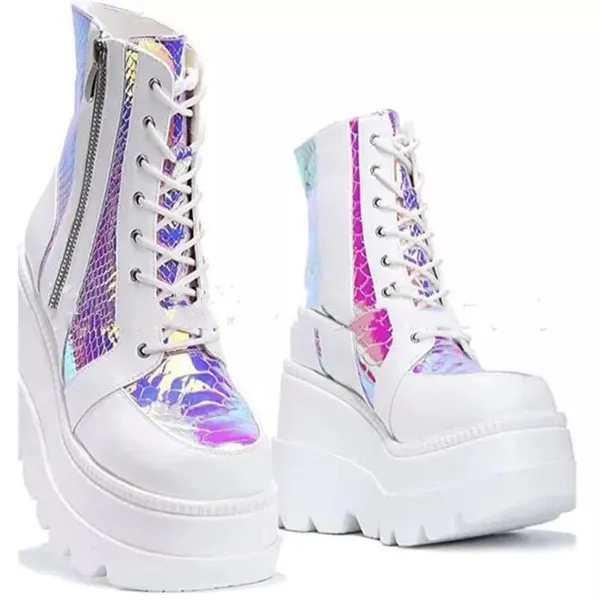
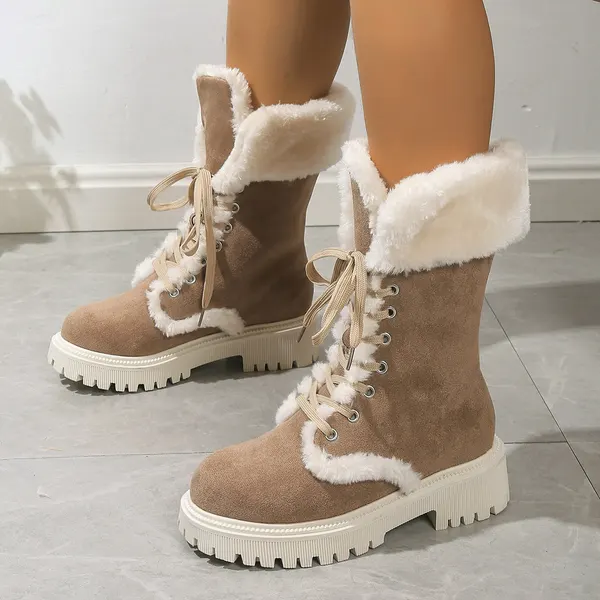
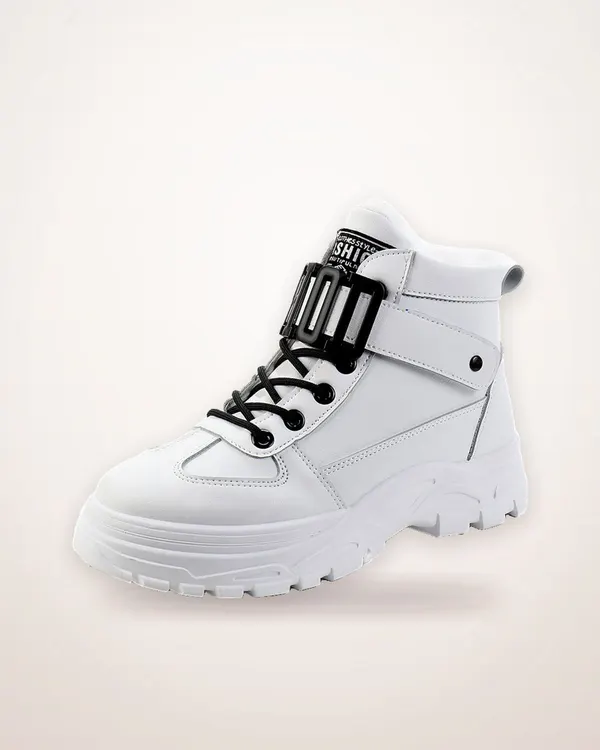
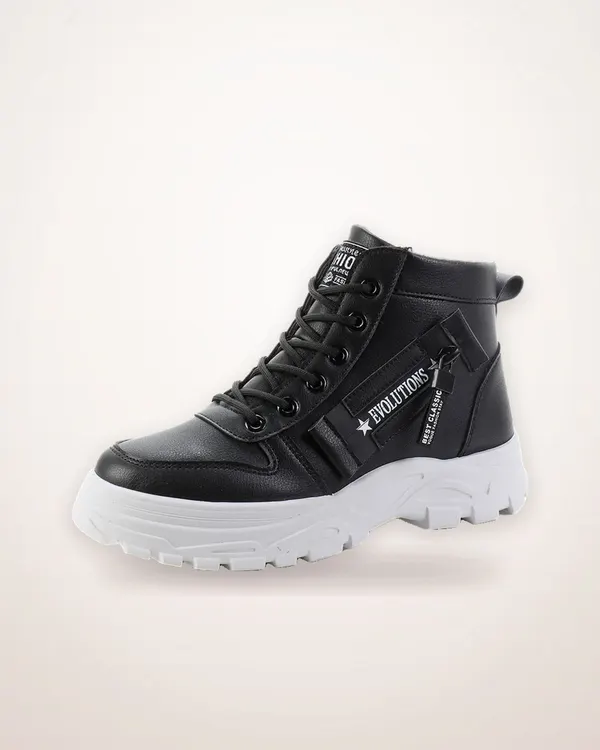
- Platform Lace-Up Winter Boots: A platform sole and lace-up front lengthen the line, with a plain PU upper and cotton lining for cold-day wear.
More snow and winter boots
Questions
How do I choose between ankle, mid-calf and knee-high winter boots?
Ankle boots suit trousers and everyday errands, while mid-calf and knee-high shafts give more coverage under skirts and long coats. Check the shaft height and the opening: a deep opening makes a slip-on pair easier, and a side zip helps with a taller shaft.
Should winter boots be tight or roomy?
Aim for a close, warm fit without pressure across the toe or instep. Take your usual size where the notes say the fit runs true, and try the boots with the socks you plan to wear so you can judge the room.
How do I care for suede winter boots?
Brush away dry dirt and let damp suede dry naturally, away from direct heat. Keep the shaft upright in storage so it holds its shape between wears.
What sole works for icy pavements?
Look for a sole described as non-slip or anti-skid, and choose a low, flat or block heel for a steadier stride. A rubber or polyurethane sole with a defined tread is a practical choice for frosty mornings.
More shoes buying guides
This guide is written with the help of AI from the details on our own product pages and checked automatically before it is published. Product facts come only from those pages. All buying guides · Gift guides · Beauty Journal