


Snow and winter boots vs ankle boots
A practical comparison of snow and winter boots and ankle boots, covering fit, styling and care for the pieces in our range.
At a glance
| Detail | Snow and winter boots | Ankle boots |
|---|---|---|
| Prices today | $7.99 to $82.99 | $16.99 to $49.99 |
| Colours | black, brown, red, blue, khaki, grey, white, beige, pink, coffee, yellow, green | black, brown, red, white, green, grey, blue, beige, khaki, pink, yellow, rose |
| Materials | rubber, wool, suede, lace, leather, denim, cotton, faux fur, knit, synthetic | rubber, denim, wool, suede, leather, cotton, lace, knit, synthetic, pu leather |
| Finishes | matte | matte |
| Details | lined, lace-up, zip, waterproof, non-slip, padded, slip-on, adjustable, lightweight | lined, zip, lace-up, non-slip, slip-on |
Shop snow and winter boots
How to choose snow and winter boots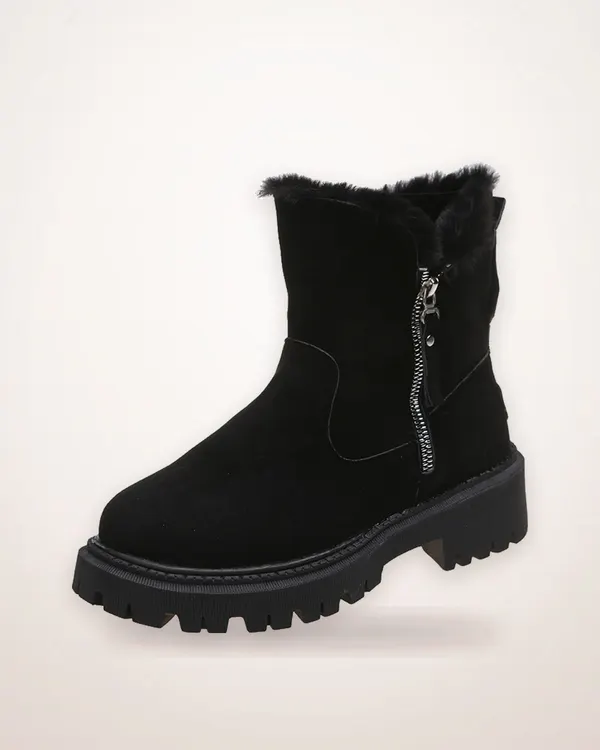
Shop ankle boots
How to choose ankle boots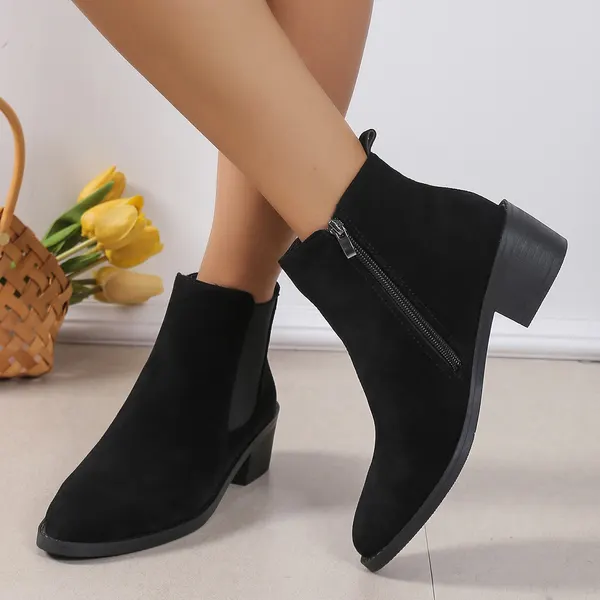
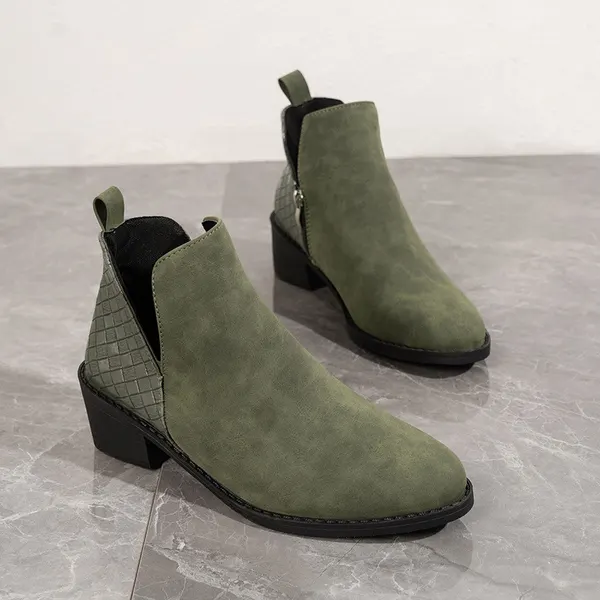
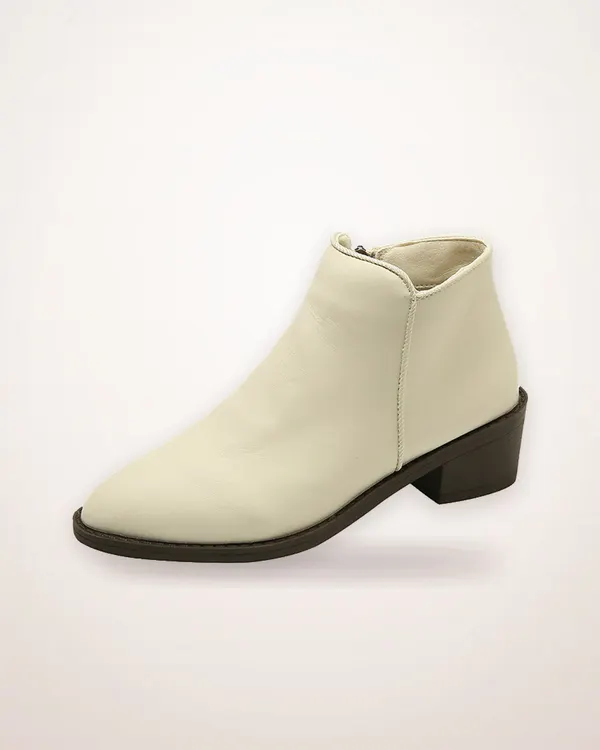
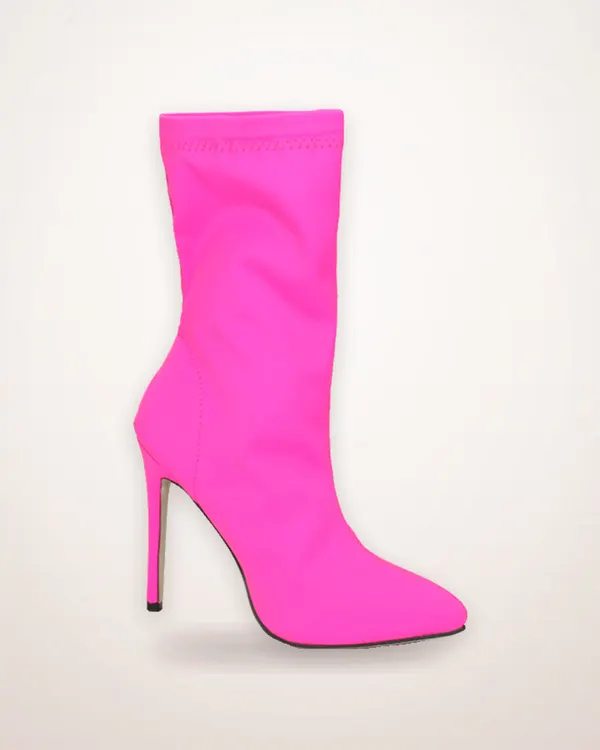
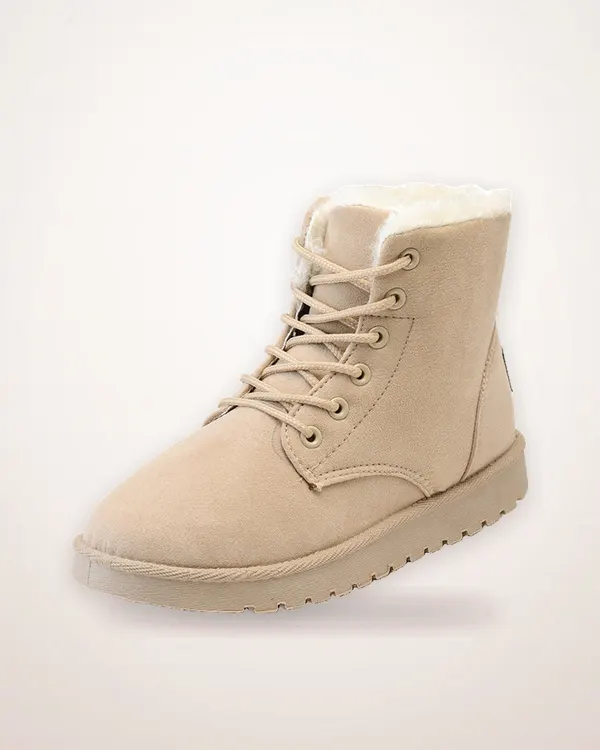
Snow and winter boots and ankle boots: the main differences
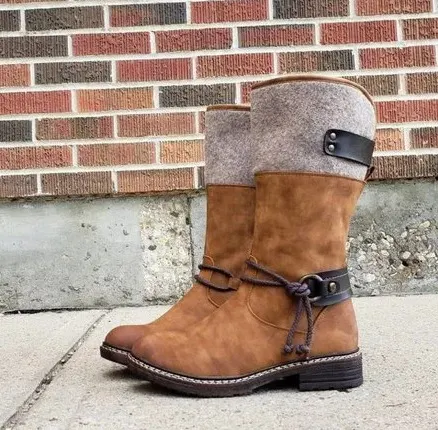
The first difference is how much of the leg they cover. Snow and winter boots in our range are built with a taller shaft, and several use a deep opening that sits over leggings, skinny jeans or thick socks. Ankle boots stop at the ankle, with a low shaft and a side zip or lace fastening close to the leg. That shorter line makes them easier to pair with tailored trousers and midi skirts, while a taller boot keeps wind and cold away from the lower leg.
Warmth follows the same pattern. Our snow and winter boots include lined shapes, padded styles and plush or faux fur linings, and some are described as waterproof. Ankle boots can be lined too, and the range uses wool, knit, cotton and synthetic materials. The smaller surface area leaves more of the leg exposed. If you feel the cold on a long walk, the taller boot usually does more work. If you move between a warm train, an office and a short walk, the ankle boot is often enough.
Shape and sole matter as well. The snow and winter boots range includes flat rubber soles, low square heels, platform soles and non-slip finishes, with lace-up, zip and slip-on shapes. Ankle boots in our range lean towards pointed or round toes and low chunky heels of 3 to 5 cm, with side zips and rubber soles. Neither type is one thing only: you will find matte finishes in both, and ankle boots also come in glossy finishes. Read the piece's own description for its shaft height, lining and sole, because those details decide how it wears.
When to choose snow and winter boots
Choose a snow or winter boot when the day asks for coverage. A tall shaft over leggings, a wool skirt or skinny jeans keeps the lower leg warmer on a station platform, a snowy pavement or a long walk. The plush and faux fur linings in our range are there for that first cold shock, and a padded shape or a deep cuff adds another layer at the ankle. If you know you will be outside for an hour or more, start with the taller shape and work back to the styling.
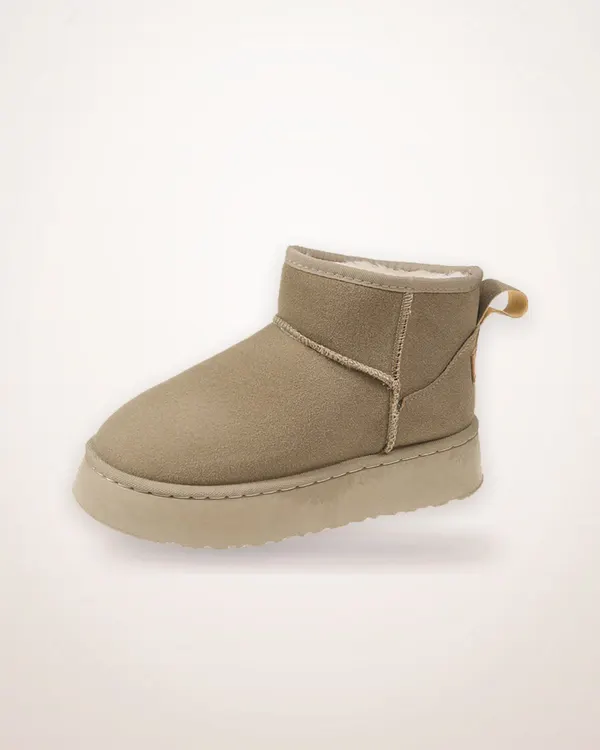
Look at the sole and fastening next. Flat rubber soles, non-slip finishes and low platform soles give a steadier stance on slick ground. A side zip is quick, a buckle lets you set the ankle fit, and a lace-up gives more adjustment over thick socks. The Faux Suede Plush Lined Snow Boots use a deep folded cuff and a faux fur insole, while the Tall Snow Boots with Deep Plush Lining add a 5 cm platform sole and a tall shaft. Those are different answers to the same cold morning.
Fit is where a winter boot can go wrong. Several of our snow and winter boots run true to size, but others run small or one to two sizes smaller than EU and US sizing, so check the size chart before you choose. If you plan to wear very bulky socks, take the next size up. A deep shaft should sit smoothly over leggings without pulling across the calf. If it feels tight with the socks you actually wear, go up.
When to choose ankle boots
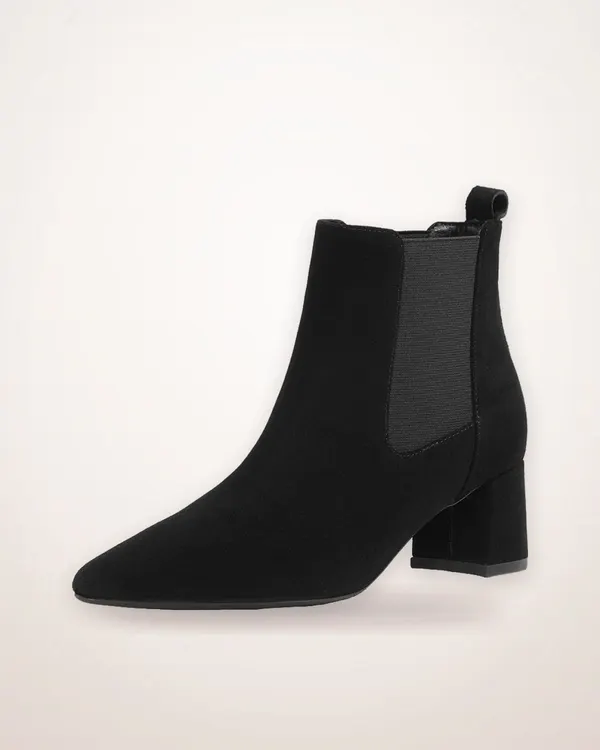
An ankle boot is the better choice when you want a clean line and a shorter walk. It sits at the ankle, so it works with tailored trousers, straight-leg jeans, midi skirts and thick tights without the bulk of a tall shaft. The pointed-toe styles in our range draw a long line under a long coat, while the round-toe shapes feel softer and more casual. A low chunky heel of 3 to 5 cm gives height without asking for a careful step.
The fastening makes a difference to the day. Side zips open wide, which helps over thick tights and straight-leg jeans, and lace-up ankle boots let you adjust the fit across the instep. A slip-on shape is quick by the door. If your day moves between a commute, a desk and an evening out, the ankle boot is easier to wear indoors and still looks considered outside. The Pointed-Toe Genuine Leather Ankle Boots use genuine leather and a thick mid heel, while the Suede Pointed-Toe Ankle Boots with Side Zip use brushed cow suede and a low chunky heel.
Ankle boots give less coverage, so match them to the weather and the walk. On a cold dry day they are comfortable with wool socks or tights. On a snowy pavement, look at the sole and the piece's own description first. The ankle boot range includes non-slip and rubber soles, but not every style is built for deep slush. Sizing runs in whole European sizes from 34 to 43 across the range, with some pieces running 36 to 43. If you sit between sizes or plan to wear thick socks, take the larger.
Styling and care for both
Start with the trousers or skirt you wear most. A tall snow boot looks neat under skinny jeans, leggings and a wool skirt, and a long coat balances the shaft. An ankle boot looks sharper with tailored trousers and a midi skirt, and a straight-leg jean that breaks just above the boot keeps the line clean. Keep the colour quiet if you want one pair to work hard: black, brown, grey and beige appear across both ranges, while red, green, blue and pink give a plain outfit a point of colour.
Care is mostly about routine. Let wet boots dry naturally, away from a radiator or direct heat, and stuff the shaft with paper so it holds its shape. Brush suede and suede-look surfaces with a soft brush when dry, and wipe rubber soles and matte finishes with a damp cloth. Faux fur and plush linings benefit from airing between wears. A simple shake and a cool, dry spot are enough. Store boots upright rather than folded over each other.
For fit, wear the socks you plan to use when you try them. A deep shaft should let you sit and walk without pressure behind the knee, and an ankle boot should leave a little room at the toe, especially in a pointed shape. If a side zip pulls or the instep feels tight, the size is wrong, not the boot. Keep the care simple and the fit honest, and either shape will last through the cold months.
Standout pieces
- Faux Suede Plush Lined Snow Boots: A deep folded plush cuff and a faux fur insole bring warmth from the ankle down, with a suede-look upper and a low square heel.
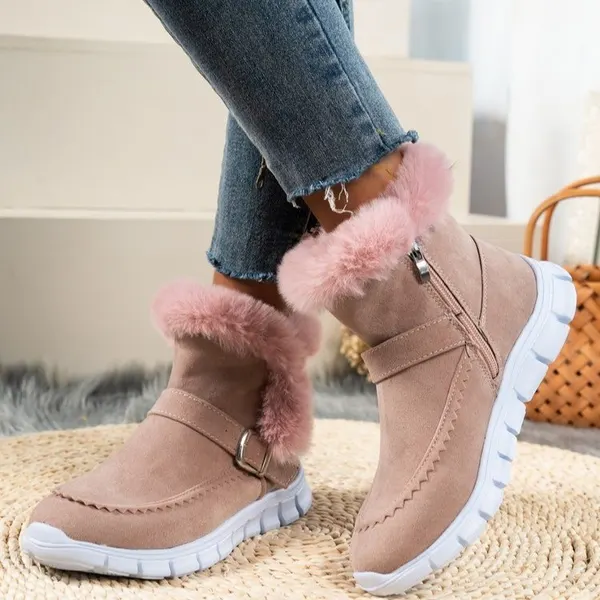
- Buckle Suede-Look Ankle Snow Boots: The suede-look upper hides a deep faux fur lining and insole, while a side buckle and zip set the fit above a flat rubber sole.
- Faux Fur Lined Winter Boots: A thick faux fur lining and a 16 cm shaft make this a warm ankle-height boot, finished with a matte textile upper and a low 3 cm heel.
- Tall Snow Boots with Deep Plush Lining: A tall shaft with deep artificial plush lining and a 5 cm platform sole gives this boot its grounded stance, with visible stitching across a matte upper.
- Pointed-Toe Genuine Leather Ankle Boots: Genuine leather, a pointed toe and a thick 3 to 5 cm heel make a clean, grounded ankle boot with fine sewing-thread detail at the seams.
- Suede Pointed-Toe Ankle Boots with Side Zip: Brushed cow suede, a pointed toe and a low chunky heel meet a side zip and a wear-resistant rubber sole.
Questions
Are snow boots or ankle boots better for cold weather?
It depends on how long you will be outside. Snow and winter boots give more coverage with a taller shaft and, in our range, plush or faux fur linings and padded shapes. Ankle boots suit shorter trips and indoor days, especially with wool socks or tights.
How should I size snow boots for thick socks?
Check the size chart for the piece, because some snow and winter boots run true to size and others run small or one to two sizes smaller than EU and US sizing. If you plan to wear very bulky socks, take the next size up. A deep shaft should sit smoothly over leggings without pulling.
Can I wear ankle boots in snow?
Ankle boots leave more of the leg exposed, so they are better for cold dry days and shorter walks. If you want them for snowy pavements, look at the sole and the piece's own description for non-slip or rubber details. Not every ankle boot is built for deep slush.
How do I clean plush-lined and suede-look boots?
Let them dry naturally away from direct heat, then brush suede or suede-look surfaces with a soft brush. Wipe rubber soles and matte finishes with a damp cloth. Air faux fur and plush linings between wears and store the boots upright with paper inside the shaft.