


How to care for snow and winter boots
A practical guide to keeping snow and winter boots clean, dry and ready for cold mornings, with care by material and storage that holds their shape.
At a glance
- Prices today
- $7.99 to $82.99
- Colours
- black, brown, red, blue, khaki, grey, white, beige, pink, coffee, yellow, green
- Materials
- rubber, wool, suede, lace, leather, denim, cotton, faux fur, knit, synthetic
- Finishes
- matte
- Details
- lined, lace-up, zip, waterproof, non-slip, padded, slip-on, adjustable, lightweight
Shop snow and winter boots
How to choose snow and winter boots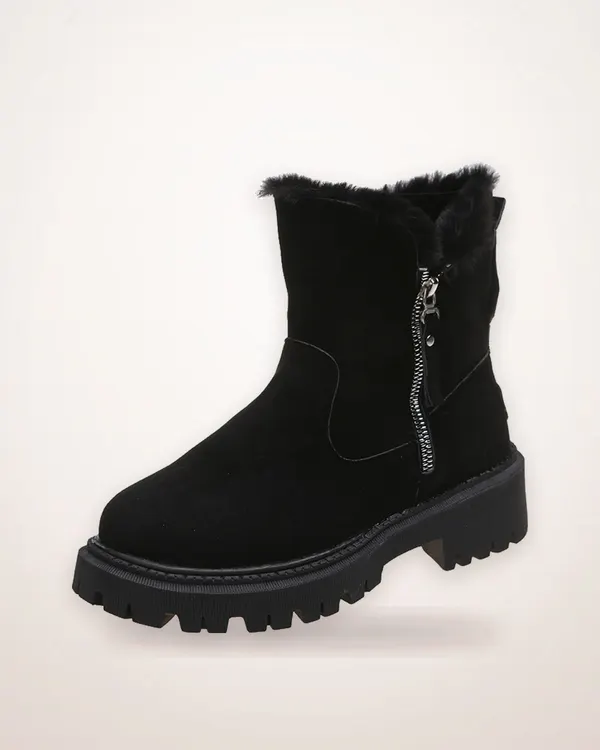
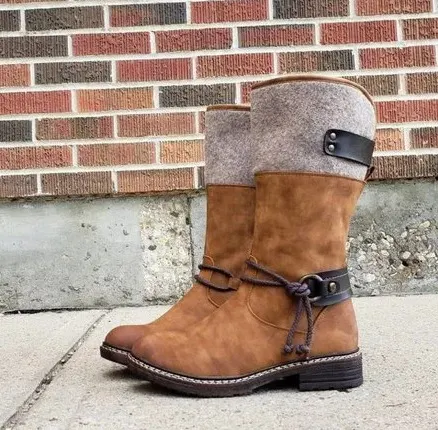
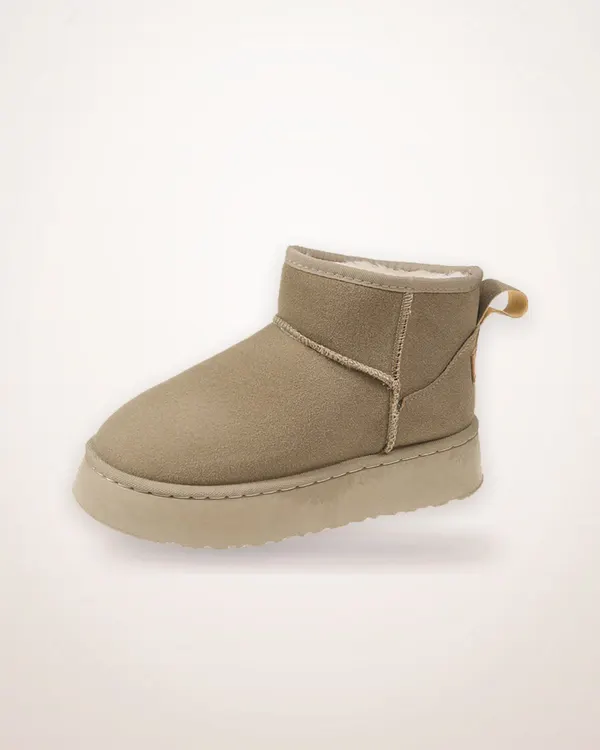
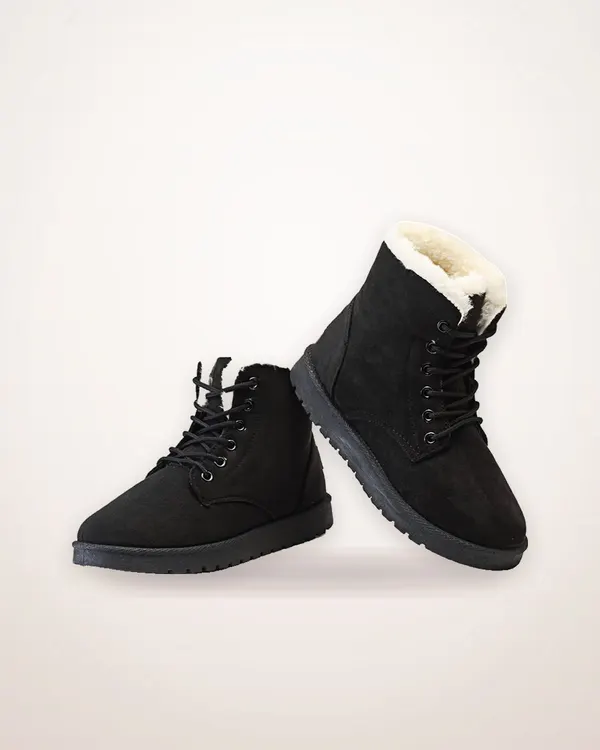
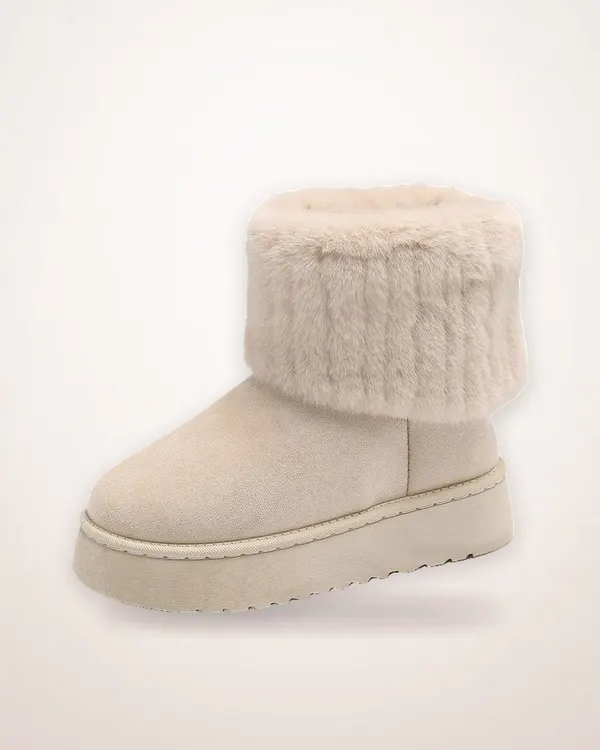
Everyday care for snow and winter boots
After a walk in snow or slush, knock the boots together over a bin or doormat and brush off loose grit with a soft brush. If you have crossed salted pavements, wipe the upper and sole with a cloth wrung out in cool water, then wipe again with a clean damp cloth. Do not soak the boot or scrub hard at seams.
Let wet boots dry at room temperature, away from radiators, fires and direct sun. Stuff the feet and shafts with clean paper to take up moisture and hold the shape, and change the paper once it feels damp. If the insole lifts out, take it out to air separately. Never put winter boots on a radiator or in a tumble dryer.
Give each pair a full day to dry between wears when you can. Before you put them on, loosen laces or open the side zip fully, then fasten them after your foot is in. Brush grit from zip teeth with a soft brush. A zip that is forced over grit will catch and wear.
Cleaning by material
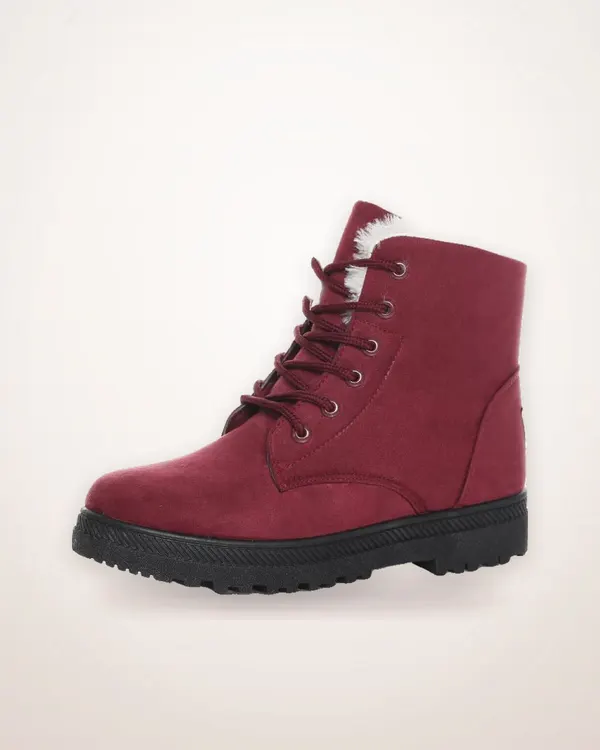
Start with the upper and work down. For suede and suede-look boots, let mud dry first, then brush the nap with a soft suede brush in one direction. Spot clean marks with a barely damp cloth and blot rather than rub. Our faux-suede and suede-look pairs have soft finishes, so a gentle brush is safer than a wet scrub. Let them air dry away from heat.
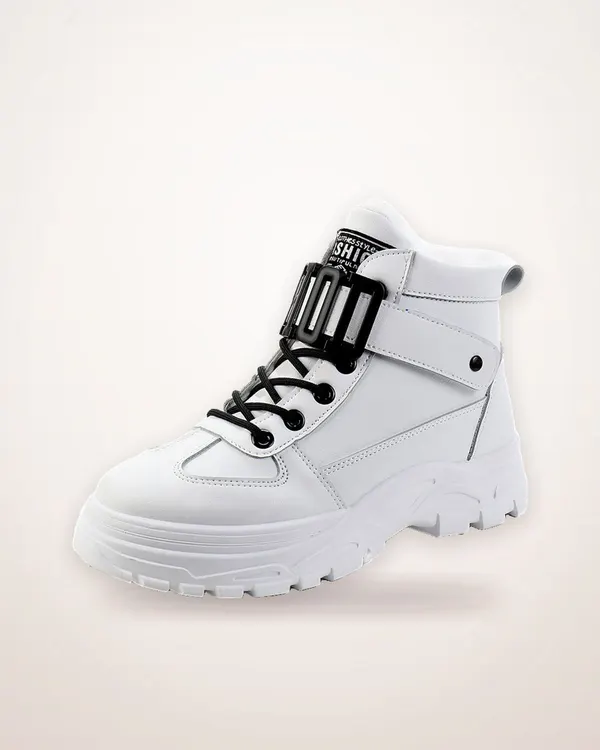
Wipe smooth leather, synthetic leather and PU uppers with a damp cloth. Use a little mild soap on a cloth for marks, then wipe away the residue with a clean damp cloth and dry naturally. A matte finish can show scuffs, and a clean cloth usually does more than a strong cleaner. For a waterproof cloth or PU upper, wipe the surface and seams, then let the boot dry fully before you wear it again.
Rubber soles can be scrubbed with a soft brush and mild soapy water, then wiped dry. For cotton, wool, knit, denim and faux fur, spot clean with a barely damp cloth and a little mild detergent, and keep the water away from the lining where you can. Brush faux fur and plush pile once dry to lift it. Air sheep shearling insoles and brush them gently.
Do not put boots in a washing machine or tumble dryer. Do not dry them over a radiator, and do not use a hot hairdryer. Heat can stiffen the upper and distort the sole.
Storing them well
Clean and dry boots before they go away for the season. Any grit left on the sole or zip will work away at the boot in storage, and damp trapped in a box can leave a musty smell. Stuff the feet and shafts with clean paper or boot shapers, then stand tall pairs upright so the shaft does not fold over. For mid-calf and ankle pairs, a little paper in the toe holds the shape.
Use a breathable cotton bag or the original box, not a sealed plastic bag. Keep storage dry and out of direct sunlight. A cool cupboard is better than a warm radiator cupboard. If you have space, leave a small gap between pairs so air can move.
Check the pair before you store it: laces should be clean and not knotted tight, zips should run freely and the sole should be dry. Leave the zip closed to hold the shape, but do not force it shut over grit. Bring boots out a day before you plan to wear them so they can air.
Small repairs and touch-ups
Small marks are easier to manage than they look. Brush dry mud off suede and suede-look uppers, then spot clean with a barely damp cloth. For matte synthetic or leather uppers, wipe scuffs with a clean damp cloth and let the boot dry. If a scuff stays, take the pair to a shoe repairer rather than reaching for a strong solvent.
Replace frayed laces with a pair of similar thickness and length. Check zip pulls and teeth, and brush out grit before the zip starts to catch. If a zip pull comes loose or a seam opens, stop wearing the boot and have it repaired. A small repair now is easier than a split seam later.
If the sole feels smooth on wet pavement or a heel tip looks worn, ask a repairer to look at it. Do not glue a separating sole at home unless the repairer advises it. Air plush and faux fur linings, brush the pile gently and let them dry fully before you wear the boots again.
Standout pieces
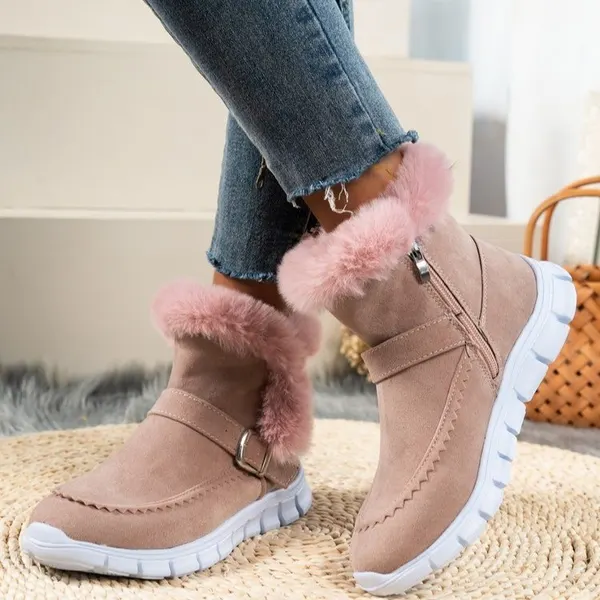
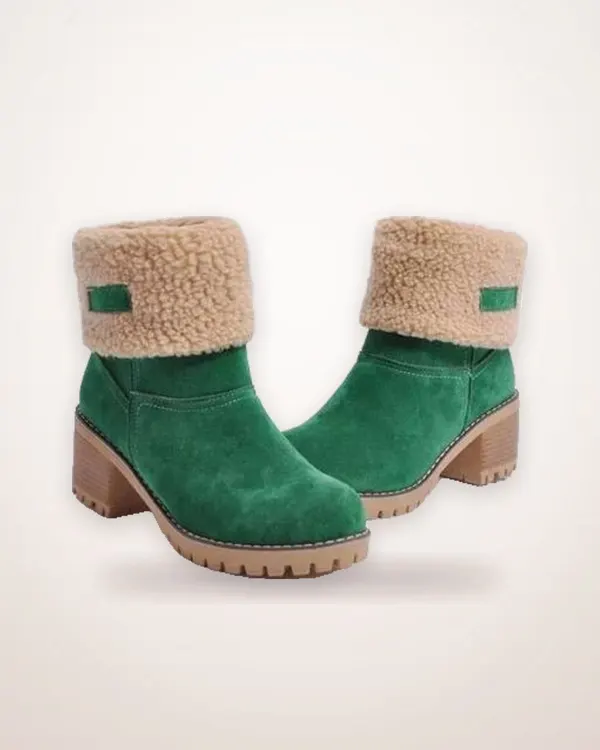
- Faux Suede Plush Lined Snow Boots: A deep folded plush cuff and a faux fur insole bring warmth from ankle to toe, with a suede-look finish that reads polished beside a long coat.
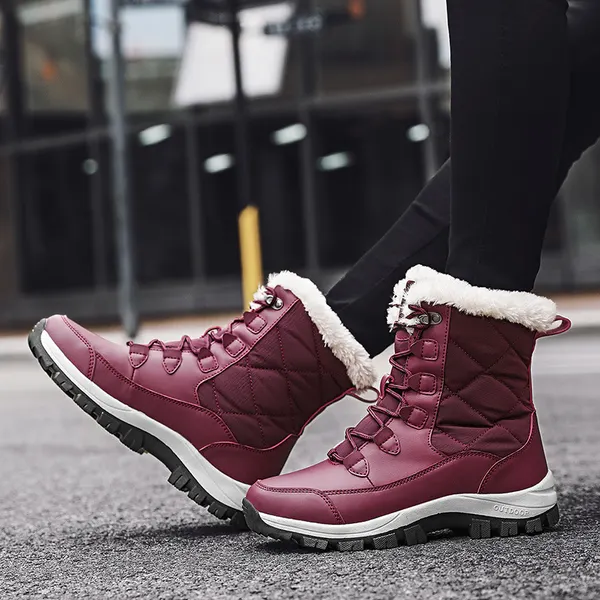
- Tall Snow Boots with Deep Plush Lining: A deep plush lining climbs the tall shaft, and the 5 cm platform sole lifts you clear of slush on slick pavements.
Questions
How do I dry wet snow boots without damaging them?
Take out any removable insoles, stuff the boots with clean paper and leave them at room temperature away from radiators or direct sun. Change the paper once it feels damp. Never put them on a radiator or in a tumble dryer.
Can I put suede snow boots in the washing machine?
No. Brush suede or suede-look uppers when dry and spot clean marks with a barely damp cloth. Let them air dry away from heat.
How should I store tall winter boots to keep their shape?
Clean and dry them first, stuff the shafts with clean paper or boot shapers and stand them upright in a breathable bag or box. Keep them out of damp and direct sunlight.
What should I do if the zip on my winter boots feels stiff?
Brush grit from the teeth with a soft brush, then open and close the zip a few times. If it still catches, take the boot to a repairer rather than forcing it.