


Sneakers for winter
A practical guide to choosing winter sneakers, from plush linings and grippy soles to the shapes that sit well under cold-weather hems.
At a glance
- Prices today
- $13.99 to $76.99
- Colours
- black, white, blue, beige, pink, red, brown, green, grey, purple, khaki, sky blue
- Materials
- lace, denim, cotton, mesh, rubber, knit, leather, wool, linen, cowhide
- Finishes
- matte, cream
- Details
- breathable, lace-up, adjustable, lightweight, lined, non-slip, padded, waterproof
Shop sneakers for winter
How to choose sneakers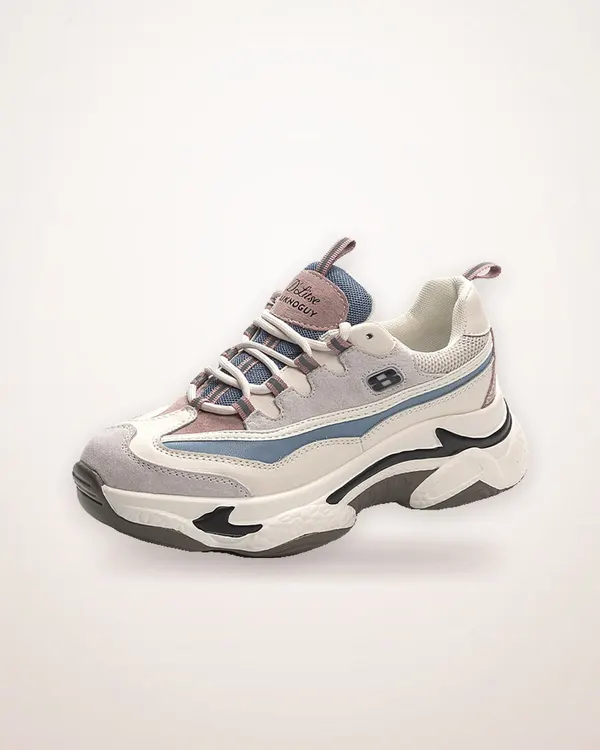
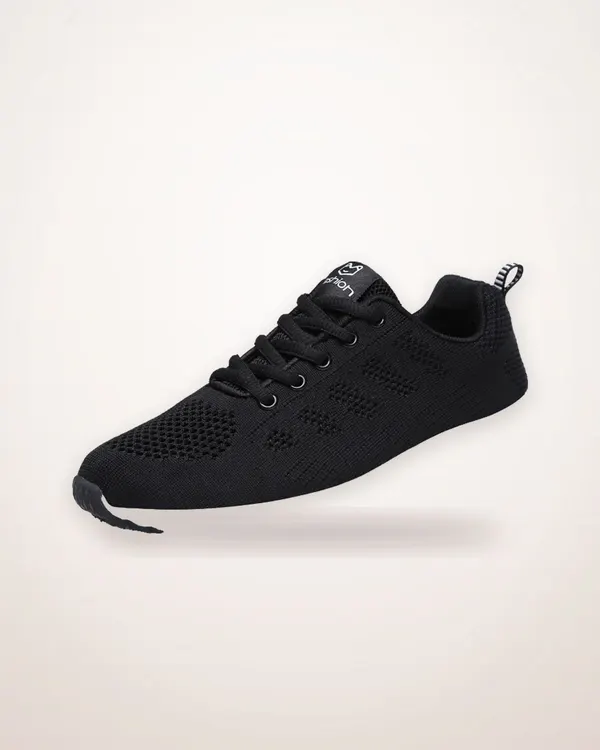
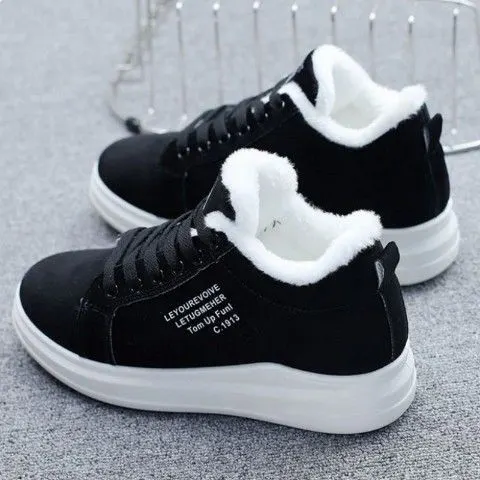
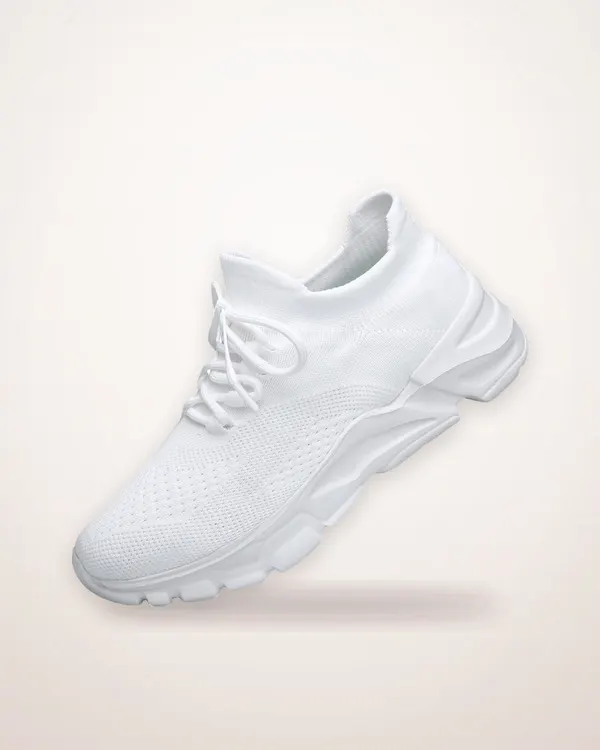
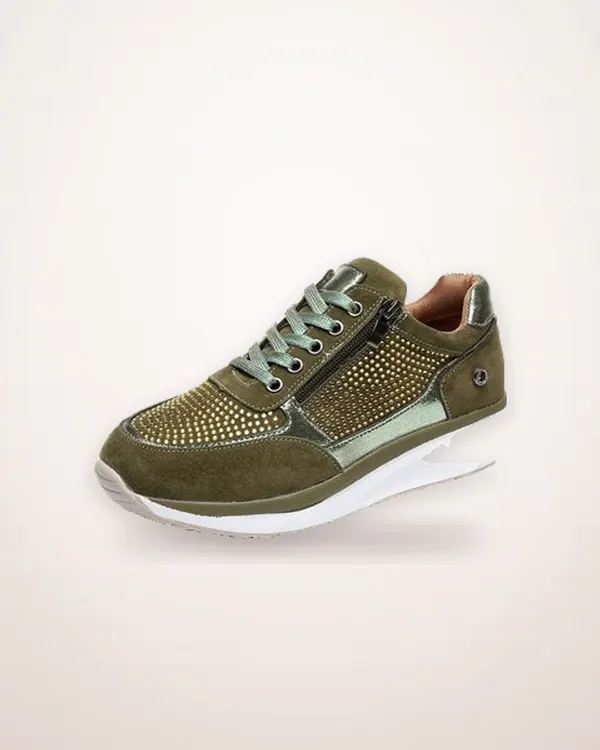
What makes sneakers right for winter
Winter sneakers earn their place on the days when boots feel too much and canvas shoes feel too thin. The useful pairs share a few traits: a lining that holds warmth, an upper that copes with damp and dirt, and a sole with enough depth to keep you off cold pavement. Our winter pieces lean on plush, faux-plush and fleece linings, with leather, cowhide and split cowhide uppers on several pairs.
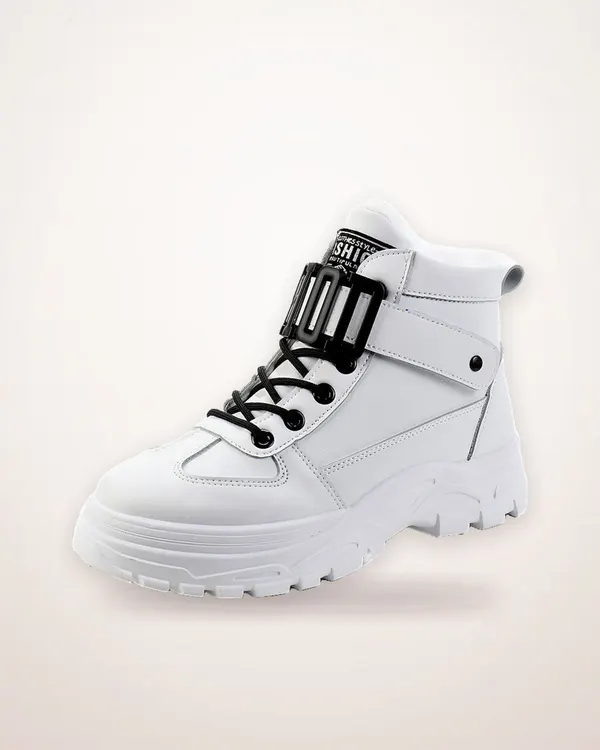
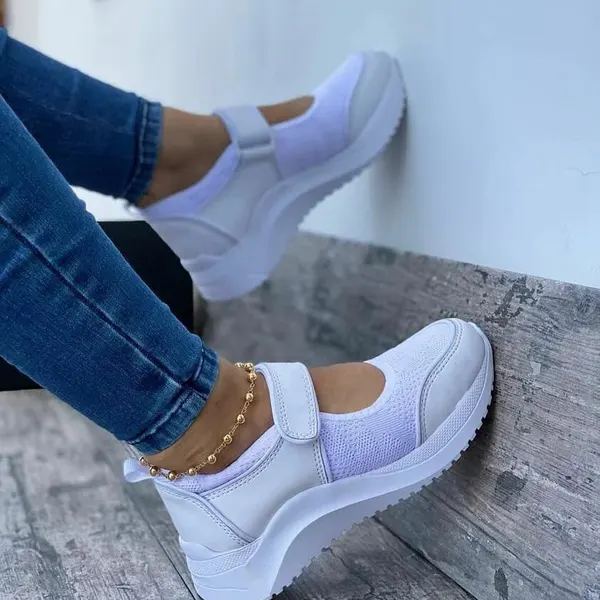
A thick sole does more than change the line of the leg. It lifts the foot away from the cold ground and gives you a steadier platform on wet pavements. Look for rubber, PVC or platform soles with a tread, and a lace-up or side zip that lets you set the fit around the ankle. A shallow opening can feel snug, which is useful in winter, but it should never press.
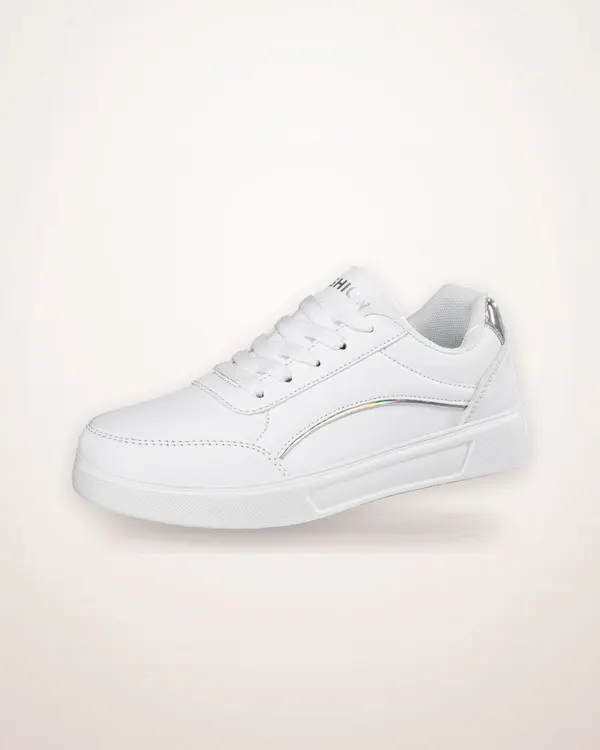
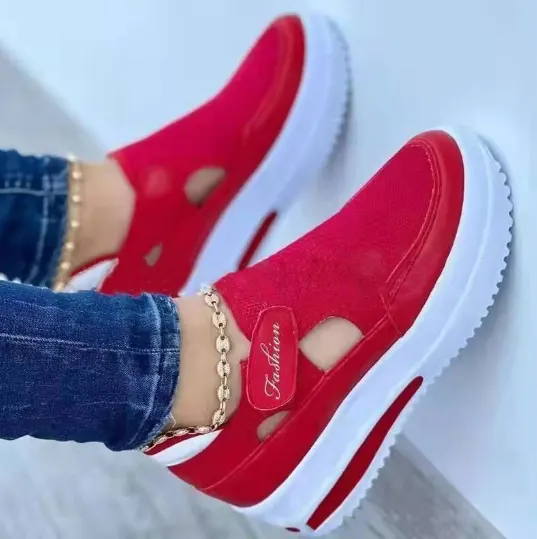
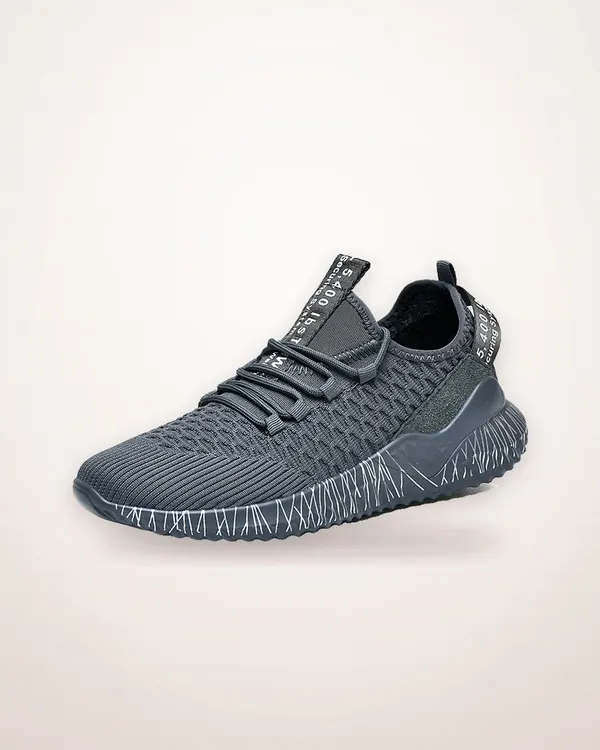
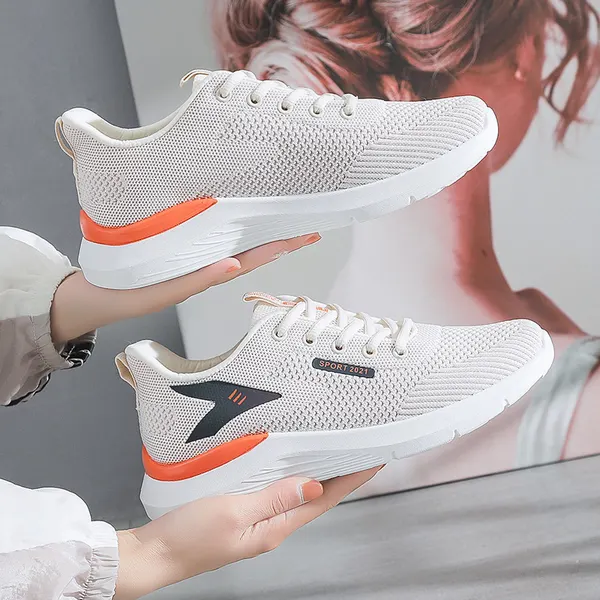
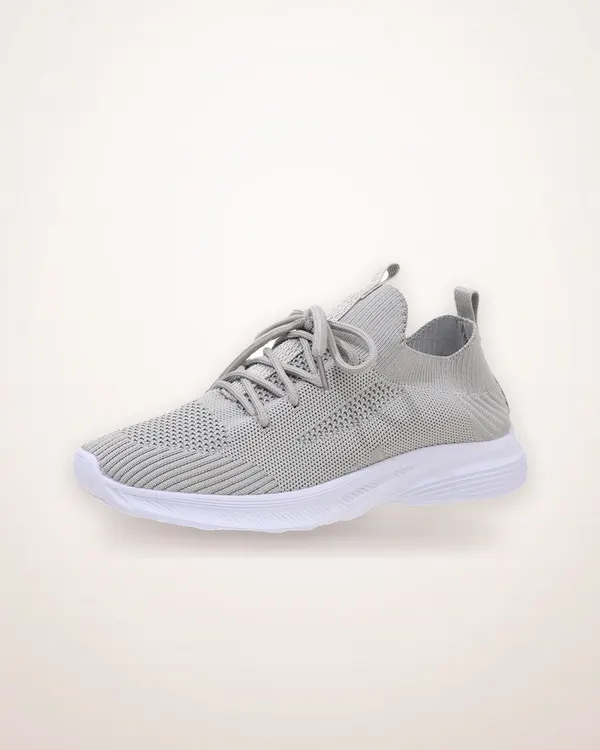
Mesh and knit have their place in summer. For winter, start with leather or cowhide and a lined interior. If you walk through slush, a smooth upper is simpler to wipe down than an open weave. A matte finish also hides the marks that wet weather leaves behind.
How to choose
Start with your commute, not the outfit. If you are mostly on dry pavements and moving between indoor spaces, a low-top leather sneaker with a rubber sole is enough. If you stand at a bus stop or walk a long stretch in the cold, a plush or fleece lining and a chunky sole will feel kinder.
Fit matters more with a lining. Try the pair with the socks you will wear most, because a plush lining takes up room across the instep. Our size notes give the range for each style, such as 35 to 40 or 36 to 42, so read the note on the product page before you choose. Loosen the laces or open the side zip, step in, then draw the fit snug around the ankle without pinching.
Look at the sole and the upper together. A grippy rubber sole with a tread is a practical choice for wet leaves and slick paving. Leather and cowhide take a polish and soften with wear, while a matte finish hides marks better than a high shine. If you want a little lift, a low platform or a 3 cm platform sole keeps the stride level rather than tipping you forward.
How to wear them
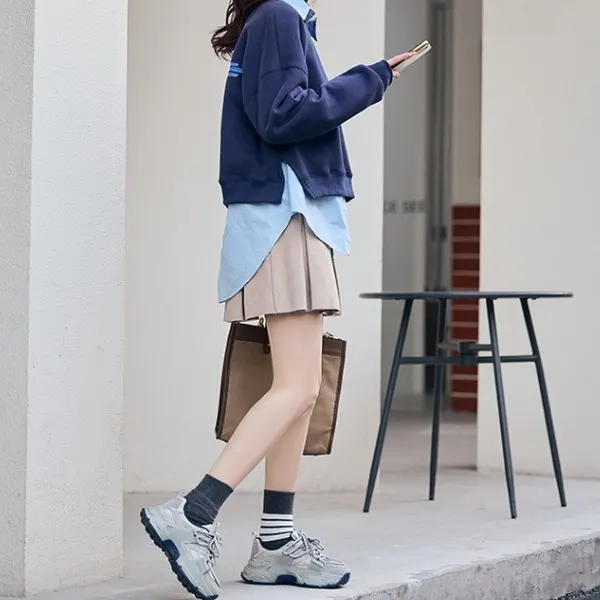
Winter sneakers work best when the hem gives them room. Straight-leg jeans, tailored trousers and midi skirts all sit well with a low-profile pair. Let the shoe show under a cropped or ankle-length hem, and keep the sock close to the ankle so the line stays clean.
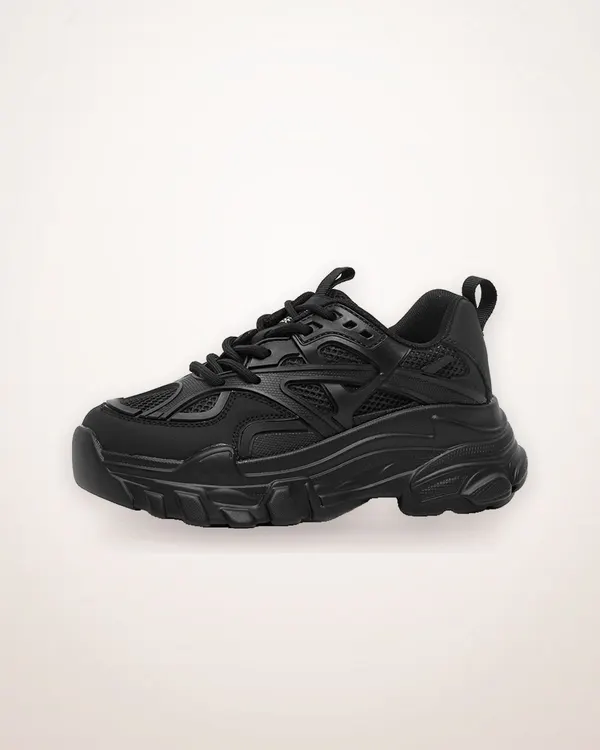
A chunky sole balances knitwear and a longer coat. Wear it with denim, a wool skirt or wide-leg trousers, and keep the colours grounded: black, brown, caramel, beige or a soft blush pink. A high-top pairs well with slim trousers or a midi dress, with the high collar sitting close to the ankle.
For a smarter day, a leather sneaker in caramel or smooth black works with tailoring. Keep the rest of the outfit simple so the shape of the shoe reads clearly. If the pavement is wet, choose the pair with the deeper tread and leave the lighter mesh styles for dry, milder days.
Care and storage
Deal with marks before they set. Brush dried mud off leather and cowhide with a soft brush, then wipe the upper with a barely damp cloth. Do not scrub plush or fleece lining. Blot it instead and let it air.
Dry wet shoes at room temperature, away from radiators and direct heat. Stuff the toes with newspaper or plain paper to hold the shape, and loosen the laces so the opening can breathe. A pair needs a full day to dry between wears, especially if the lining is thick.
Store them side by side, not stacked, so the soles and uppers keep their shape. Keep them out of direct sun and away from damp cupboards. A breathable cotton bag is better than a sealed plastic box for anything that might still hold moisture.
Standout pieces
- Thick-Soled Plush-Lined Winter Sneakers: A teddy-velvet lining and a thick sole make this split cowhide pair a sensible choice for cold pavements.
- Leather-Stitch Plush High-Top Sneakers: A faux-plush lining wraps the ankle and the flat rubber sole keeps the stride level on long walks.
- Fleece-Lined Chunky Sneakers: Fleece lines these lace-up sneakers from toe to heel, and the chunky PVC sole lifts you clear of cold ground.
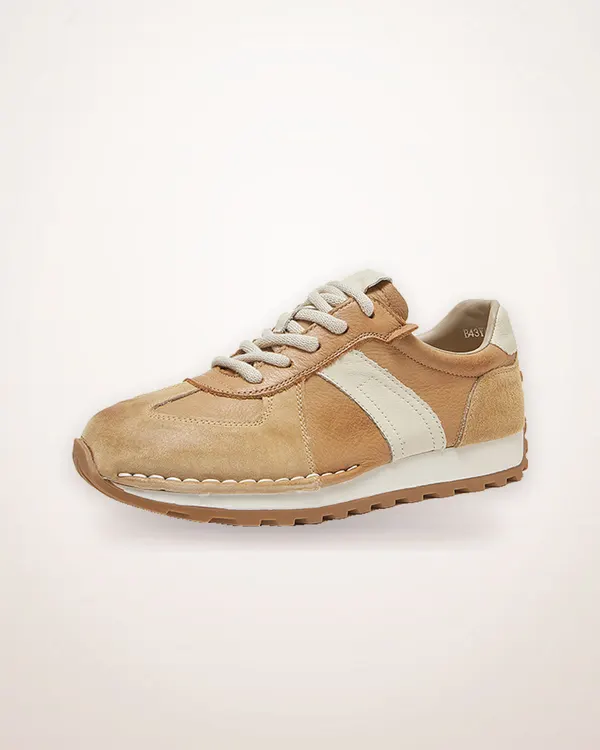
- Retro Leather Platform Sneakers: Smooth cow leather, a low platform sole and a soft pigskin insole give this retro pair a little lift underfoot.
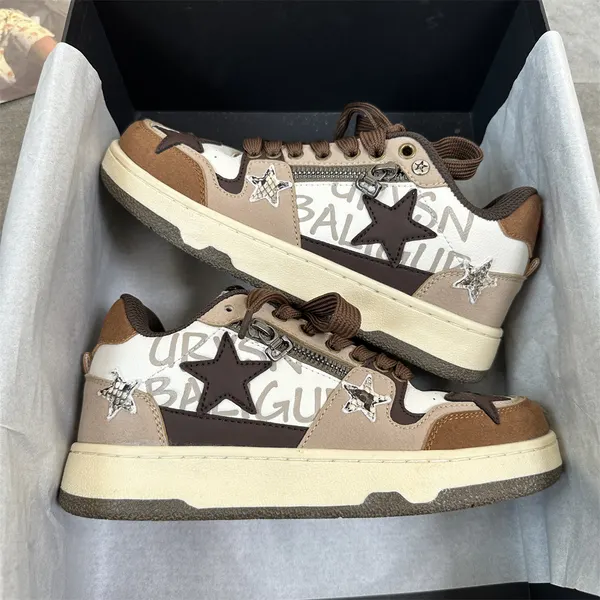
- Chunky Sole Side-Zip Sneakers: A 3 cm platform sole softens each step and the side zip slips on quickly, with padded lining around the foot.
More sneakers for winter
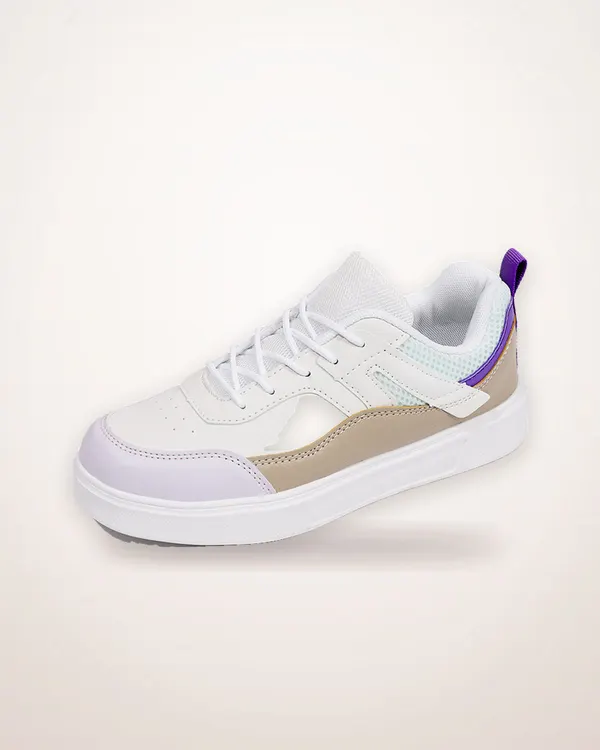
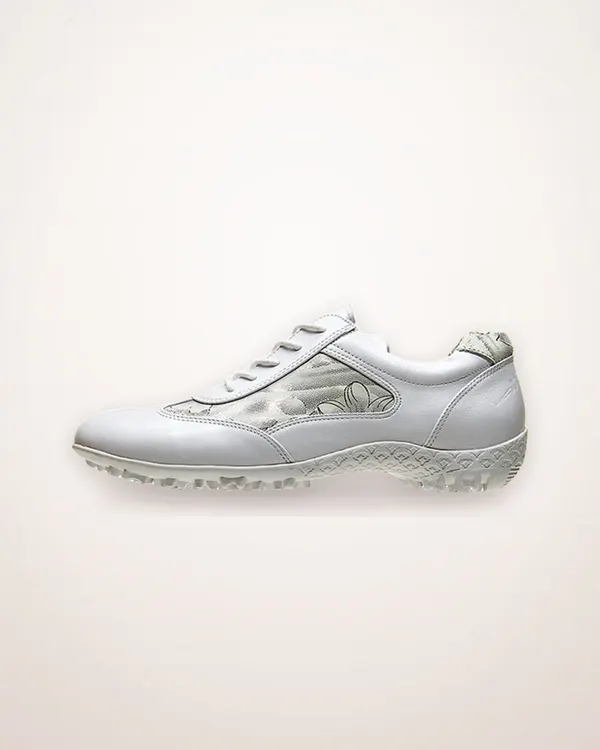
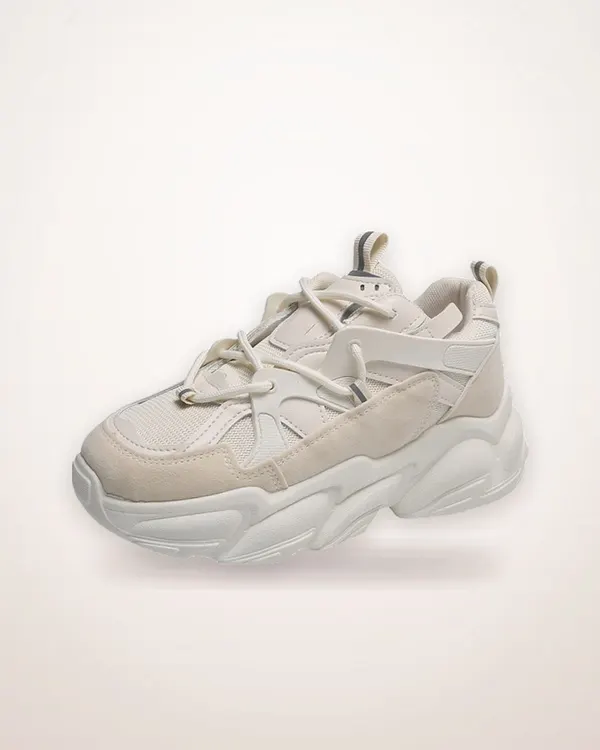
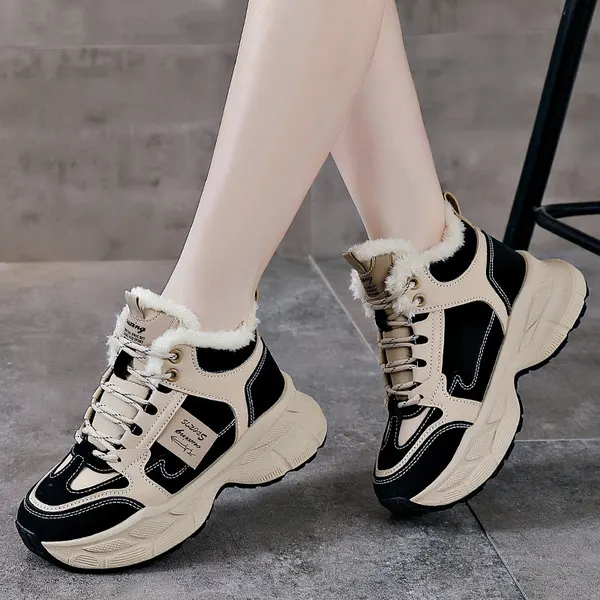

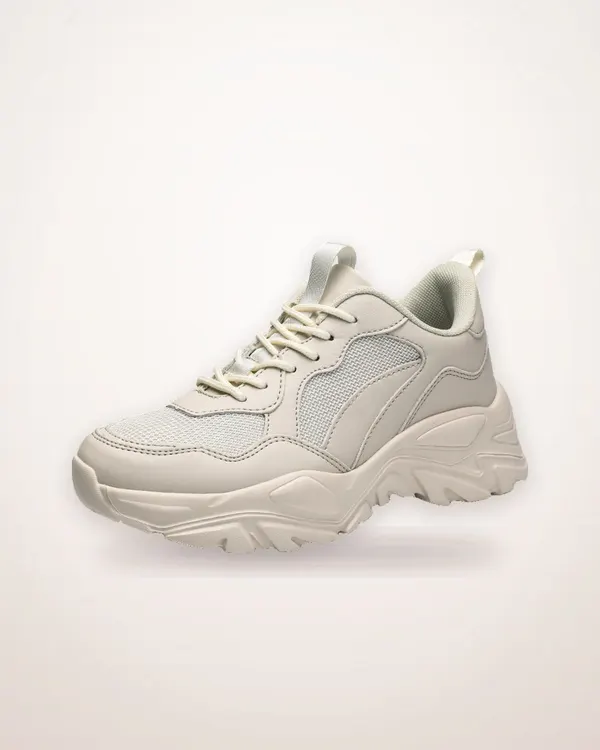
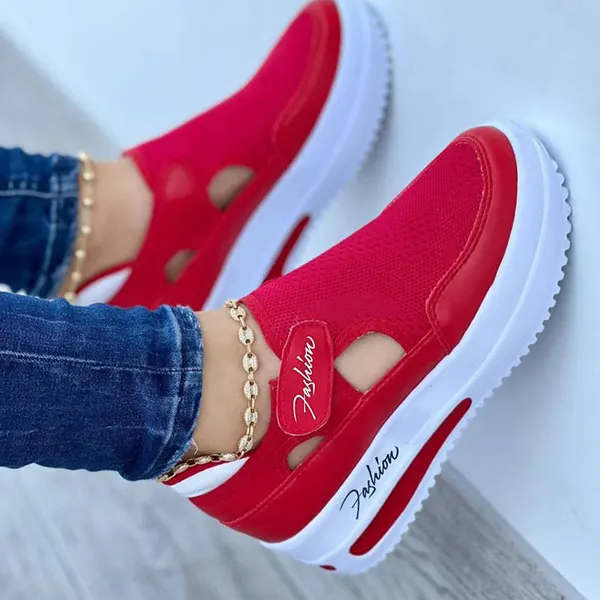
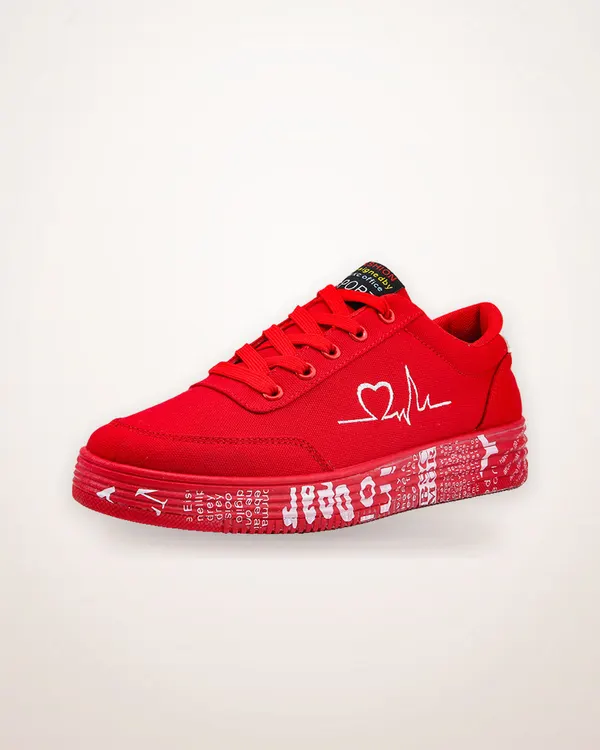
Questions
Do winter sneakers need a thick sole?
A thicker sole helps on cold, wet pavements because it lifts the foot away from the ground. It also adds cushioning if you stand or walk for long stretches. A low platform or a 3 cm sole is enough for most days.
What should I wear with winter sneakers?
Straight-leg jeans, tailored trousers and midi skirts all work well. Keep the hem cropped or ankle length so the shoe has room, and choose a sock that sits close to the ankle.
How do I care for a plush lining?
Let the shoes air after each wear and blot any damp lining with a dry cloth. Do not put them on a radiator, as direct heat can stiffen the lining. Stuff the toes with paper to hold the shape while they dry.