


Midi dresses under $20
How to choose a midi dress at a gentle price: the shapes, fabrics and details worth checking, plus five pieces to start with.
At a glance
- Prices today
- $10.99 to $17.99
- Colours
- black, blue, green, red, white, pink, brown, orange, rose, purple, khaki, navy
- Materials
- polyester, cotton, lace, linen, velvet, knit
- Details
- zip, button, lace-up, lightweight
Shop midi dresses under $20
How to choose midi dresses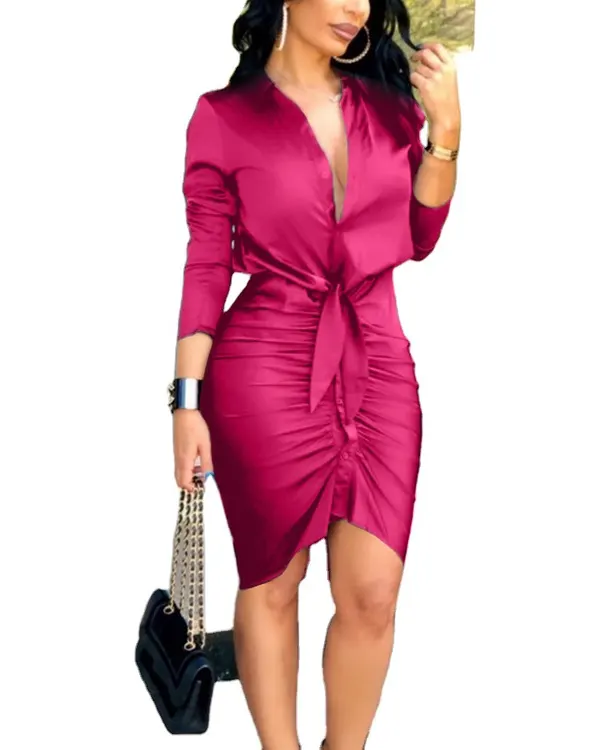
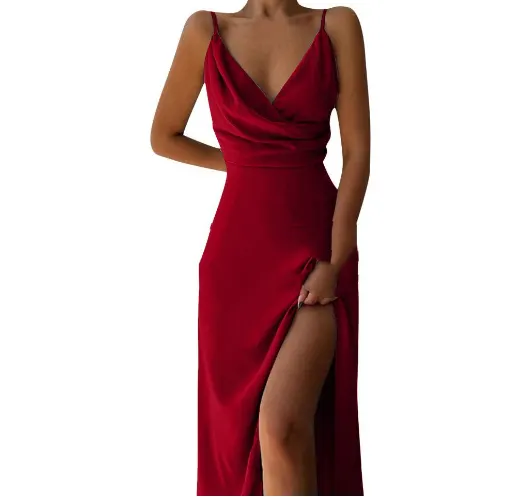
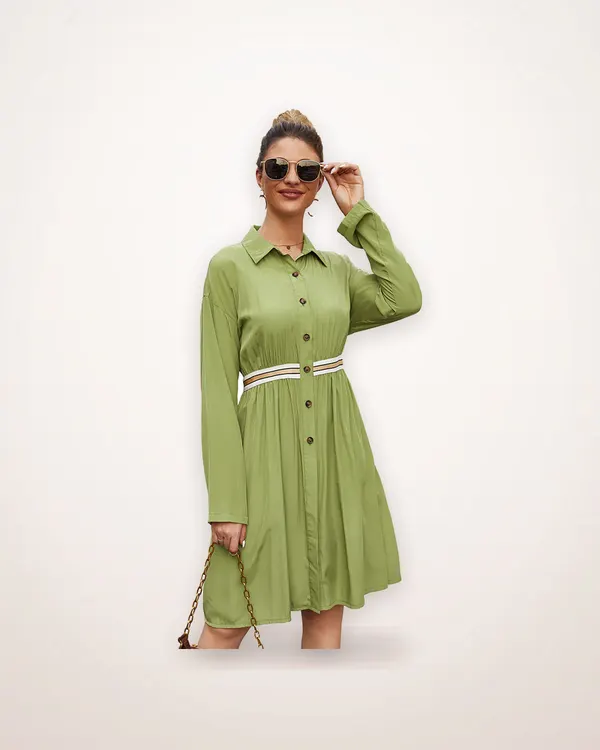
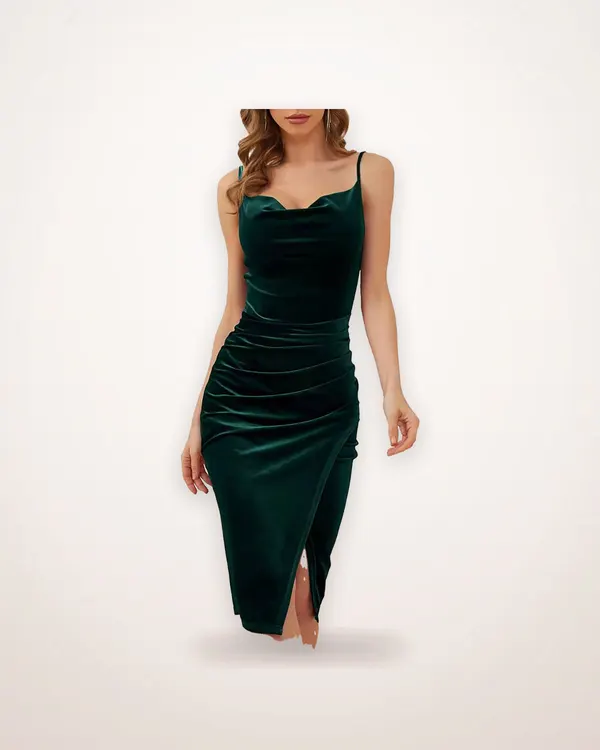
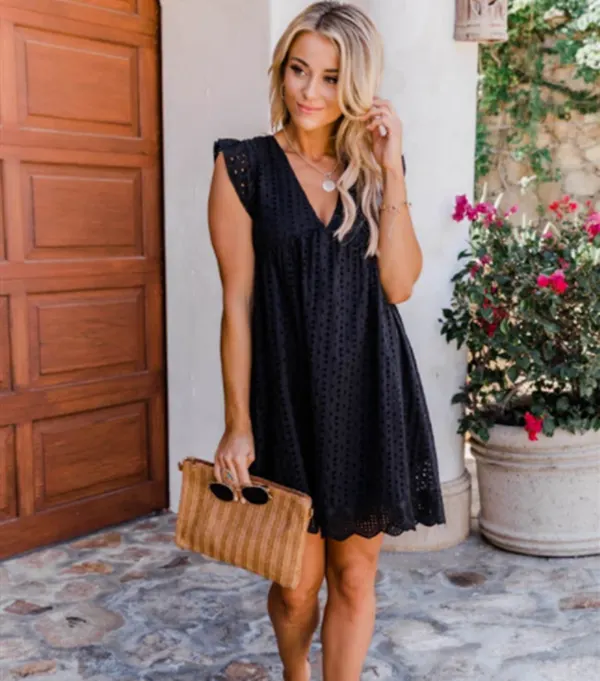
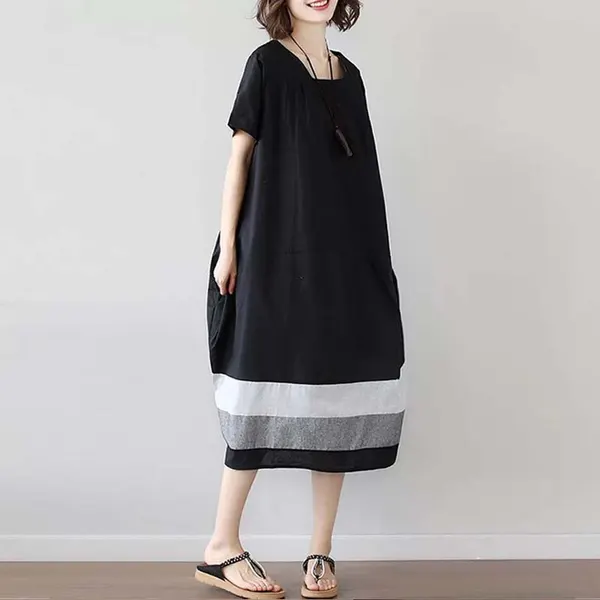
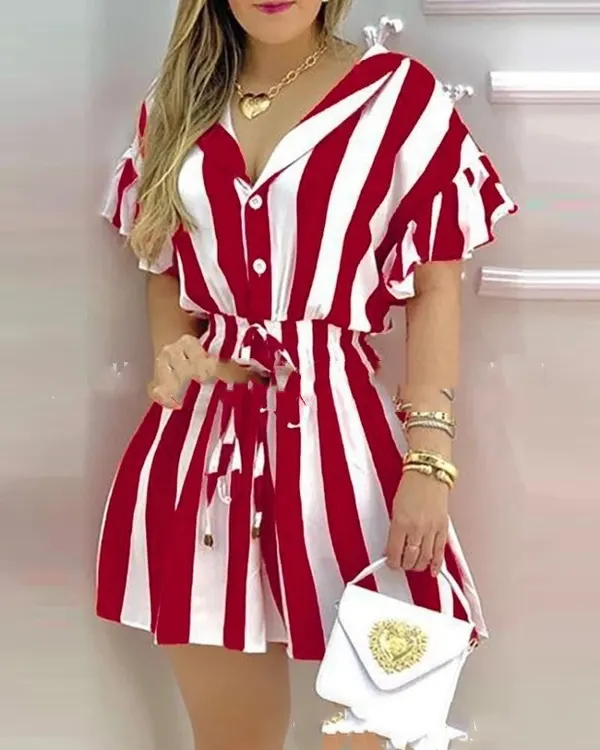
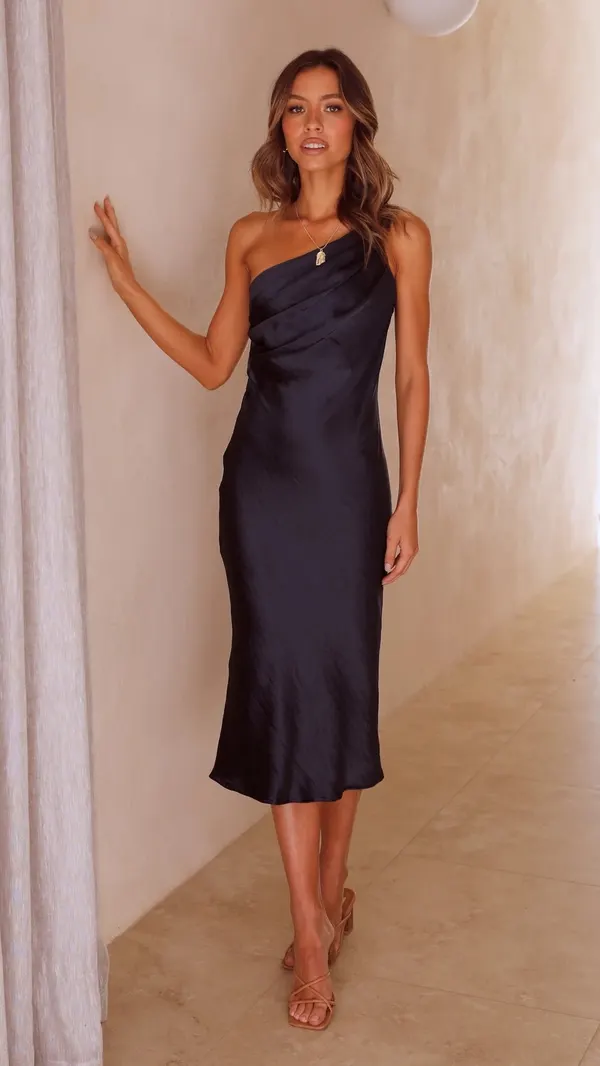


What to look for in midi dresses at this price
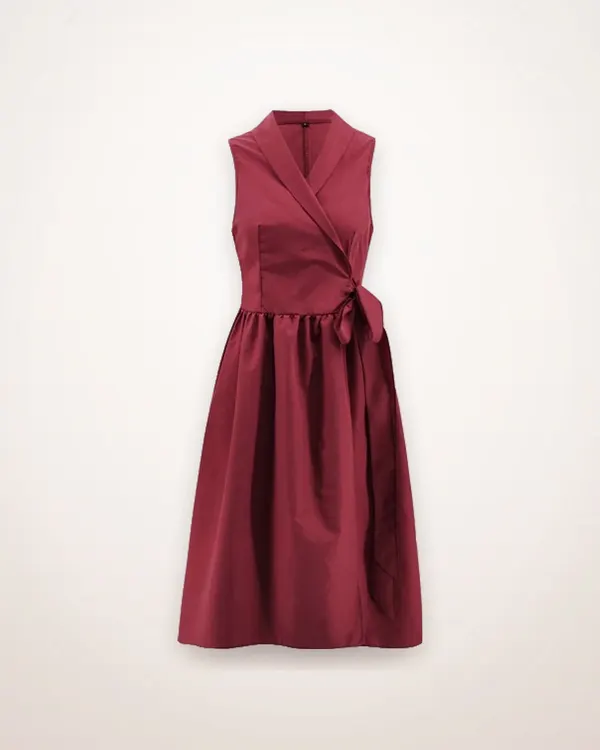
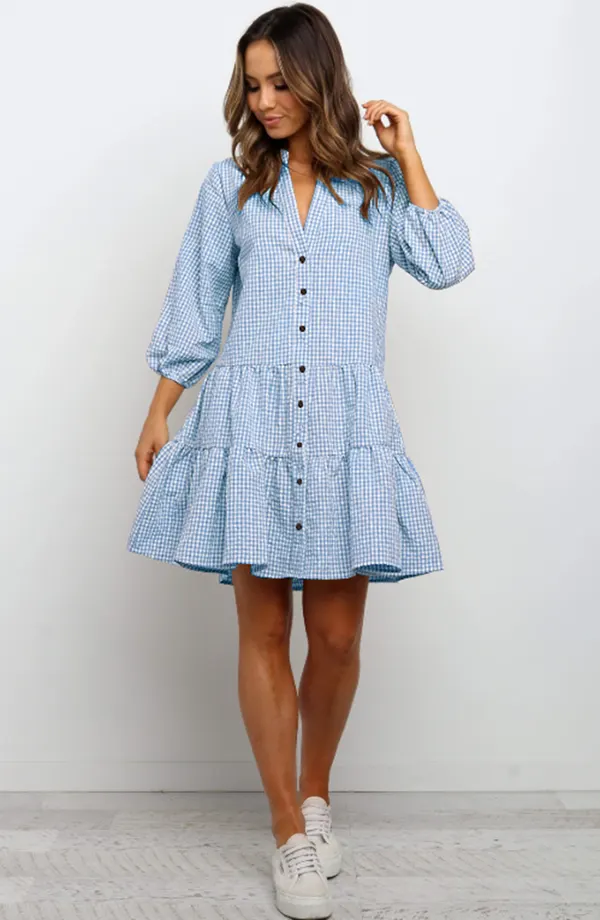
Midi is a length, not a shape. The hem lands somewhere between the knee and the ankle, most often mid calf, which is why it suits a working day and a dinner afterwards. What changes the look is where the waist sits: a seam at the natural waist with a flared skirt reads relaxed, while a mid waist with a straighter skirt reads sharper.
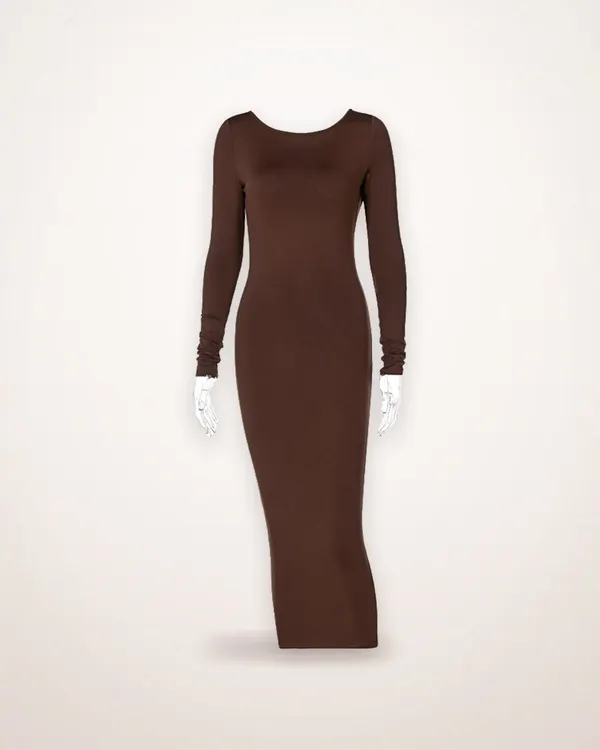
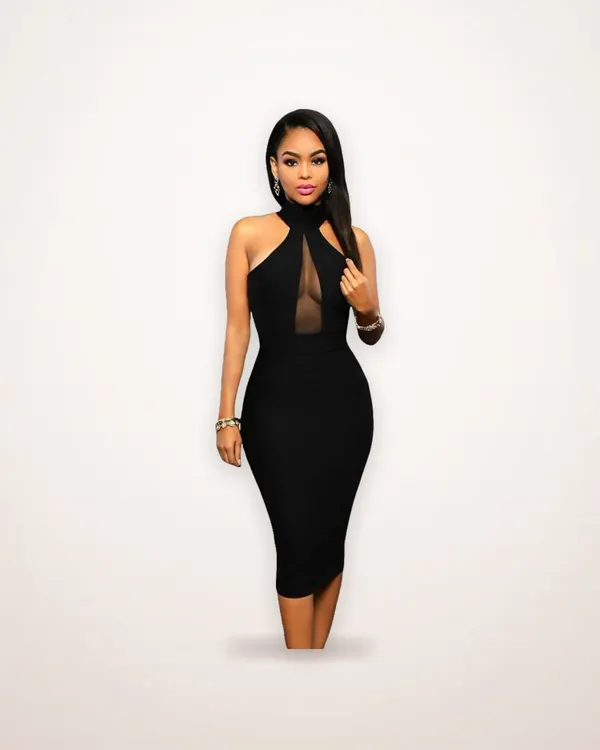
Look at the skirt line next. An A-line falls away from the hip and skims, which flatters most frames and moves well in warm weather. A pencil line stays close through the waist and hip, so it shows the shape and the measurements need to be right. Slip dresses sit close too, with narrow straps and a bare shoulder, and they layer well under a knit or a jacket.
Sizing matters more than usual. Several of our midi dresses run small, so compare your bust and waist against the size chart before choosing, and take the larger size if you fall between two. The pencil styles sit one to two sizes below EU and US equivalents. Think about length too, and check the hem against the shoes you plan to wear, since a midi can read long on a shorter frame.
Materials and details worth checking
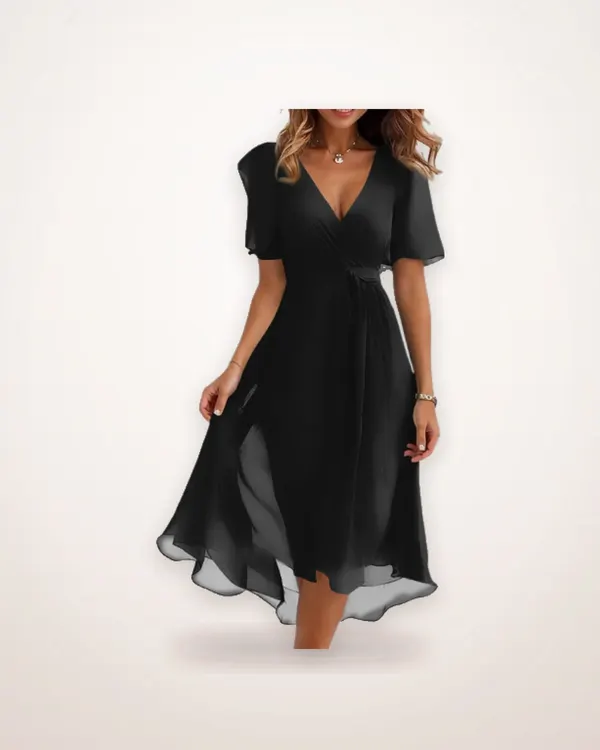
Polyester does a lot of the work in this range. It holds colour evenly and falls straight rather than clinging, which is why the polo collar A-line and the lace-up shirt dress both keep such a clean, upright line.
Cotton and linen bring texture. The jacquard lace cutout dress is a 65% cotton and 35% polyester weave with a subtle raised pattern, and the cotton keeps it breathable for hot days. The linen-blend midi has a dry, matte surface and enough weight to hold its shape. The vintage print dress uses stretch cotton with a zip, which gives a little movement through a long day.
For evenings, velvet. The pleated velvet slip is made from Korean velvet, a close, dense pile that holds colour deeply, so the darker shades look saturated. Elsewhere, check the fastenings: a zip keeps the front or back neat, and a lace-up lets you set the fit closer or looser. Colours across the range run from black and white through green, blue, orange, rose and purple, so there is room to build around what you already own.
How to wear them
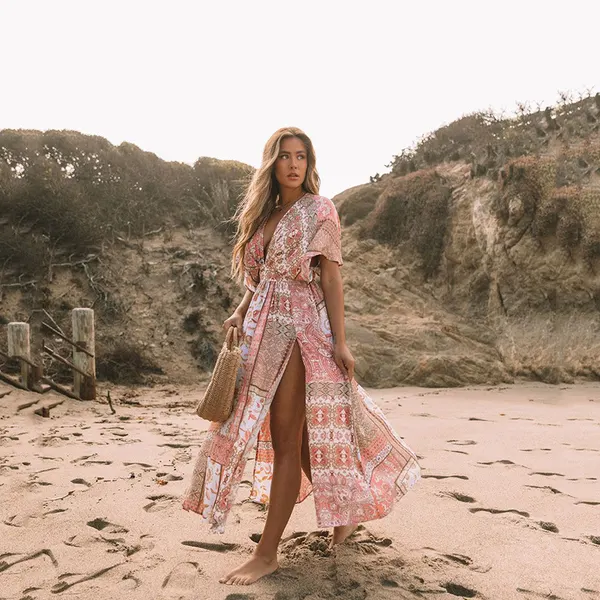
Start with shoes, because they set the length. A slit or an uneven hem looks easy with a flat sandal or a low mule. A pencil or belted shape carries a pointed flat or a block heel for a day at a desk, and the same dress takes a higher heel in the evening. If the hem falls mid calf on you, a shoe with some definition at the toe keeps the line from looking heavy.
Layering stretches the season. A slip dress over a fine roll neck, or under a boxy jacket, takes it into cooler weather. A sleeveless A-line works under a cardigan left open, and the linen-blend midi takes a denim jacket without fuss.
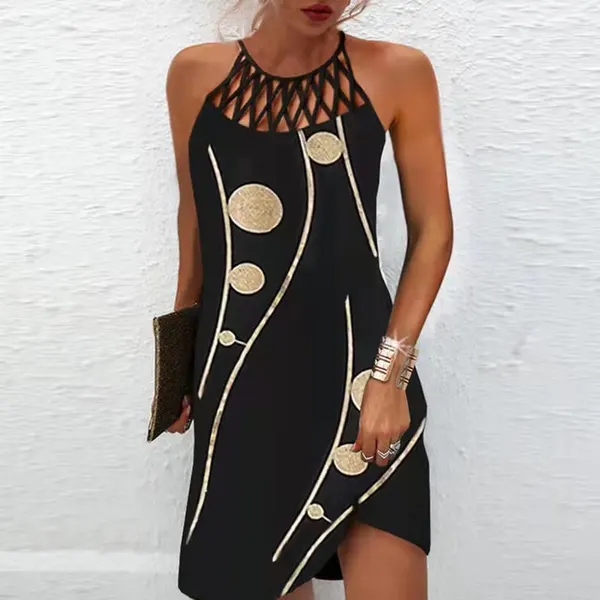
Accessories should follow the neckline. Strap shoulders leave room for a fine chain or a pair of small hoops, while a V-neck takes a pendant. If the dress already has a bow, a belt or a lace-up at the waist, keep the rest quiet and let that detail carry the look. A bag that sits on the shoulder or at the hip is easier than a clutch for a long day.
Care and storage
Check the care label on each piece first, since it overrides any general advice. As a rule, polyester washes cool and hangs to dry without much fuss, and turning a printed dress inside out before washing helps the colour stay even.
Linen and cotton soften with washing. A cool wash and a press while the cloth is still slightly damp smooths the weave. Velvet is different: steam it rather than pressing it flat, because a hot iron crushes the pile. Hang velvet on a padded hanger with space around it and let it air after wearing before it goes back in the wardrobe.
Store dresses on hangers that support the shoulders, especially slip styles with narrow straps, which can stretch if they hang from a thin wire. Fold knits and anything heavy. Keep everything out of direct sun, since colour fades over time, and give a dress a day to rest between wears so the fabric recovers its shape.
Standout pieces
- Lace-Up Long Sleeve Midi Shirt Dress: A lapel collar and single-breasted placket keep the line tailored, and the lace-up detail through the waist softens it for late evenings.
- Polo Collar A-Line Midi Dress: An elastic waist sits at the natural line and the A-line skirt falls to mid length in smooth polyester, which makes it easy from desk to dinner.
- Jacquard Lace Cutout Midi Dress with Pockets: The 65% cotton and 35% polyester jacquard has a subtle raised pattern, and the lace cutouts and pockets suit long summer days.
- Pleated Velvet Slip Midi Dress: A pleated panel down the front draws a soft sheen from the Korean velvet, and the side slit lets the midi hem swing as you walk.
- Linen-Blend Short Sleeve Midi Dress: Black linen is cut to skim rather than cling, and the spliced panel detail gives a plain dress a quiet point of difference.
More midi dresses under $20

Questions
How do I know which size to choose in a midi dress?
Check your bust and waist measurements against the size chart before you order. Several of our midi dresses run small, and the pencil styles sit one to two sizes below EU and US equivalents, so take the larger size if you fall between two.
What shoes work with a midi dress?
Match the shoe to the hem and the line. A slit or uneven hem looks easy with a flat sandal, while a pencil or belted shape carries a pointed flat or a block heel. Try the shoes on with the dress before you settle on a length.
How should I care for a velvet or linen midi dress?
Steam velvet rather than pressing it, and hang it on a padded hanger with room around it. Linen and cotton can take a cool wash, and pressing them while slightly damp smooths the weave. Always check the care label on the piece itself first.