


Midi dresses for work
A practical guide to choosing midi dresses for work, with fit, styling and care notes for the pieces in our collection.
At a glance
- Prices today
- $13.99 to $47.99
- Colours
- black, green, blue, red, pink, khaki, burgundy, yellow
- Materials
- polyester, lace
- Details
- zip, stretch, belted, lace-up
Shop midi dresses for work
How to choose midi dresses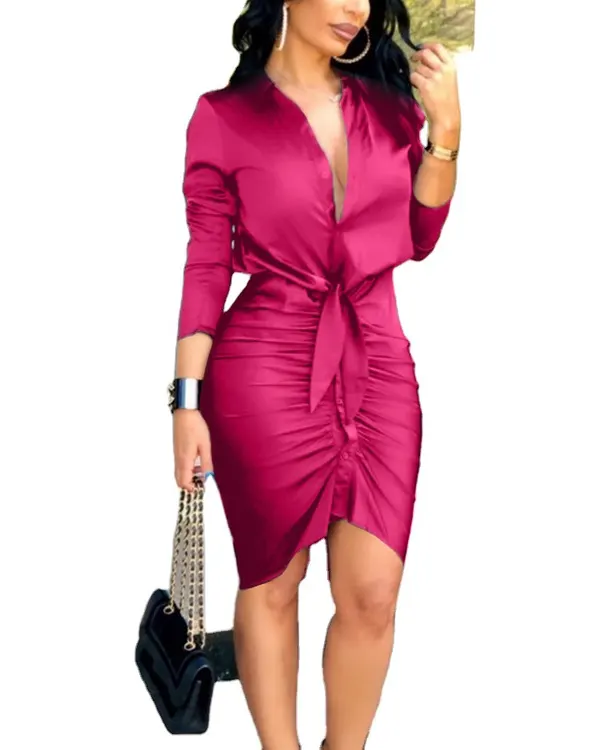
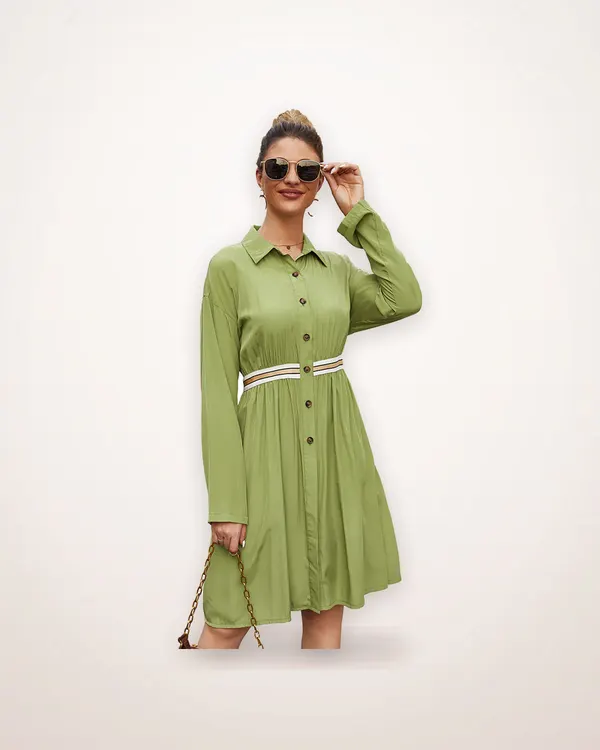
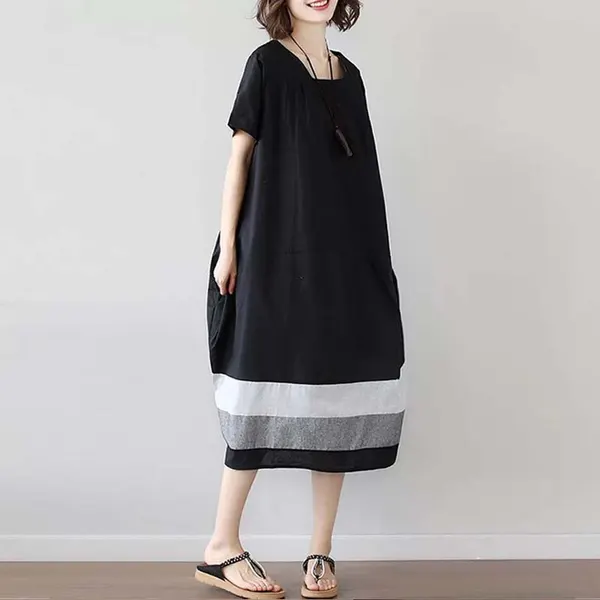
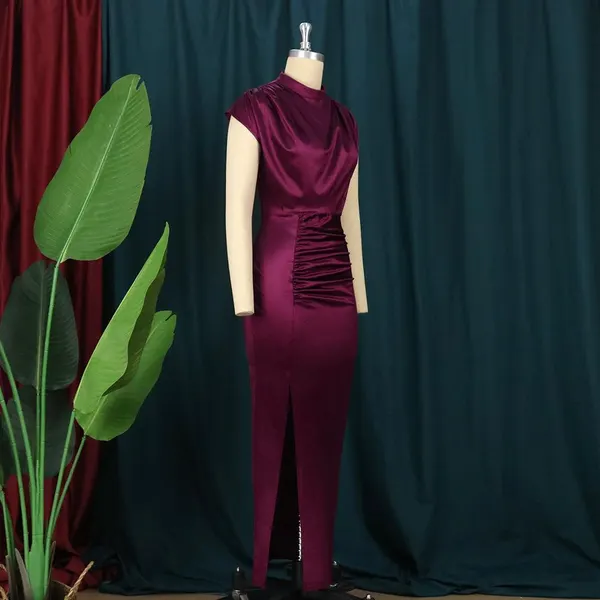
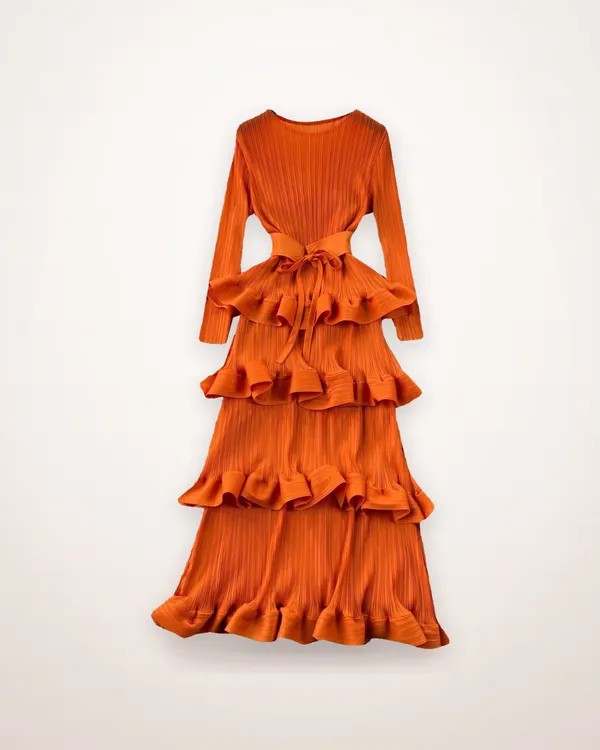
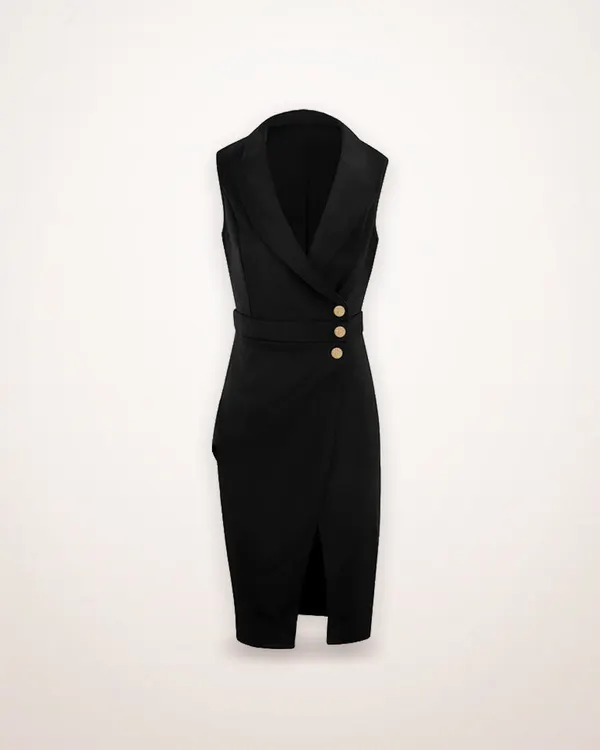
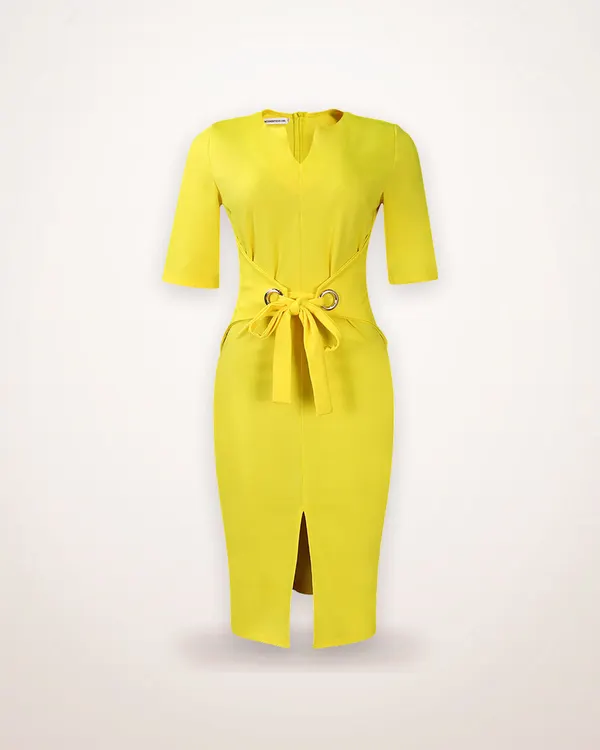
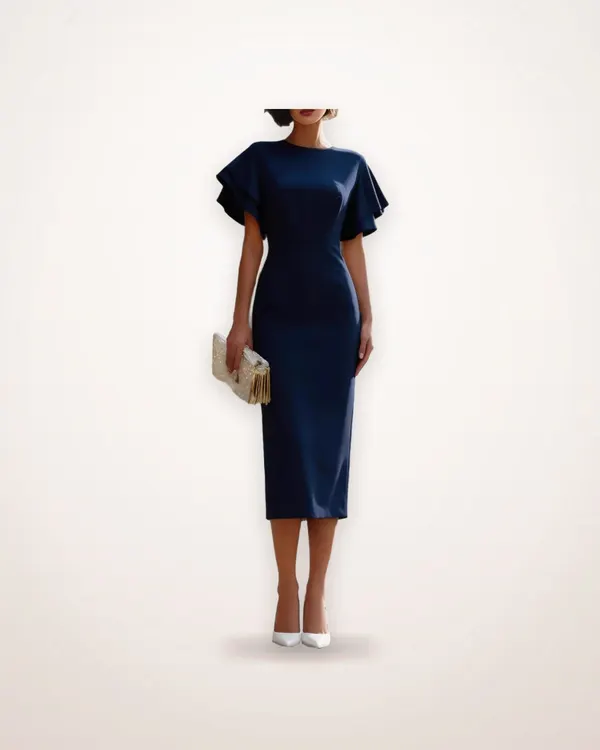
What makes midi dresses right for work
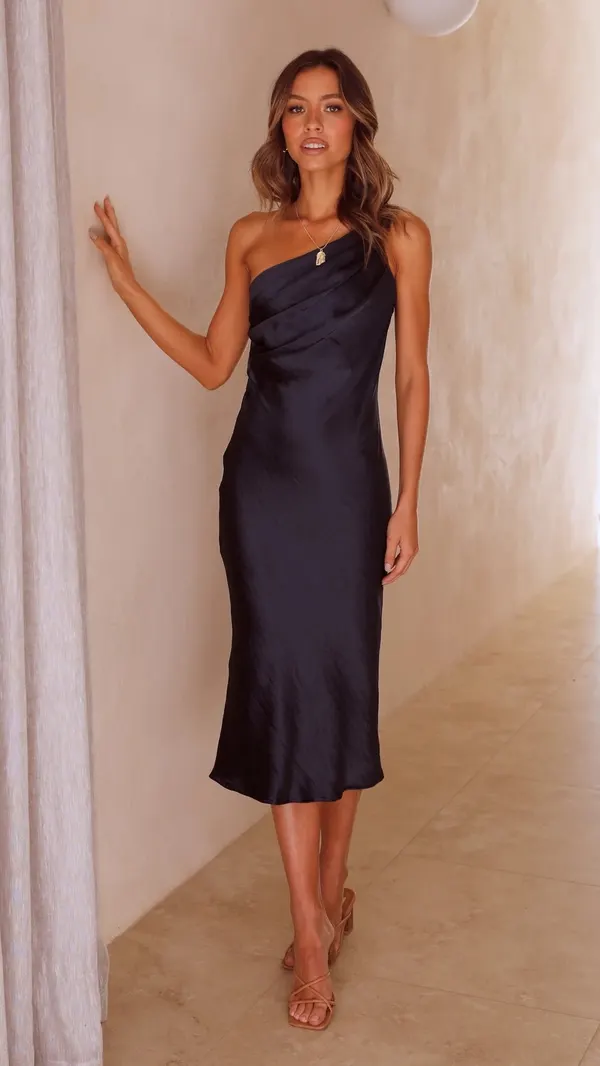
A midi dress covers the knee and leaves the lower leg free, which helps on a day of sitting, standing and moving between rooms. The hem is long enough for a formal office and short enough to walk and climb stairs without holding the skirt. It also takes layers well: a blazer, a fine cardigan or a tailored coat changes the warmth without changing the line.
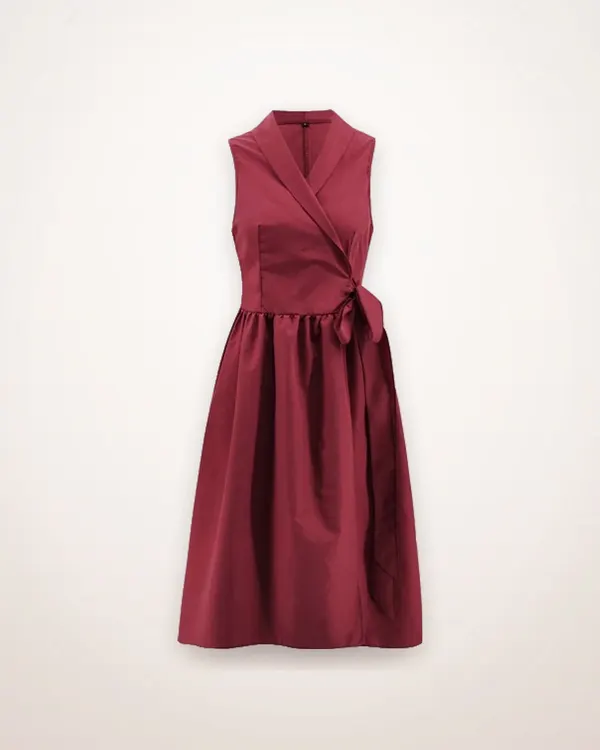
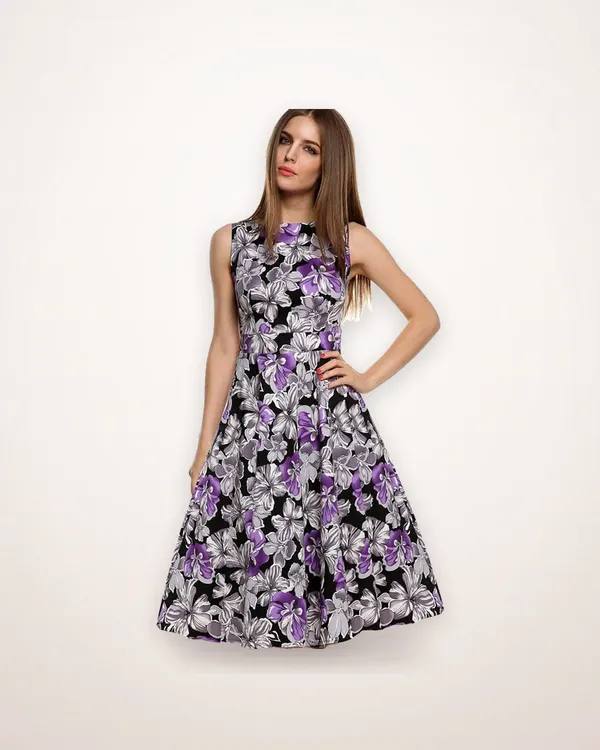
The shape matters more than the length. A line that skims through the waist and hip is easier to wear at a desk than one that grips. Our midi pieces include belted shapes, A-line skirts, pencil lines and high-waist pleats. Sleeves run from sleeveless to long sleeve, and zip, stretch, belted and lace-up details help with fit and finish.
Colour does a lot of the work. Black and khaki feel quiet with tailoring, while green, blue, red, pink and yellow can carry a plain jacket. A print is useful when you want one piece to do more. Pick a line you can sit in for hours, then build the rest around your usual shoes and bag.
How to choose
Start with measurements, not the label. Compare your bust and waist with the size chart and with a dress you already wear well. Several of our cuts run small, and the pencil line sits close through the waist and hip, so check before you choose. If you fall between two sizes, size up.
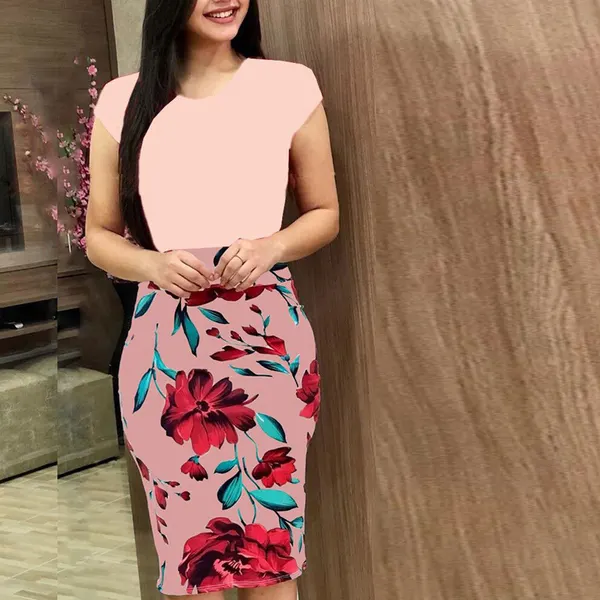
Think about the line through the body. A belted shape lets you set the waist, while an A-line skirt falls away from the hip. A pencil dress gives a closer line and needs more room through the hip when you sit. One of our styles is one size with a relaxed line through the waist and hip, so it sits loosely on most frames.
Consider your working day. Long sleeves suit air-conditioned rooms, while sleeveless shapes leave room for a blazer. A polo collar or lapel gives a neat neckline for meetings. Lace-up details can be set closer or more relaxed, which helps if you want a defined waist without a belt. Check the hem against the shoes you wear most.
How to wear them
For a normal office day, keep the layers simple. A structured blazer over a sleeveless or short sleeve midi gives a clean shoulder line. A fine knit cardigan is softer and easier to fold into a bag. If the dress has a belt, use it to settle the waist. If it has a lace-up back, keep the front plain and let the detail show when you turn.
Shoes change the mood more than anything else. Closed toe flats, loafers or low heels keep a midi hem neat for commuting and meetings. Heeled boots work with a pleated or A-line skirt in cooler weather. For dinner after work, change to sandals or a sharper heel and add a necklace.
Jewellery should follow the neckline. A polo collar, lapel or straight neckline can take a short chain or small earrings. Strap shoulders leave room for a fine necklace. Three-quarter sleeves keep the wrist bare, which suits a watch or a thin bracelet. If the print is busy, stop there. If the dress is black or khaki, you can add more.
Care and storage
Read the care label inside your dress before you wash it. Polyester and stretch fabrics usually wash cool and hang to dry, while a linen blend may need a cool iron on the reverse. Lace needs more care: use a mesh bag on a gentle cycle or wash it by hand, and keep it away from hooks or sharp edges.
Close zips and fasten lace-up details before washing or hanging. That keeps the line neat and stops the details catching on other clothes. Turn the dress inside out for washing, and reshape the waist and skirt while it is damp. Hang pleated styles with room below so the pleats can fall straight.
For storage, use a hanger that supports the shoulders. A padded hanger is kinder to a tailored lapel or a polo collar. Keep lace and pleats away from rough coat hooks and heavy bags. If you fold a dress for travel, roll it around tissue paper rather than pressing a hard crease into the waist. Let the piece rest before wearing it again.
Standout pieces
- Polo Collar A-Line Midi Dress: A polo collar and single-breasted placket give a neat neckline, while the elastic waist and A-line skirt keep the line easy through a long day.
- Printed Midi Pencil Dress: The pencil line sits close through the waist and hip, and the print gives the silhouette a less formal feel for a working day that runs into dinner.
- Back Lace-Up A-Line Midi Dress: A clean A-line skirt falls from a mid waist, and the back lace-up lets you set the fit closer or more relaxed.
- Belted Sleeveless Midi Dress: A matching belt settles the waist on a sleeveless midi, and the smooth fibre weave skims the frame before the skirt falls to a midi hem.
- Pleated High-Waist Midi Dress: Fine pleats fall from a high waist in a fluid line, and the stretch fabric skims close without gripping.
Questions
What length is a midi dress for work?
A midi hem falls to mid length, below the knee and above the ankle. Check the measurements on the piece you are considering if you want the hem to sit at a certain point.
How do I choose the right size in a midi dress?
Compare your bust and waist with the size chart and with a dress you already wear well. Several of our cuts run small, so size up if you fall between two sizes.
How can I make a midi dress work for a formal office?
Choose a solid colour, add a blazer and keep the shoes closed. A pencil, belted or A-line shape gives a neat line for meetings, and simple jewellery finishes it.