


Foundations under $10
A practical guide to choosing a foundation within the cap shown on this page, from natural and matte finishes to waterproof and oil-control formulas.
At a glance
- Prices today
- $3.99 to $9.99
- Colours
- ivory, white, cream
- Ingredients you will see
- titanium dioxide, glycerin
- Formats and finishes
- liquid, natural finish, cream, stick, powder, matte
- Details
- lightweight, buildable, portable, waterproof, breathable
Shop foundations under $10
How to choose foundations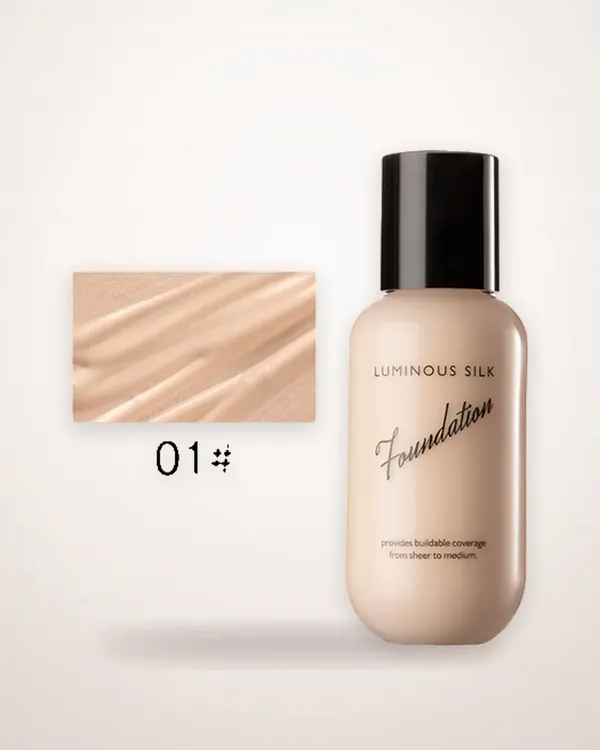
What to look for in foundations at this price
On this page, the bases are gathered under a set cap. The useful question is how each formula behaves on your skin, not how many options sit in front of you.
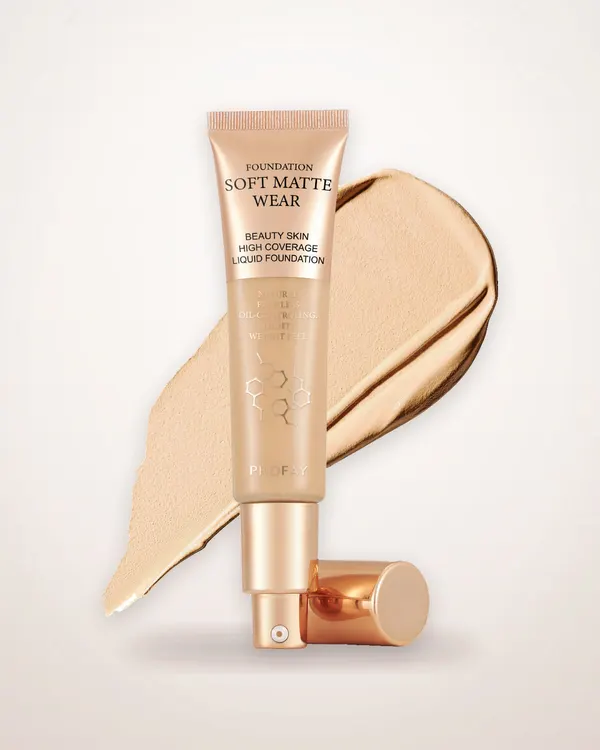
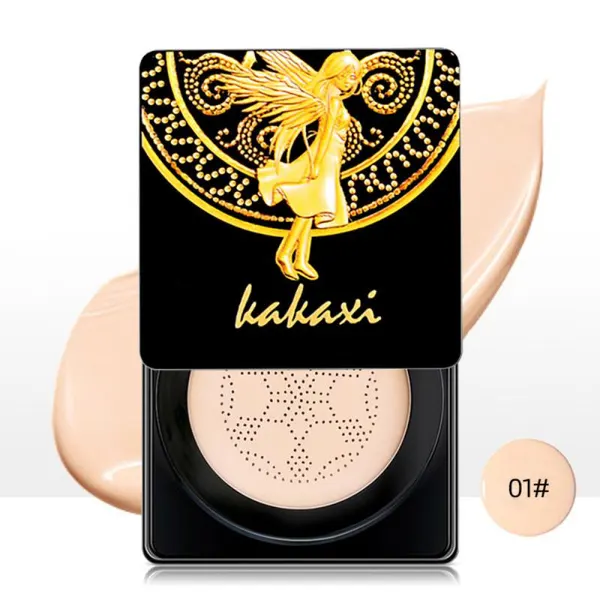
Start with coverage and finish. A fluid that settles to a natural finish is the easiest place to begin if you want skin to read as skin. A matte formula suits anyone who sees shine early and likes a drier surface. A cream or cushion texture is good if you prefer to press product in with a puff or your fingers.
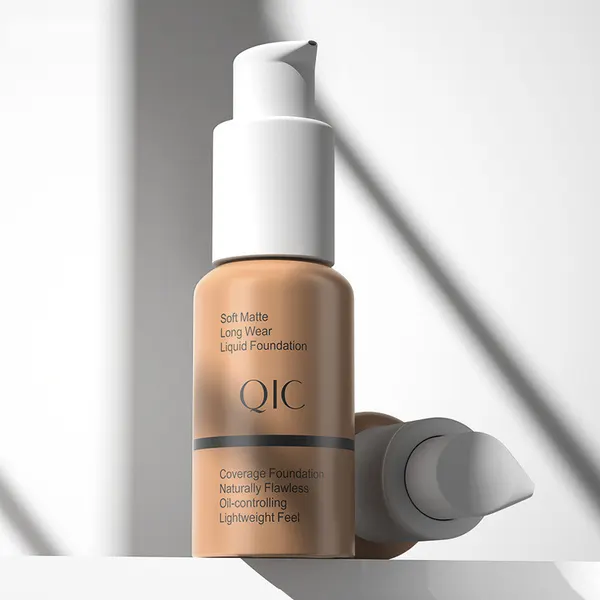
Then think about wear. Some pieces here are described as waterproof, and some are built around oil control. If your day includes heat, rain or a long commute, those details matter more than a long list of extras. If skin feels dry, look for a moisturising formula and a finish that stays comfortable.
Formulas, finishes and shades
The formulas in this edit include fluids, creams and a cushion compact. Finishes move from natural to matte, and some pieces are described as waterproof or oil controlling. Ingredients listed across the pieces include titanium dioxide and glycerin.
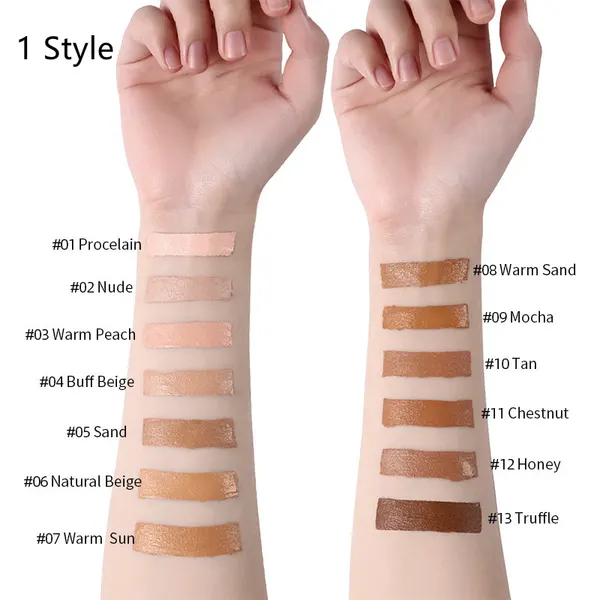
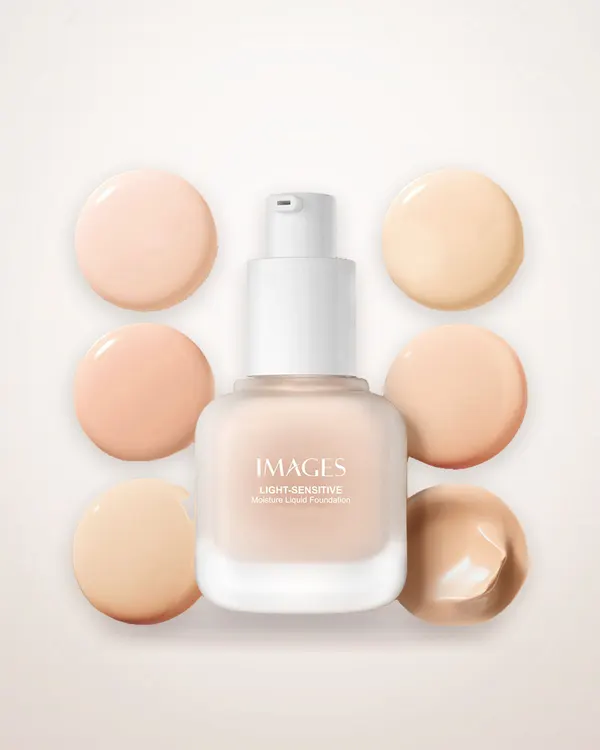
Shade names across the pieces include ivory, white, cream, brown and pink. One waterproof liquid concealer foundation comes in numbered shades, and Natural Ivory appears on a creamy waterproof liquid. If you are between two shades, test along the jaw in daylight rather than on the back of the hand, which often reads differently.
Think about the job you want the base to do. A BB cream or tinted fluid is good for a light veil on days when skin feels dry. A full-coverage fluid is better when you want to even tone and conceal shadows. A concealer foundation can save a step if you want one product for both tasks.
How to apply them
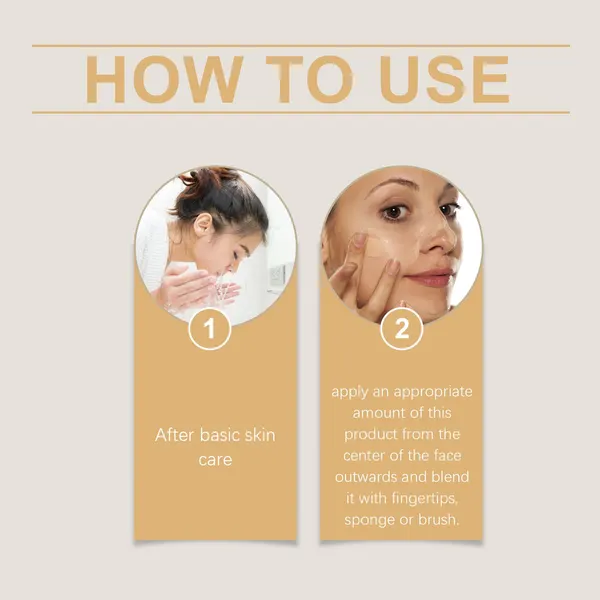
Begin with clean, moisturised skin. Shake a liquid bottle well before use, then tip a small amount onto the back of your hand. Warm it there for a moment before you dot it on.
Dot a small amount over the face and blend with fingers or a damp sponge, adding more only where you want extra evenness. For a cream or cushion texture, warm a small amount in the palm until it thickens, then press and blend over the face or body. A brush works well for buffing a fuller coverage liquid into the skin.
Build in thin layers. Start sheer and add a second pass only where redness or uneven tone shows. If you use an oil-control base, keep the rest of your routine light so the finish does not look flat. Set only where you need it, such as the sides of the nose or the chin.
Hygiene, storage and shelf life
Keep the cap or compact closed when not in use. Store bottles and compacts away from direct sun and heat, and keep them out of a steamy bathroom if you can. A cool, dry drawer is kinder to the formula.
Clean your hands before you dip into a pot or press a cushion. Wash sponges and puffs regularly with a gentle soap and let them dry fully. If a sponge starts to smell or feels stiff, replace it.
Note the period after opening on the pack and follow it. If the texture changes, the colour separates or the smell shifts, stop using it. If a product irritates your skin, set it aside and speak to a pharmacist or doctor.
Standout pieces
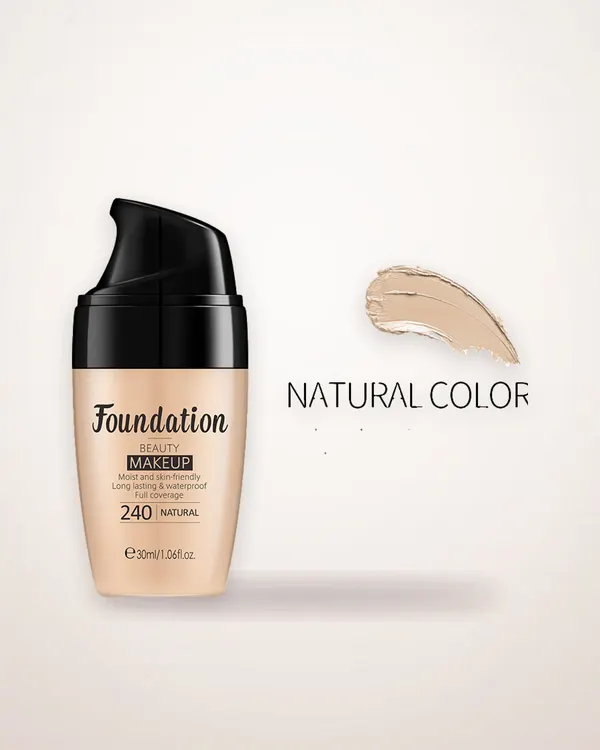
- Long-Wear Face and Body Foundation: A fluid face and body formula that warms in the palm, blends to a thin natural finish and is described as waterproof for long days.
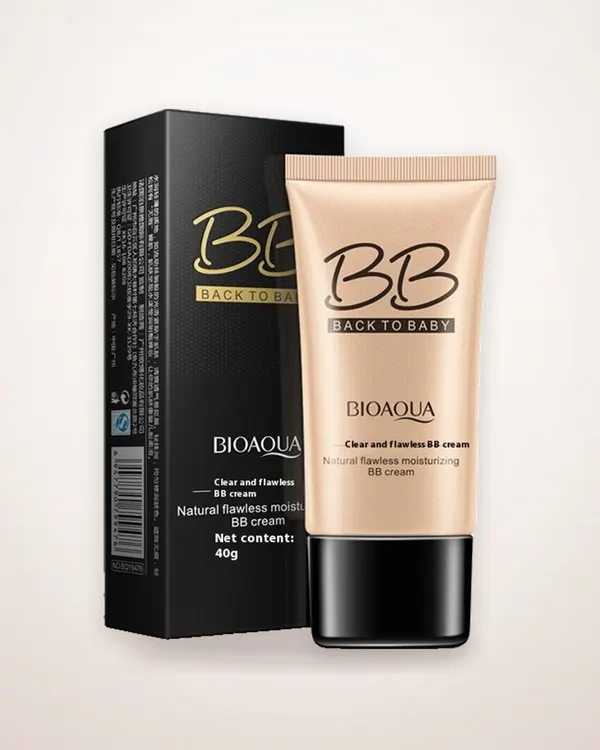
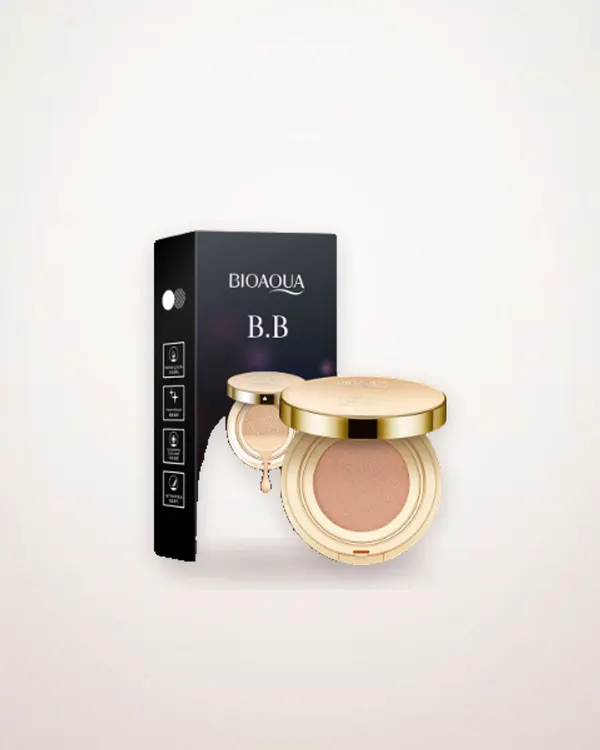
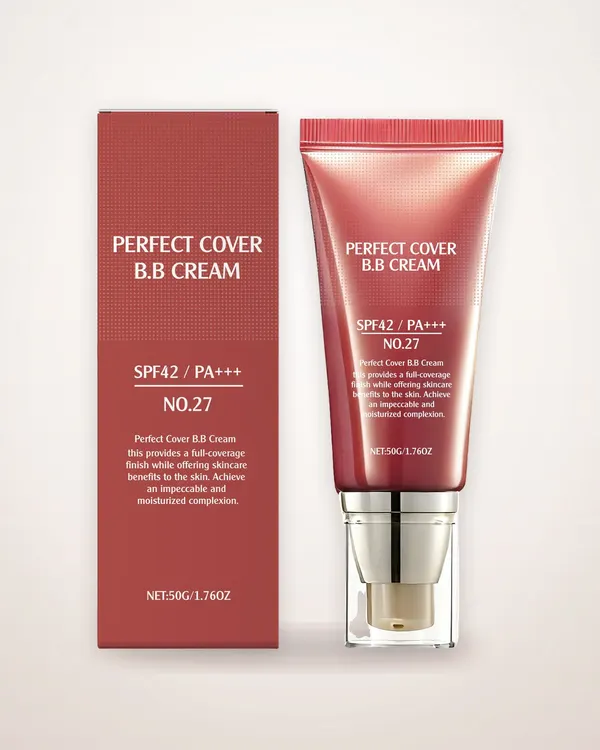
- Moisturizing BB Cream Foundation: A breathable BB cream with a fresh, moist finish that softens the look of spots without weighing skin down.
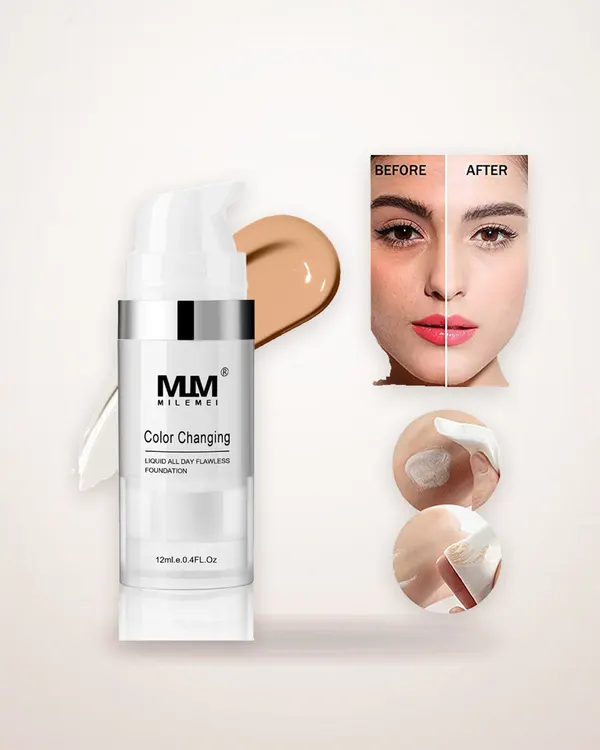
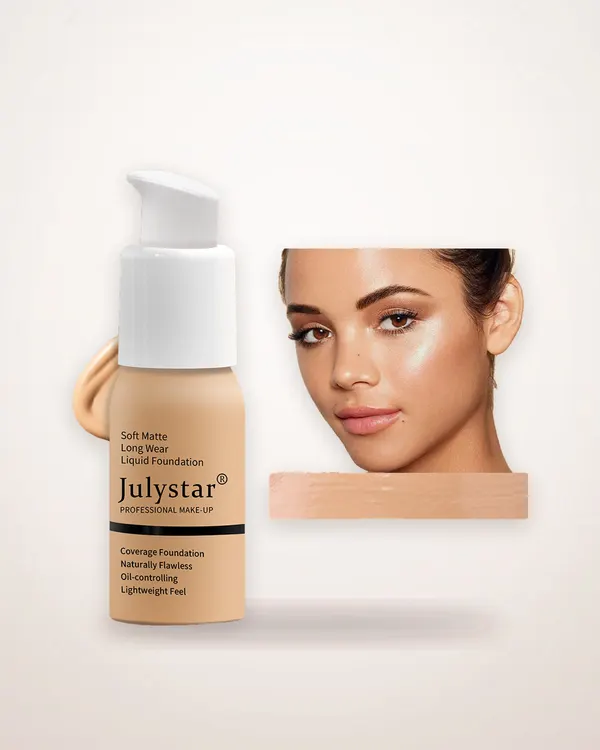
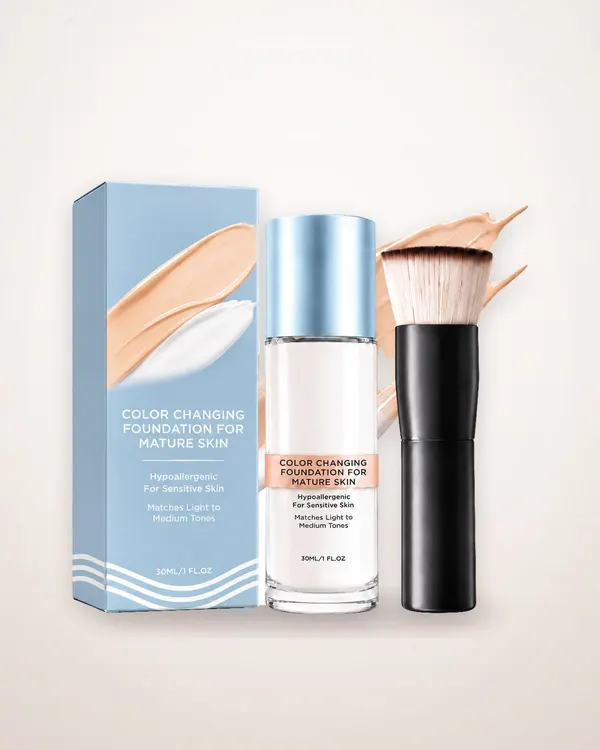
- Warm Skin Tone Liquid Foundation: A lightweight, fragrance-free liquid that shifts as you blend and settles into a warm, even tone with a soft sheen.
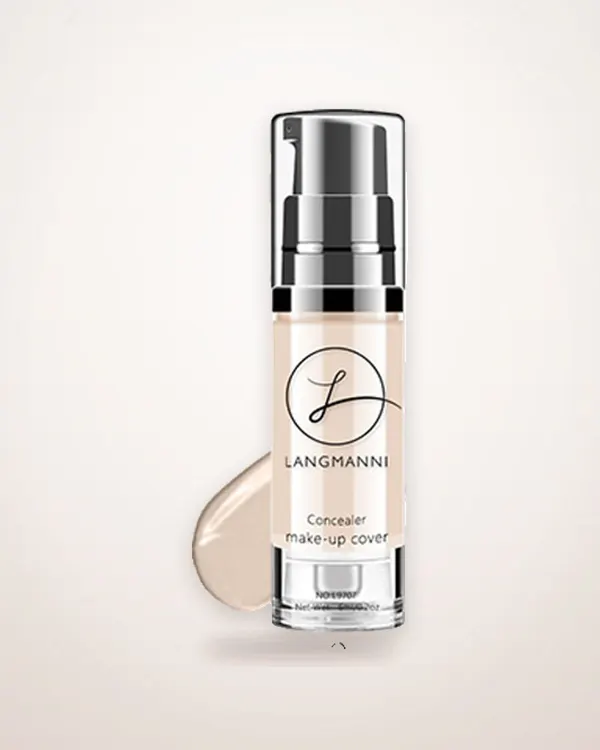
- Waterproof Liquid Concealer Foundation: A waterproof liquid that works as both concealer and foundation and can be layered in thin veils for extra coverage.
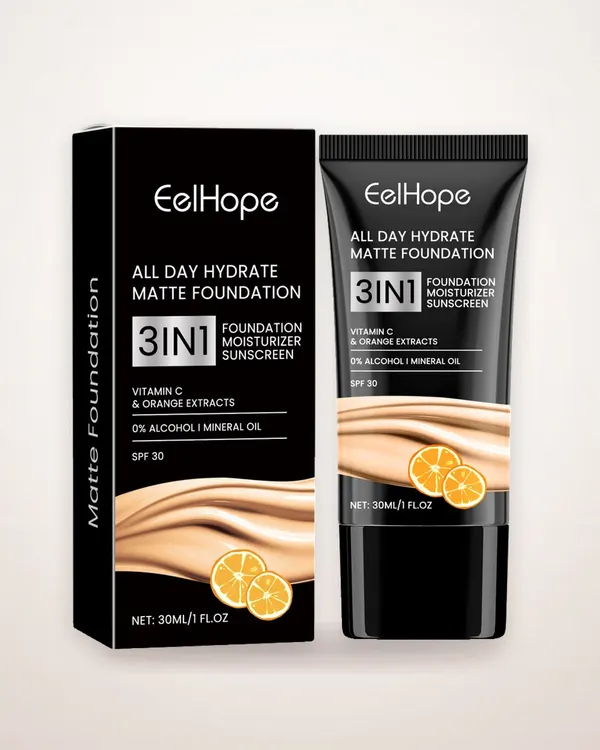
- Hydrating Matte Foundation with Vitamin C: A fluid foundation with titanium dioxide, orange extract and ascorbic acid that dries down to a soft matte finish while skin stays moisturised.
More foundations under $10
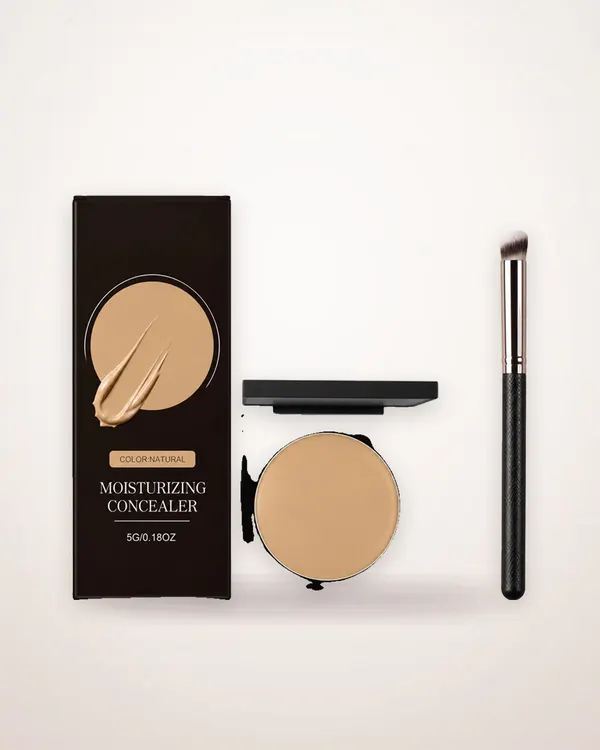
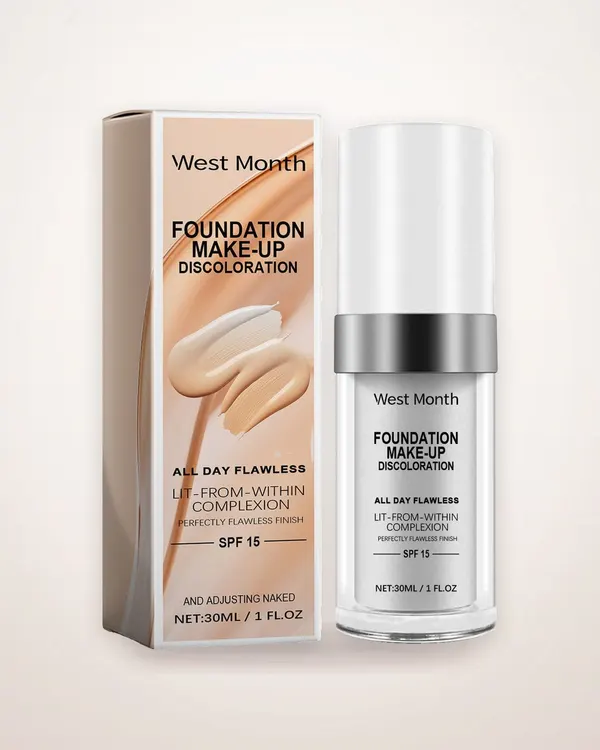
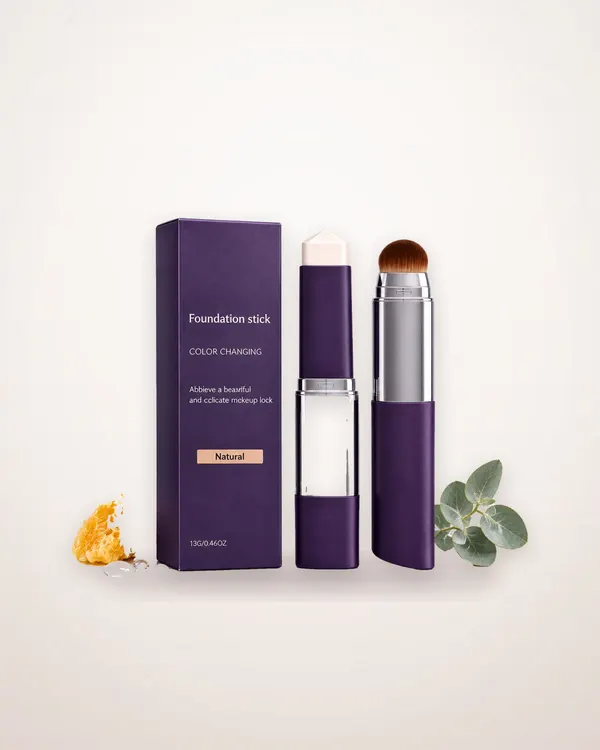
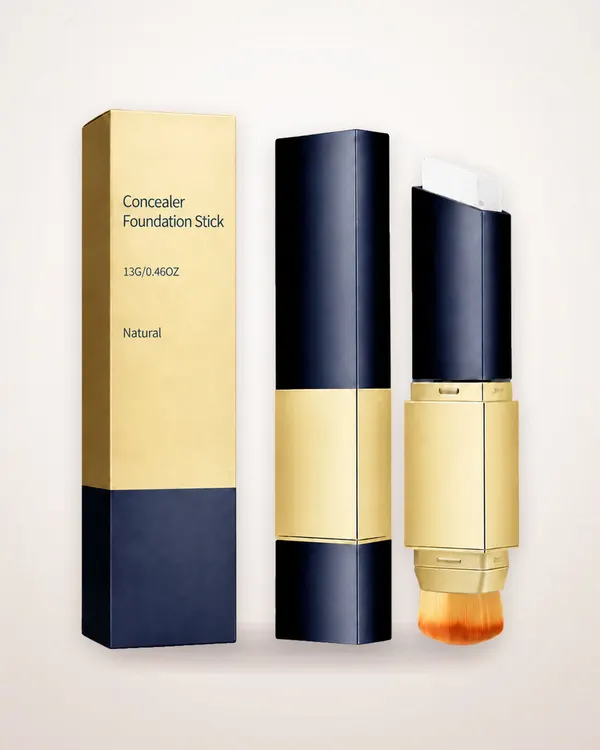
Questions
How do I choose between a natural finish and a matte foundation?
Choose natural if you want skin to still read as skin and you prefer a softer surface. Choose matte if shine appears early and you like a drier finish. A hydrating matte formula can keep comfort while it tempers shine.
How much foundation should I use?
Start with a small amount on the back of your hand and dot it only where you want more evenness. Blend first, then add a second thin layer if you need more coverage. Buildable formulas make it easier to stop before the base looks heavy.
Can I use a face and body foundation on both?
Yes, a face and body foundation is made to move from the face to the shoulders, legs and décolletage. Warm it in the palm first, then press and blend over the area. It gives the same soft finish on both.