


Matte foundations
How to choose a matte foundation from our sticks, liquids and creams, with application tips and simple care advice.
At a glance
- Prices today
- $6.99 to $14.99
- Ingredients you will see
- hyaluronic acid, aloe, titanium dioxide
- Formats and finishes
- matte, stick, cream, powder, liquid, natural finish
- Details
- lightweight, buildable, long-wear
Shop matte foundations
How to choose foundations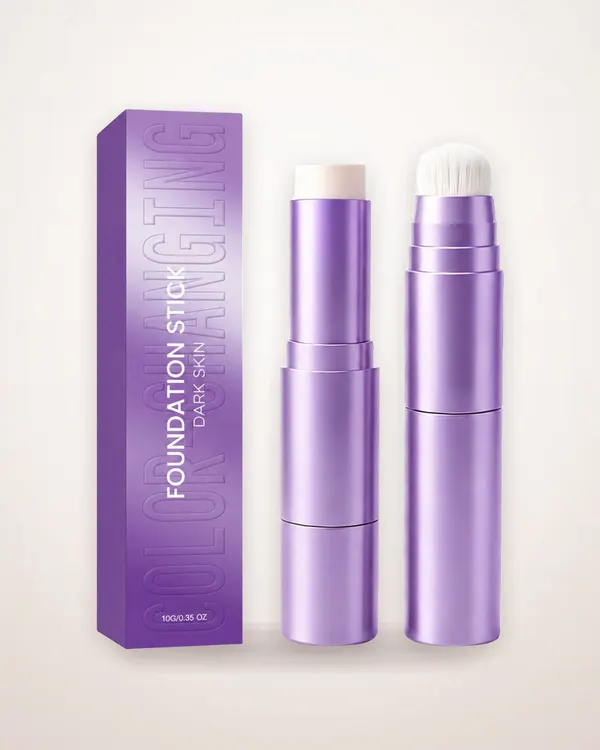
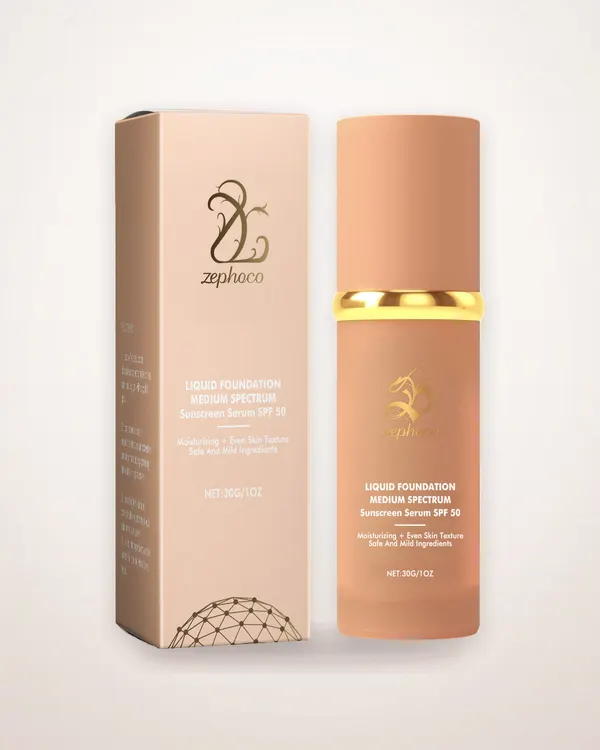
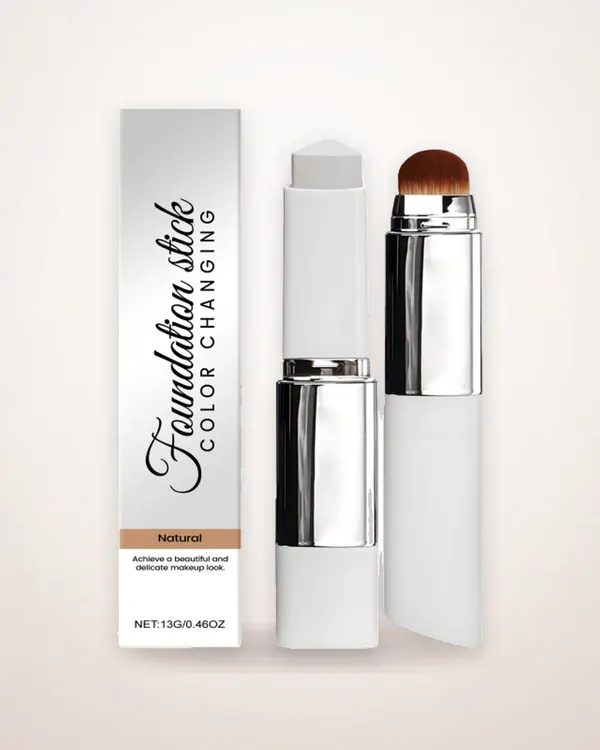
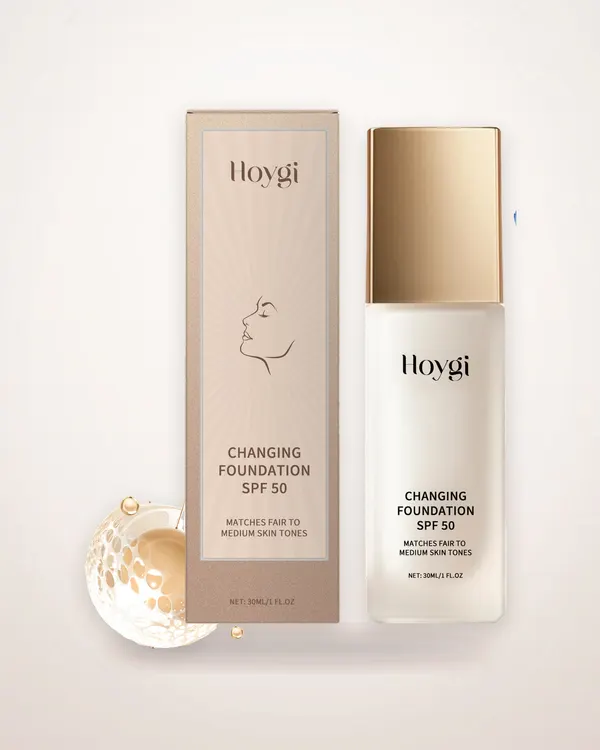
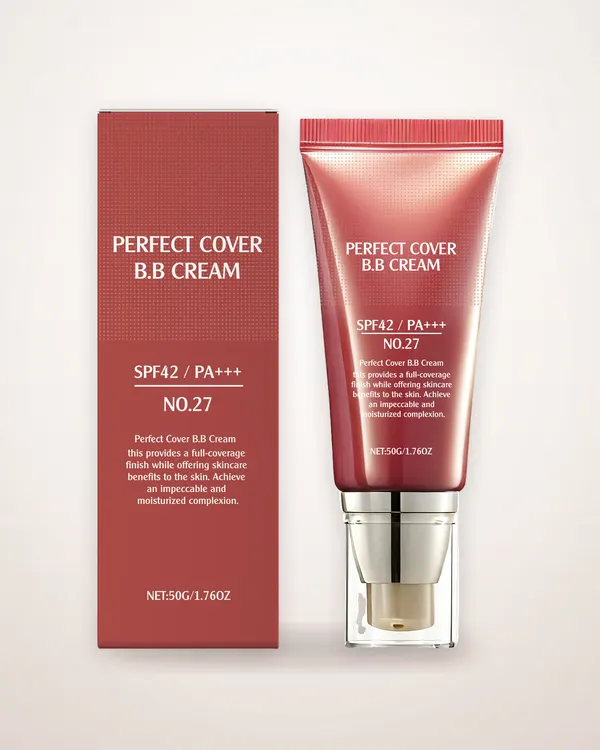
Why choose matte foundations
Matte describes how a base reflects light, not how heavy it feels. The finish scatters light across the skin instead of bouncing it back, so the face reads even rather than shiny. That helps in a warm room, under office lighting and in photographs. It is also why matte suits skin that gets oily through the day, when a glossier base starts to shift by lunchtime.
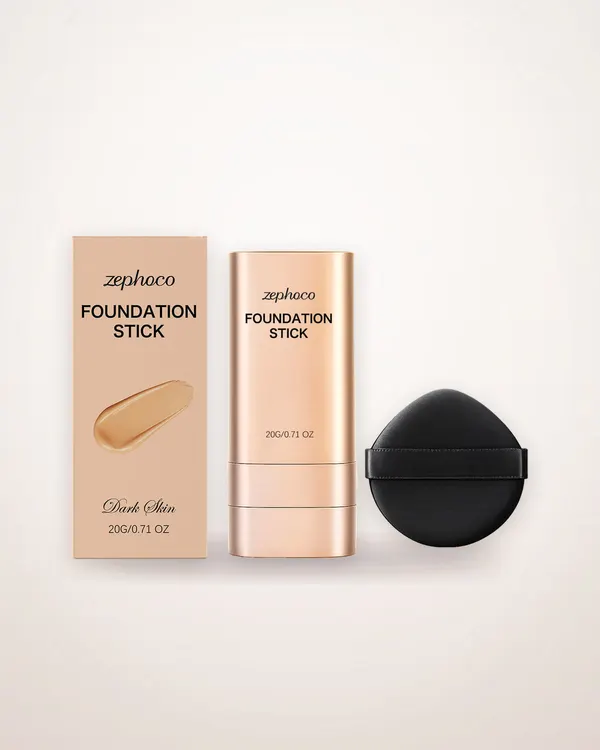
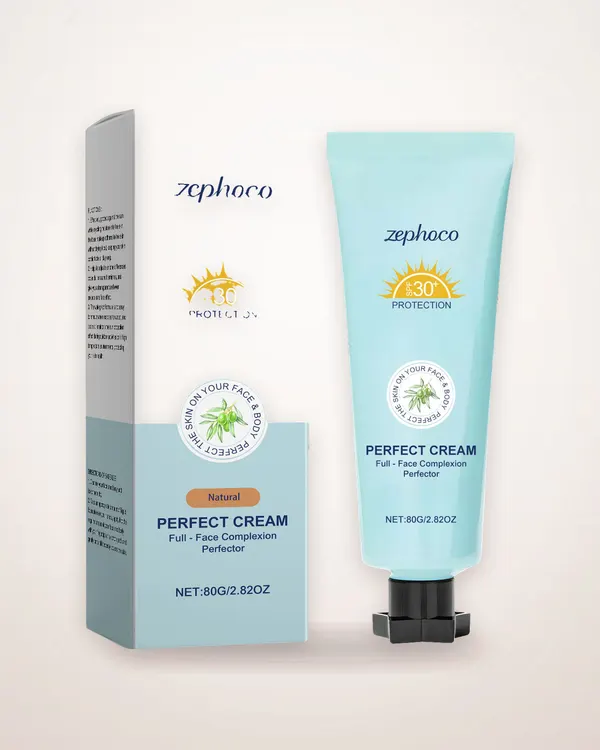
Our matte pieces come as sticks, liquids and creams. Sticks are solid and tidy: draw a few strokes, blend, done. Liquids are fluid and quick to spread, and some can be patted on with fingertips or a cotton pad. Creams glide and build in thin layers. Several pieces carry a brush or a puff at one end, which keeps the whole routine in one hand.
Matte does not have to mean flat or powdery. Some of our sticks blend down to a natural-looking finish, and our liquids describe a soft veil or a clear matte finish rather than a mask. If you have only worn richer bases, give a thin layer a full day before you decide.
How to choose the right one
Start with format, because it decides how you apply the base and where you keep it. A stick suits targeted coverage and a bag. A liquid suits a full face in a hurry. A cream sits between the two and rewards a little blending.
Then look at coverage. Buildable means you can start thin and add a second layer where redness or blemishes need it. Long-wear and sweat-resistant wording tells you the piece is made for a long day or for time outdoors. Lightweight pieces suit anyone who dislikes the feel of base on the skin.
Ingredients are worth a glance if your skin runs dry. Aloe vera extract and hyaluronic acid appear in some of our liquids, and one cream stick lists mineral oil and beeswax for its smooth slip. Titanium dioxide shapes one of the long-wear liquids. None of this replaces a moisturiser, so prep your skin first and let it settle for a minute before you apply anything.
If your skin is oily, matte is a sensible default, but thin layers matter more than the formula name. If your skin is dry, choose a piece that mentions a comfortable or moisturised feel, and build only where you need coverage.
How to apply them
Prep matters more with matte than with any other finish. Begin with clean, dry skin and a settled layer of moisturiser, then wait a minute so the base has something smooth to sit on rather than something wet.
For a stick, twist it up a little and stroke the cream onto the centre of the face: forehead, cheeks, chin. Blend outward with the built-in brush or your fingertips, working from the middle of the face towards the hairline and jaw. Check the jawline in daylight before you add more.
For a liquid, dispense a small amount and dot it over the face, then spread it with the brush at the other end or with your fingertips. You can also shake a small amount into your palm and tap it over the face or body with fingertips or a cotton pad, which gives a finer veil.
Thin layers, then stop. If shine appears later in the day, blot first and add powder only where you need it. Matte base looks best when skin still reads as skin.
Hygiene, storage and shelf life
Clean tools do most of the work. Wash brushes and puffs every week or so with mild soap, rinse until the water runs clear, and dry them flat so water does not sit in the base of the bristles. Wash your hands before you dip into a stick or a bottle.
Keep sticks capped and store everything upright in a cool, dry place, away from direct sunlight and radiators. Heat softens a stick and can change how a liquid behaves. Do not leave a stick loose in a bag without its lid.
Note the period-after-opening symbol on the pack and count from the day you first open it. If the texture separates, the colour shifts or the smell changes, stop using it. Sharing a stick or a puff spreads bacteria, so keep yours to yourself.
Standout pieces
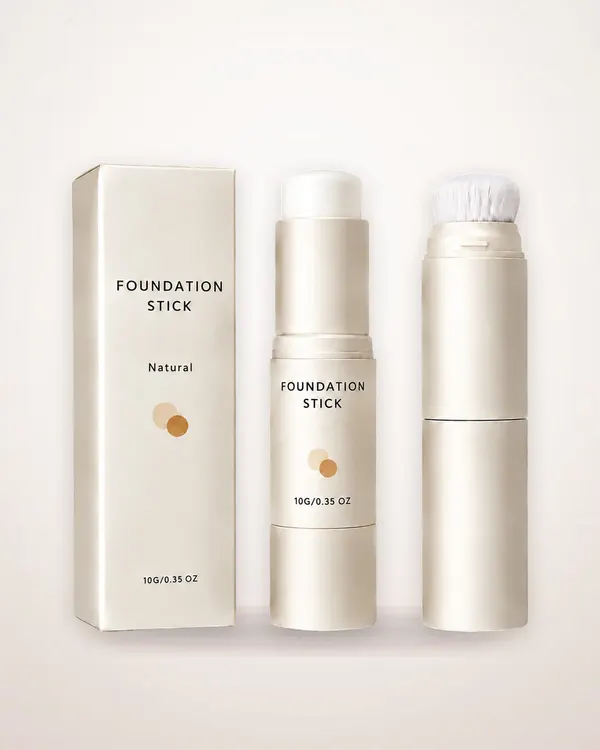
- Long-Wear Matte Foundation Stick: A 10 g stick that lays down matte colour and blends to a natural-looking finish, in a slim 2.8 x 2.8 x 14.9 cm format that slips into a bag.
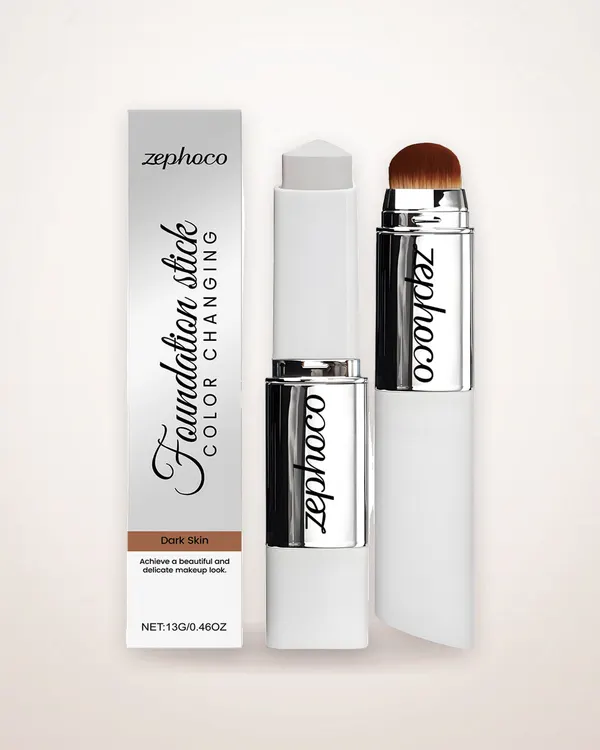
- Dual-Ended Foundation Stick with Brush, Matte: Creamy colour at one end and a soft blending brush at the other, so you can build coverage in thin layers without packing a separate tool.
- Matte Long-Wear Liquid Foundation: A fluid base with titanium dioxide that pats down to a soft veil, with sweat-resistant wear for warm days outdoors.
- Aloe Hydrating Matte Liquid Foundation: Aloe vera extract and hyaluronic acid give this fluid a pliable glide, and it dries down to a clear, bright matte finish.
- Color-Changing Matte Foundation Stick: The tint shifts as it meets your skin and blends into a tone that looks naturally yours, with a soft matte finish and a moisturised feel.
Questions
What is the difference between a matte and a natural finish?
A matte finish settles without shine, while a natural finish leaves more light on the skin. Some of our matte sticks blend down to a natural-looking finish, so the two can meet in the middle.
How do I apply a matte foundation stick without it looking patchy?
Start on clean, moisturised skin and let the moisturiser settle for a minute. Twist the stick up a little, stroke it onto the centre of the face, then blend outward with the built-in brush or your fingertips, adding a second thin layer only where you need it.
Can I wear a matte foundation if my skin is dry?
Yes, with a settled layer of moisturiser underneath and thin layers of base on top. Some of our liquids include aloe vera extract and hyaluronic acid, and our cream sticks describe a comfortable, moisturised feel.