


How to apply foundation
A practical guide to applying foundation from our range, with steps for an even, natural finish that holds through the day.
At a glance
- Prices today
- $3.99 to $25.99
- Colours
- ivory, cream, white
- Ingredients you will see
- titanium dioxide, hyaluronic acid, vitamin e, glycerin, niacinamide, aloe
- Formats and finishes
- natural finish, liquid, cream, stick, matte, powder
- Details
- buildable, lightweight, breathable, portable
Shop foundations
How to choose foundations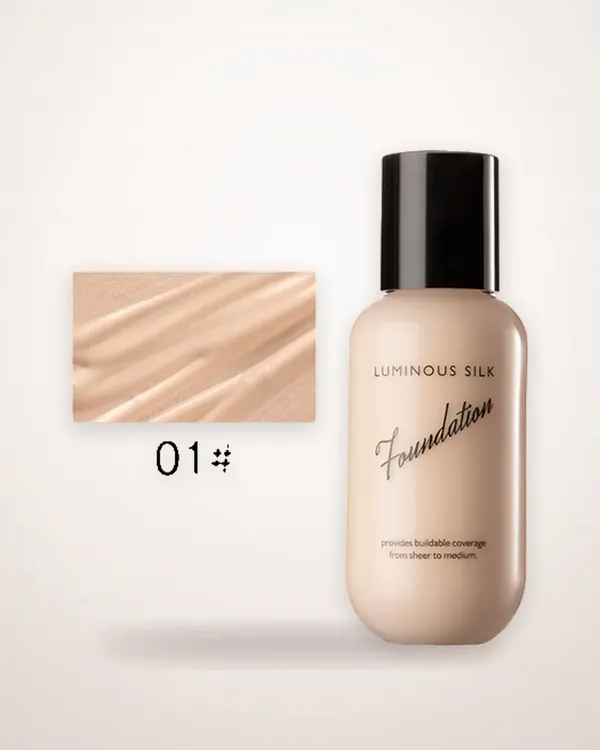
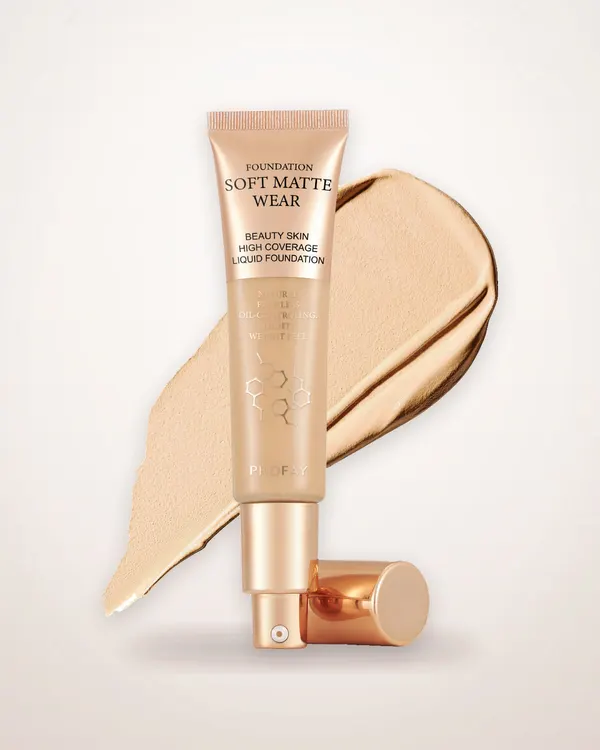

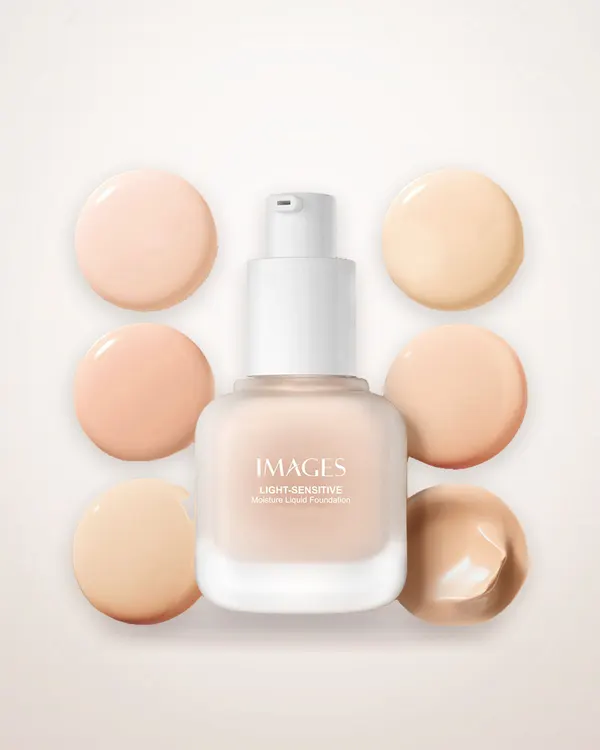
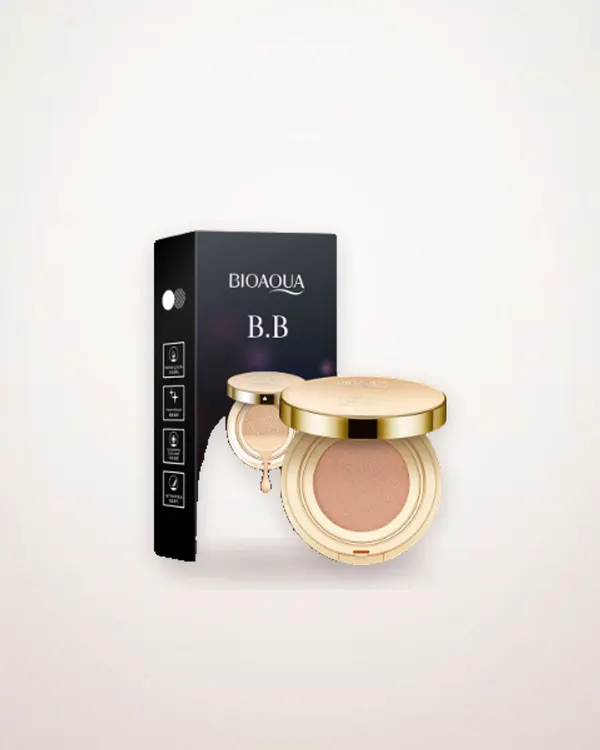
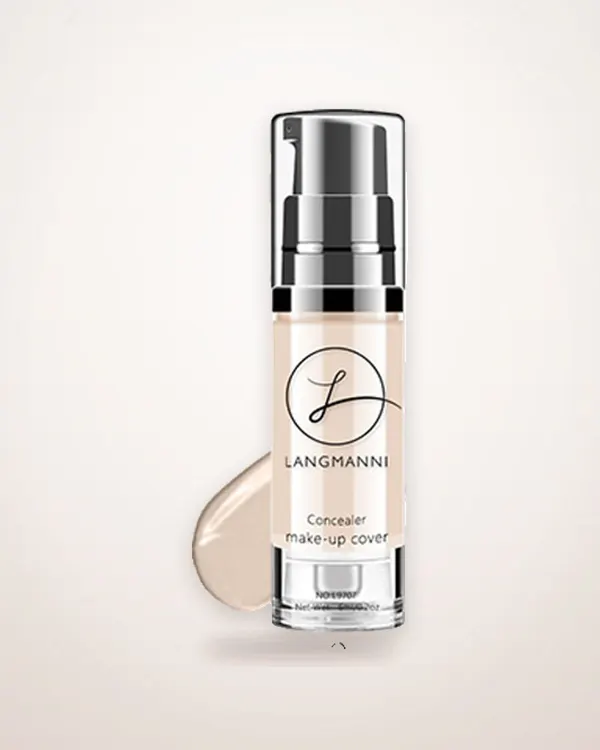
Before you start
Start with clean, moisturised skin. Cleanse and moisturise, then give the moisturiser a minute to settle before you go in with base. If skin feels tight or flaky, use a richer moisturiser at night and a lighter one in the morning. A smooth surface helps any foundation sit more evenly, whether you choose a liquid, cream, stick or powder.
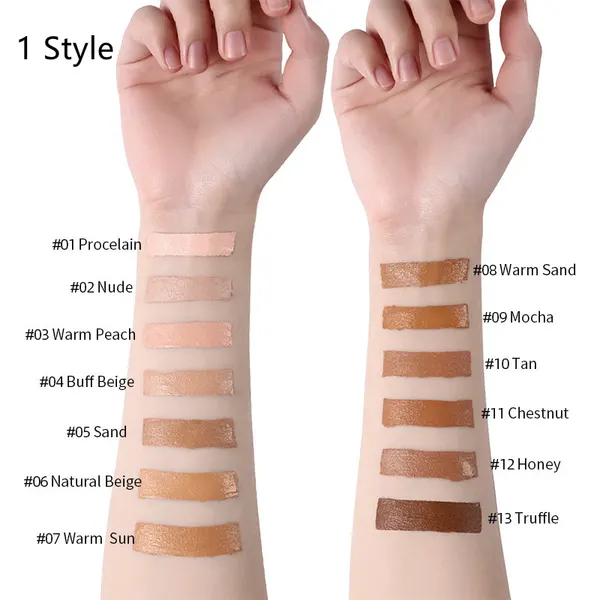
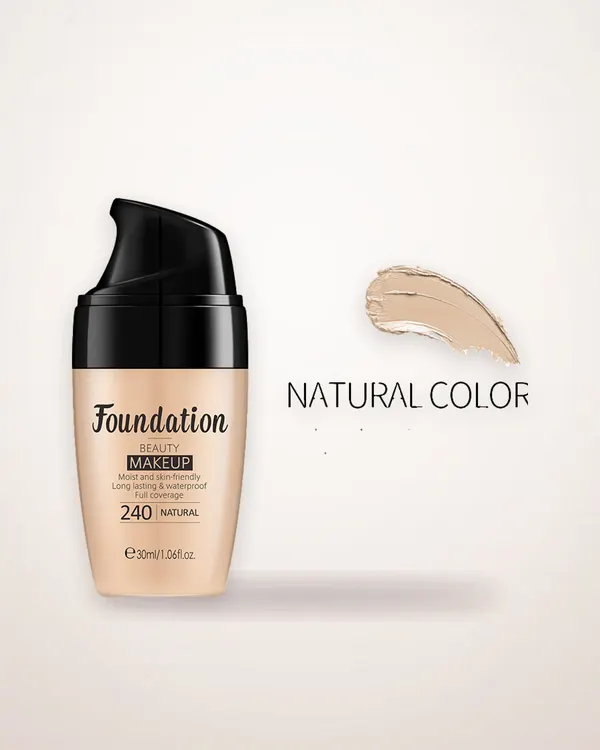
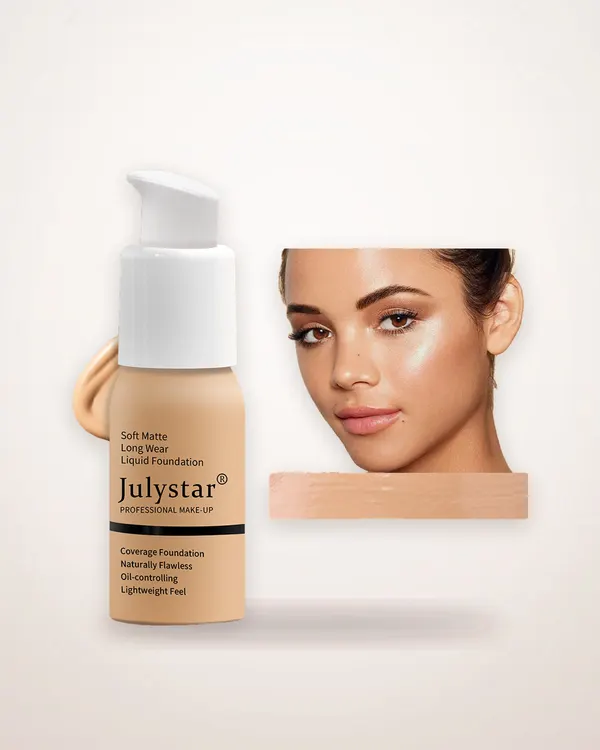
Match the shade in daylight, not under shop lighting. Test on the jawline or the side of the face, not the back of the hand, and blend a small amount until it disappears. Our shades run from ivory and cream to white, and many of our bases are buildable, so you can start sheer and add more where you want extra evenness.
Have your tools ready. Fingers work well for a thin, natural finish, a damp sponge presses product into the skin, and a brush buffs for a smoother surface. Whichever you use, keep it clean. A small amount on the back of the hand is easier to control than dots straight from the bottle. Some of our formulas include glycerin, hyaluronic acid, vitamin E, niacinamide or aloe, and titanium dioxide appears as the tint in some. Check the product page for the exact ingredients in the piece you are using.
Step by step
Begin with clean, moisturised skin and shake the bottle well before use. For a liquid or cream foundation, warm a small amount on the back of the hand until it thickens slightly, then dot it over the centre of the face: nose, cheeks, chin. Blend outward with fingers or a damp sponge, pressing rather than rubbing, and add more only where you want extra evenness.
Work in thin layers. One sheer pass evens tone; a second thin layer over redness, blemishes or shadows builds coverage without weight. Our buildable formulas are made for this, so you can keep the finish light where skin looks clear and add where it does not. If you use an oil-control base, apply it where shine appears first, usually the T-zone, and blend outward. Matte finishes can look flat if you overapply, so keep the layers thin.
Do not forget the neck and the edge of the jaw. Blend what is left on the sponge or fingers down the neck so there is no line. For a body base, warm a small amount in the palm until it thickens, then press and blend over shoulders, legs or décolletage. A fluid face and body formula can give the same soft finish as the complexion, and it layers without heaviness.
Set only where you need to. A light dusting of powder through the T-zone helps a liquid or cream base stay put, while dry skin may prefer to skip powder or use it just on the sides of the nose. A stick format is handy for touch-ups through the day: warm it on the back of the hand and tap it over any area that needs a little more. If your base is waterproof, it can handle heat or rain, but it still needs a proper cleanse at night.
Common mistakes and how to fix them
Too much product is the usual reason foundation looks heavy. Start with less than you think you need, blend it fully, then decide if you need more. If you have already applied too much, press a clean damp sponge over the area to lift excess, then blend the edges. A second layer is easier to control than a thick first one.
The wrong shade shows up as a grey or orange cast, especially in daylight. Test again at the jaw and blend down the neck. If a shade is slightly off, you can mix a little of two shades on the back of the hand before applying. Do not rely on indoor lighting alone, and check your face in natural light by a window once you have finished.
Skipping moisturiser can make base cling to dry patches, while applying over oily skin without blotting can make shine appear faster. Give skincare a minute to absorb. If skin is flaky, use a gentle exfoliant at night, not right before makeup. For persistent redness, breakouts or dryness, speak to a professional rather than trying to cover it with more product.
A dirty sponge or brush can leave streaks and transfer bacteria. Wash tools weekly with mild soap and warm water, rinse until the water runs clear, and dry them flat. Do not pump the brush into the bottle; use the back of the hand to pick up product. If your foundation starts to separate or smell different, it is time to replace it.
Hygiene, storage and shelf life
Clean sponges after every use if you can, or at least weekly. Wet the sponge, add a small amount of mild soap, squeeze it through until the water runs clear, then press it in a clean towel and leave it to dry flat in open air. Brushes need washing weekly with a gentle soap or brush cleanser. Do not stand them upright to dry, because water can loosen the glue in the ferrule.
Store foundation upright with the lid closed, away from direct sun and heat. A bathroom shelf that steams up daily is not ideal; a drawer or cupboard is better. Keep the bottle clean around the neck so the cap closes properly. Do not add water or mix in other products, as this can affect the formula and make it more likely to spoil.
Follow the period-after-opening symbol on the pack, and note the date you opened it if that helps. Liquids and creams usually keep for around 12 months once opened, though this varies by formula. Powders last longer, but wash the applicator or brush regularly. If the texture, smell or colour changes, stop using it. For skin reactions, speak to a professional.
Standout pieces
- Long-Wear Face and Body Foundation: A fluid formula that warms in the palm and gives face and body a thin, natural finish, with a waterproof film for heat, rain and long days.
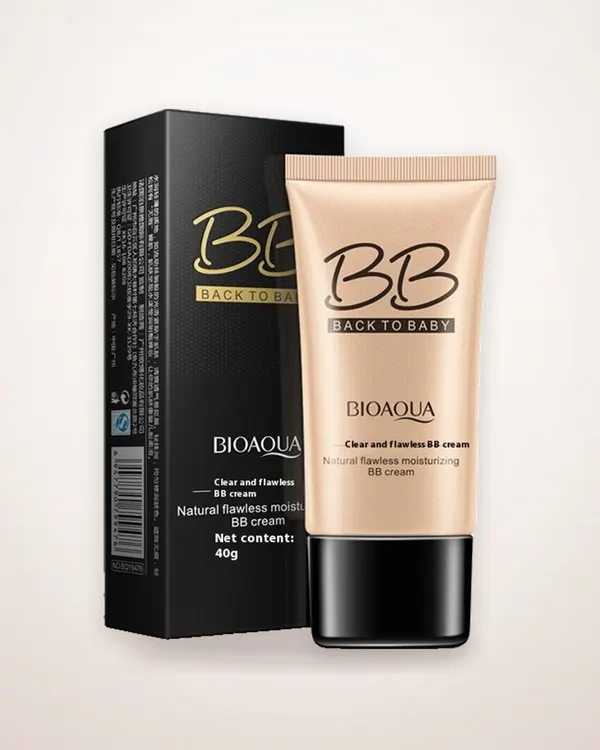
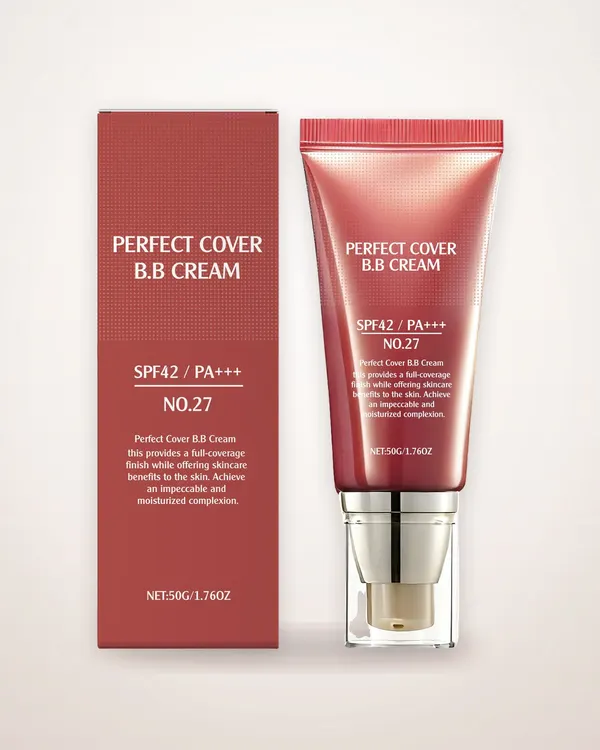
- Moisturizing BB Cream Foundation: A breathable fluid base with a fresh, moist finish that blurs the look of spots and uneven tone without weighing skin down.
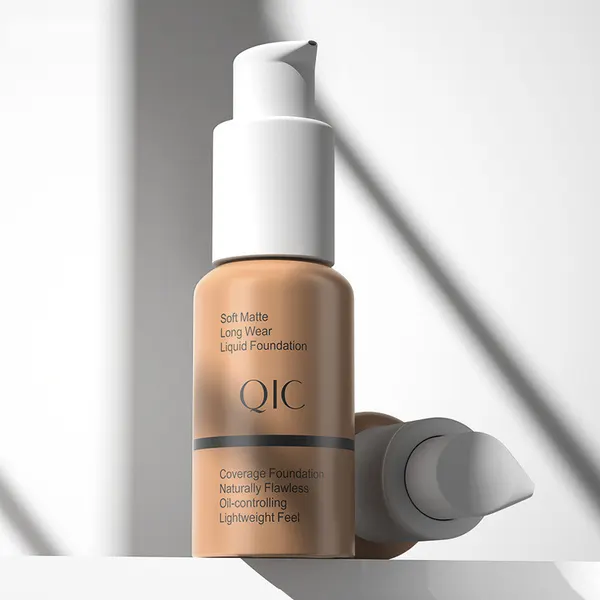
- Liquid Concealer Foundation with Oil Control: A light fluid that evens tone, softens shadows and keeps shine in check, with a soft natural finish that still reads as skin.
- Waterproof Creamy Liquid Foundation: A creamy liquid in Natural Ivory that conceals uneven tone with waterproof, oil-controlling wear and a fresh, moisturised feel.
Questions
How do I stop foundation looking cakey?
Use less product and build in thin layers. Blend each layer fully with a damp sponge or fingers before adding more. If skin is dry, make sure your moisturiser has absorbed first.
Should I apply foundation with a brush, sponge or fingers?
All three work. Fingers give a thin, natural finish, a damp sponge presses product into the skin, and a brush buffs for a smoother surface. Choose the one you find easiest to control, and keep it clean.
How do I choose the right foundation shade?
Test on the jawline in daylight and blend down the neck. Match the undertone as well as the depth, and check the finish in natural light. Our shades include ivory, cream and white, so you can compare close options.
Can I use foundation on my body?
Yes, some fluid face and body formulas can be warmed in the palm and pressed over shoulders, legs or décolletage. Blend until the edges disappear, and cleanse properly at the end of the day.