


Beach cover-ups and kaftans: how to choose
A practical guide to choosing beach cover-ups and kaftans for layering over swimwear, with fit, fabric, styling and care advice.
At a glance
- Prices today
- $7.99 to $33.99
- Colours
- black, white, blue, green, red, pink, yellow, purple, floral, rose, beige, navy
- Materials
- viscose, polyester, cotton, knit, straw, linen, lace, mesh
- Finishes
- sheer
- Details
- lightweight, breathable
From the product pages of the pieces in stock now. Prices update with stock and are shown in your currency.
Shop beach cover-ups and kaftans
All Swimwear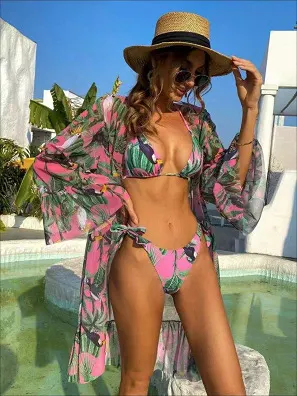
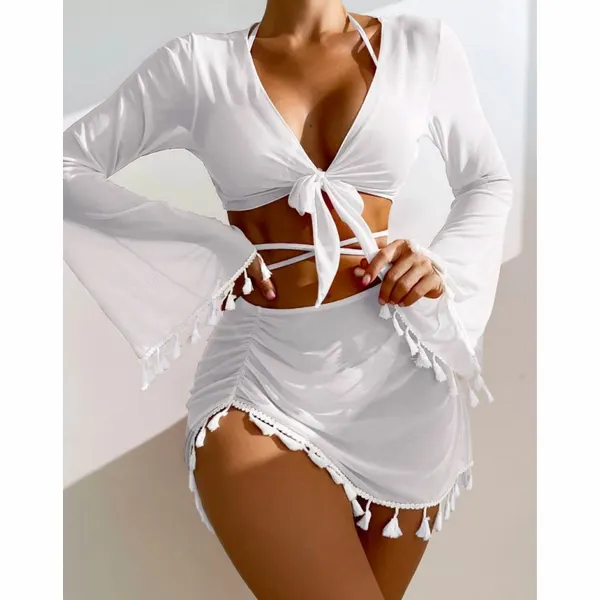
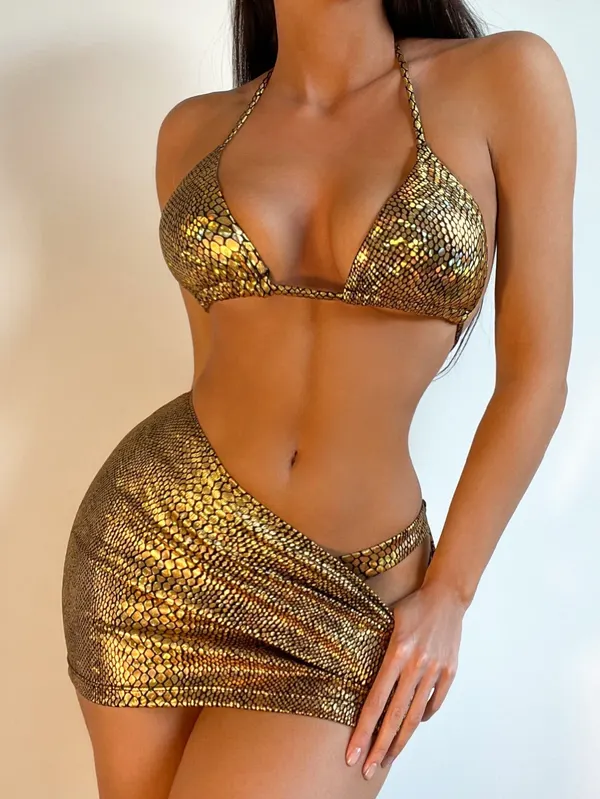
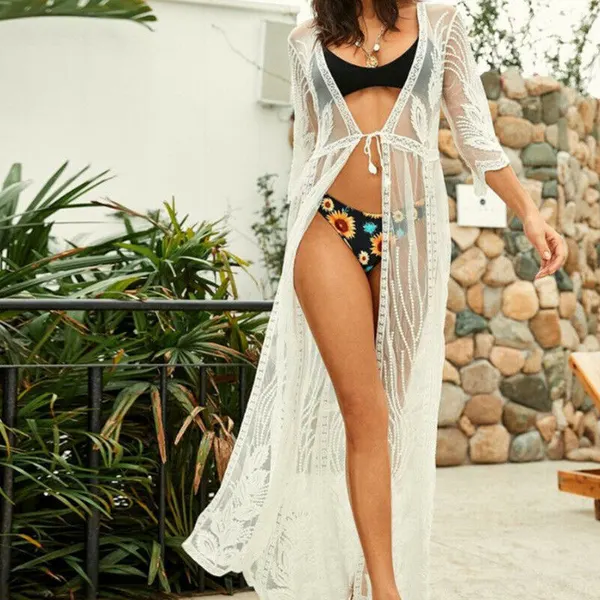
How to choose beach cover-ups and kaftans
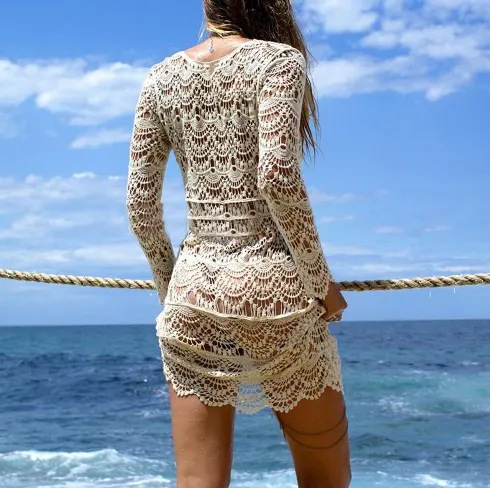
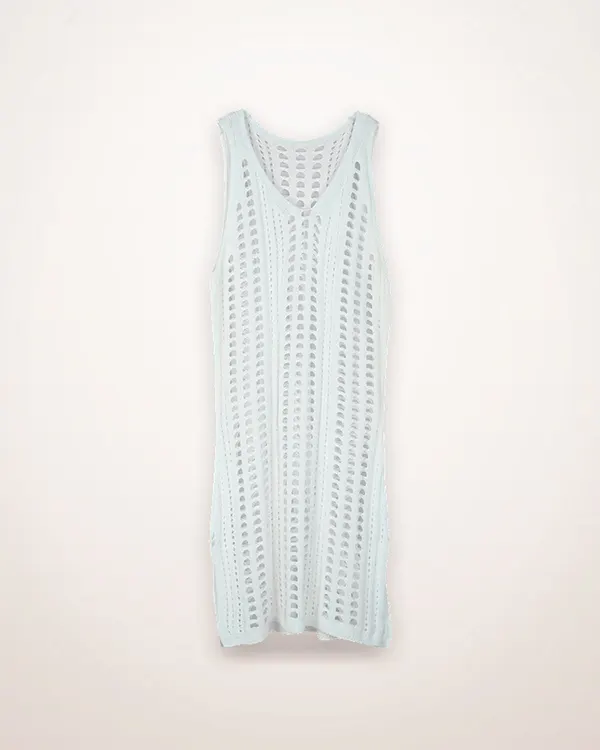
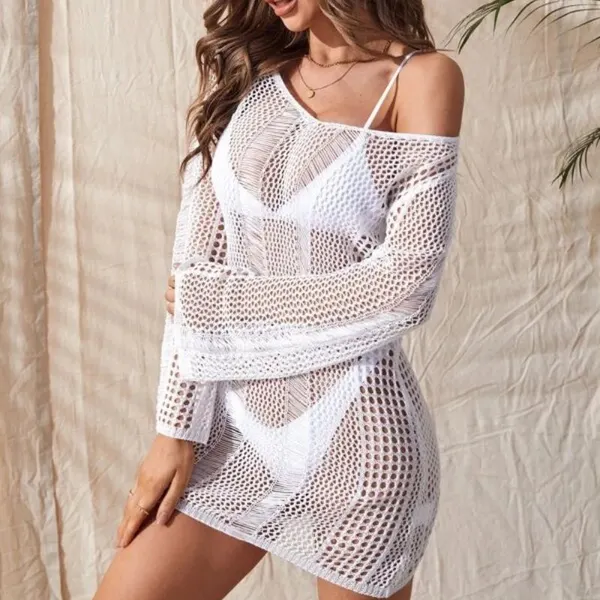
Begin with where you will wear it. A poolside layer can be short and simple, while a cover-up for the walk from the water to lunch needs a little more length and a line that falls away from the body. Think about how much cover you want across the shoulders, arms and back, and whether you would rather slip something over your head or tie it at the neck or waist. The straight-cut sling cover-up is the quiet option: a round neck, slim straps and a plain face that lets a printed swimsuit lead. A crochet-style dress or an openwork cotton blouse gives more texture and a looser line.
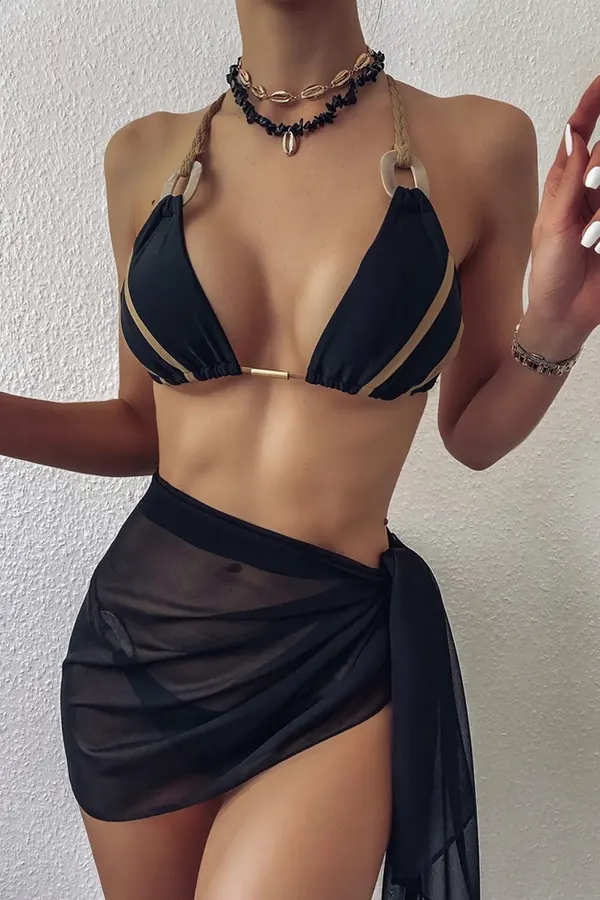
Consider the fit you find comfortable. Some pieces are cut to skim, some are deliberately generous, and some sets run small against US and EU sizing, so check the size chart and take the larger size if you fall between two. Ties at the neck and back, as on a halter bikini set, let you fine-tune the lift and fit; one-size pieces rely on a relaxed cut rather than adjustment. If you like a defined waist, look for a cover-up you can knot or belt; if you prefer an open front, a cardigan-style design is easier to layer.
Finally, think about the journey the piece will make. A long tunic or a lace blouse works for shade and lunch, while a short skirt or a light shirt is easier for paddling and packing. The palette here runs from black, white and beige through blue, green, red, pink, yellow, purple, rose and orange, with florals and prints, so you can choose a layer that echoes your swimsuit or contrasts with it.
Materials, details and fit
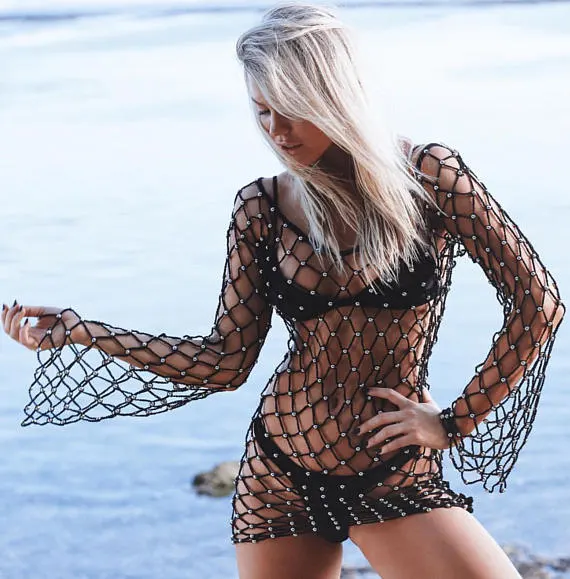
Materials shape how a cover-up feels in heat and how it packs. The pieces here use viscose, polyester, cotton, straw, knit, linen, lace and mesh, and the common thread is a lightweight, breathable approach. Cotton, as in the openwork blouse and the printed cover-up, keeps things cool between swims; crochet and openwork let air move through the cloth. Polyester appears in quick-drying swim sets and in the black net cover-up, where fine white lines give a light graphic texture. Lace and mesh are chosen for sheer finishes, so colour and swimwear show through.
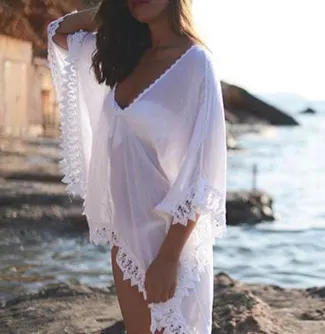
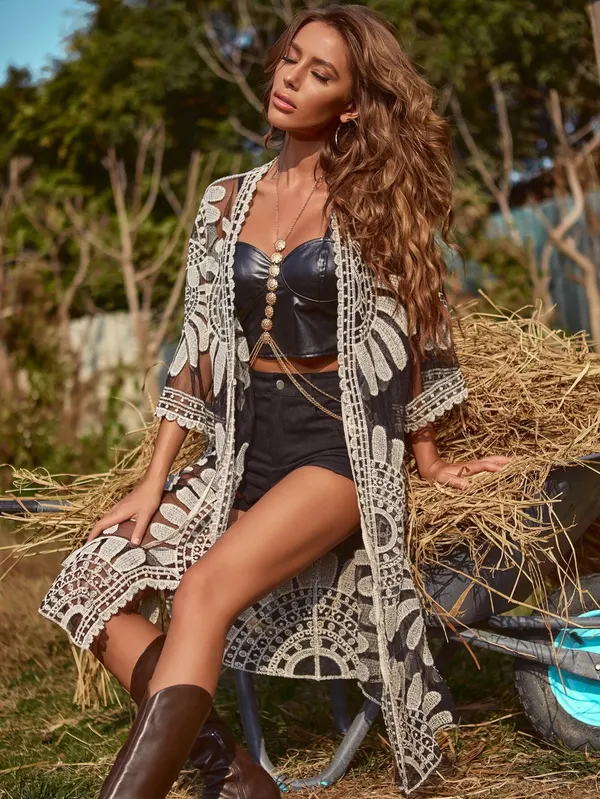
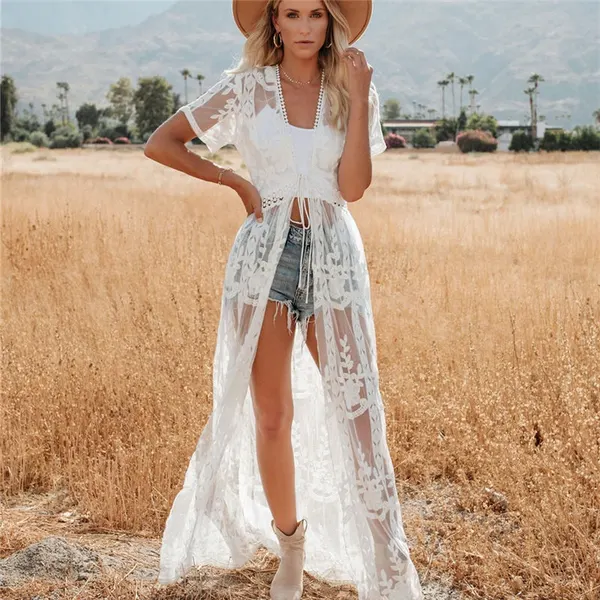
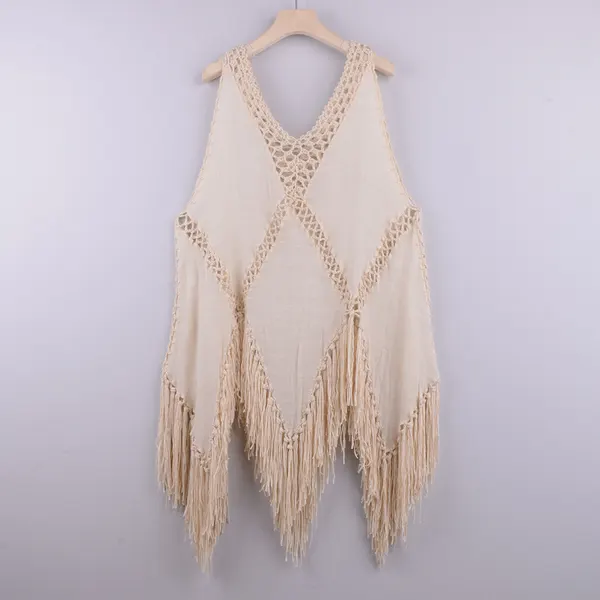
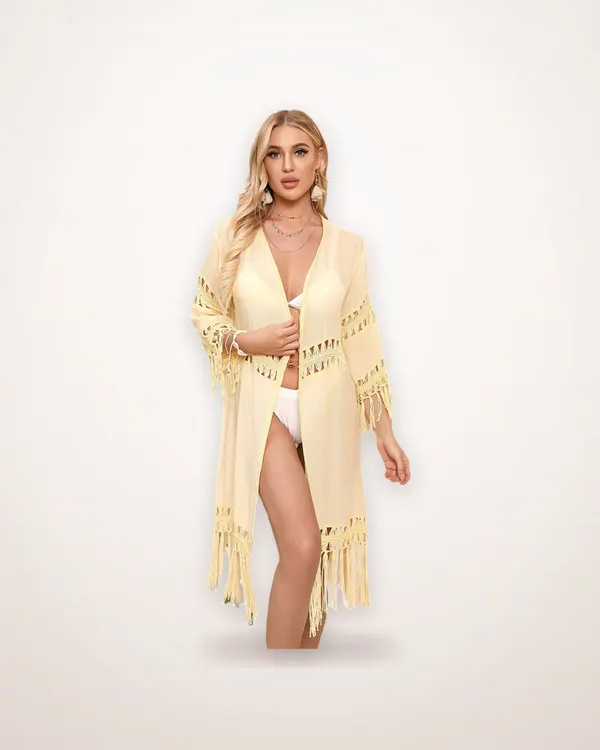
Details are where these pieces earn their place. Look for openwork flowers, crochet motifs, tassels, fine fringe and net lines, all of which add movement and texture without weight. A tasselled hem or a fringed edge shifts with the breeze; a bow at the front gives a set a finished point. Sheer lace and open crochet are not about full opacity, so decide whether you want a soft filter or a more covered line. Long sleeves and a V-neck keep an easy shape over swimwear, while a round neck and slim straps sit neatly under a wide-brim hat.
Fit notes matter more than labels. Some sets run smaller than EU and US charts, so check the size chart and consider going up one size if you are between sizes. Halter ties let you set the neck and back where you like them; a take-your-usual-size piece from S to XL relies on those ties for adjustment. One-size cover-ups fall loosely by design, with measurements such as a 126cm length or a 135cm length doing the work of fit. If you want a closer line, choose a straight cut; if you want airflow, choose openwork, crochet or mesh.
How to style them
Start with swimwear as the base. Slip a straight-cut cover-up over a bikini or one-piece for the walk from water to shade, letting the cut skim rather than cling. Wear a cardigan-style crochet dress open by the pool, or knot it at the waist for lunch so the front stays easy. An openwork cotton blouse or a cotton mesh shirt works over a swimsuit and then over shorts for the market or a shaded café. The idea is to keep the layer light and let the swimsuit remain part of the outfit.
For a more composed look, use the cover-up as a tunic. A long crochet tunic in white cotton falls to roughly 135cm with a tasselled hem, so it reads as a dress over a one-piece and needs only sandals and a straw hat. A lace blouse can sit over a camisole and linen trousers later in the day, taking it from beach to bar without changing. A black net cover-up over a bright bikini gives contrast; a white piece over a floral swimsuit keeps things soft. Add jewellery in one metal tone and keep the rest simple.
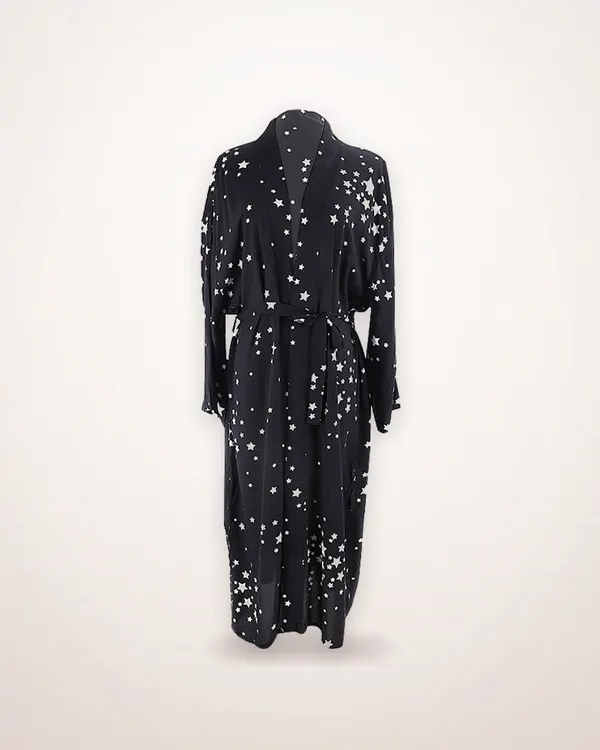
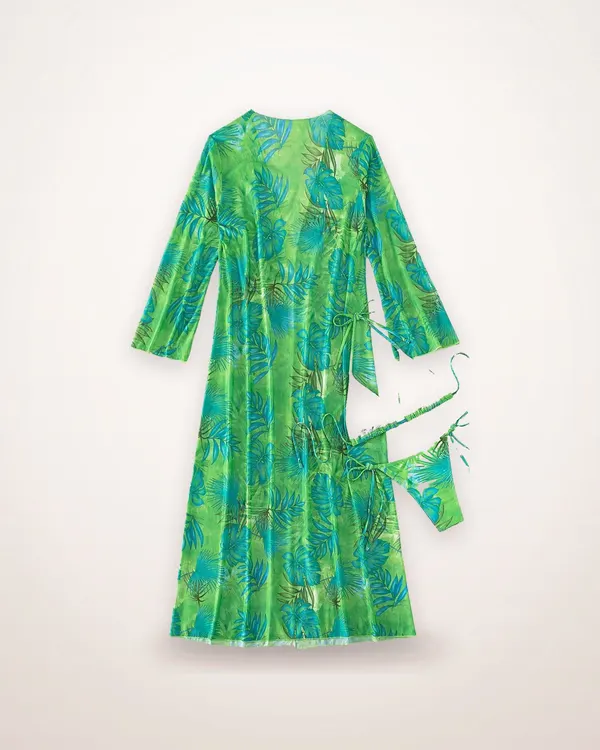
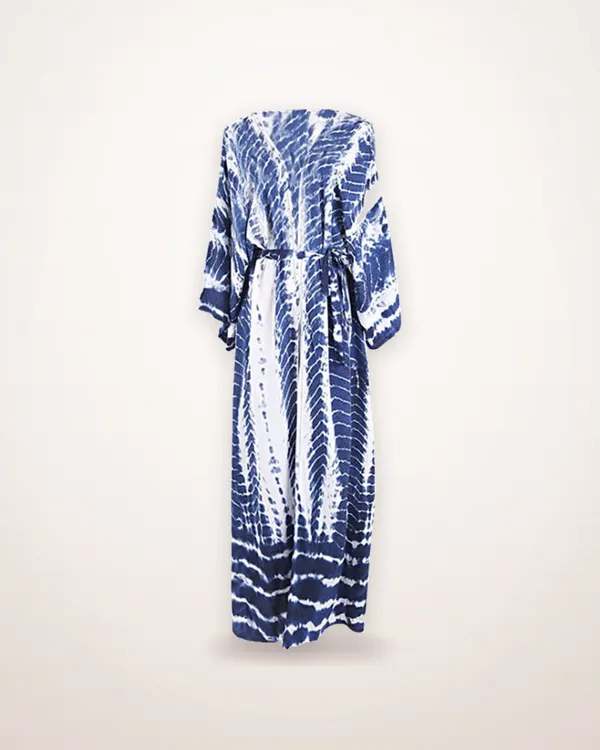
Colour is the easiest styling tool. Black and white are the quiet foundations and work with almost any swimsuit; blue, green and beige feel close to the water and sand; red, pink, yellow, purple, rose and orange bring warmth and contrast. A floral or printed cover-up can lead the outfit, with a plain swimsuit underneath. If you are packing light, choose a neutral layer that works with two swimsuits and one printed piece for evening. A kimono-style cover-up from a set can also be worn open over a camisole and trousers, so the same piece earns its space.
Care and storage
Rinse cover-ups after a day by the sea or pool. Salt, chlorine and sunscreen sit in fibres, so a gentle hand wash in cool water with a mild detergent is a sensible general habit; check the care label on each piece before you wash it. Avoid wringing crochet, lace or openwork, which can distort the pattern. Press the water out in a towel and dry flat in shade, reshaping the piece while it is damp. Polyester and quick-drying sets need less time on the line, but the same gentle approach keeps colours clear.
Store folded rather than hung where possible. Crochet, lace and openwork can stretch on a hanger, so a shelf or a drawer is kinder; keep tassels and fringe flat so they do not curl. Roll a light cotton or mesh piece into a beach bag rather than stuffing it, and keep it away from rough zips or hooks that can pull a thread. If a loop catches, ease it back rather than cutting it. A small mesh bag for the piece itself is useful when you are carrying damp swimwear alongside it.
Between wears, air the piece in shade rather than leaving it in a hot car or direct sun for long periods; that is general care for delicate cloth and helps colour hold. Keep sunscreen and oily products from sitting on lace or crochet for long, and spot-clean marks rather than washing the whole piece. Fold a long tunic along its length, then in thirds, so the tasselled hem stays straight. A little attention when you put it away makes the next wear easier.
Standout pieces
- Straight-Cut Sling Swim Cover-Up: A plain knit in a nylon blend with a round neck and slim straps, it falls straight over swimwear in white or black.
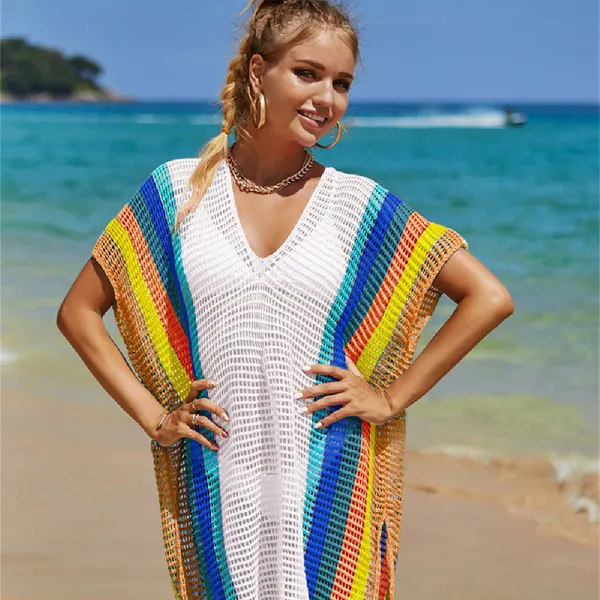
- Openwork Cotton Beach Cover-Up Blouse: White cotton worked in open crochet with a V-neck and long sleeves, its net pattern lets air move over swimwear.
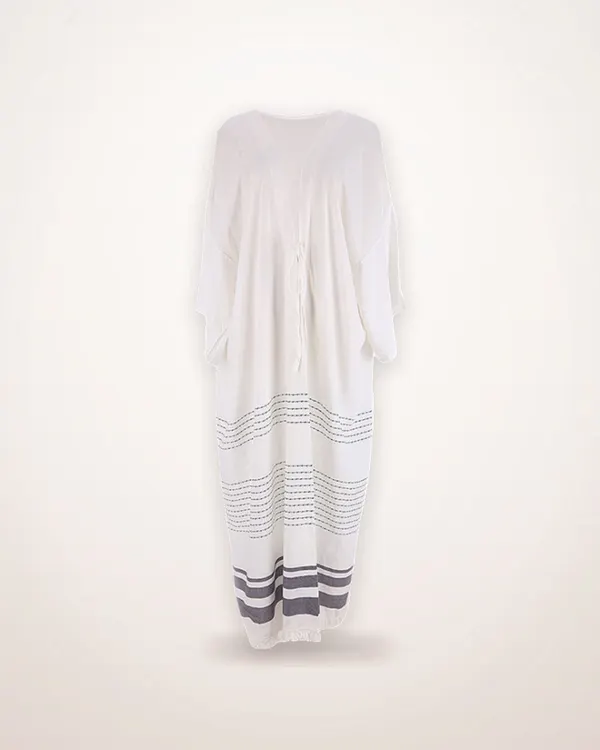
- Crochet Cotton Beach Cover-Up Tunic: A long white cotton crochet tunic with a tasselled hem and a 135cm length, it is a light layer for the walk from water to shade.
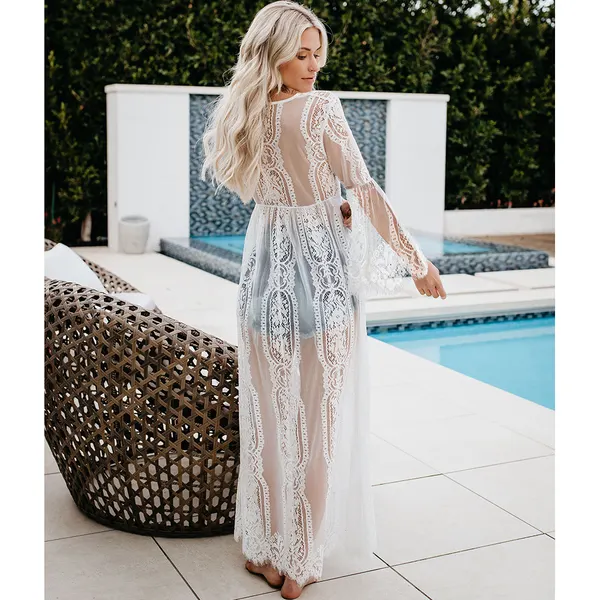
- Lace Beach Cover-Up Blouse: Sheer lace in a longline one-size cut at 126cm, with a relaxed line that drifts over swimwear instead of clinging.
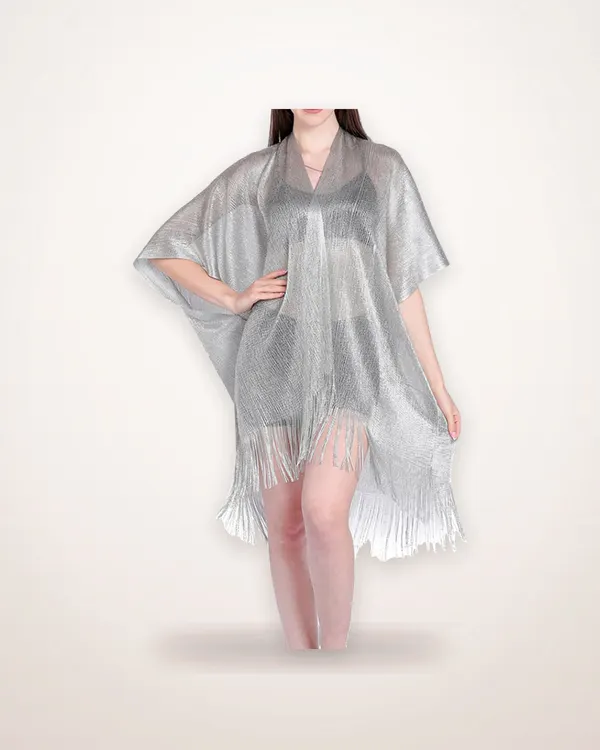
- Tasselled Beach Cover-Up: A featherlight cloth layer with tasselled trim and a 130g weight, it travels lightly and shifts with the breeze.
More beach cover-ups and kaftans


Questions
What is the difference between a beach cover-up and a kaftan?
A cover-up is a broad term for a layer worn over swimwear, while a kaftan is typically a loose, tunic-style garment. In this selection you will find both short layers and long tunic shapes, so choose by the coverage and line you prefer.
Should a beach cover-up be loose or fitted?
Most cover-ups are designed to skim rather than cling, and a loose line is easier to pull over damp swimwear. If you want shape, choose a piece you can knot or belt at the waist, or one with ties at the neck and back.
How do I choose the right size in a one-size cover-up?
Check the measurements on the product page rather than assuming a fit, since one-size pieces rely on a relaxed cut. If a set runs small against EU and US charts, consider going up one size; halter ties can fine-tune the neck and back.
Which colours work best for beach cover-ups?
Black, white and beige are the easiest neutrals and work with most swimwear. Blue, green, red, pink, yellow, purple, rose and orange give more contrast, and a floral or printed layer can lead the outfit.
More lingerie & swim buying guides
This guide is written with the help of AI from the details on our own product pages and checked automatically before it is published. Product facts come only from those pages. All buying guides · Gift guides · Beauty Journal