


One-piece swimsuits: how to choose
A practical guide to choosing a one-piece swimsuit by cut, fabric and fit, with styling and care advice for pool days and beach afternoons.
At a glance
- Prices today
- $8.99 to $31.99
- Colours
- black, blue, white, red, green, yellow, pink, rose, floral, orange, leopard, navy
- Materials
- polyester, nylon, linen, spandex, knit, cotton
- Details
- stretch, padded, underwire, lined, lightweight, high-waist, wireless
From the product pages of the pieces in stock now. Prices update with stock and are shown in your currency.
Shop one-piece swimsuits
All Swimwear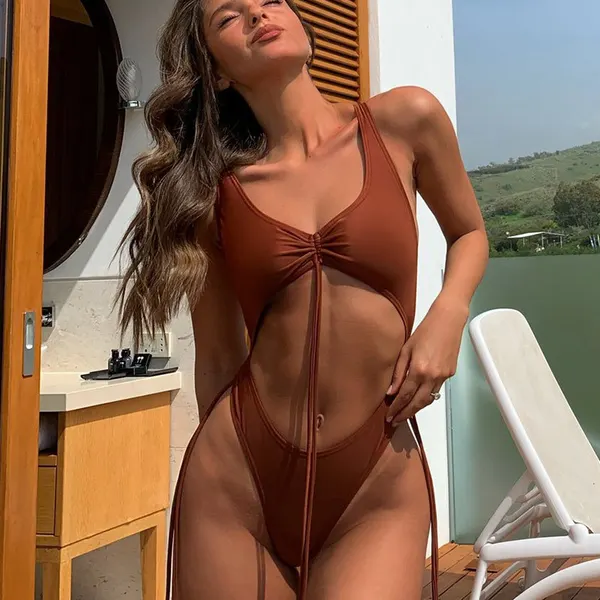
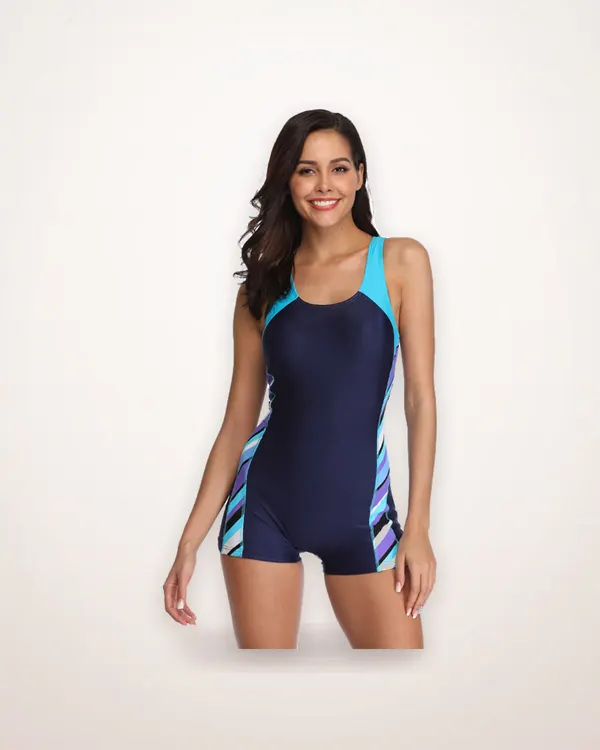
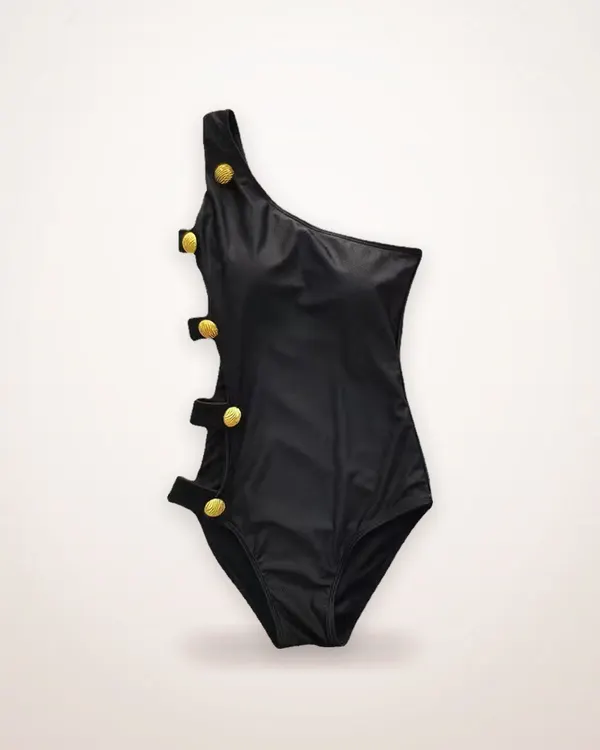
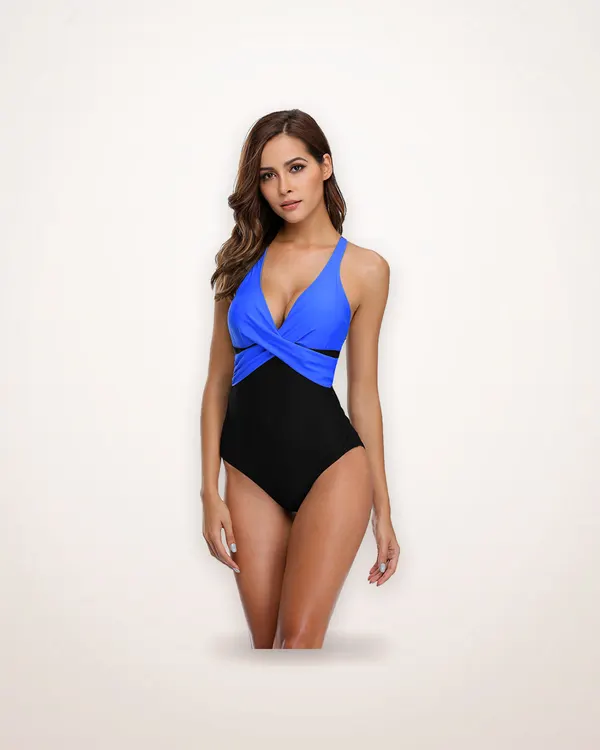
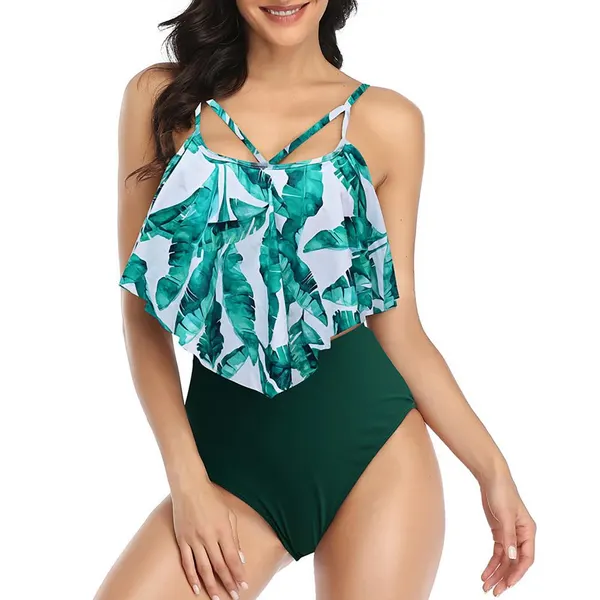
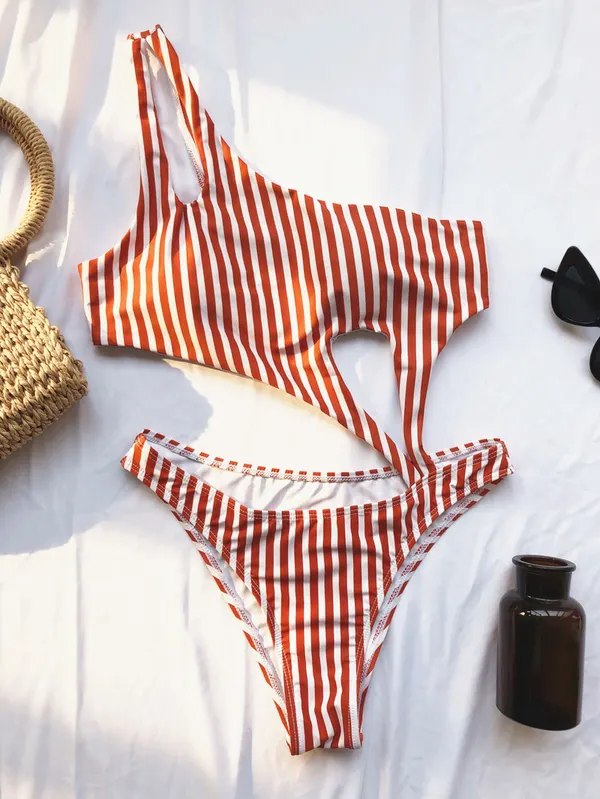
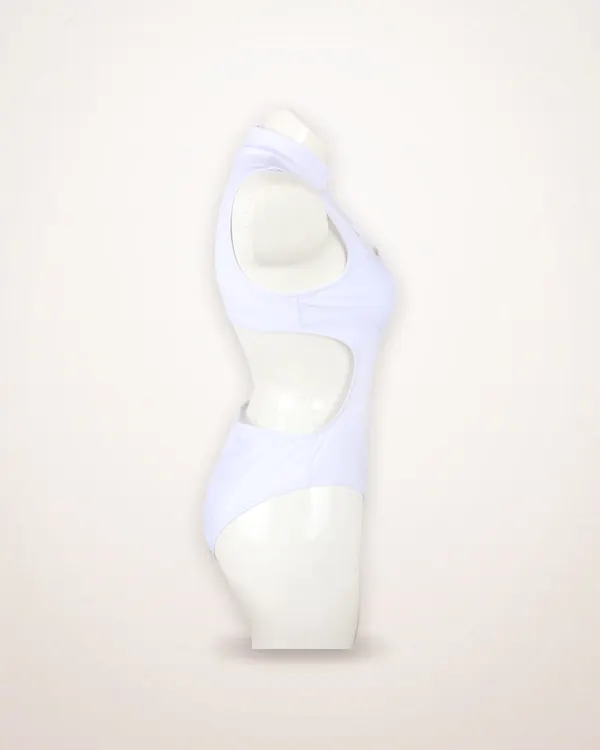
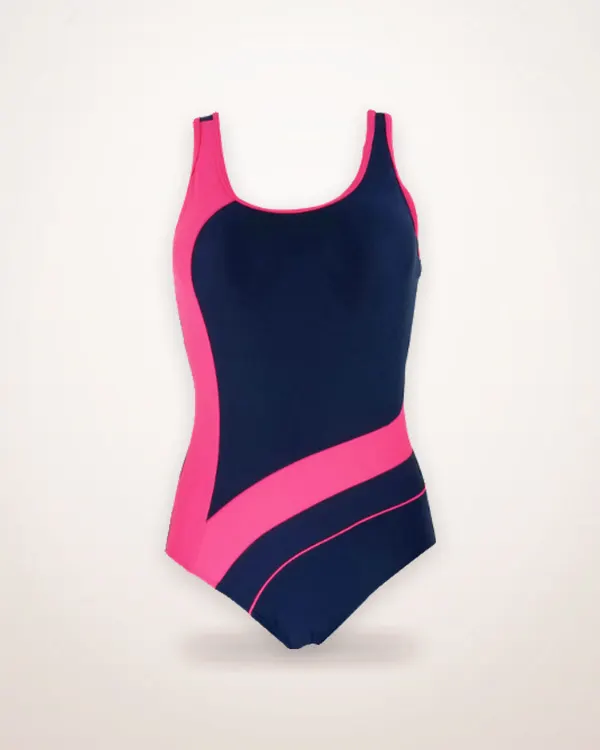
How to choose one-piece swimsuits
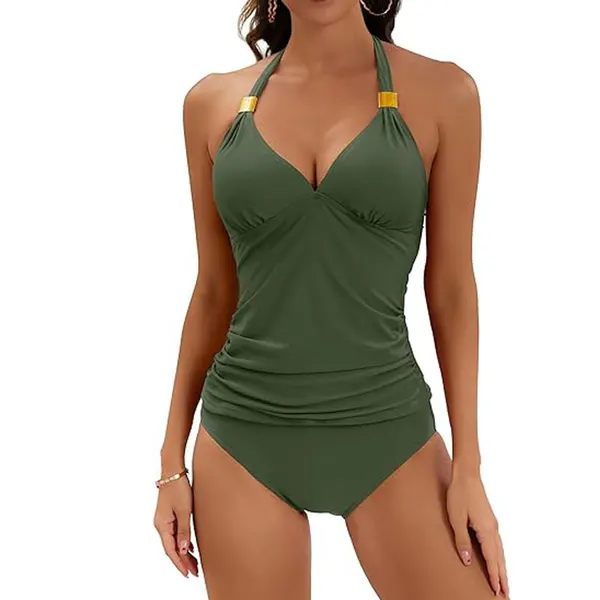
Begin with how you swim and how much coverage you want. A one-piece draws a continuous line over the torso and leaves the arms and legs free, so the cut matters more than anything else. A backless style keeps the shoulders bare and the line clean at the back; a high-waist cut draws a smooth line across the middle; a zip front lets you open the neckline for sun or close it for a streamlined swim. A sport-cut piece is the practical choice for laps and long days built around water, while a sling front or fine straps keeps the look lighter.
Fit comes next. Take your measurements and use the size chart rather than the label you usually reach for, going up if you sit between two sizes. The suit should sit close through the torso without pulling at the shoulders or digging at the leg opening. Lift your arms, bend, and turn your shoulders to check that the straps stay in place and the front does not gape. If you are choosing between two sizes, the product notes for several of our pieces point you to the larger one.
Think about the bust support you find comfortable. Soft cups, sewn-in chest pads and moulded pads give shape without wire, while an underwire style offers more structure if that is what you prefer. A high neckline or a zip front can feel more covered; a low scooped back or a sling front feels lighter and leaves more skin in the sun. Cup sizing appears on some pieces, so read the individual product notes before you decide.
Materials, details and fit
The fabric shapes how the suit feels in and out of the water. Polyester brings a smooth, fluid drape and a clean finish; nylon gives a close, supple fit that moves with you. Spandex adds stretch so the suit follows your strokes and settles back into shape. A knit can feel light and dry quickly between swims. Linings, often in polyester or spandex, add opacity and a smooth surface against the skin. Look at the fibre content on each piece if you know which hand-feel you prefer.
Details do a lot of quiet work. A sewn-in chest pad holds a smooth line; soft breast pads give shape without wire; moulded pads sit inside without wire; an underwire gives firmer structure. A zip should sit flat when closed and run without catching. Fine straps should rest lightly on the shoulder, and a cross-back or sling front should feel steady rather than tight. Check that seams, edges and any double layer sit flat against the body.
A good fit is close but not compressed. The torso should feel held, the bust supported in the way you chose, and the leg line comfortable when you walk and sit. If a suit pulls down at the shoulders or rides up at the back, try a different cut rather than a different size alone. Our product pages ask you to choose from the chart and to go up when you fall between sizes, which is the simplest way to keep the fit predictable.
How to style them
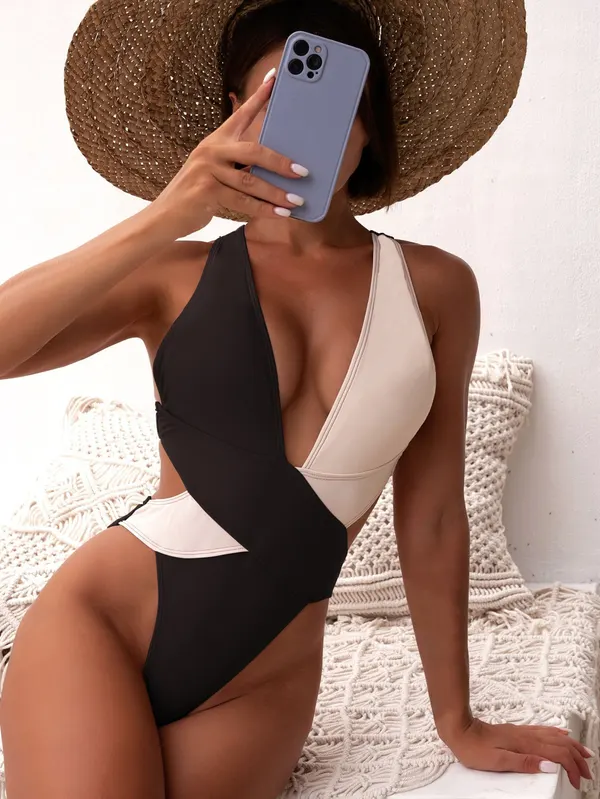
For poolside afternoons, keep the layers simple. A linen shirt over a black, navy or white suit looks clean and gives shade when you leave the water. A wide hat and a woven bag finish the picture without competing with a colour-block or striped suit. If your swimsuit is plain, let the accessories carry the colour; if it is patterned, keep the shirt and bag quiet.
At the beach, choose pieces that make moving easy. A backless style leaves the shoulders free for swimming and drying in the sun, and a zip-front piece can be opened for sun on the chest between swims. Throw a cotton shirt or a linen shirt over a sport-cut suit for a walk to the shore, and keep sandals simple. A high-waist line works well with a loose shirt left open, while a sling front looks neat under a shirt dress.
For a long lunch or a shaded break, use the swimsuit as the base layer. A colour-block piece sits well under a linen shirt, and a plain black or navy suit pairs with a cotton skirt or wide-leg trousers. Rinse the suit in cool water before you dress if you have been in the sea or pool, then let it dry flat in the shade while you eat.
Care and storage
Rinse your swimsuit in cool water after each swim, then dry it flat in the shade. This simple habit clears salt, chlorine and sand from the fibres and helps the fabric keep its feel. Avoid wringing or twisting the suit, and do not leave it rolled in a damp towel. If you use a mild soap, rinse it thoroughly afterwards.
Dry the suit completely before you fold it away. Store padded styles flat or loosely folded so the cups are not crushed, and keep the suit away from rough hooks or sharp edges in a drawer. A breathable pouch is useful for travel, but only once the suit is dry. Give it space rather than packing it tight against other clothes.
Check the straps, zip and seams before you put the suit away for the season. A zip should still sit flat, and the straps should not be twisted. Store the suit in a cool, dry place, and keep it out of direct sun for long periods. If the fabric feels stiff after a swim, a cool rinse and a flat dry in the shade will usually settle it.
Standout pieces
- Backless Sling Swimsuit: The bare back and sleek sling front keep the line clean, while smooth polyester skims the waist and hips and cup sizing runs from 32A to 36D.
- Zip-Front One-Piece Swimsuit: A front zip lets you open the chest for sun or close it for a streamlined swim, with smooth nylon and a soft lining against the skin.
- Sport One-Piece Swimsuit: A sport-cut one-piece in sizes S to XXL stays close from shoulder to hip and uses light cloth between 183 and 240 g depending on size.
- Colour-Block Cross-Back One-Piece Swimsuit: Colour-blocked panels and a crossing back bring sculpted lines to a nylon one-piece, with coffee and black kept quiet and rose red, orange and blue carrying the sun.
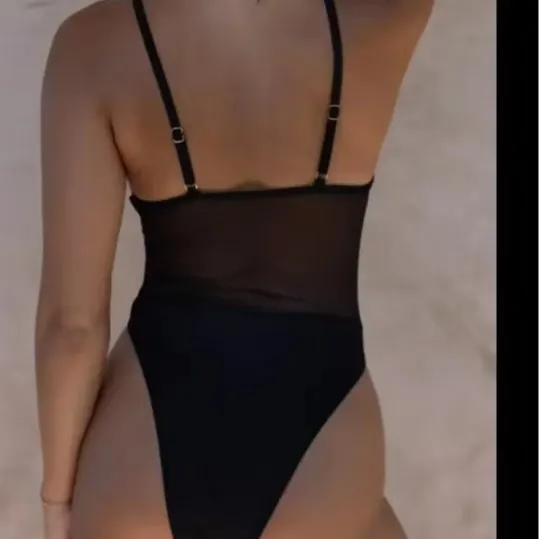
- Black One-Piece Swimsuit with Fine Straps: Fine straps rest lightly on the shoulder, a gently drawn-in waist shapes the middle, and spandex gives with every stroke while moulded pads sit inside without wire.
More one-piece swimsuits
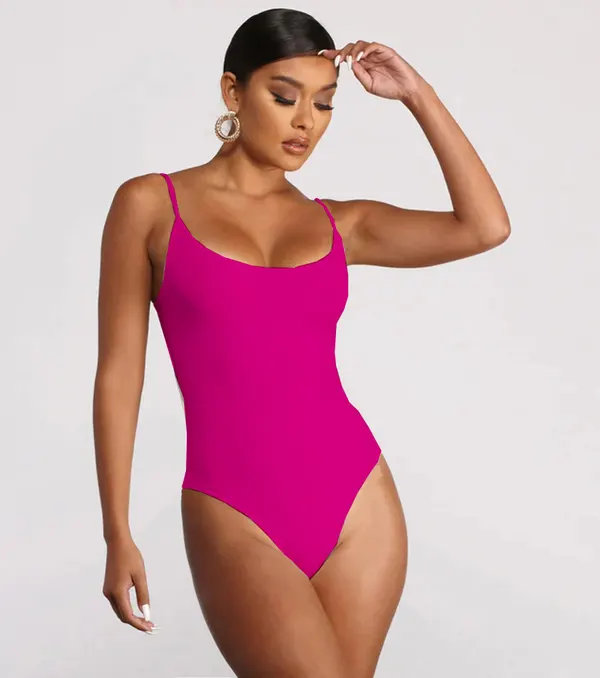
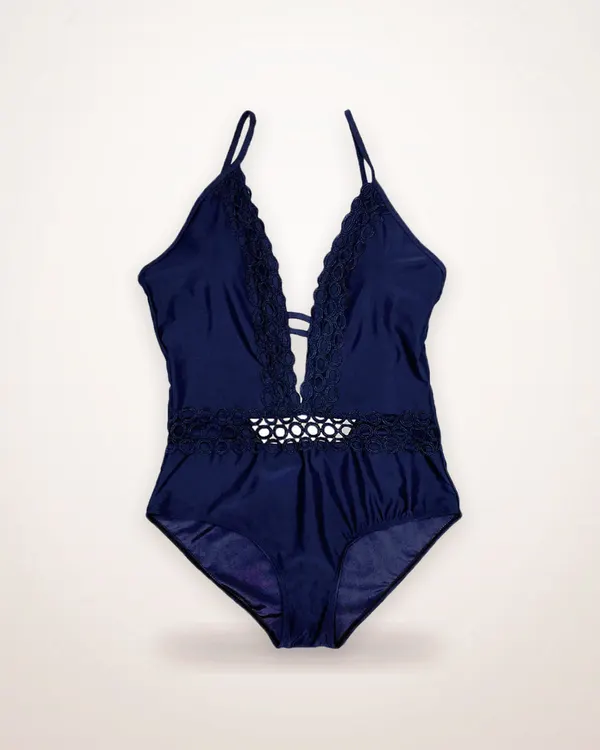
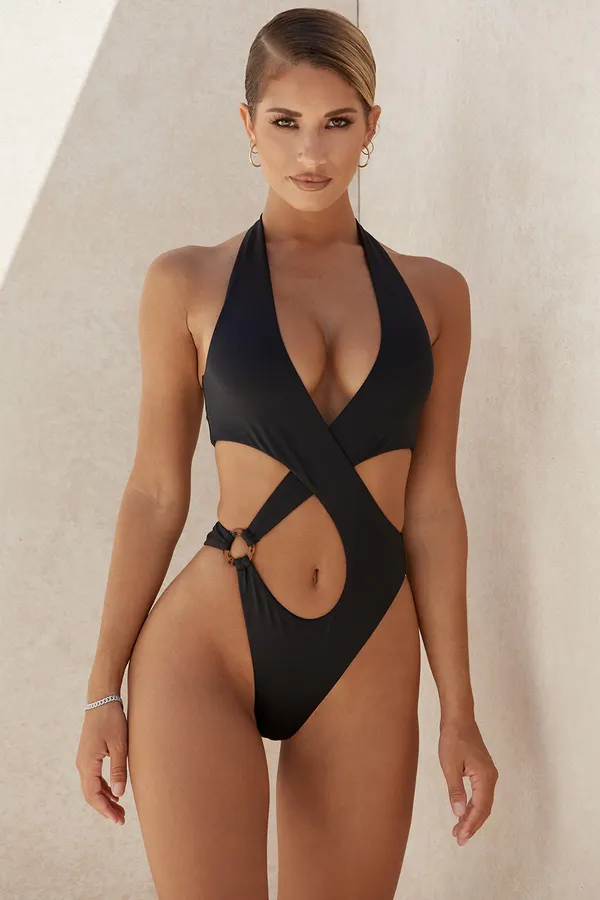
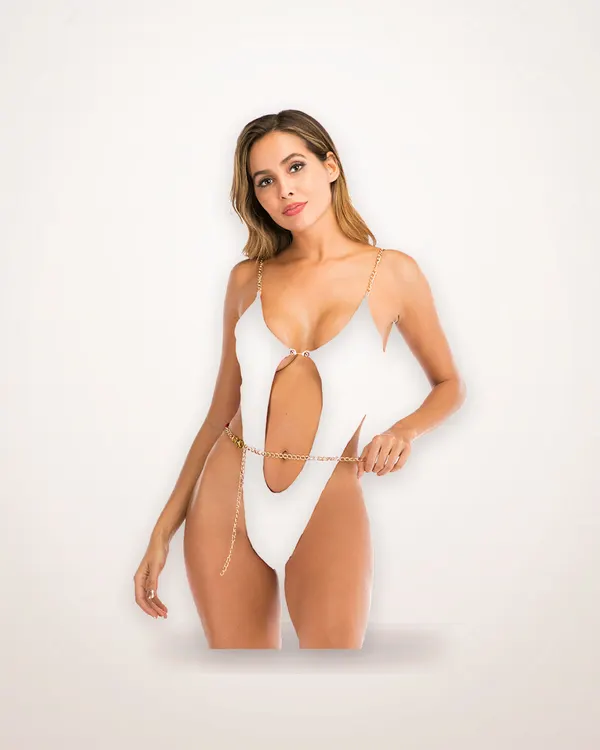

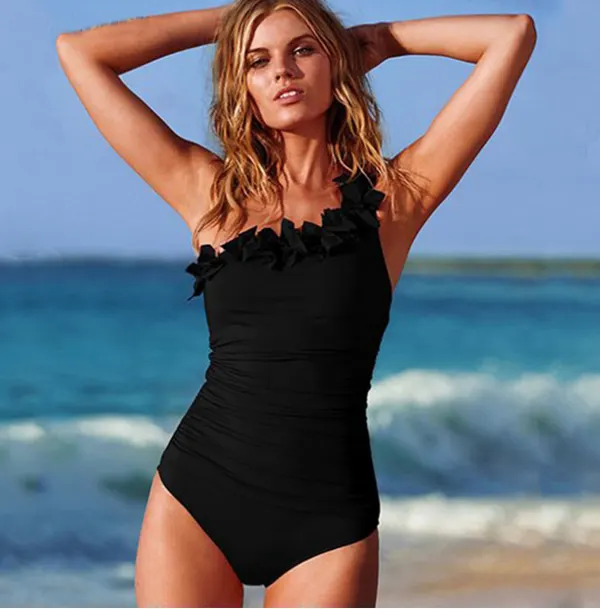
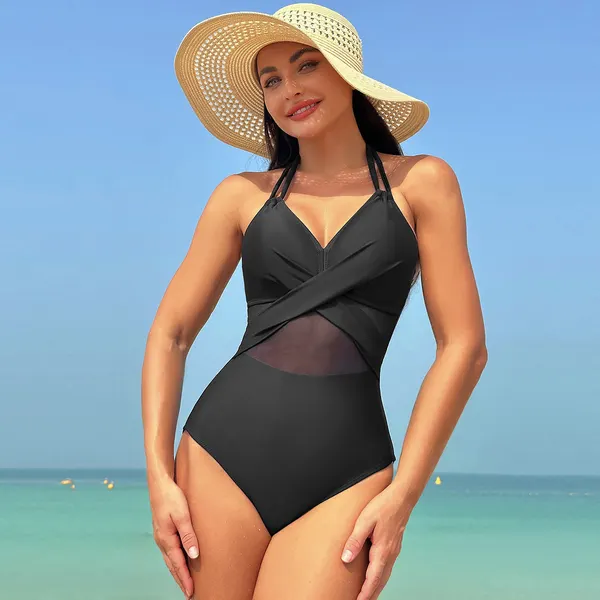
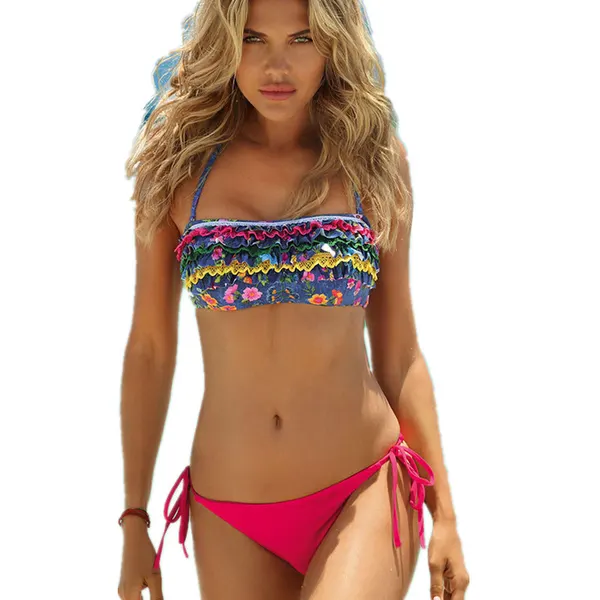
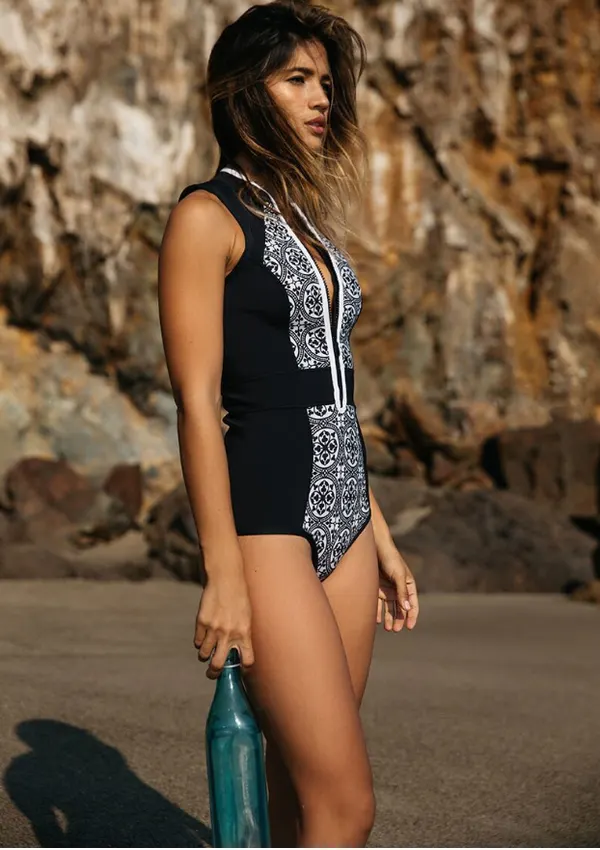
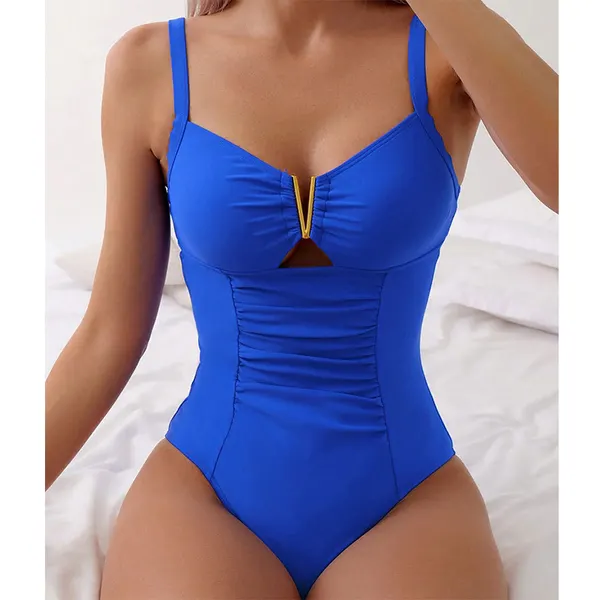

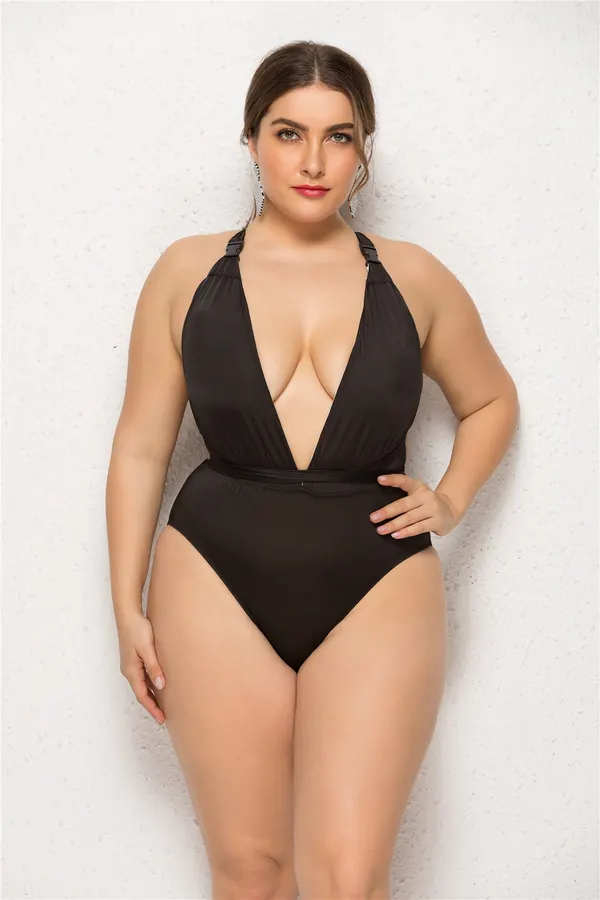
Questions
How should a one-piece swimsuit fit?
It should sit close through the torso without pulling at the shoulders or digging at the leg opening. Use the size chart and go up if you fall between two sizes, then lift your arms and bend to check that the straps stay in place.
What is the difference between polyester and nylon swimsuits?
Polyester gives a smooth, fluid drape and a clean finish, while nylon gives a close, supple fit that moves with you. Both appear in our one-piece styles, often with a lining for opacity and a smooth feel against the skin.
Can I choose a padded swimsuit without underwire?
Yes. Several of our pieces use soft cups, sewn-in chest pads or moulded pads without wire, giving shape without structure. If you prefer firmer support, look for an underwire style.
How do I care for a one-piece swimsuit?
Rinse it in cool water after each swim and dry it flat in the shade. Store it only when fully dry, and keep padded styles flat so the cups are not crushed.
More lingerie & swim buying guides
This guide is written with the help of AI from the details on our own product pages and checked automatically before it is published. Product facts come only from those pages. All buying guides · Gift guides · Beauty Journal