


Trench coats: how to choose
A guide to choosing a trench coat by length, cloth and fit, with five pieces from our collection for work, weekends and evenings.
At a glance
- Prices today
- $15.99 to $106.99
- Colours
- black, khaki, green, red, brown, blue, white, navy, coffee, grey, wine, pink
- Materials
- knit, polyester, denim, leather, faux leather, suede
- Finishes
- matte, cream
- Details
- double-breasted, belted, button, pockets, lightweight, adjustable
From the product pages of the pieces in stock now. Prices update with stock and are shown in your currency.
Shop trench coats
All Coats & Jackets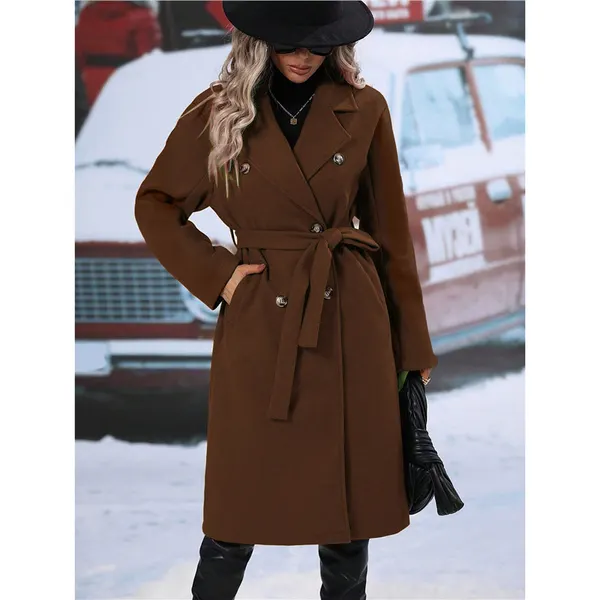
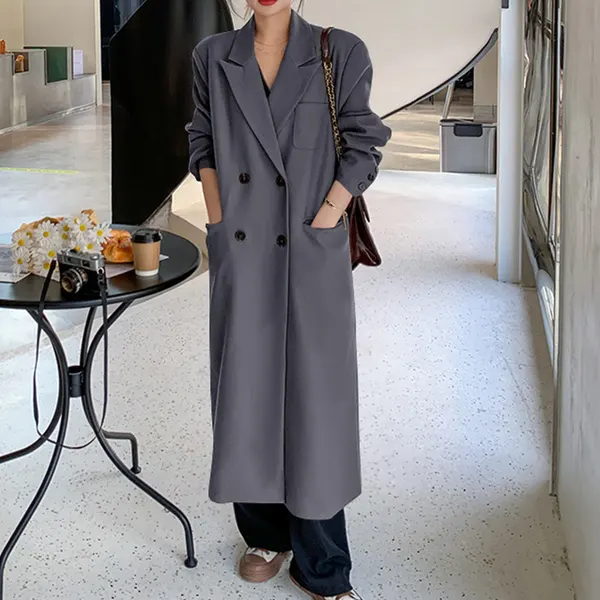
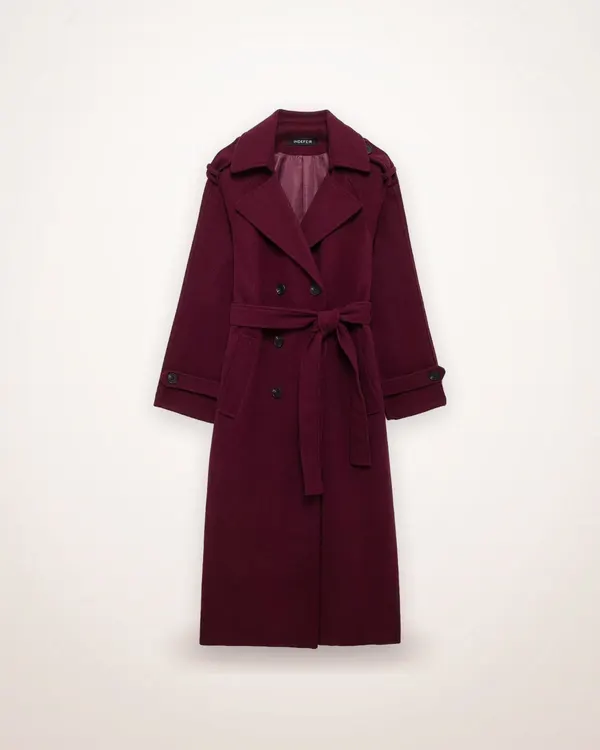
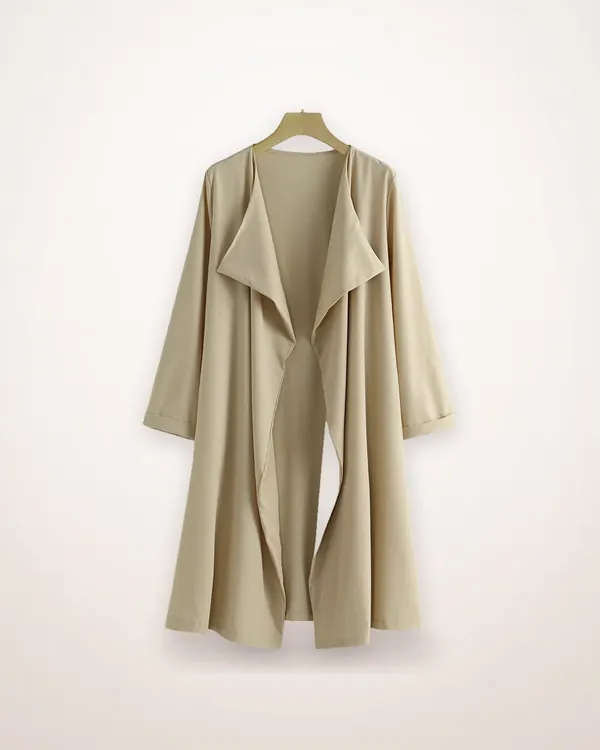
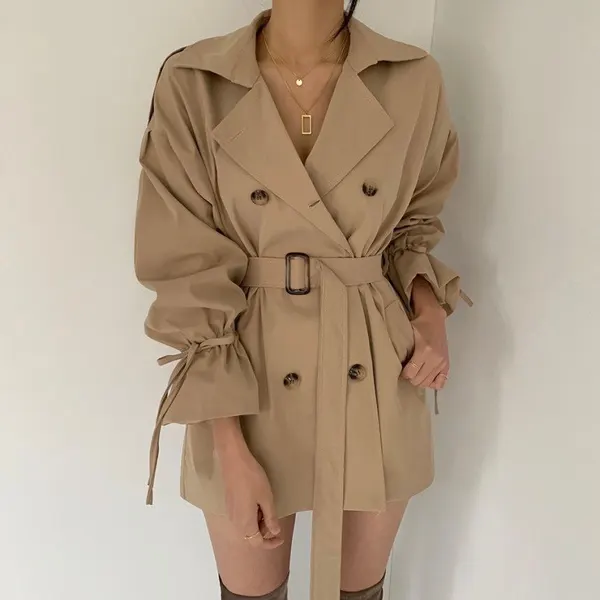
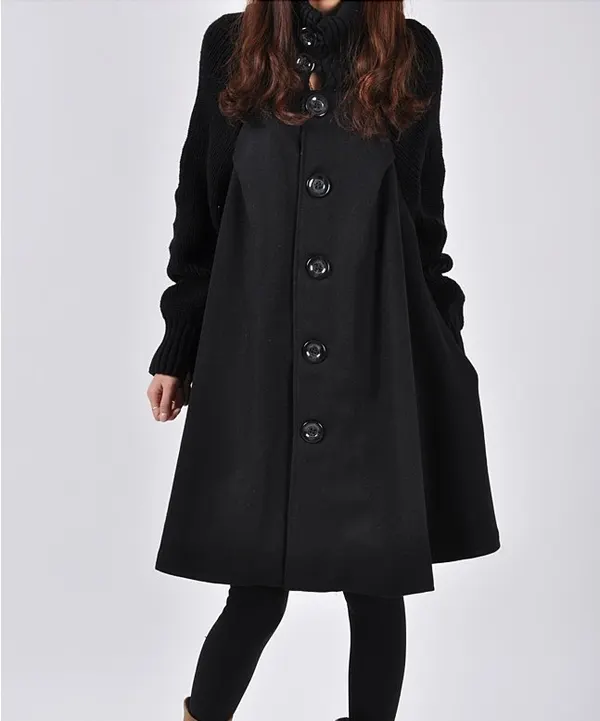
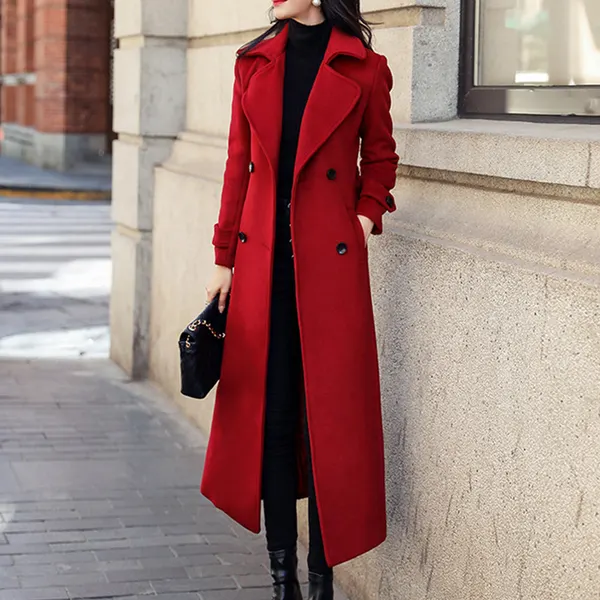
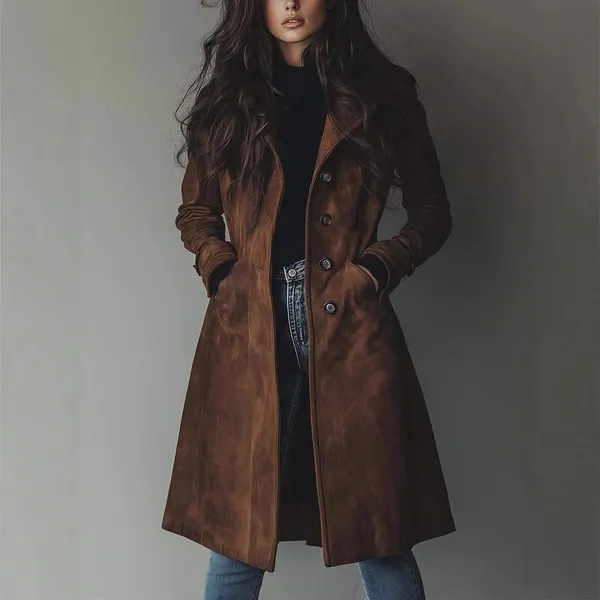
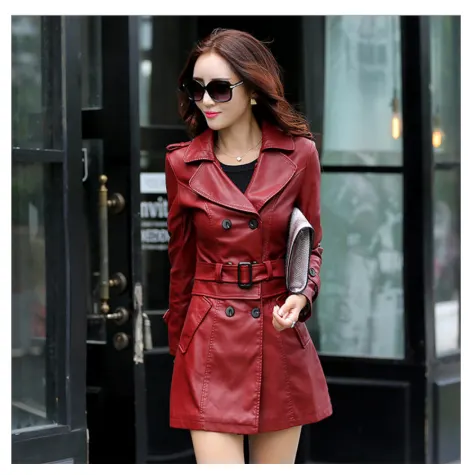
How to choose trench coats
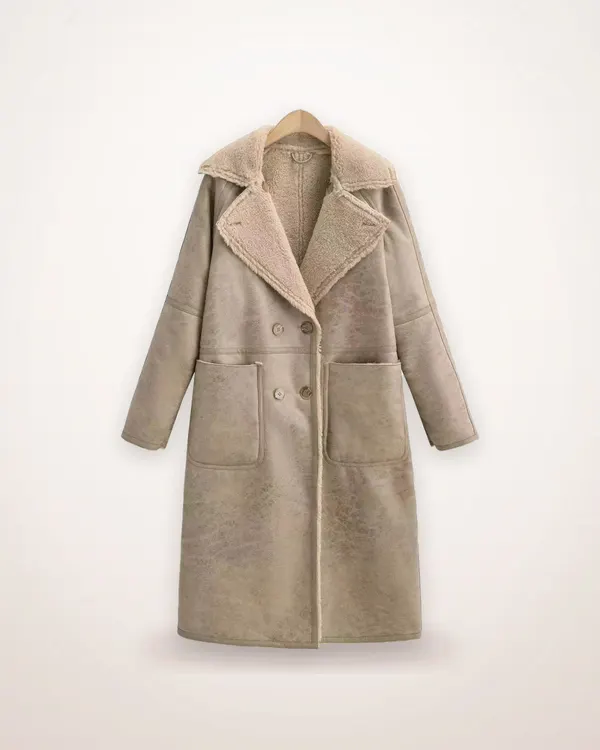
A trench is easiest to choose once you decide where the hem should sit. A mid-length cut covers hip and thigh without dragging at the shoulders, which makes it the more versatile choice if you wear tailoring, denim and dresses in the same week. A longline cut falls at the knee and below for a longer, more composed line.
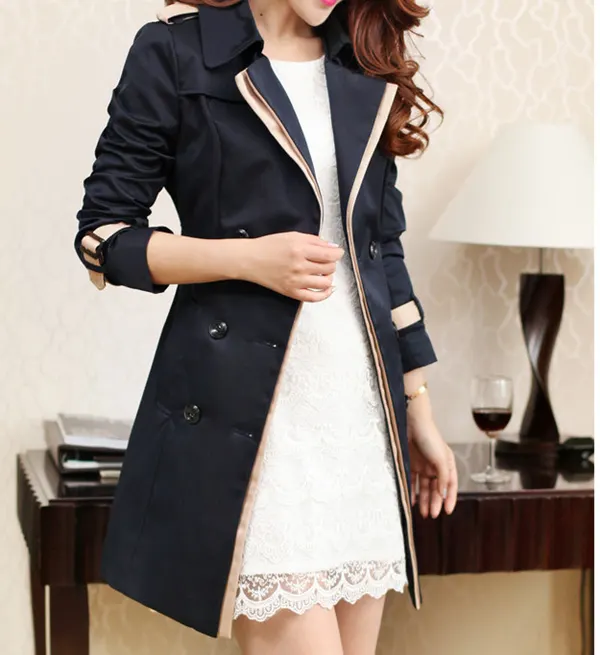
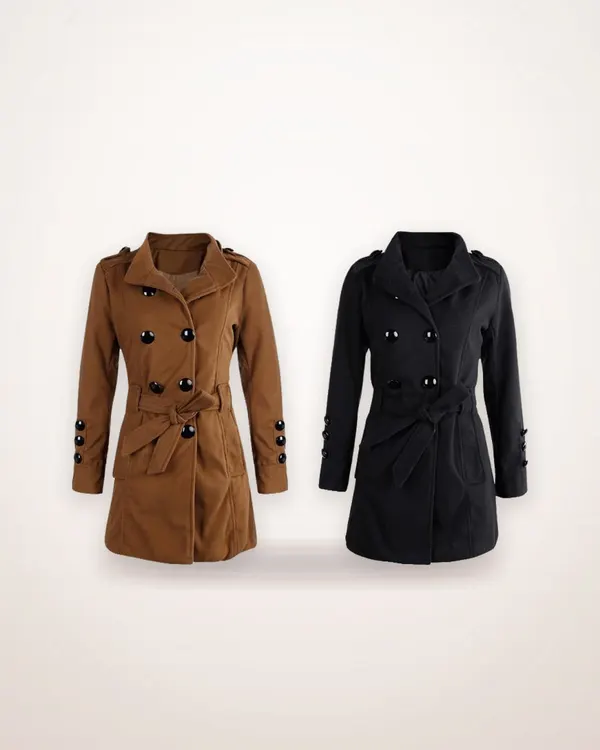
Look at the front and the collar next. A double-breasted front with a lapel collar gives structure across the chest; a suit collar reads crisper; a straight-cut front keeps the line quiet and lets the rest of the outfit speak. Pockets are worth checking if you carry your phone and keys on you rather than in a bag.
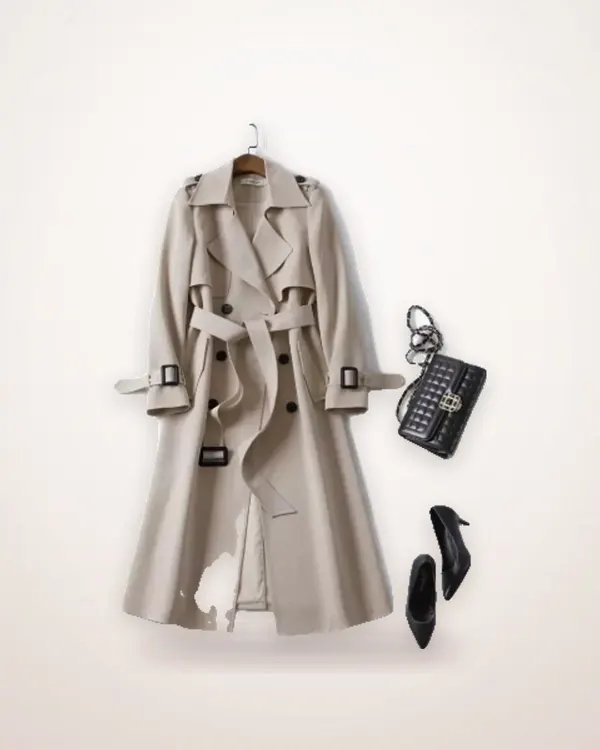
The belt changes how the coat behaves. Drawn in, it defines the waist over a straight dress or tailored trousers; left open or knotted at the back, the coat hangs clean and easy.
Then think about what goes underneath. A shirt or fine knit needs less room than a blazer, and a coat cut slim will sit close over the first and tight over the second. Decide that before you look at the size chart.
Materials, details and fit
Most of our trenches are cut in polyester, and it does a specific job: a solid outer layer with a smooth, dry hand that holds the edge of a lapel and keeps its shape through a long day. Medium-weight versions layer without bulk; thicker versions hold a structured collar and a straight fall at the front. One longline style is wrinkle-resistant, so it comes off the hanger ready to wear, and one straight-cut style has stretch in four directions, following the shoulders and arms without feeling rigid.
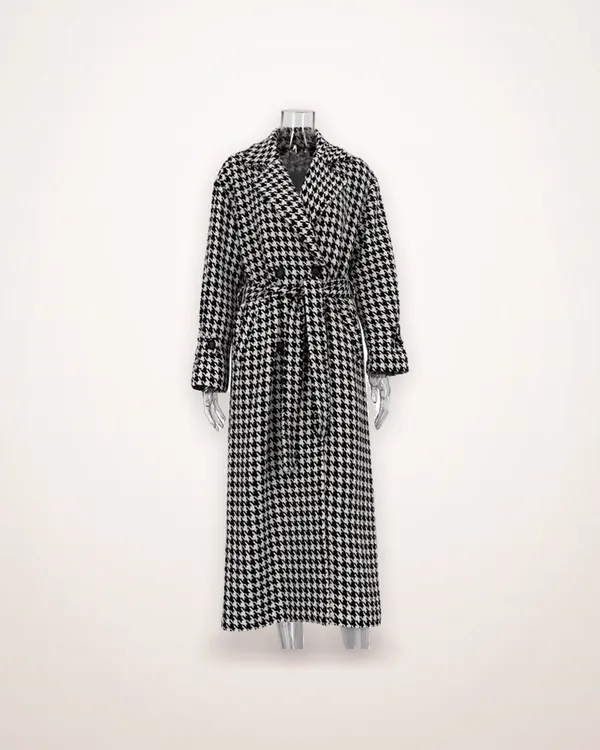
Where the cloth is textured, the coat reads warmer. A dense tweed weave brings quiet texture to a solid colour; a cotton-rich blend has a matte surface with enough weight to hold a straight line; a wool-touch cloth feels dense and soft with a matte finish. An acetate-rich cloth gives a subdued sheen and a fluid drape, and smooth PU leather brings a soft sheen that catches the light without turning glossy. Weight varies too, from roughly 850 to 910 grams in a mid-length style to 1150 grams in a longline one.
Fit matters more than the number on the label. A slim cut follows the shoulder and waist, so take a size up if you want to wear a blazer beneath; a long, roomy line takes your usual coat size over knitwear, or one size up for more space across the shoulders. Where sizing runs one to two sizes smaller than European and US measurements, choose the larger option when you are between two and check the chart, allowing two to three centimetres' difference from manual measurement.
How to style them
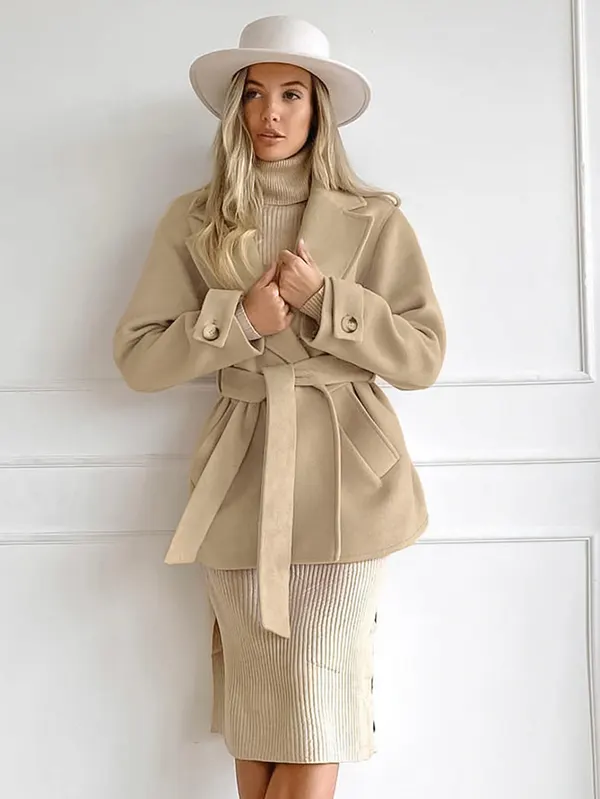
For the working day, let the trench do the tailoring. A longline cut over a suit or tailored trousers gives a composed line, and a double-breasted front with a lapel collar keeps the neckline crisp above a shirt. A mid-length straight cut sits neatly over a midi skirt and a fine knit and stays out of the way when you sit down.
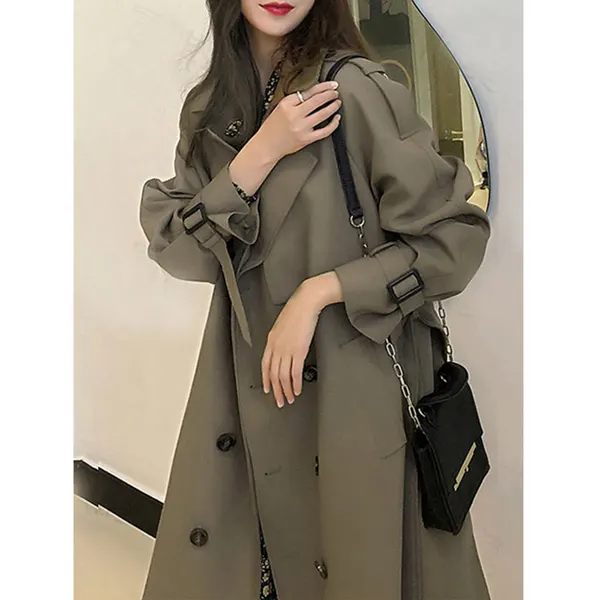
At the weekend, loosen everything. Wear the same coat over a light knit and denim, leave the belt open and let the hem fall where it will. A roomy longline shape is easier over a chunky knit; a slim cut works better over a fitted knit or a dress.
Colour decides the mood. Khaki and black carry almost any outfit; red and wine give a bold note and sit well against grey, navy or denim; green, blue and pink soften the line; brown and coffee feel warmer in daylight. If you already own a neutral trench, a second in red or wine is the more interesting choice.
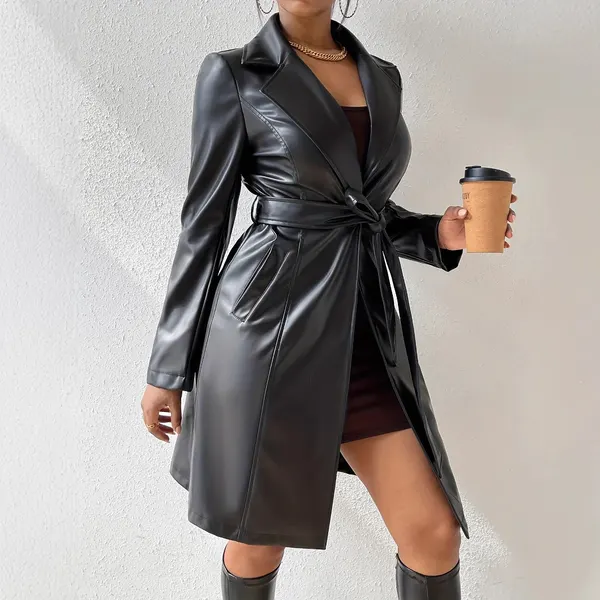
For an evening, a slim PU leather trench over a slip dress or a fine knit takes the same shape into darker hours. Tie the belt at the front for shape, or knot it loosely at the back and let the coat swing.
Care and storage
A trench keeps its line if you give it a little attention between wears. Unfasten it when you take it off, shake it out, hang it on a broad hanger that fills the shoulders and let it air for an hour or two before it goes back in the wardrobe. A soft clothes brush removes dust; work downwards along the weave rather than scrubbing at a mark.
Follow the care label inside your coat, since the cloths differ across the range. As general practice, a cool iron through a cotton cloth or a steamer held slightly away from the surface smooths creases in most woven coats; press a lapel from the inside and avoid pressing over buttons and belt hardware. PU leather needs different handling: wipe it with a damp cloth, keep it away from direct heat and never press it with an iron.
Store a long coat in a breathable cover rather than a sealed bag, with a little space either side so the cloth does not crease against other garments. Roll the belt loosely instead of hanging the coat by it, which distorts the waist and shoulder over time.
Rotate your coats through the season rather than wearing one every day, and check the shoulder seams and buttons at the start of each season. A loose button is a two-minute repair at home.
Standout pieces
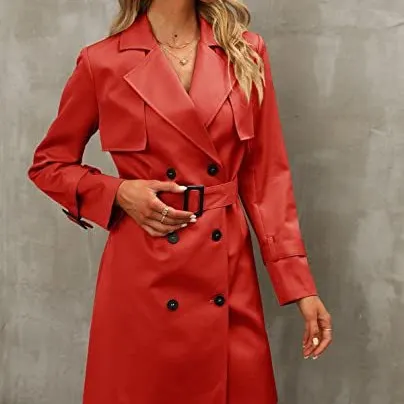
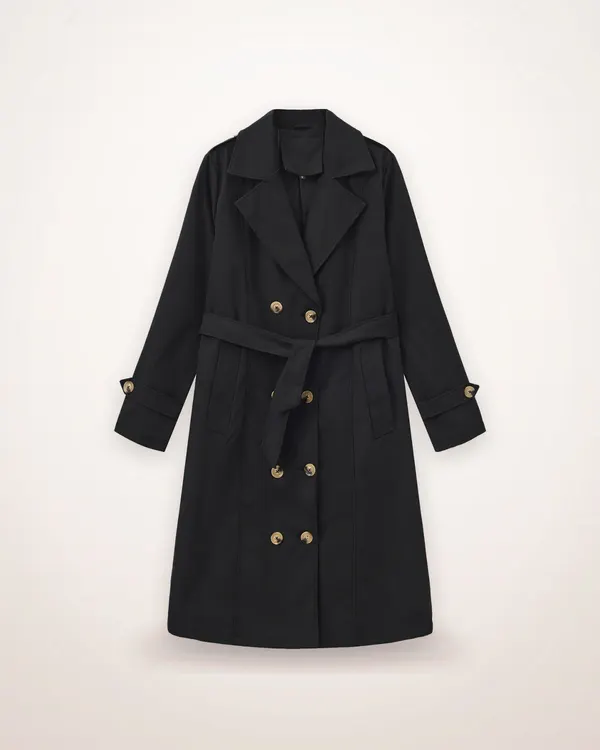
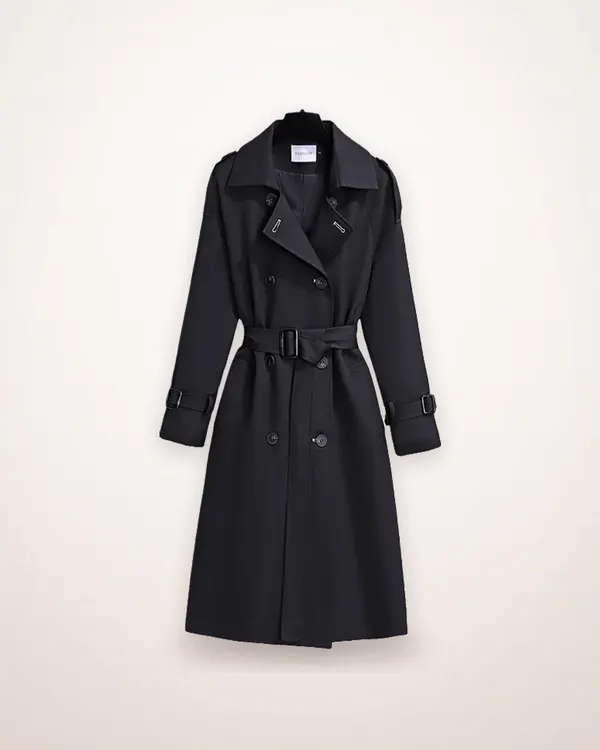
- Belted Double-Breasted Trench Coat, Long: A longline polyester trench with a double-breasted front, lapel collar and a belt that defines the waist, in red, black or khaki.
- Thickened Tweed Trench Coat: A dense tweed weave in a clean trench line, cut to medium length and offered in green, pink, grey, blue and black.
- Double-Breasted Tie Trench Coat: An acetate-rich cloth with a subdued sheen and a fluid drape, gathered at the waist with a tie you knot to your own shape.
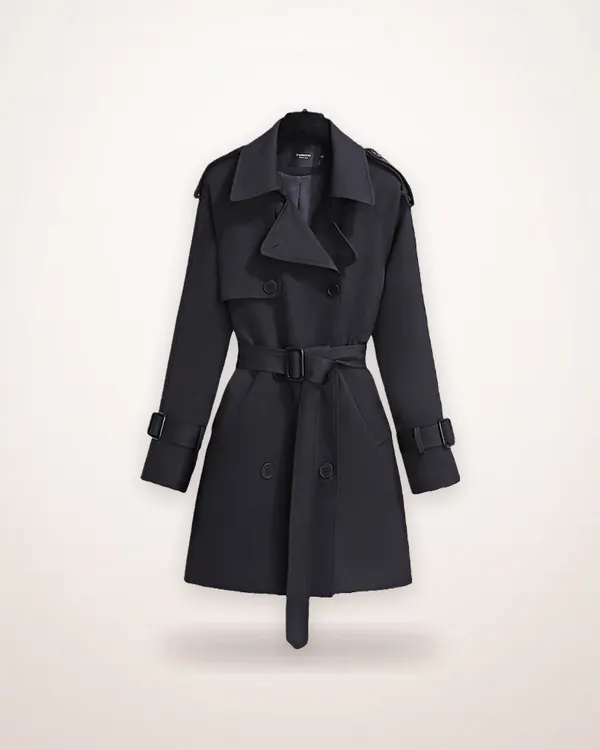
- Mid-Length Trench Coat: A soft wool-touch cloth with a quiet matte surface, cut to mid length and made in sizes M to 5XL.
- Slim-Fit PU Leather Trench Coat: A slim cut in smooth PU leather with a soft sheen, close through the shoulder and waist for layering over fine knitwear or an evening dress.
More trench coats

Questions
What is the difference between mid-length and longline trench coats?
A mid-length trench covers hip and thigh and finishes past the hip, while a longline cut falls at the knee and below. Mid-length is the easier partner to tailoring and skirts, and longline gives a longer, more composed line.
How do I choose the right size in a trench coat?
Check the size chart on each piece first, since sizing runs one to two sizes smaller than European and US measurements and manual measurement allows two to three centimetres' difference. Choose the larger option when you are between two, and take a size up if you plan to layer over a blazer.
Should I tie the belt or leave it open?
Both work, depending on the shape you want. Tying it at the front defines the waist over a dress or tailoring, while leaving it open or knotted at the back lets a longline coat hang straight.
Can I wear a trench coat in cold weather?
Yes, if you choose the cloth for the season. Thick polyester, dense tweed and wool-touch cloths hold their shape over knitwear, and a longline cut gives more coverage. Allow room across the shoulder for the layers you plan to wear beneath.
More clothing buying guides
This guide is written with the help of AI from the details on our own product pages and checked automatically before it is published. Product facts come only from those pages. All buying guides · Gift guides · Beauty Journal