


Slip and satin dresses: how to choose
A guide to choosing slip and satin dresses by fabric, fit, length and colour, with styling and care notes to help you choose well.
At a glance
- Prices today
- $8.99 to $83.99
- Colours
- black, blue, white, red, pink, green, wine, rose, brown, navy, yellow, khaki
- Materials
- polyester, satin, lace, knit, spandex, cotton, straw
- Finishes
- liquid
- Details
- stretch, high-waist, zip, lined, lace-up
From the product pages of the pieces in stock now. Prices update with stock and are shown in your currency.
Shop slip and satin dresses
All Dresses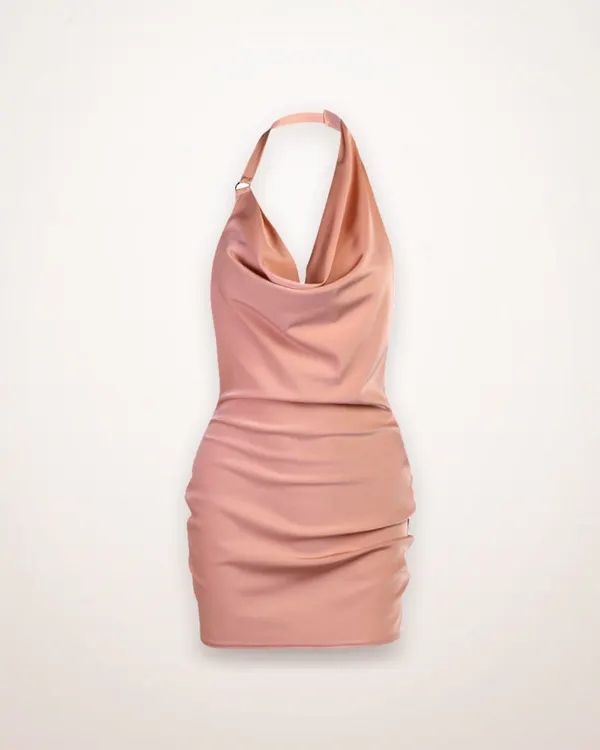




How to choose slip and satin dresses
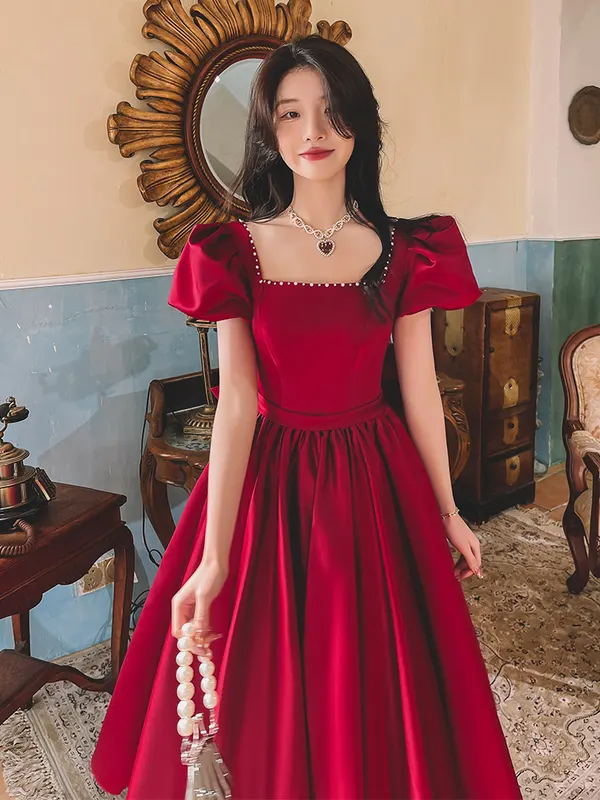
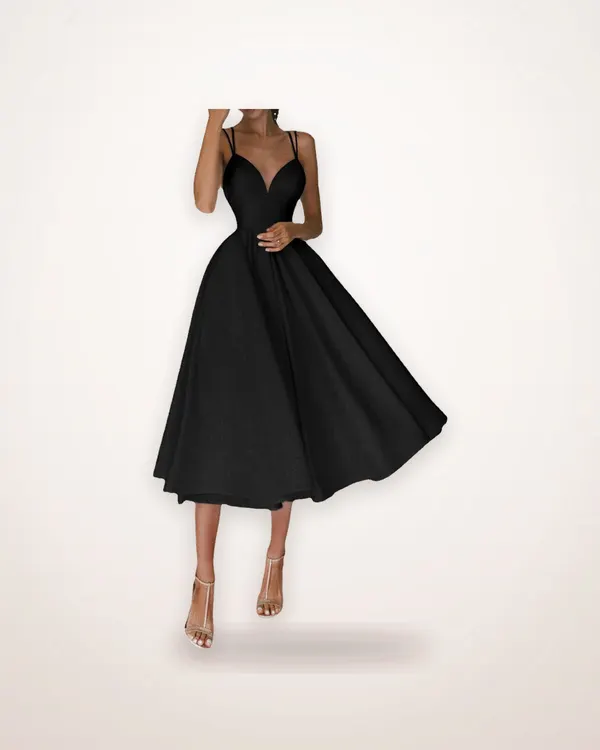
Start with the evening you have in mind, then work backwards to length and line. A short A-line skirt that swings as you walk suits a summer party or a long dinner where you will be standing; a midi hem with an uneven edge and a slit keeps the dress moving from afternoon into evening; a maxi that drops in one long line from a high waist is made for late tables and wedding receptions. If you want one dress to answer several invitations, a midi is the most adaptable length and a dark tone the most forgiving.
Fit matters more than anything with this family of dresses, because the fabric tells the truth about the line beneath it. Most of our pieces are cut to sit close through the bust and waist, so take your usual size against the size chart rather than sizing down for a looser look. Where the cut runs small against EU and US sizing, size up if your measurements fall between two. A few designs solve the question themselves: a lace-up back lets you draw the fit to your own measure at the waist, and tie straps let you set the neckline where it sits best on you.
Where the waist seam falls changes the whole proportion. A high waist set at the natural waist lengthens the line below it, which suits a long skirt particularly well; a mid waist seam with a gathered skirt gives a softer, more fluid shape. Consider your shoulders too, since these dresses tend to leave them bare. A halter tie, a single shoulder, a deep U neck and a clean V each frame the neck differently, and the one you choose should be the one you feel least aware of wearing.
Materials, details and fit
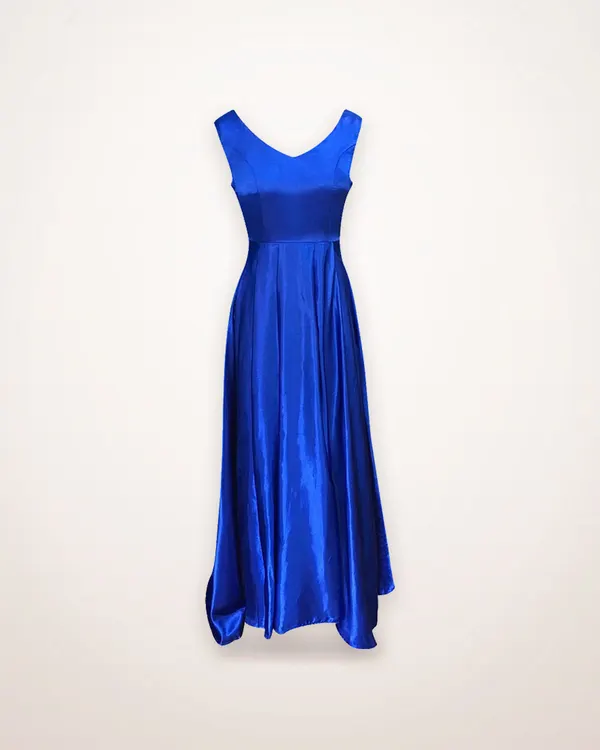
Satin is the thread that runs through this collection, and it behaves differently depending on the cloth beneath it. Polyester satin holds a soft, liquid sheen that deepens in shadow and brightens as you turn, which is why a wine or navy reads rich rather than flat across a room. A high elastic satin carries more stretch, so it skims the body rather than gripping it, while a plain polyester crepe gives a lightly pressed, quieter grain with less shine. Cotton does the work in our denim slip at 65 per cent, with polyester for body and a measure of spandex so the cloth moves with you.
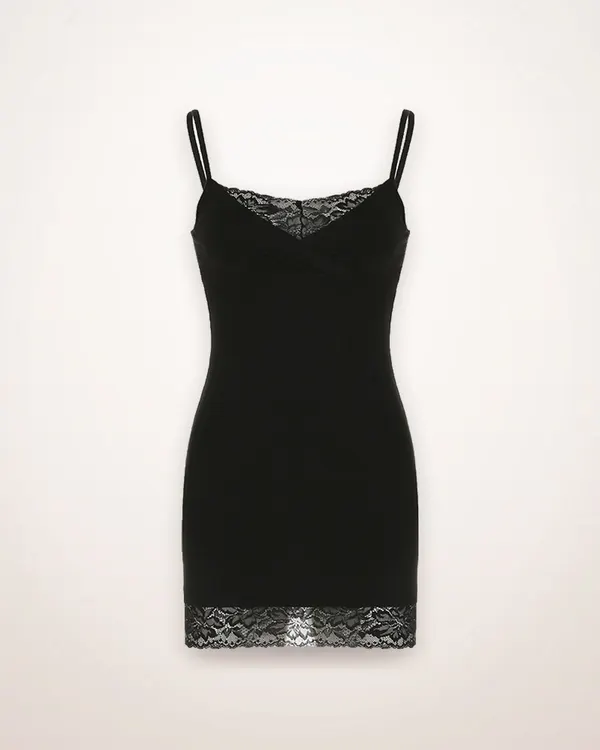
Look at the construction as carefully as the colour. A lined bodice sits more smoothly, a zip at the back keeps the line clean from shoulder to hem, and internal gripper tape along a strapless edge helps the dress stay where you placed it. Sleeves change the mood more than you might expect: a puff sleeve gathered at the shoulder softens the bodice, a three-quarter sleeve brings quiet coverage, and lace at a short sleeve adds a fine texture against smooth fabric.
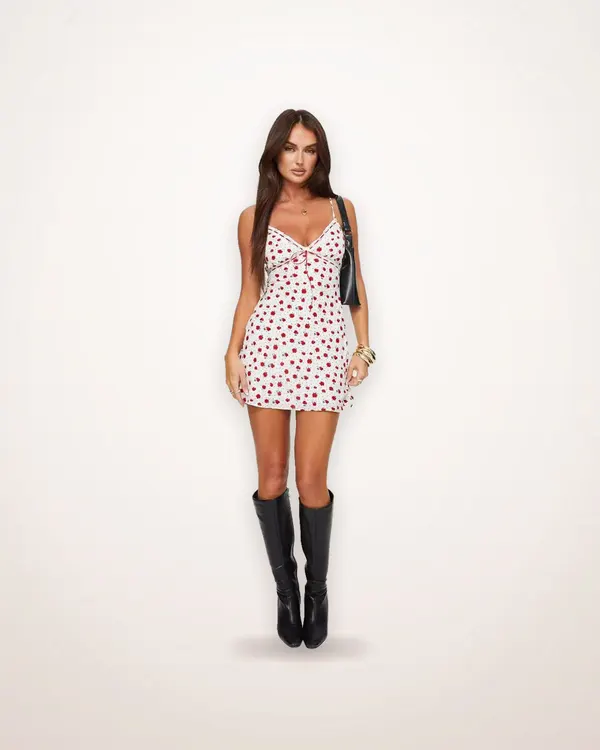
Colour deserves its own moment. Black reads quiet and sculptural, wine and navy hold deep shine, rose and pink soften the same cut considerably, and green and blue feel cooler and more unexpected. Prints are worth considering if you want the dress to do more of the work, such as floral options in red flowers and Tibetan blue flowers on a simple silhouette. Hold the fabric to the light if you can: a liquid finish will shift as it moves, while a matte surface stays still.
How to style them
Let the dress set the tone and keep everything else quiet. A strapless or one-shoulder line leaves the neck and shoulders bare, so a single fine chain or a pair of drop earrings is usually enough; a round neck or a higher neckline carries a longer pendant or a stack of thin bracelets better. Shoes follow the hem: heeled sandals for a maxi, a slim heel or a flat leather sandal for a midi, and something light for a short skirt. A small bag with a thin strap keeps the line clean.
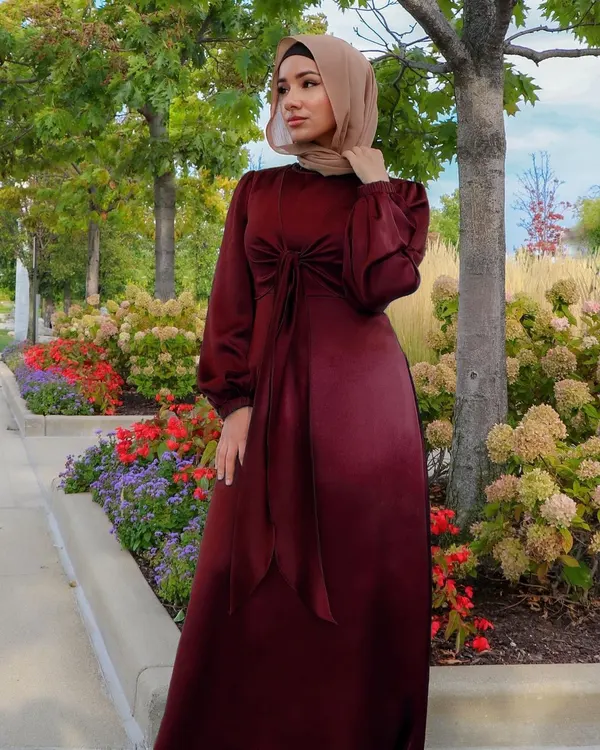
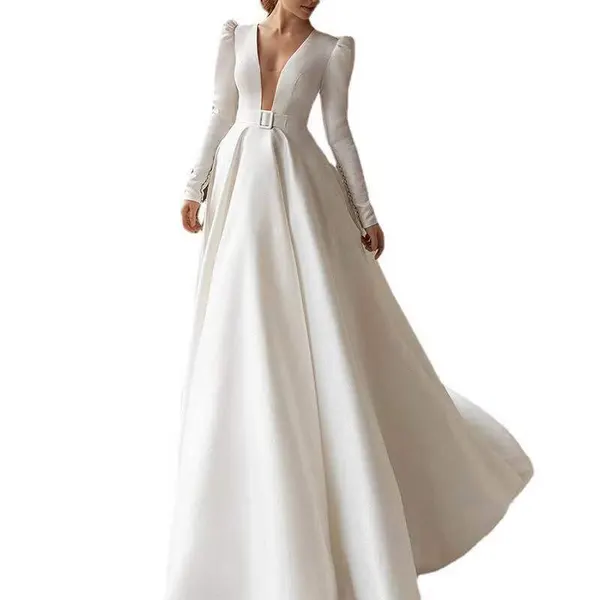
Layering is the practical answer for anything that starts in daylight. A close-fitting knit over the straps, a light jacket, or a shirt left open turns a slip dress into something you can wear to lunch and then to dinner. A long-sleeve satin style or a kaftan cut already carries its own coverage, which makes it the easier choice for a family celebration or a daytime gathering where you want to look considered without thinking about a wrap all afternoon.
For the face, keep makeup in the same register as the dress: a satin finish on the skin and one defined feature, a stronger lip with wine or red, a softer eye with rose, pink or white. Skincare before a long evening is its own ritual, and if a concern persists, speak to a professional rather than working through products at random. The dress will carry the shine; your job is only to look like yourself in it.
Care and storage
Read the label on your piece before you wash it, because the fibre blend decides everything. As general guidance, satin and crepe do well washed inside out on a cool, gentle cycle or by hand, with a mild detergent and no fabric softener, then hung or laid flat to dry away from direct heat. Velvet prefers the same restraint and dislikes being pressed hard, since pressure flattens the pile, so steam it gently from a distance or hang it in a steamy bathroom instead.
Store slip dresses on a padded hanger or folded loosely in a drawer, and give satin and velvet room rather than compressing them against other clothes. Keep anything with a lace-up back, a zip or a rough fastening away from fine fabric so it cannot catch, and fold velvet so the pile is not crushed under weight. If a dress has a lace panel or a pleated section, hang it rather than folding along those details.
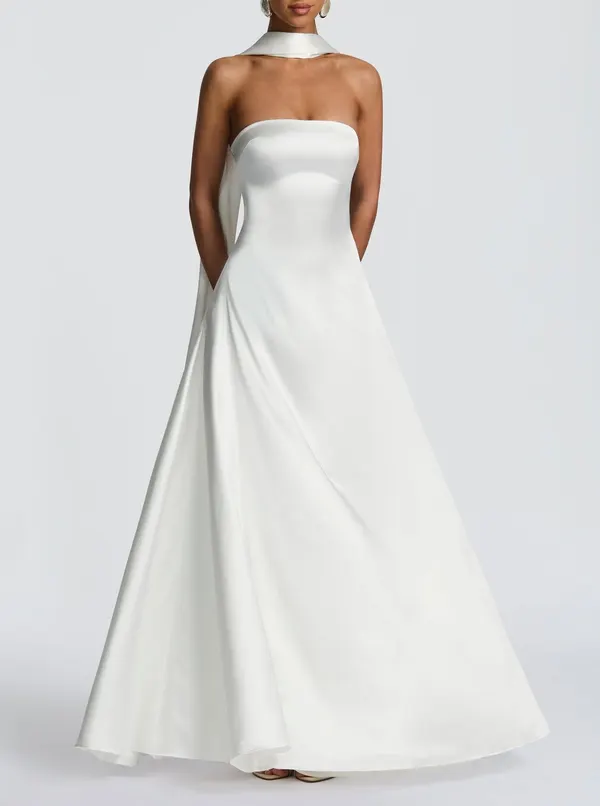
Between wears, air the dress somewhere cool for an hour or two before putting it away, and deal with a mark promptly with a damp cloth and a light hand rather than rubbing at it. Check straps and seams before an evening out, since fine straps take the strain when you sit and stand. Keep a scarf with a strapless dress if it came with one, and store the two together so you are not hunting for it at the last minute.
Standout pieces
- Satin Ruched Slip Dress with Tie Straps: A side drawstring lets you pull the same gathered satin dress to mini or midi length, while tie-up halter straps set the neckline where it sits best, in white, pink and black.
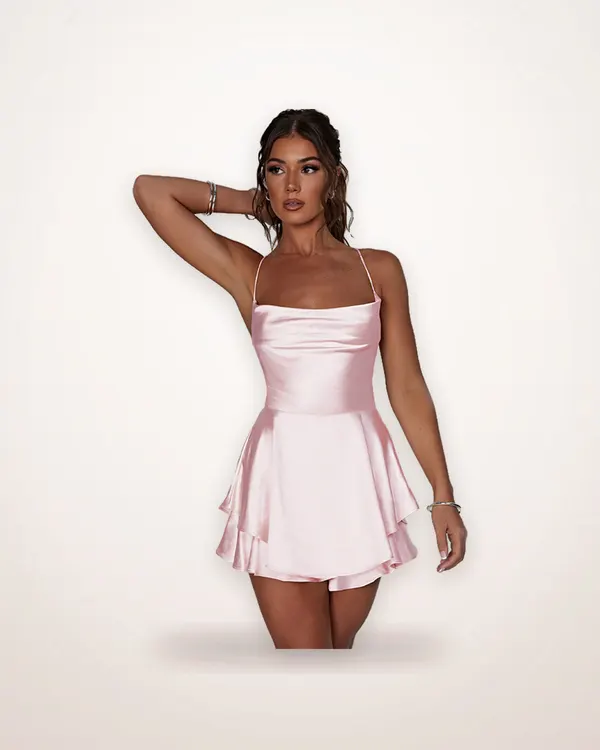
- Satin A-Line Slip Dress with Lace-Up Back: Fluid polyester satin falls from slim straps into a short A-line skirt, and the lace-up back lets you set the fit yourself at the waist.
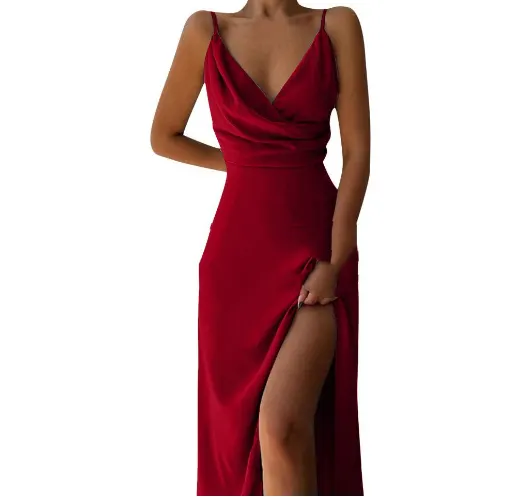
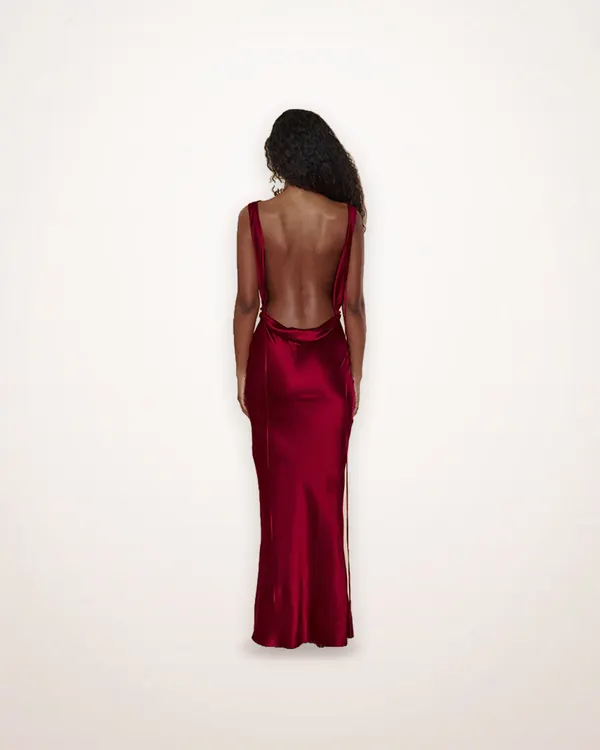
- High-Waist Satin Slip Maxi Dress: High elastic satin with plenty of stretch is gathered at a high waist and dropped in one long fluid line, with slim straps and an open back for warm nights.
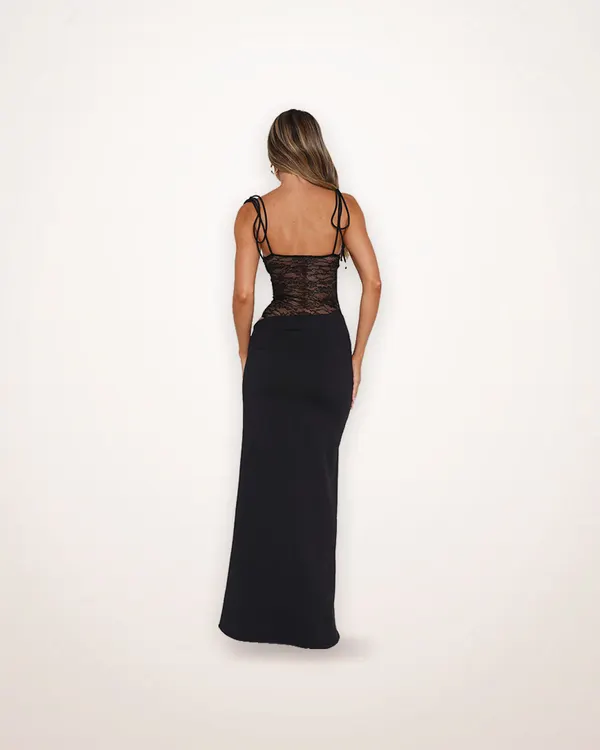
- One-Shoulder Satin Slit Maxi Dress: Cut from 100 per cent polyester satin, this single-shoulder dress sits close through the waist and hip before falling to a long hem with a slit that opens as you walk.
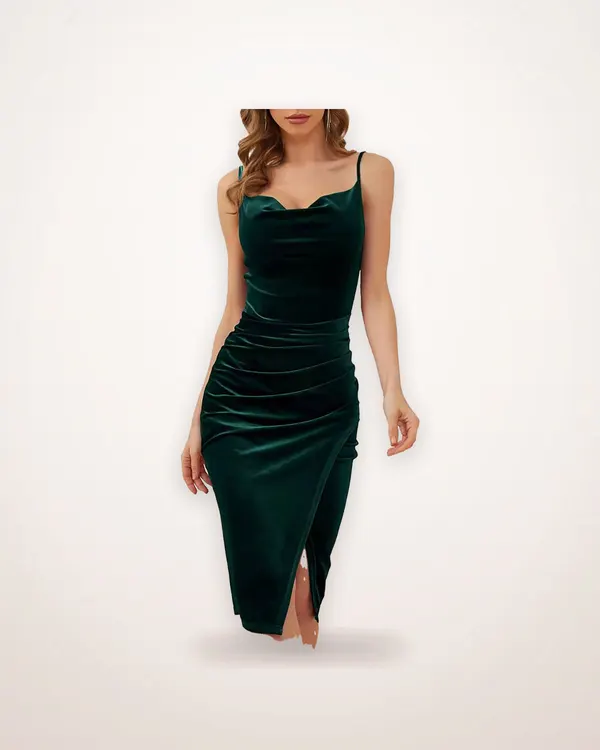
- Pleated Velvet Slip Midi Dress: A pleated panel runs down the front of the velvet to draw out a soft sheen, while a side slit keeps the midi hem moving and narrow straps hold a clean line at the shoulder.
More slip and satin dresses


Questions
How should a satin slip dress fit?
Close through the bust and waist, with enough room to sit and walk without the fabric pulling across you. Take your usual size against the size chart, and size up if your measurements fall between two sizes or the cut is noted as running small. A lace-up back or tie straps give you a little room to adjust the fit yourself.
Can you wear a slip dress during the day?
Yes. A midi or short slip dress works for daytime with flat sandals and a fine knit or light jacket over the straps. Keep the rest simple and let the sheen of the fabric be the one detail that stands out.
What is the difference between a slip dress and a satin dress?
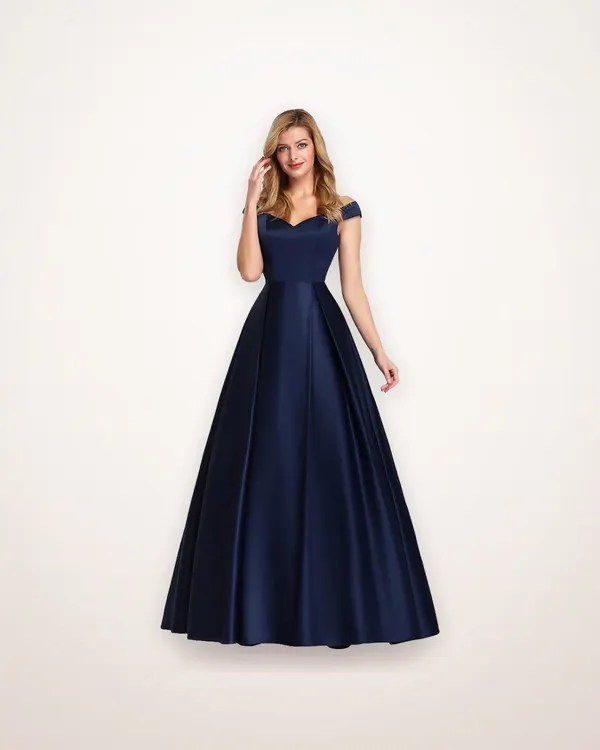
A slip dress describes the cut: fine straps, a close line through the body and a hem that falls without a defined waistband. Satin describes the fabric, so a slip dress can be cut in satin, crepe or velvet, and a satin dress can have sleeves, a ball skirt or a strapless neckline.
How do I care for a satin dress?
Check the label first, then as general guidance wash it inside out on a cool, gentle cycle or by hand and dry it away from direct heat. Hang it on a padded hanger rather than folding along a pleat or lace panel, and air it between wears.
More clothing buying guides
This guide is written with the help of AI from the details on our own product pages and checked automatically before it is published. Product facts come only from those pages. All buying guides · Gift guides · Beauty Journal