


How to care for scarves and shawls
How to keep knit, wool, cashmere, silk, satin and polyester scarves and shawls looking good, with washing, drying, storing and repair advice.
At a glance
- Prices today
- $1.99 to $53.99
- Colours
- black, red, blue, beige, pink, white, khaki, grey, green, brown, navy, yellow
- Materials
- knit, wool, polyester, cashmere, denim, cotton, silk, acrylic, satin, linen
- Details
- lightweight, quilted, breathable
Shop scarves and shawls
How to choose scarves and shawls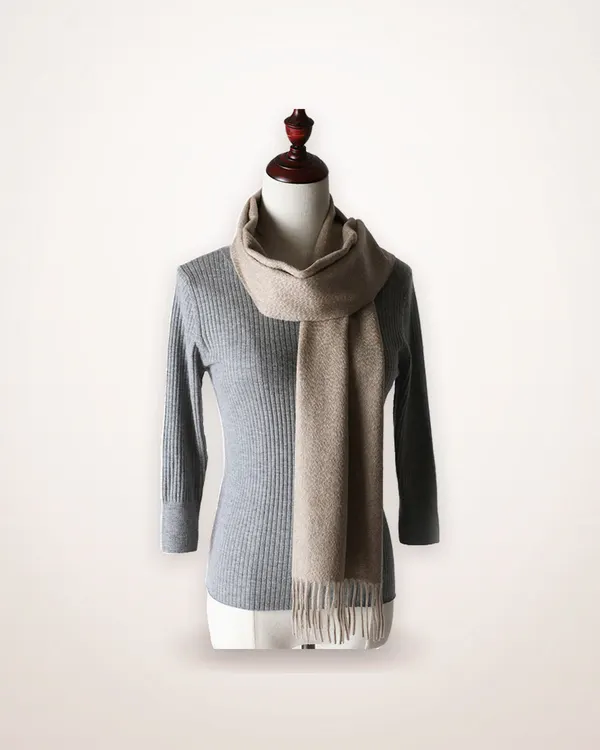
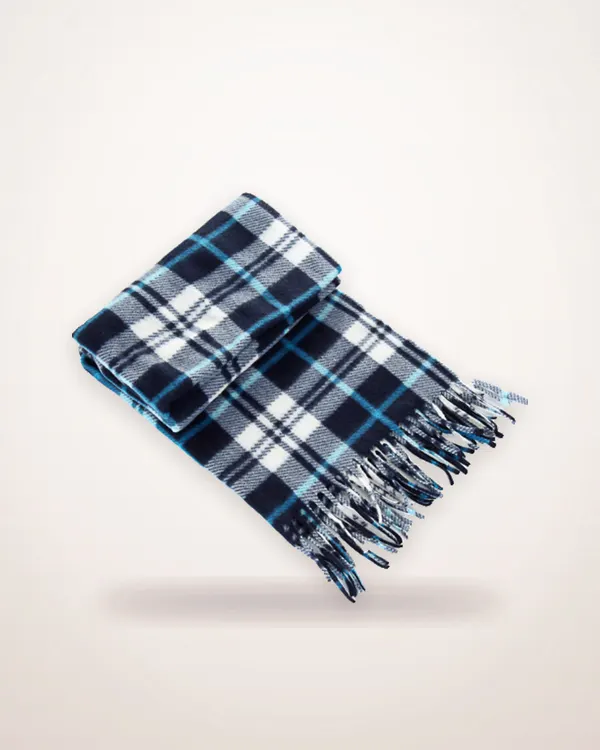
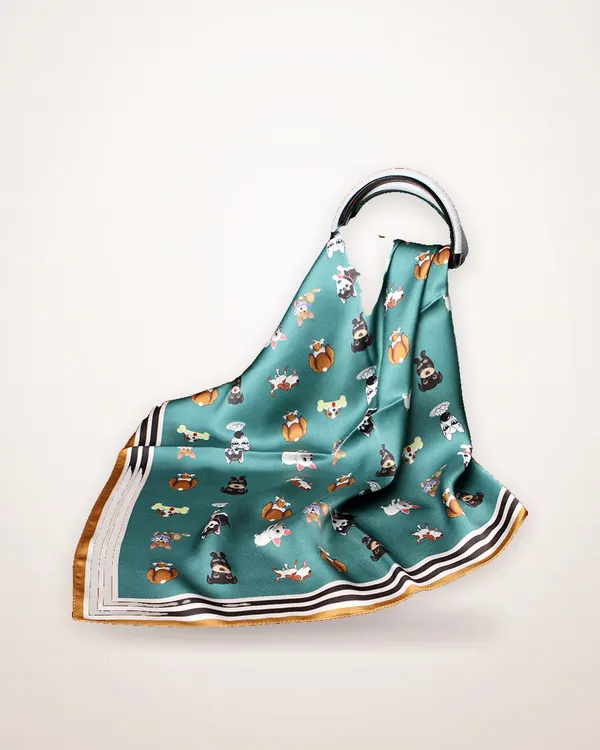
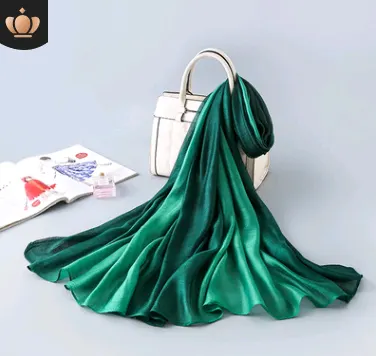
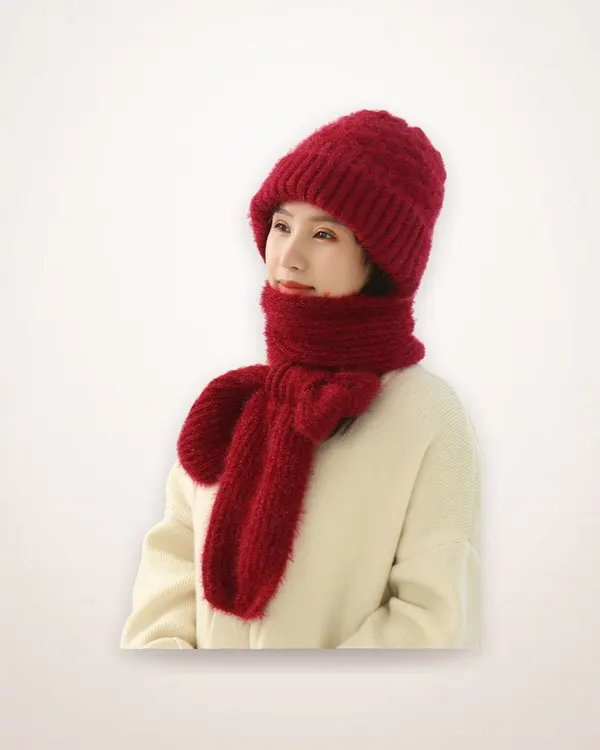
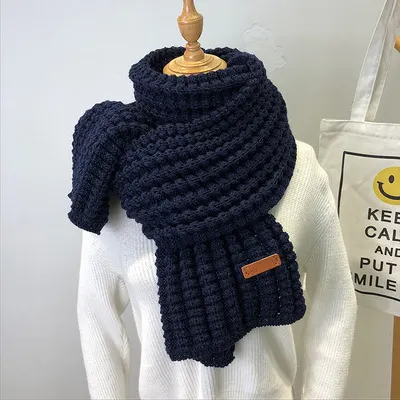
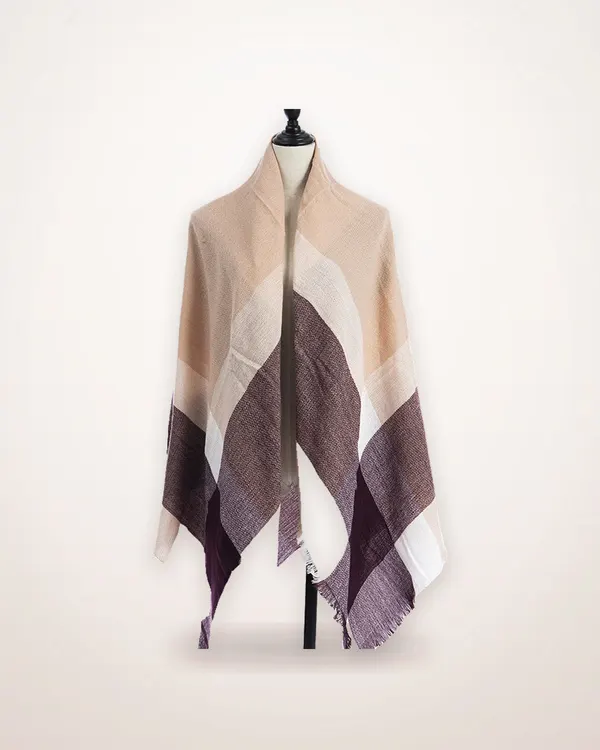
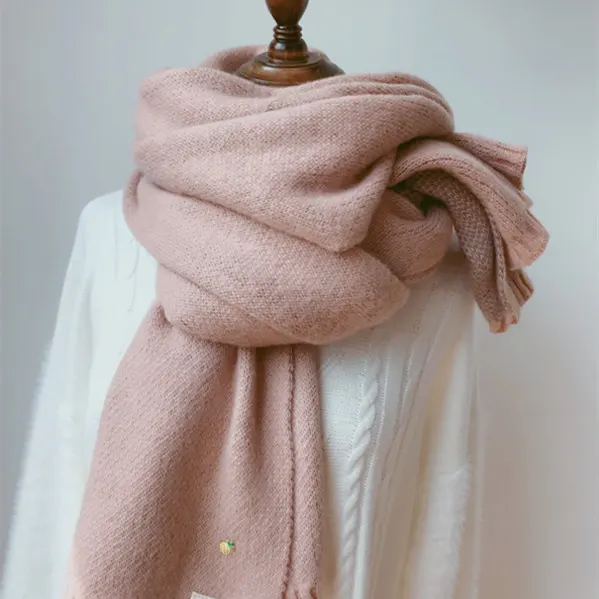
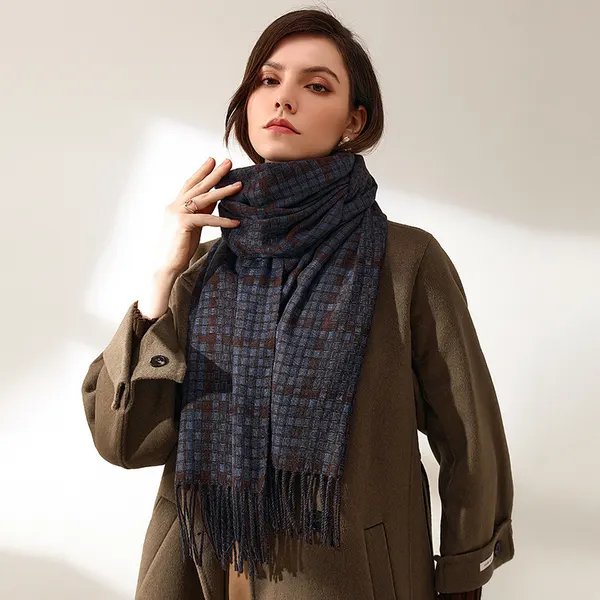
Everyday care for scarves and shawls
Start with the care label, then build a simple routine around it. After a day out, air the scarf flat or over the back of a chair for an hour before it goes back in the drawer. A lightweight scarf that sits close to the neck picks up skin oils, perfume and the odd trace of makeup, so airing helps it stay fresh between washes.
Fold knits and woven scarves rather than hanging them on a hook for weeks. Hanging can pull a long wool or cashmere scarf out of shape at the fold line. If you need it within reach, loop it loosely over a wide hanger and give it room.
Keep a soft clothes brush or a lint roller nearby for quick touch-ups. Brush along the length of the weave, not across it. For silk and satin, a gentle shake and a short airing often do more than a wash.
Cleaning by material
Check the label before you wash anything. For cashmere and wool, general advice is hand washing in cool water with a mild detergent made for wool. Press the water out against the side of the basin, roll the scarf in a clean towel, then dry it flat and away from direct heat. Hot water and a hot radiator can shrink or stiffen the fibres.
Silk and satin need a gentler approach. Hand wash in cool water with a mild soap, or use a professional clean for a printed square. Do not wring or twist. Rinse well, roll in a towel and dry flat in the shade. If you wash a printed satin square, keep the water cool and avoid leaving it to soak.
Polyester, acrylic and other synthetic knits usually cope with a cool, gentle machine cycle, but turn the scarf inside out and use a mesh bag. Dry flat, because a wet knit can stretch on a line.
Cotton and linen can take a little more warmth. Wash them at a moderate temperature, then iron while slightly damp if the weave looks creased. Linen softens with wear and washing, so a light press is enough.
Storing them well
Fold, do not hang, for anything knitted or heavy. A long woollen scarf folded into a broad band and stacked in a drawer keeps its line. Cashmere and silk can be rolled rather than folded to avoid a hard crease down the middle. A 53 cm silk square folds small enough for a shallow tray or a drawer divider.
Use breathable storage. A cotton dust bag or a pillowcase lets air move around the fibres. Sealed plastic can trap damp and hold smells, so avoid it for long storage. Keep the drawer dry and out of direct sun, because strong light can dull colour over time.
For seasonal storage, wash or air pieces before they go away. A cedar block or a lavender sachet in the drawer is a traditional way to keep moths at bay. Check the scarf once in a while, refold along a different line and let it air.
Small repairs and touch-ups
Deal with a snag before it grows. Do not pull it. Use a fine needle or a small crochet hook to work the pulled thread back into the weave, then smooth the area with your fingers. For a small pull on a satin square, take it to a professional if the thread is long or the weave looks tight.
Pilling on a knit is normal with wear. A fabric comb or a small sweater stone lifts the little balls without cutting the fibres. Work in one direction, gently, and stop before the surface looks thin. A soft clothes brush is kinder to a brushed or plush surface.
Creases in silk and satin can often be steamed out. Hold the steamer a little away from the fabric, let the steam do the work, then smooth the hem with your hand. If you use an iron, keep it on a low setting and place a clean cotton cloth between the iron and the scarf.
Tassels and fringed ends can be combed with a wide-tooth comb. Trim only the very tips if a strand looks frayed, and take your time so the ends stay even.
Standout pieces
- Pure Cashmere Water-Ripple Scarf: Fine cashmere with a faint water-ripple pattern, at 30 by 180 cm and 120 g, so it loops once at the throat and still drapes over a coat.
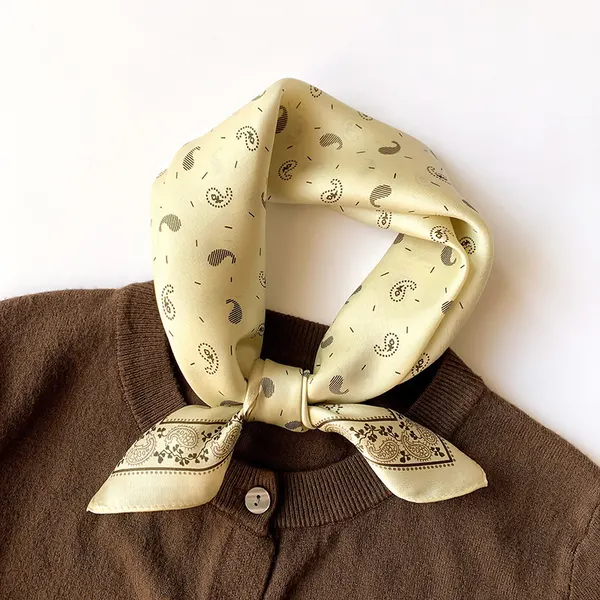
- Printed Small Satin Square Scarf: A 53 by 53 cm printed satin square with a soft sheen, made to knot at the neck, tie to a bag handle or wear in the hair.
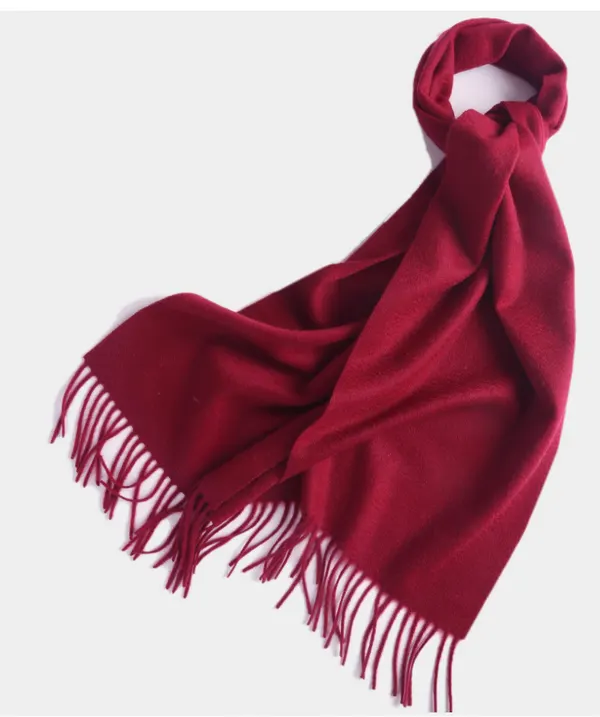
- Thick Solid Color Woolen Scarf: A solid woollen scarf at 196 cm long and 41 cm wide, with a dense weave that gives enough length for a double loop on cold days.
- Gradient Mulberry Silk Scarf: Mulberry silk in a plain weave with a slow colour gradient, at 80 by 190 cm, long enough to wrap twice or open across the shoulders.
Questions
Can I machine wash a cashmere scarf?
General advice for cashmere is hand washing in cool water with a mild detergent, then pressing the water out and drying flat. Check the care label on your scarf first, because blends and finishes vary.
How do I remove creases from a silk scarf?
Steam it gently from a short distance, or press it on a low setting with a clean cloth between the iron and the silk. Avoid pressing a hard crease into the hem.
How should I store woollen scarves in summer?
Fold them loosely, keep them in a breathable cotton bag or a drawer with a cedar block, and make sure they go away dry. Avoid sealed plastic, which can trap damp.
What should I do if my knit scarf pills?
Pick the pills off with a fabric comb or a small sweater stone, working gently so the knit does not stretch. Airing and folding rather than hanging helps the knit hold its shape.