


One-piece swimsuits for the beach
A practical guide to choosing a beach one-piece: neckline, support, lining and fit, with five of our swimsuits to start from.
At a glance
- Prices today
- $8.99 to $43.99
- Colours
- black, blue, white, red, green, pink, yellow, orange, floral, rose, purple, leopard
- Materials
- polyester, nylon, linen, spandex, knit, cotton
- Details
- padded, stretch, underwire, lined, lightweight, high-waist, wireless
Shop one-piece swimsuits for the beach
How to choose one-piece swimsuits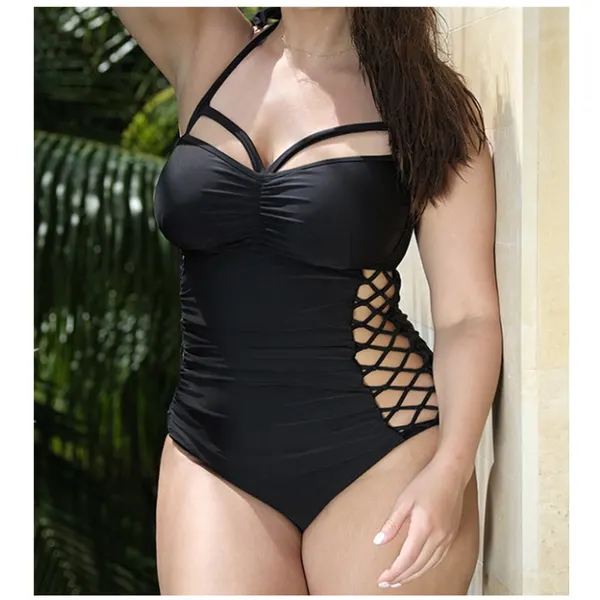
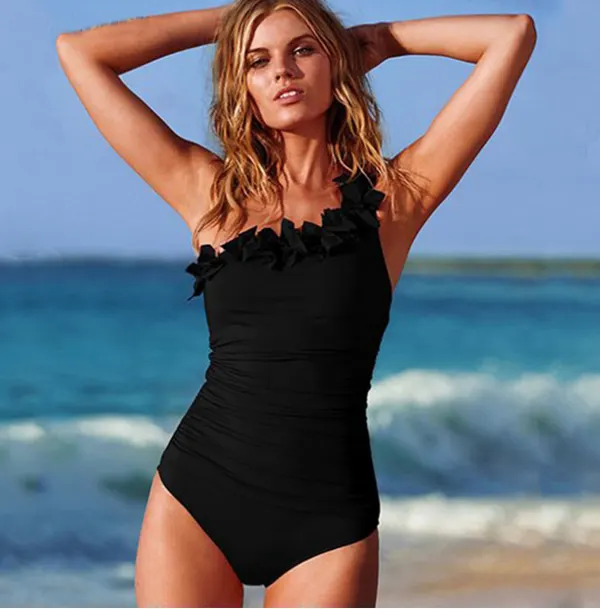
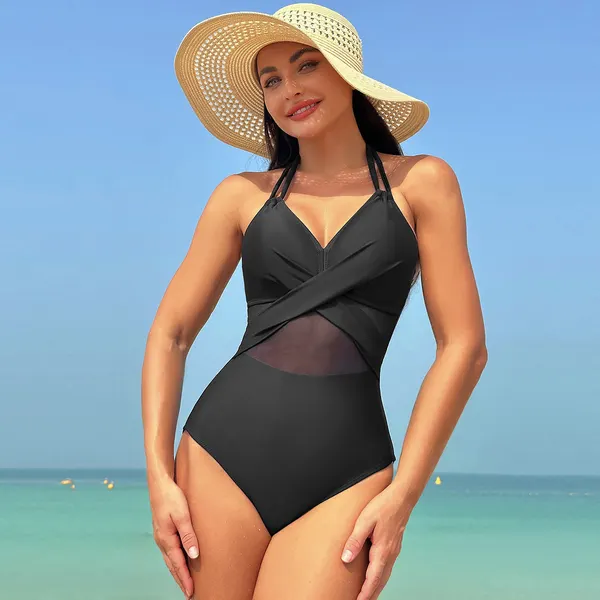
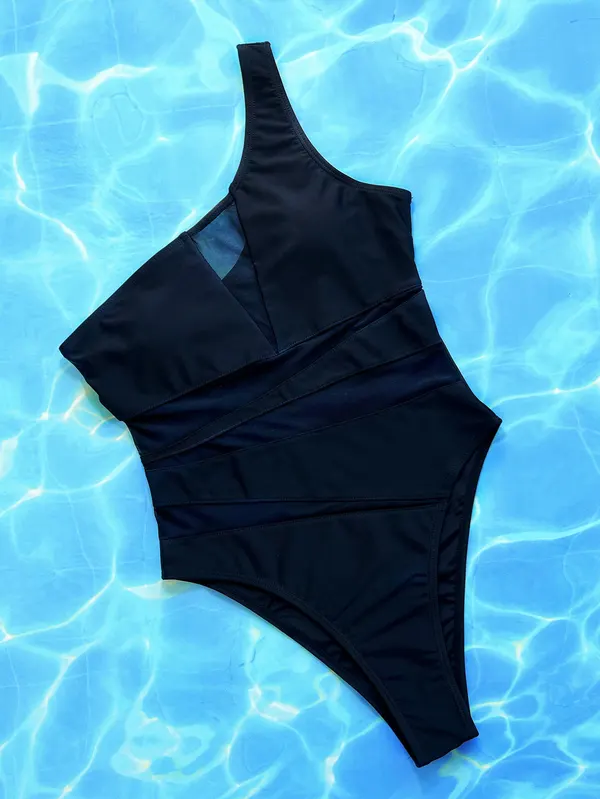
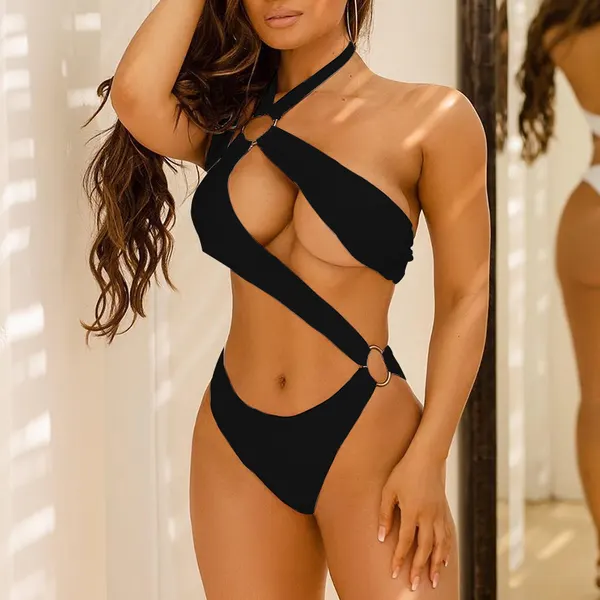
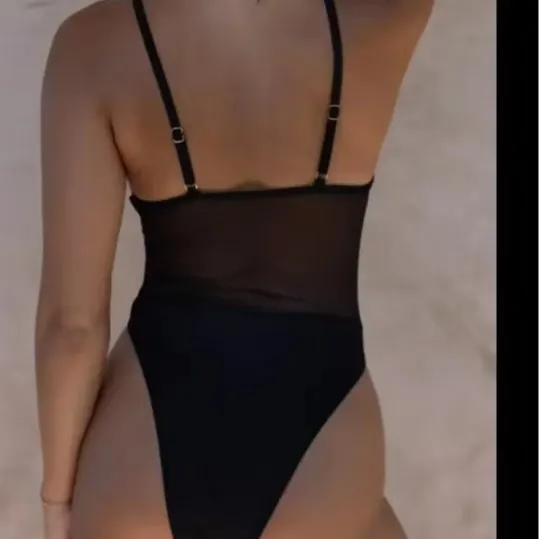
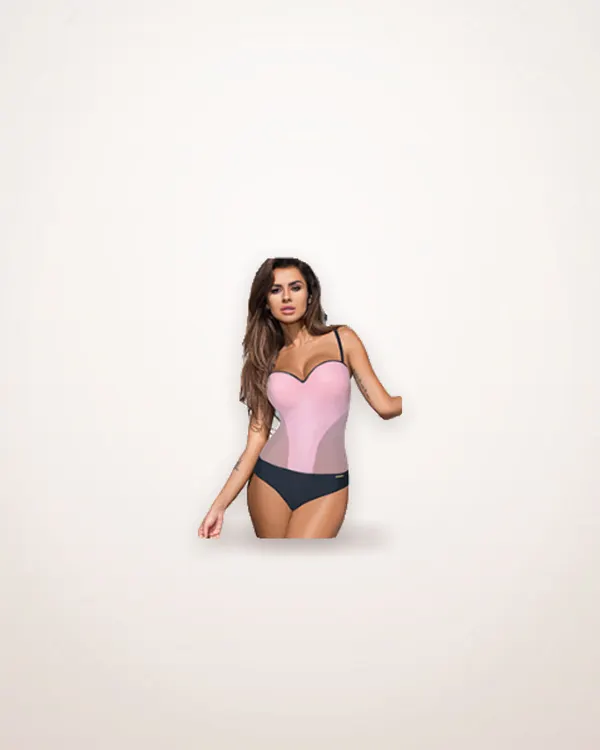
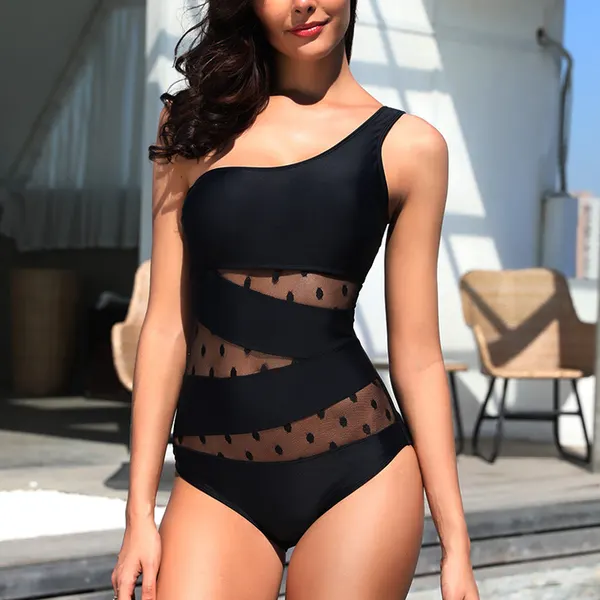
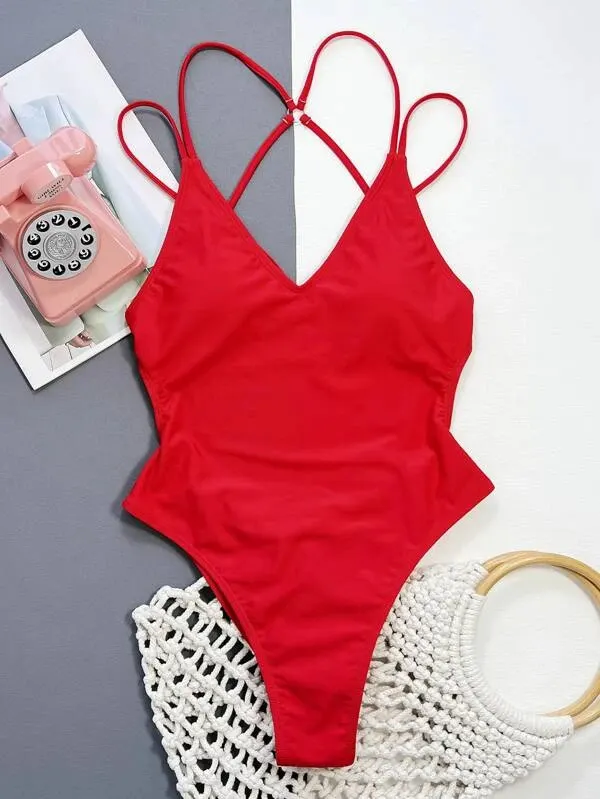
What makes one-piece swimsuits right for the beach
A beach day asks more of a swimsuit than a pool does. You swim, you walk, you sit on a towel, you get dressed over damp fabric and carry on to lunch. A one-piece keeps its line through all of that. There are no ties to retie and no waistband to shift when you stand up.
Our beach pieces are built from polyester, nylon and spandex blends, with some linen, cotton and knit in the wider range. Polyester and nylon give a smooth surface that holds colour, and spandex is what lets the suit move with you rather than against you. Several styles are lined, and the linings are polyester or spandex blends.
Support is the other thing to think about on sand. Some of our suits use steel underwire, others rely on moulded pads or soft cups with no wire at all. Both approaches work. The difference is how much structure you want under the bust and how much you'd rather feel unhindered when you swim.
Backs and necklines vary a lot across the range: low scooped backs, halter necks, one-shoulder cuts, deep V fronts and high waists with metal ring straps. A more open back dries faster in the sun and feels cooler. A covered cut gives more shade across the shoulders. Neither is better, it just depends on how you spend the day.
How to choose
Start with the size chart, not your usual label. Our swimwear sizing follows Asian charts and runs one to two sizes smaller than EU and US equivalents. If you fall between two sizes, take the larger one. For styles where the suit is cut close through the torso, choose from your bust and hip measurements rather than the size you'd pick in a dress.
Next, decide on support. If you want structure, look for underwire or moulded cups. If you'd rather feel light in the water, a soft chest pad or soft cups with no wire will suit you. A high-waist cut gives coverage through the middle without feeling restrictive, and it pairs well with a sarong or an open shirt later in the day.
Then think about the neckline and back. A halter ties at the nape and lets you set the fit where it feels right. A one-shoulder cut draws a diagonal line and leaves one shoulder bare for sun. A deep V or a low scooped back keeps things cool. If you burn easily across the shoulders, a sleeveless style with a higher front gives more cover.
Colour is the last easy decision. Solid black is the calmest choice and works with everything you pack. Blue, green, white and red read clearly against sand and sea. Floral, leopard, pink, yellow, orange and purple are there when you want the suit to do more of the talking. A solid suit is simpler to style; a print needs less accessorising.
How to wear them
For the walk down to the water, pull a linen shirt or an oversized cotton tee over the suit and add a wide hat. A one-piece reads like a simple top under an open shirt, so you can go from the beach to a cafe without changing. Choose a shirt in a tone that picks up something in the suit, or keep it neutral if the swimsuit is printed.
On the sand, a sarong tied at the hip or a cotton wrap skirt gives you something to sit and walk in. A high-waist style sits neatly under a wrap. A backless or halter style looks clean with a low-slung skirt and nothing else.
Jewellery needs to survive salt and sun. Keep it simple: small studs, a thin chain, a bangle you don't mind taking off before you swim. Metal rings on a strap already give you a detail at the shoulder, so you can leave the neck bare.
For the trip home, rinse the suit and let it dry before you pack it, then wear it under a dress or a loose pair of trousers. A solid black or blue one-piece works best for this. Prints are harder to hide under light fabric.
Care and storage
Rinse your swimsuit in cool fresh water after every swim. Salt, sand and sunscreen sit in the fibres and dull the colour over time. A quick rinse does most of the work. Wash by hand with a little mild soap when you need to, and skip the washing machine and dryer.
Dry the suit flat in the shade, away from direct sun. Hanging it by the straps stretches them, and a hot radiator or a tumble dryer can break down the stretch in the spandex. Turn it inside out so the lining dries too.
Sand comes out best once the suit is dry. Shake it, then brush it gently rather than rubbing, which pushes grit deeper into the knit. Pay attention to seams and the leg openings, where it collects.
Store folded in a drawer or a cotton bag, not compressed at the bottom of a case for months. Keep it away from anything that can catch or snag, and give it a quick check for pulls before you pack it for the next trip.
Standout pieces
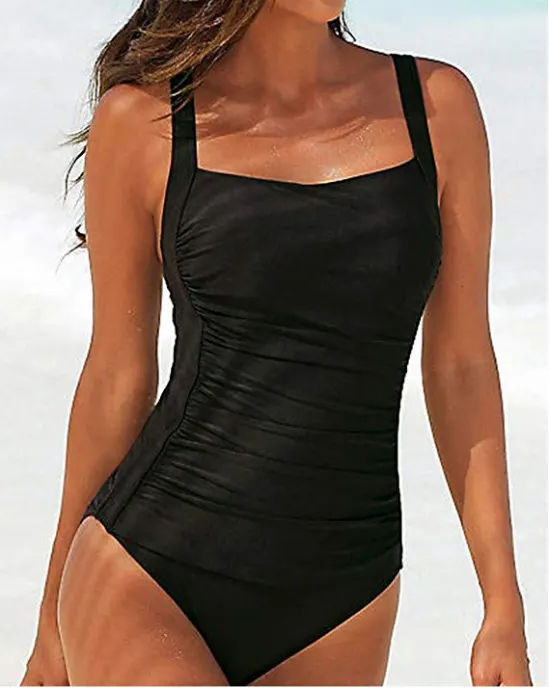
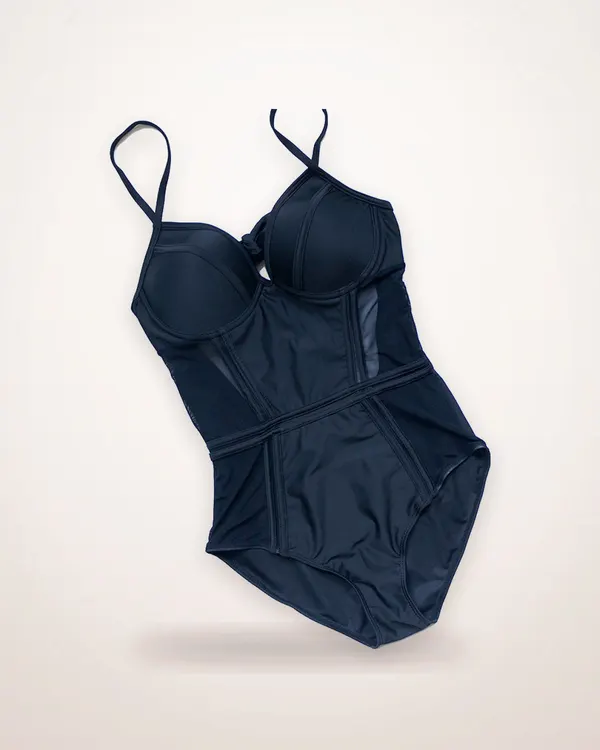
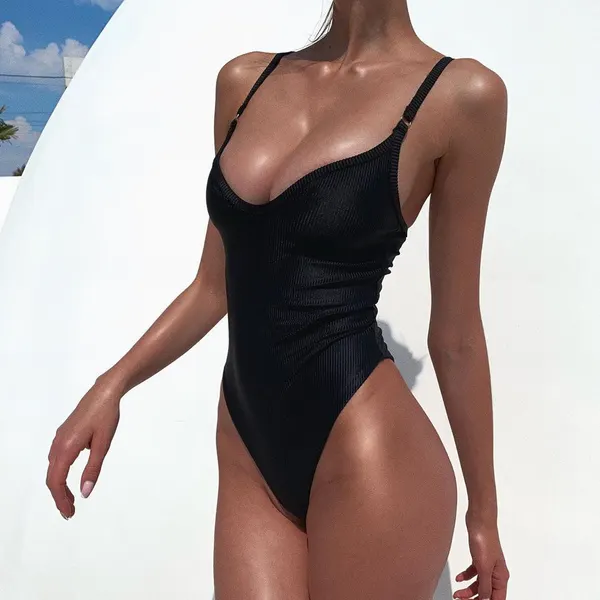
- Plus Size Underwire One-Piece Swimsuit: Steel support at the bust and a smooth 82% polyester knit give this one a clean, uninterrupted line from bust to hip.
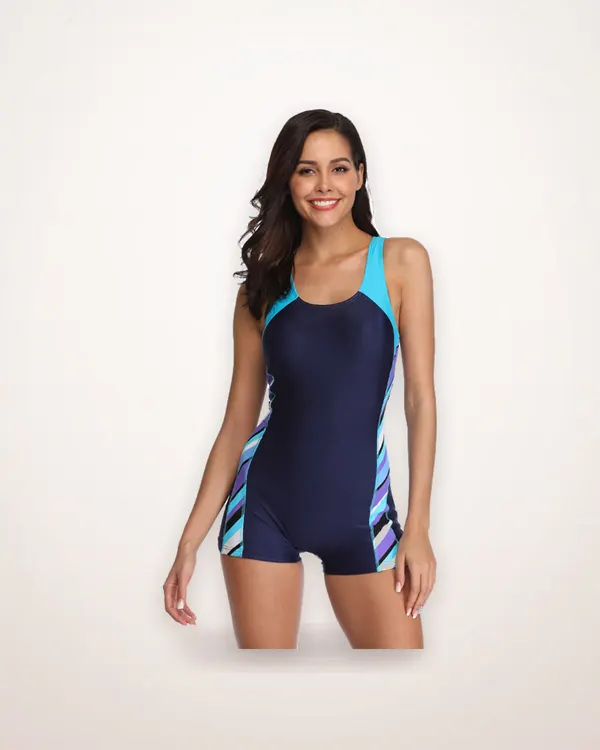
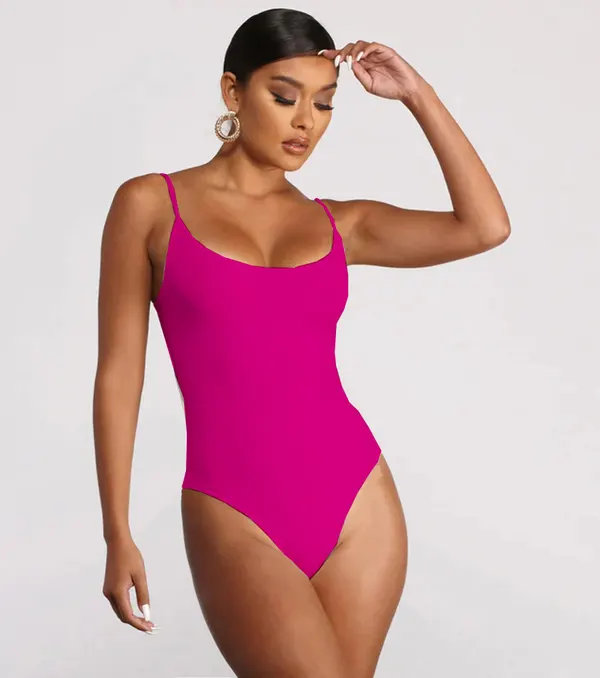
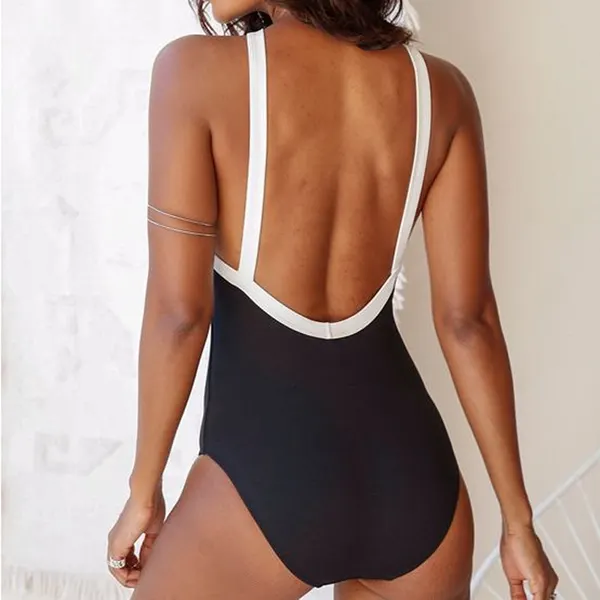
- Low Scooped Back One-Piece Swimsuit: A low, wide scooped back and a sewn-in chest pad with no wire keep this nylon suit quiet and easy to move in.
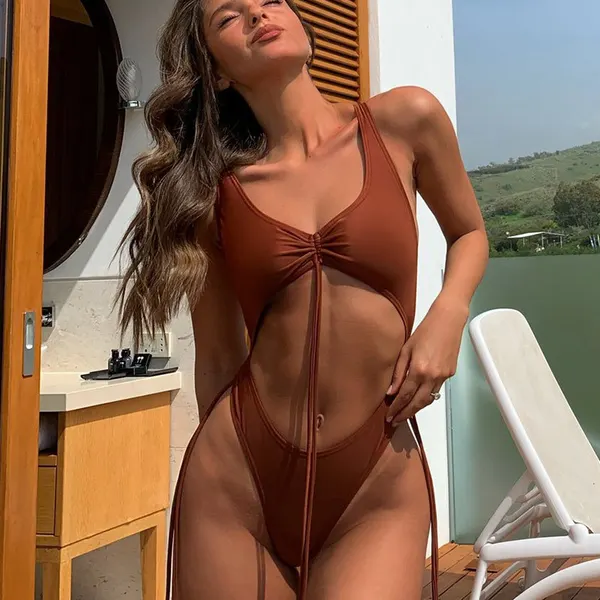
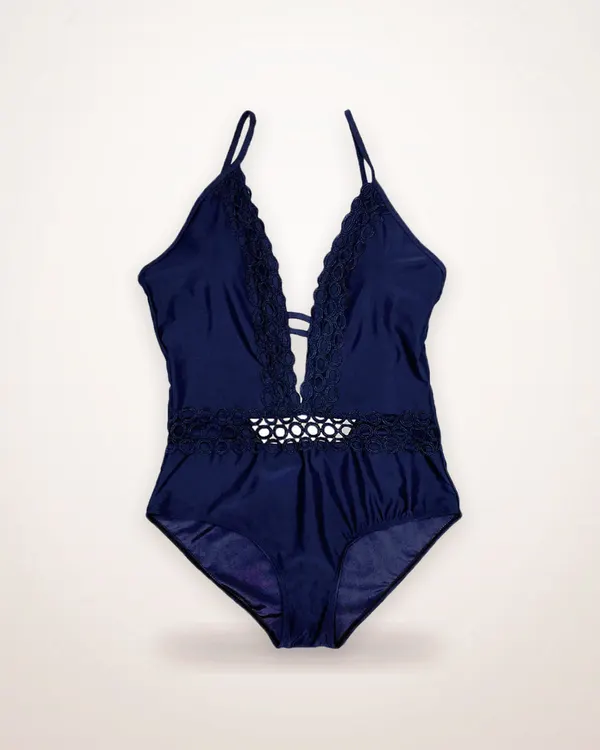
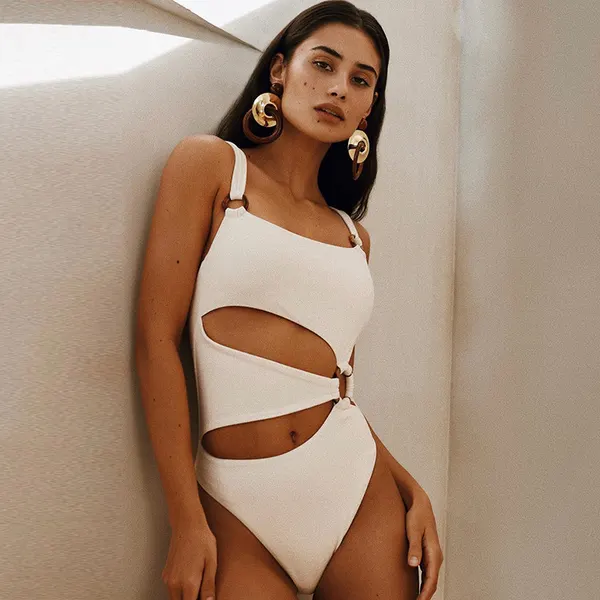
- High-Waist One-Piece Swimsuit with Metal Rings: A high waist, a spandex lining and open metal rings at the shoulders add a small flash of detail to a pared-back cut.
- Retro Backless Halter Swimsuit: The halter ties at the nape so you can set the fit, and moulded cups with no underwire shape the front gently.
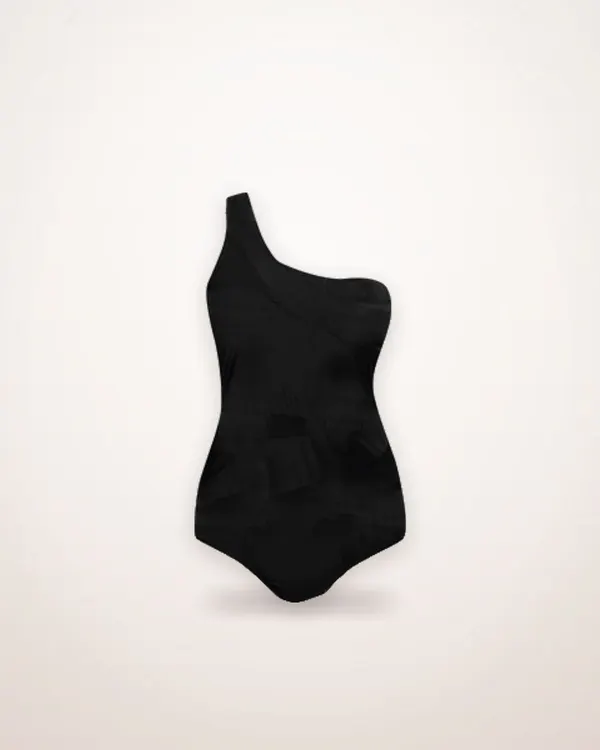
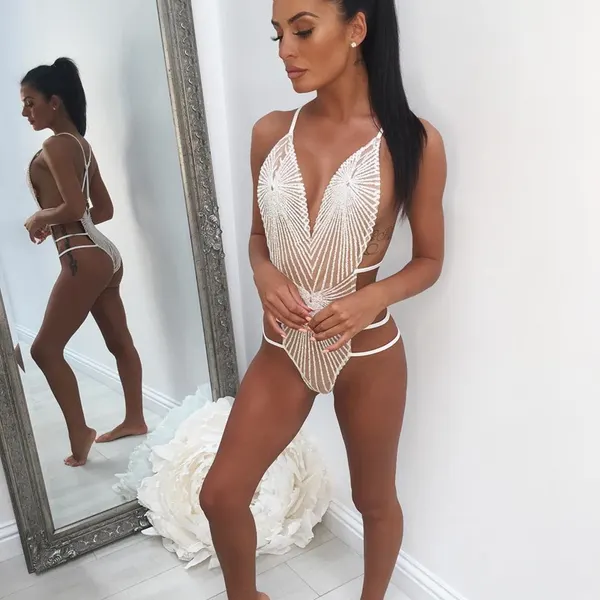
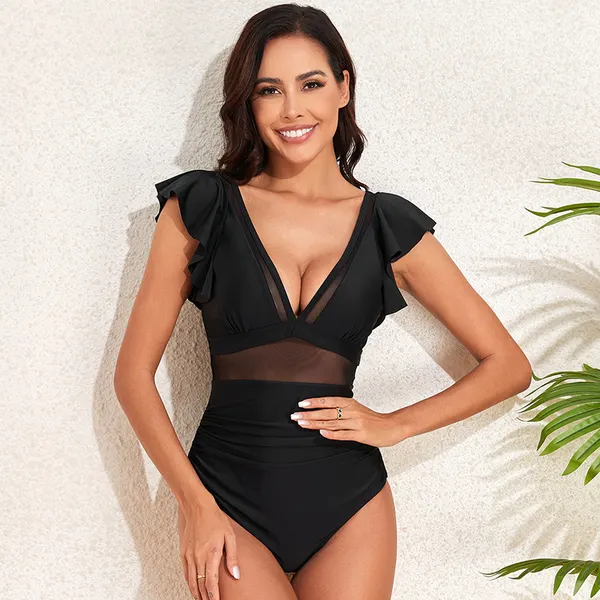
- One-Shoulder Mesh One-Piece Swimsuit: A one-shoulder neckline, mesh detail and a soft chest pad make this black nylon style graphic rather than plain.
More one-piece swimsuits for the beach
Questions
How do I choose the right size in a one-piece swimsuit?
Measure your bust and hips and check the size chart for that specific style. Our swimwear runs one to two sizes smaller than EU and US equivalents, so go up a size if you fall between two.
Is underwire or a soft cup better for the beach?
Underwire gives more structure and holds the shape through swimming and walking. Soft cups and moulded pads with no wire feel lighter and suit anyone who prefers less structure. Both work well on sand; it comes down to how much support you want.
How should I look after a swimsuit after a beach day?
Rinse it in cool fresh water to clear salt, sand and sunscreen, then dry it flat in the shade. Avoid the washing machine, the dryer and hanging it by the straps, which stretches them.