


Denim jackets: how to choose
How to choose a denim jacket that fits, layers well and suits the season, with five pieces from our denim range.
At a glance
- Prices today
- $16.99 to $57.99
- Colours
- blue, black, white, red, pink, yellow, khaki, green, orange, floral
- Materials
- denim, cotton, knit, polyester
- Finishes
- cream
- Details
- pockets, button, adjustable, hooded, lightweight, lined
From the product pages of the pieces in stock now. Prices update with stock and are shown in your currency.
Shop denim jackets
All Coats & Jackets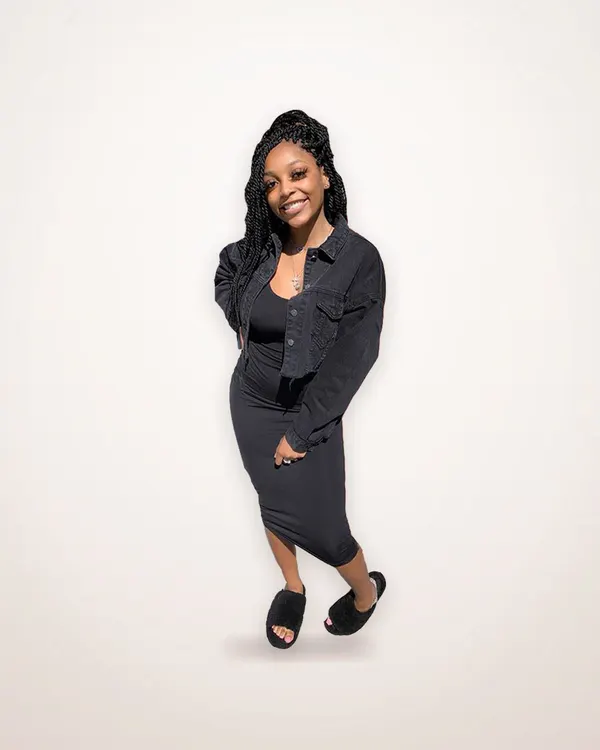
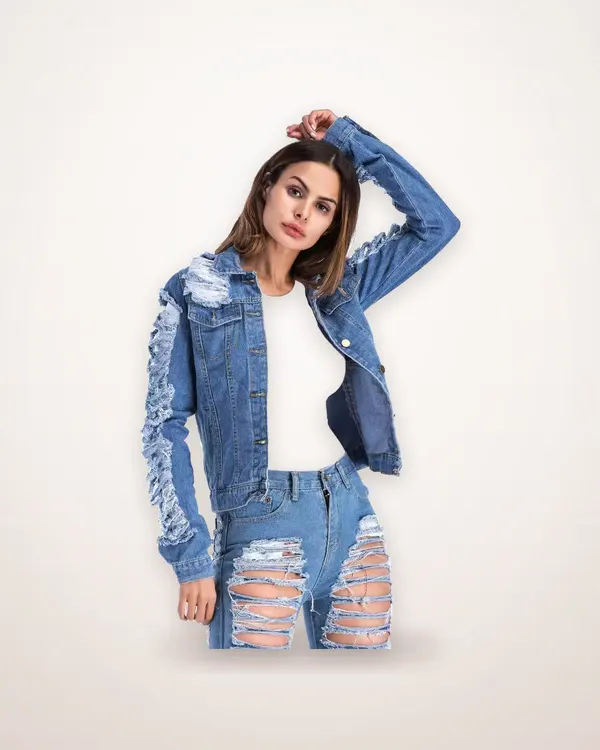
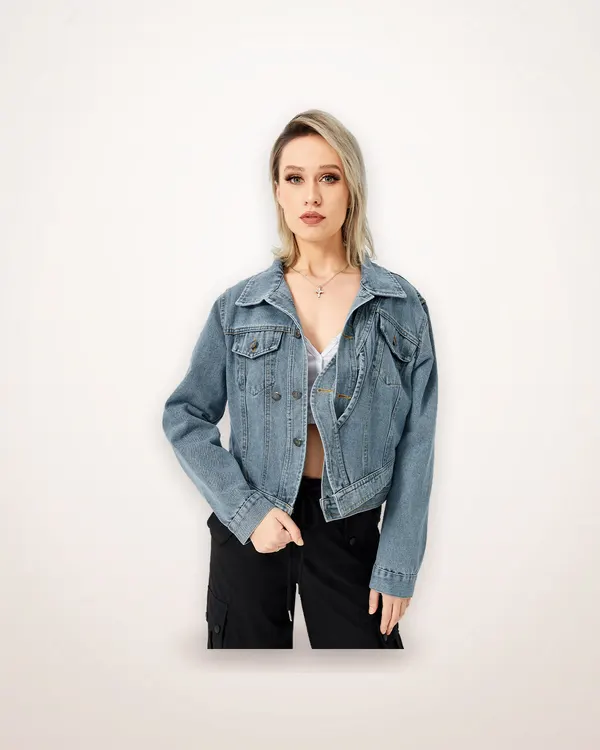
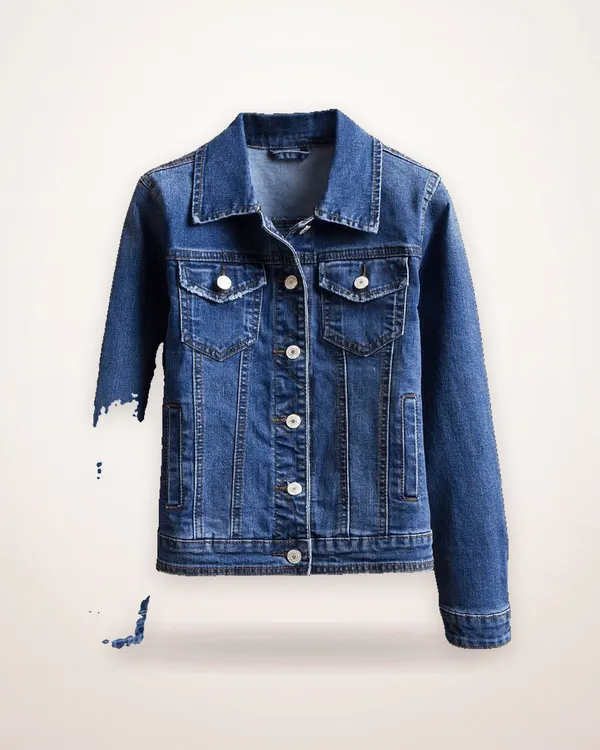
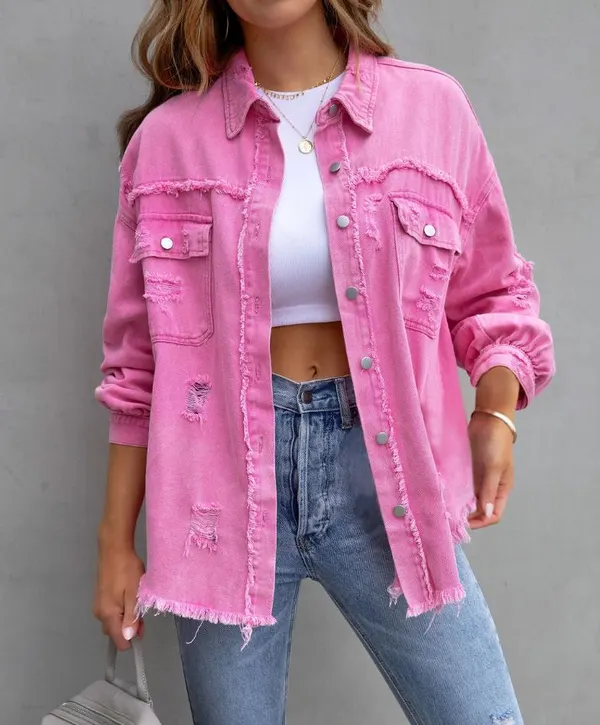
How to choose denim jackets
Start with length, because it decides what the jacket will sit over. A cropped cut stops at the natural waist and gives shape to whatever is beneath it; a hip-length jacket, roughly 50cm to 65cm, covers the waistband of trousers and falls in a straighter line. If you wear high-waisted jeans and skirts most days, a cropped jacket keeps the proportions tidy. If you prefer a longer layer over dresses and fine knits, look for a hip finish and check the stated length on the product page before you settle.
Then consider fit and sizing. Our denim jackets tend to run one to two sizes below EU and US equivalents, so it is worth reading the size chart before you choose and moving up if you sit between two sizes, allowing for the 2-3cm measurement tolerance. Several cuts are deliberately loose, roomy or oversized, and some run with dropped shoulders or wide bat sleeves, which give extra space for layering. If you want a closer line, take your usual size rather than sizing up for room.
Colour comes last, and it is the quickest way to change the mood. Blue is the familiar choice, and a clear blue wash sits well beside navy, cream, black and ecru. A plain white or yellow jacket lifts a bright afternoon; pink and red make the jacket the focal point; black goes with everything else. Our denim pieces also take in khaki, green and orange, with floral and a cream finish appearing in the range, so there is room to choose a layer that reads quieter or livelier than standard blue.
Materials, details and fit
The cloth is the first thing to feel for. Our denim pieces are cut in denim, cotton and cotton denim, with polyester appearing in a lightweight trucker cut. Cotton denim has a firm, dry hand that holds a line, while a washed cotton twill drapes more softly from the first wear. Weight varies across the range: a substantial cotton denim may sit around 493g to 617g, a washed version around 446g to 580g, and the heavier the cloth, the more structure it brings to a dress or a fine knit beneath.
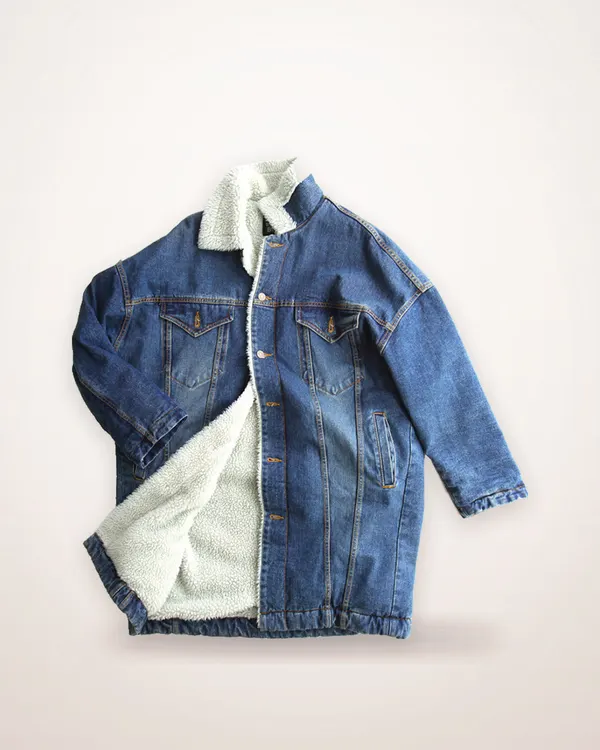
Linings change how a jacket feels and how late in the year you can wear it. A cotton-rich lining (81% to 90%) glides over a tee or a fine knit; a warm brushed lining, or a polar fleece backing with a cotton lining, gives a softer and warmer inside for cold mornings. Each is described on the individual product page, so match the lining to the season you plan to wear the jacket in and to the knitwear you layer underneath.
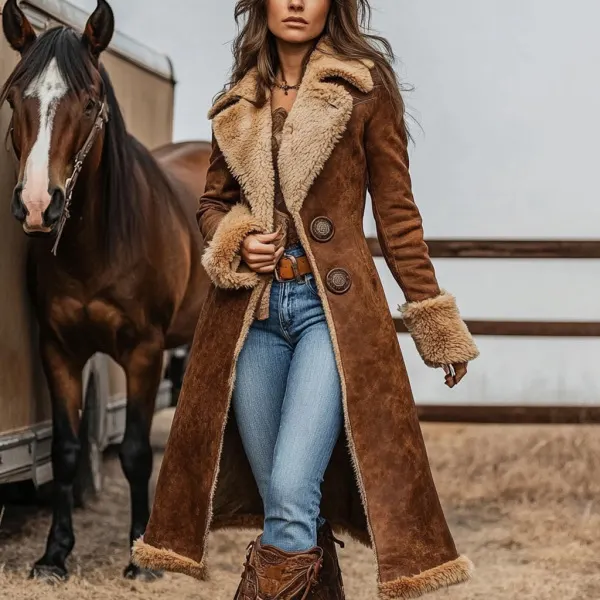
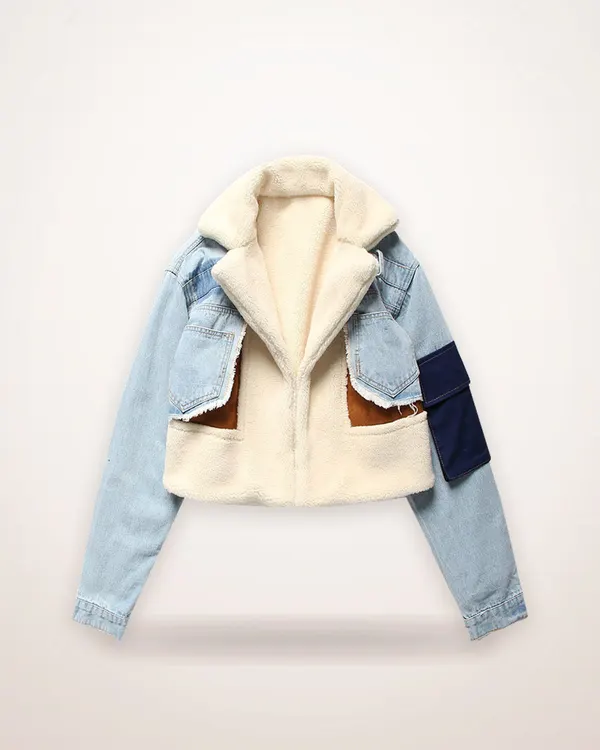
Details do the quiet work. Look for a single-breasted button front, a lapel, polo or turn-down collar, and pockets where you want them. Raw edging, frayed edges, rip details and small metal rivets give denim a worked, worn-in character; a plain, unpatterned face keeps the line clean. Features across our denim jackets include pockets, buttons, hooded and adjustable details and linings, so read the product page for the exact combination on the piece you are considering.
Fit follows the same logic. A loose body with dropped shoulders leaves room for a chunky knit; wide bat sleeves sit away from the arm rather than close to it; a regular line over long sleeves is easier to wear under a coat. Sizes across the range run from S to XL on some pieces and S to 5XL on others, so the size chart matters more than the label you normally reach for.
How to style them
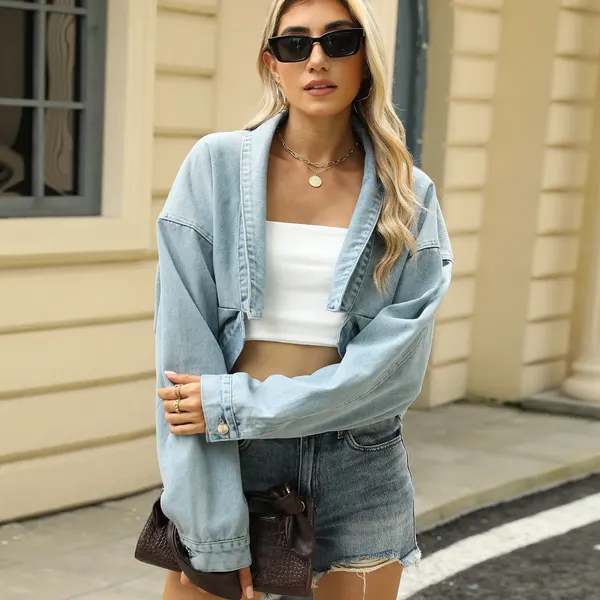
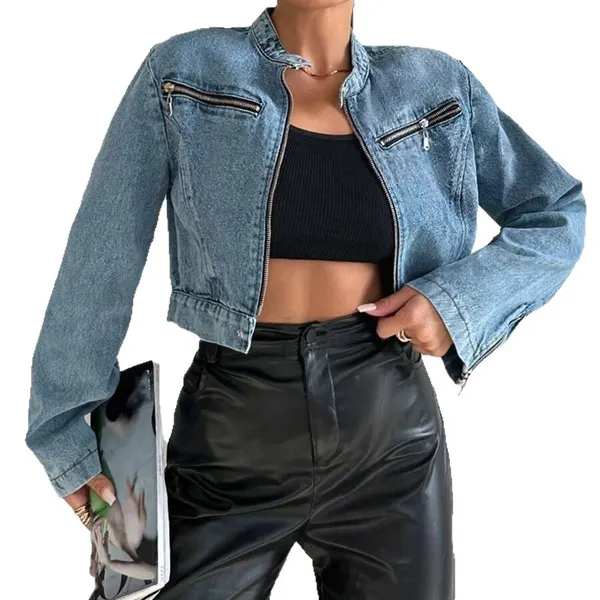
A cropped jacket is easiest over something with a defined waist. Wear it over a slip dress for the evening, a plain tee and high-waisted jeans at the weekend, or a printed midi dress and sandals on a warm day. Because it stops at the natural waist, it keeps a long dress from looking shapeless and adds a clean horizontal line where you want one.
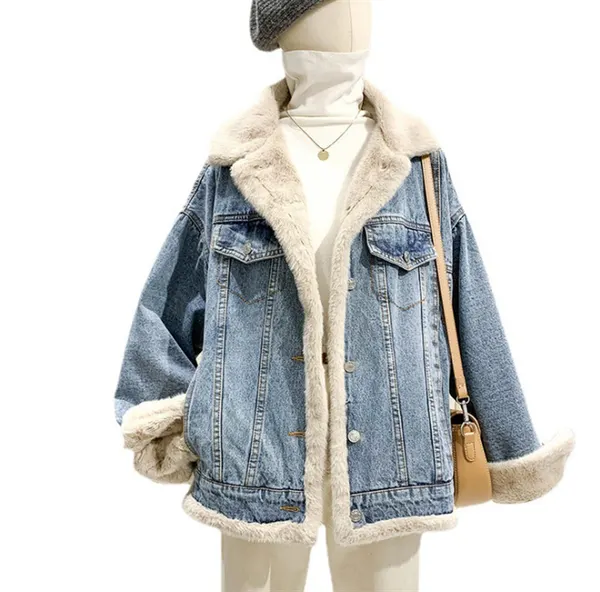
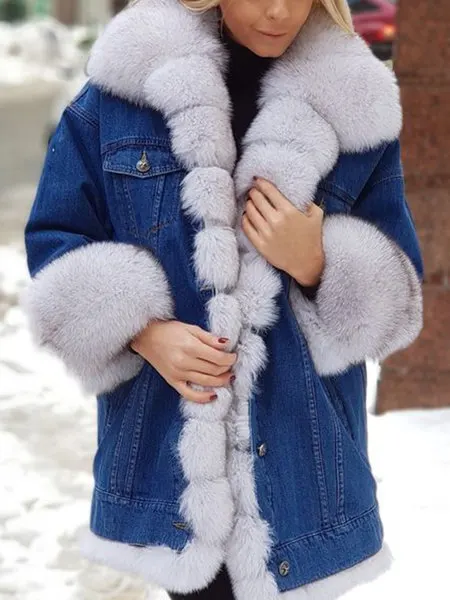
A hip-length or loose jacket is the layering piece. Pull it over a fine roll-neck and tailored trousers when the light goes early, over a chunky knit with dropped shoulders leaving room in the sleeve, or over a hoodie if the cut is generous enough. Wide bat sleeves work over a knit without pulling across the back, which is what makes them worth choosing for colder months.
Colour is where denim earns its keep. Blue over navy, cream, black or ecru keeps the outfit composed; a white or yellow jacket brightens a plain outfit; a red or pink one carries the look on its own, so keep everything else quiet. Button a longer jacket over a slip dress for a party, or leave it open over a cropped top when you want the layers to move with you.
Care and storage
Wash denim sparingly and inside out, on a cool setting, and let it hang to dry rather than putting it through a hot cycle; heat is what fades a dark wash and shrinks a cotton weave. Fasten the buttons before washing so the front keeps its shape. Check the care notes on the product page for the piece you have chosen, since linings and trims may need different handling.
If a jacket has raw, frayed or riveted detailing, use a lower spin so the edges are not pulled about. A soft brush along the collar and cuffs lifts dust between washes, and spot-cleaning a small mark is kinder to the cloth than washing the whole piece. Let a jacket air for an hour after a day out before it goes back into the wardrobe.
Store denim folded on a shelf or on a broad hanger, leaving a little space either side so the collar and shoulders keep their line. Keep it away from damp. Fold a lined jacket with the lining inward so the outer face does not pick up marks from whatever sits beside it.
Standout pieces
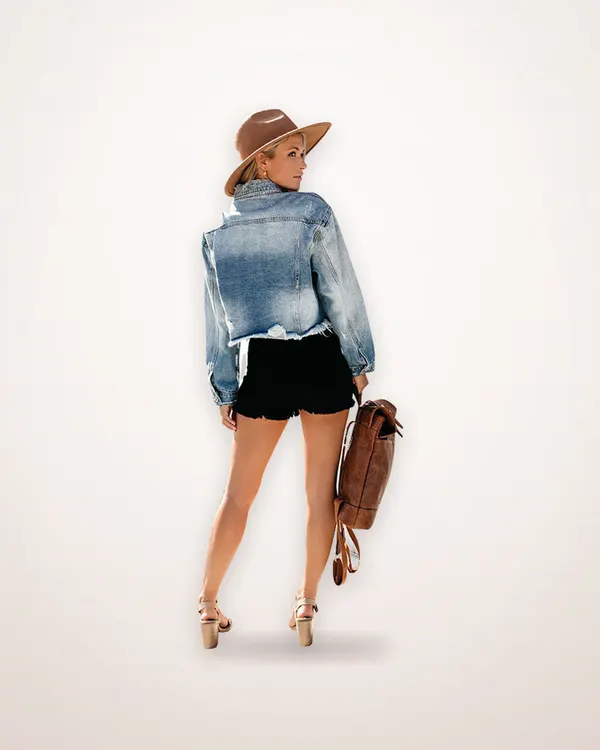
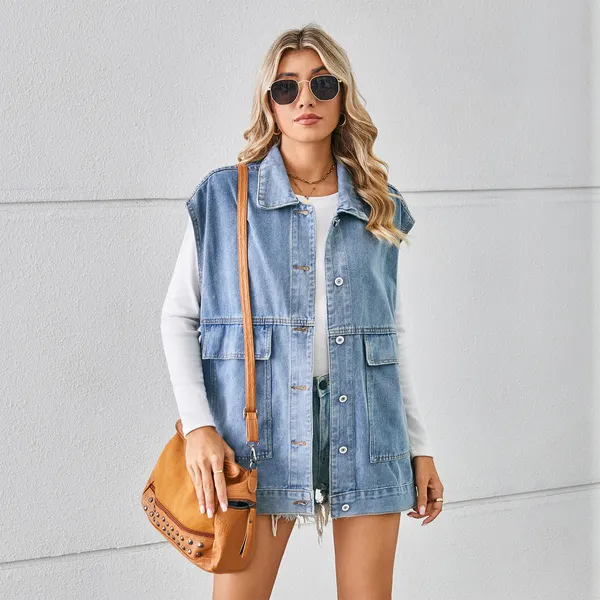
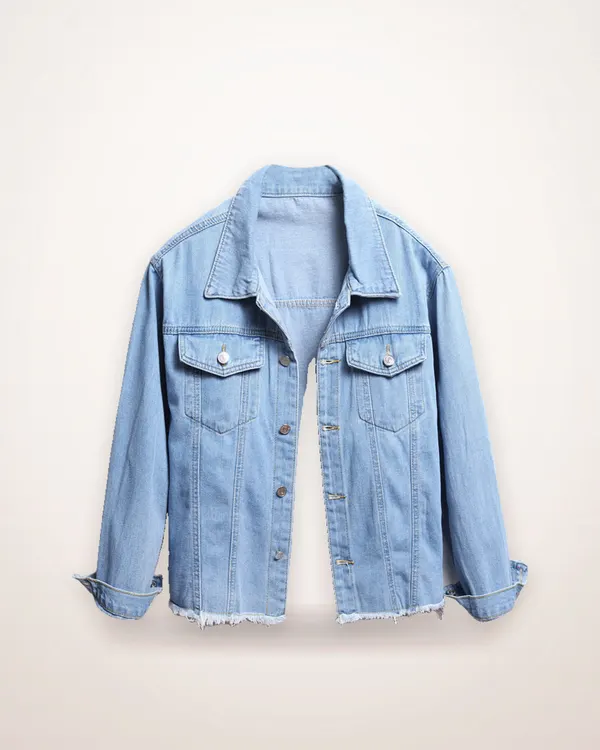
- Cropped Denim Jacket with Raw Edges: A loose cut that stops at the natural waist, with raw edging tracing the hem and pockets, a single-breasted button front and a lapel collar, in orange, yellow, black and green.
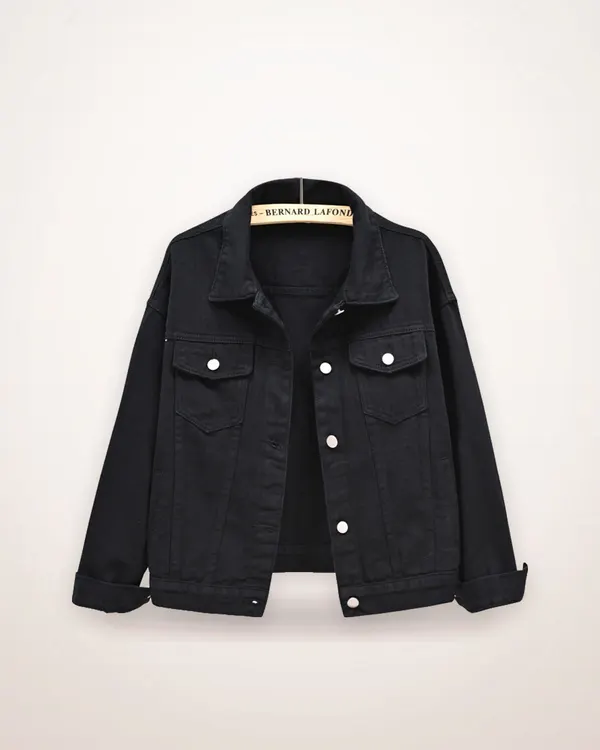
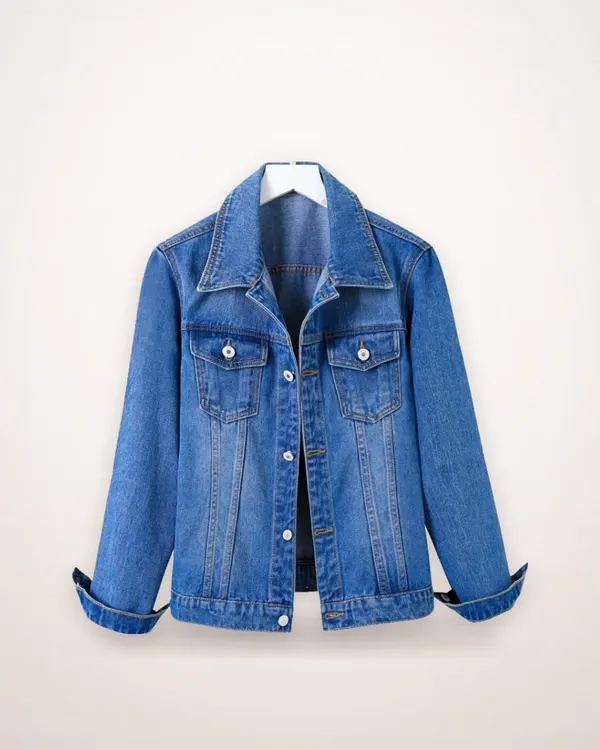
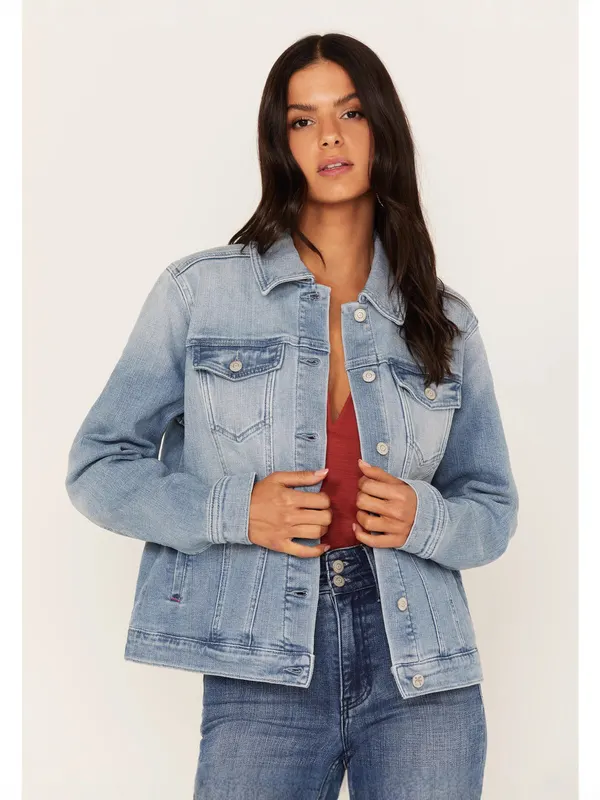
- Plain Denim Jacket with Cotton Lining: A plain, uninterrupted denim face over a cotton-rich lining of 81% to 90%, in six colourways from white and yellow to red and black.
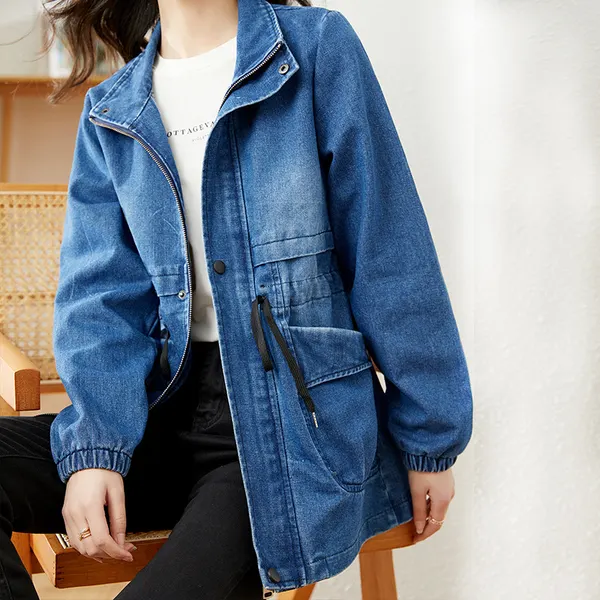
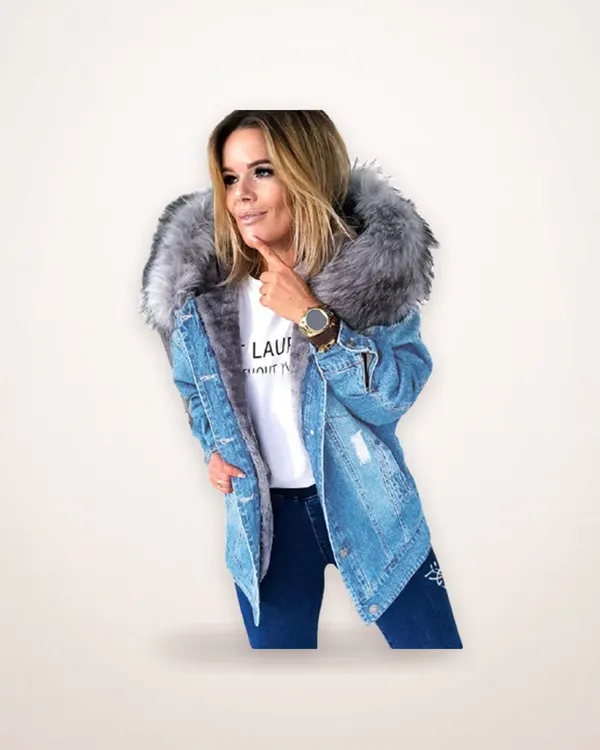
- Warm Lined Denim Bomber Jacket: Blue cotton denim with a warm brushed lining and dropped shoulders, cut generously so it settles over a sweater without pulling.
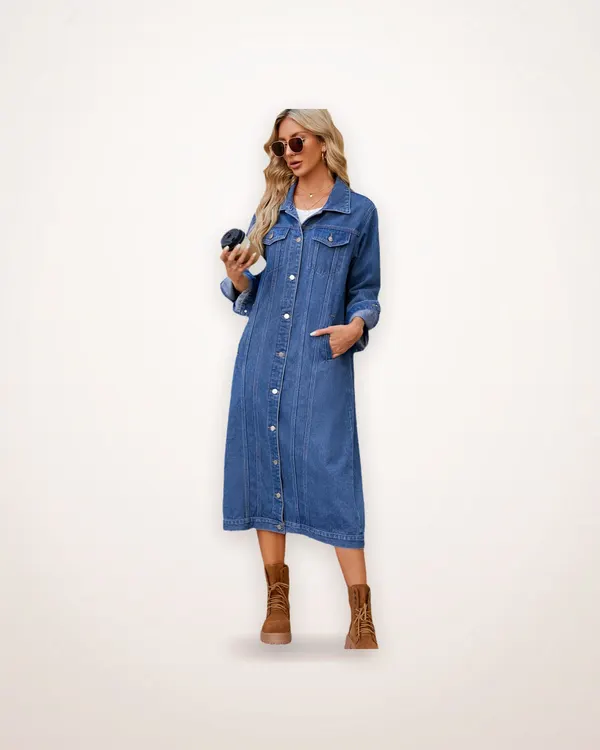
- Loose Fit Washed Denim Jacket: Cotton twill washed to a soft mid blue, cut loose through body and sleeve and falling to the hip at roughly 50cm to 65cm.
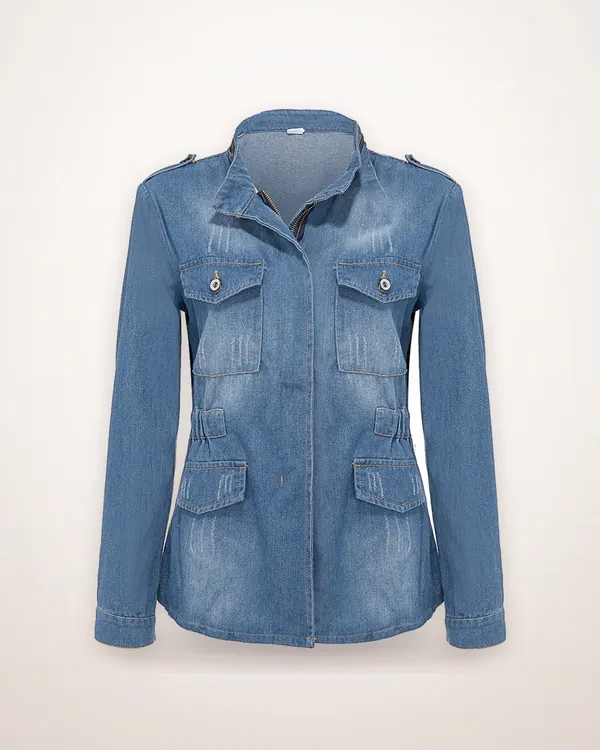
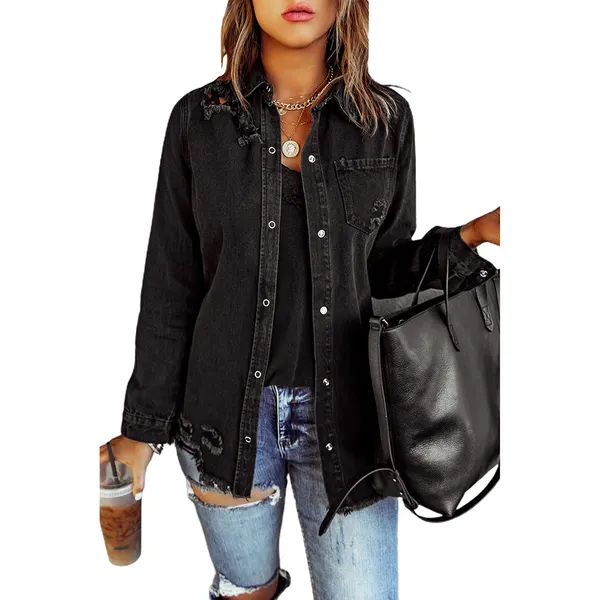
- Oversized Frayed Denim Shacket: Lightweight polyester in a roomy trucker cut, with frayed edges, rip details, a turn-down collar and two flap pockets.
More denim jackets
Questions
Should I size up in a denim jacket?
Our denim jackets run one to two sizes below EU and US equivalents, so move up if you sit between two sizes and check the size chart before you choose, allowing for the 2-3cm measurement tolerance. Cuts that are loose, roomy or oversized already include extra space, so take your usual size in those unless you want a very generous line.
What can I wear under a cropped denim jacket?
A slip dress, a plain tee with high-waisted jeans, or a printed midi dress with sandals all work because the jacket stops at the natural waist. Keep the layer beneath relatively close-fitting so the jacket's loose line reads clearly. If you want more coverage at the hip, choose a hip-length style instead.
How warm is a lined denim jacket?
It depends on the lining: a cotton-rich lining of 81% to 90% adds a smooth layer without much warmth, while a warm brushed lining or a polar fleece backing with a cotton lining suits cold mornings. A heavier cotton denim, around 493g to 617g, also brings more weight than a washed twill at roughly 446g to 580g. Check the product page for the lining on the piece you are considering.
How should I wash a denim jacket?
Fasten the buttons, turn the jacket inside out and wash it on a cool setting, then hang it to dry rather than using a hot cycle. If it has raw, frayed or riveted detailing, use a lower spin so the edges are not pulled about. Always read the care notes on the product page first, since linings and trims can need different handling.
More clothing buying guides
This guide is written with the help of AI from the details on our own product pages and checked automatically before it is published. Product facts come only from those pages. All buying guides · Gift guides · Beauty Journal