


Cardigans: how to choose
A guide to choosing cardigans by knit, length, fit and colour, with five pieces from our knitwear collection to layer through the year.
At a glance
- Prices today
- $9.99 to $122.99
- Colours
- black, green, white, blue, red, pink, khaki, grey, brown, navy, purple, wine
- Materials
- knit, denim, polyester, cotton, acrylic
- Details
- button, hooded, pockets, zip, lightweight
From the product pages of the pieces in stock now. Prices update with stock and are shown in your currency.
Shop cardigans
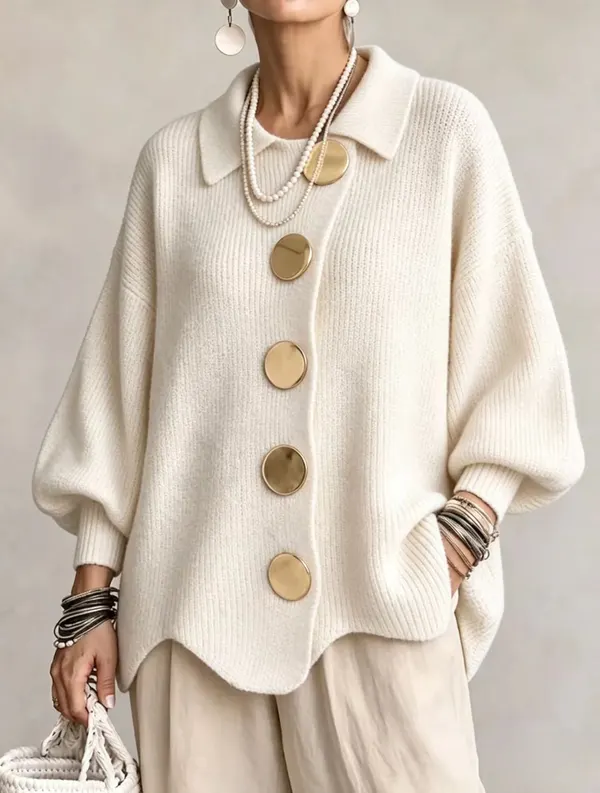
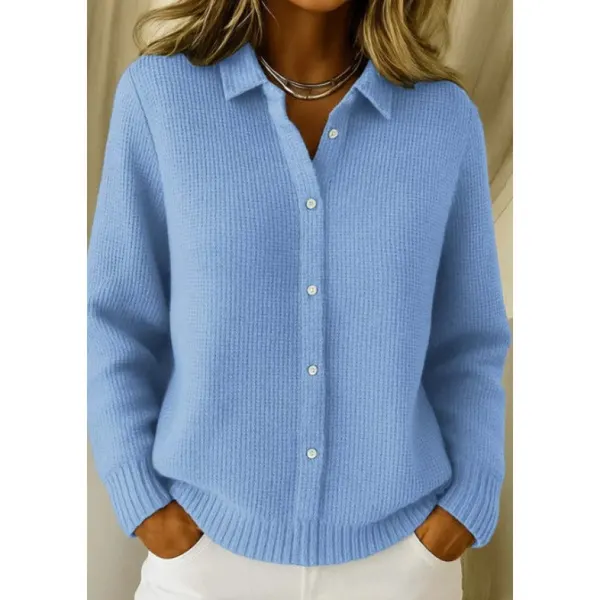
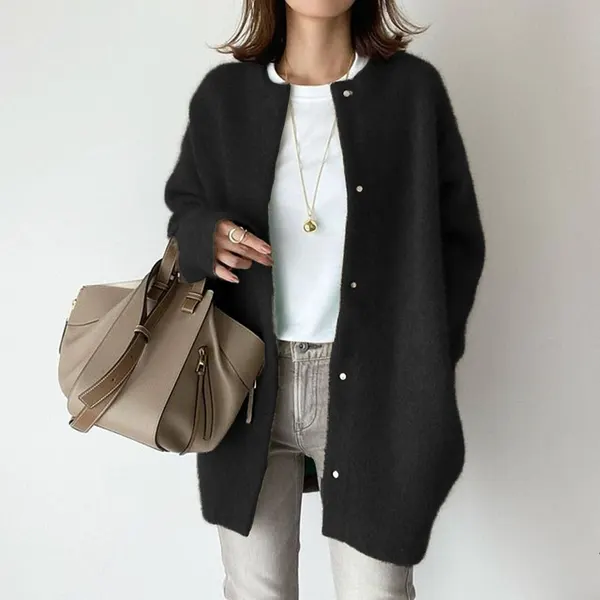
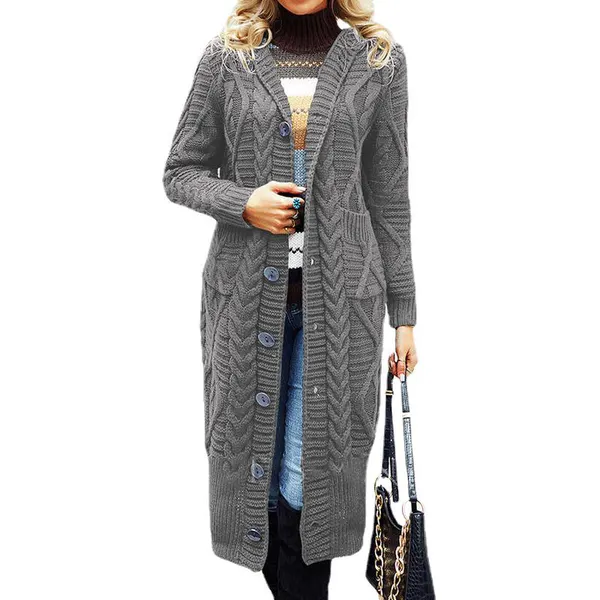
How to choose cardigans
Begin with where the cardigan will sit in your wardrobe. A fine knit is the layer that goes under a coat or over a shirt at a desk; a medium-weight piece works on its own through spring and autumn; a thicker knit behaves like a light jacket on cold mornings. Think about what you will wear underneath it, because that decides how much room you need through the body and the sleeve.
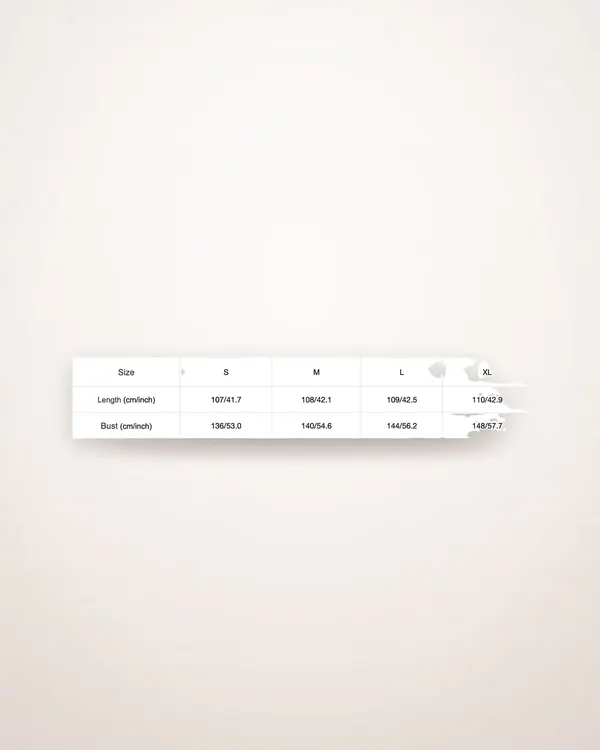
Length changes the line more than anything else. A shorter body that finishes around the hip, such as a 50cm length, sits neatly with high-waisted trousers and skirts and keeps proportions clean. A 65cm mid-length covers the hip and reads more considered over tailoring. A longline cut that falls below the knee or to the ankle layers like a coat and gives real coverage on a cold day.
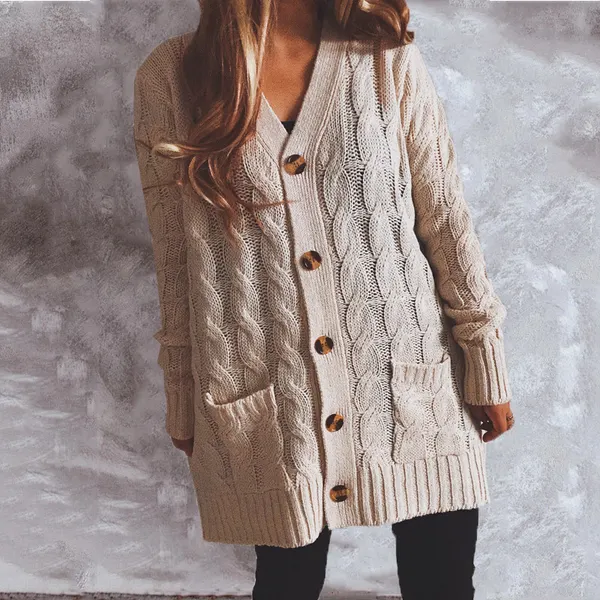
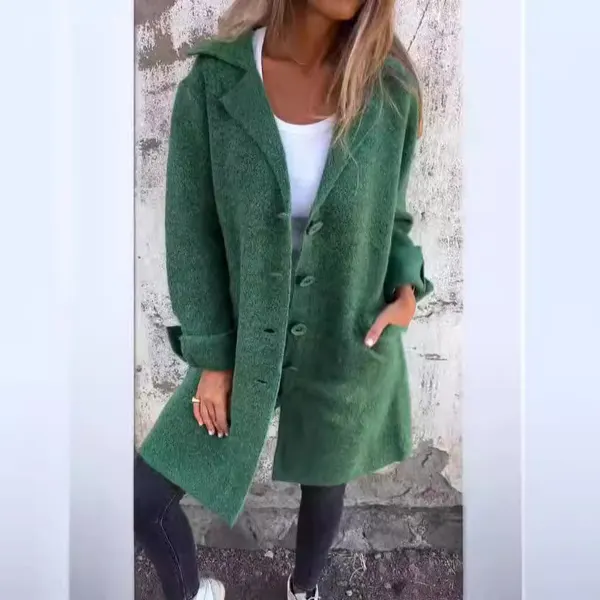
Then consider the closure. A button-through front lets you wear it open for an easy line or closed against the wind, a single-breasted placket keeps the front narrow, and a metal lock catch brings a little structure to a soft knit. A collar or lapel frames the face, while a round or V-neck keeps the neckline open. Colour is the last decision and often the easiest: quiet neutrals work hardest, while green, wine and purple carry an outfit on their own.
Fit is worth a moment's thought. Most of our knits are described with a loose or relaxed cut, and the guidance on each product page is simple: take your usual size for an easy layer, or size down for a neater line.
Materials, details and fit
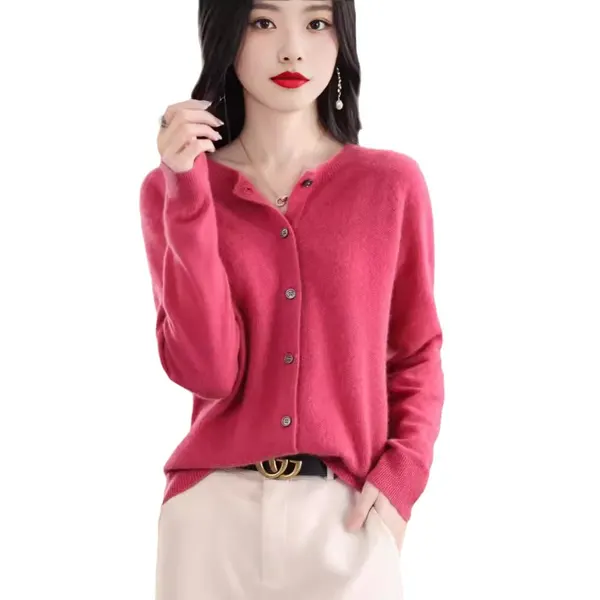
Cotton knit does much of the everyday work here. It has a soft, matte surface, holds its shape through a day of wear and sits smoothly under a jacket. Our single-breasted cardigan is a cotton-rich knit at 70% cotton with 30% polyester, which gives the yarn a little more resilience while keeping the hand smooth and the weight medium.
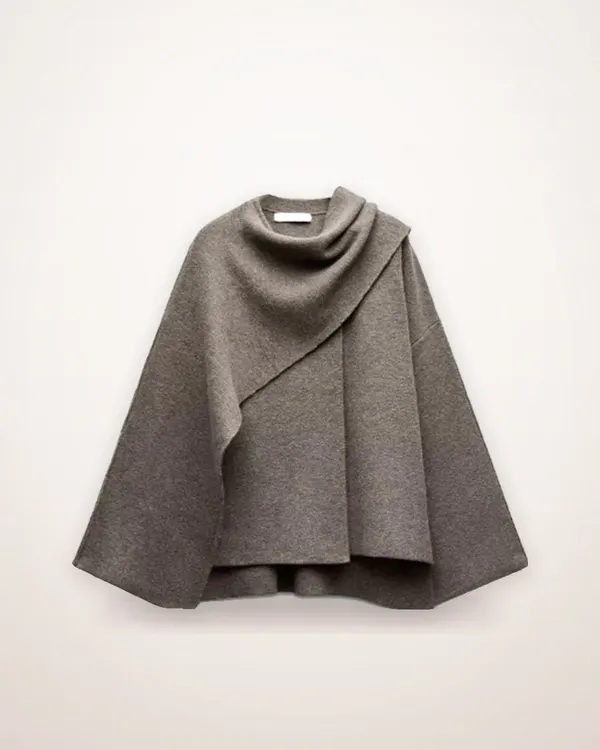
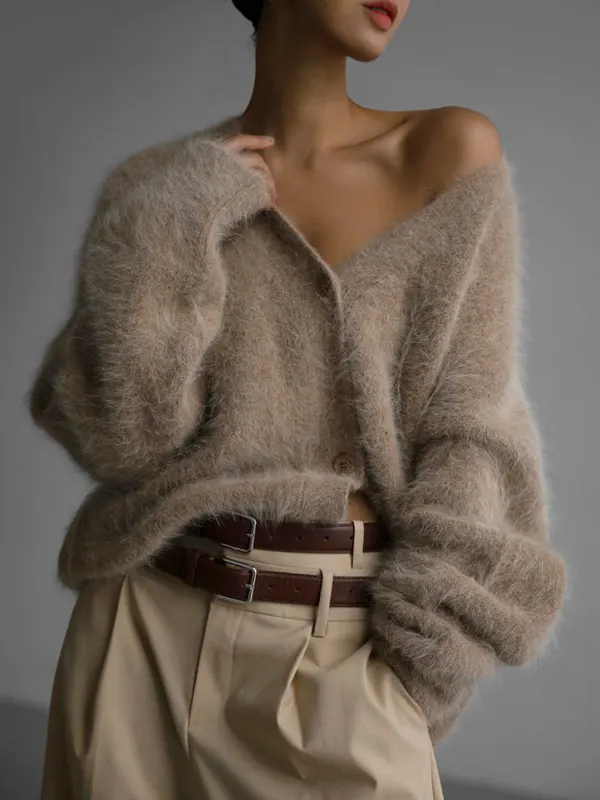
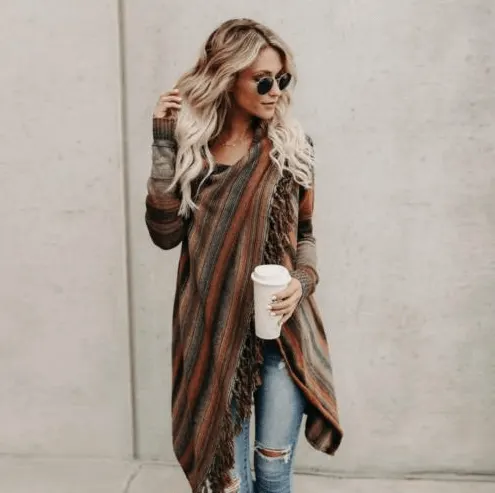
For colder days, look to the animal fibres. A cashmere cardigan jacket has a soft handle and a warm, medium-weight body; an alpaca blend longline piece carries a faint halo across the surface and, at a generous weight, falls in a slow, weighted drape rather than clinging; a hand-knit alpaca blend worked in a thickened stitch settles over the shoulders with a cape-like line.
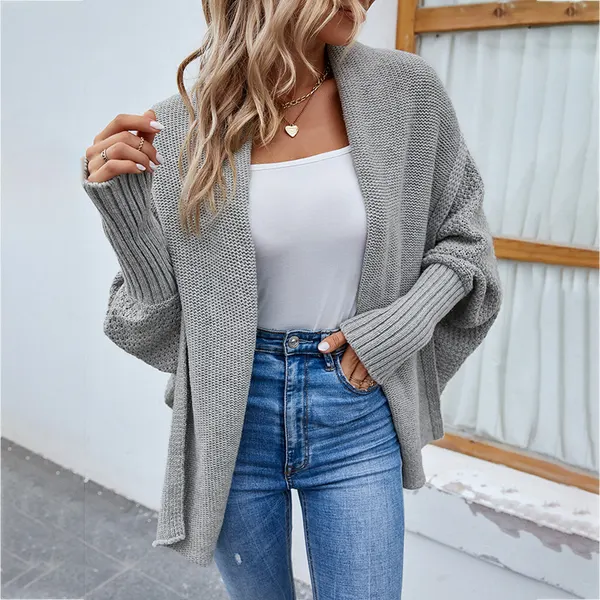
Acrylic keeps the hand light, which is why the lantern-sleeve plaid cardigan can carry volume at the arm without weight on the shoulders. Polyester knits, such as the lapel button-front piece, have a relaxed cut that layers comfortably over a tee. Neither is a compromise; they simply behave differently on the body and ask different things of your storage.
Details are where a plain knit becomes a piece you reach for. Fine embroidery worked across the surface reads as texture rather than ornament, panel splicing gives a quiet line of interest, a hood adds warmth at the neck, and lantern sleeves curve out gently before tapering to the cuff. Check that the neckline sits flat when you move, and that the sleeve finishes where you want it, skimming the wrist rather than stopping short.
How to style them
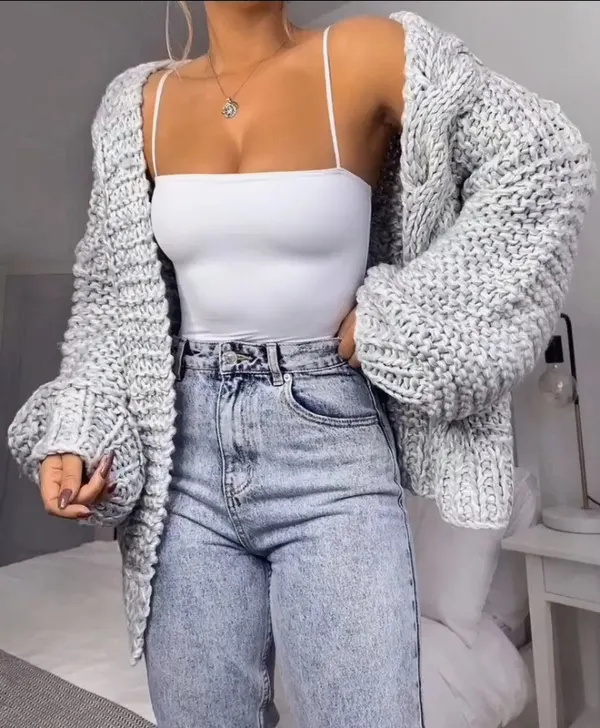
The simplest way to wear a cardigan is open over a fitted top and jeans, and it is still the most useful. A fine knit worn this way adds a vertical line without bulk. Button it up, swap the jeans for tailored trousers, and the same piece reads as office wear, particularly in black, navy or grey.
Over a slip dress, a cardigan softens the line for evening or for a cool morning. A longline or cape-like cut works best here, falling past the hip and moving with the dress rather than fighting it. Keep the dress simple and let the knit do the textural work.
Colour is where these pieces earn their place. Black reads polished over a slip dress, solid white looks crisp over dark trousers, and brown brings depth to pale denim. Khaki reads olive in daylight and warmer under lamp light, which makes it an easy partner for tailoring, and a grounded green settles well over a fine turtleneck.
Watch the proportions. A longline knit wants a slimmer line beneath it, so keep trousers or a skirt close through the leg; a shorter knit that finishes around the hip balances a wider trouser or a fuller skirt. If the knit is loose through the body, let the sleeve stay neat, and the reverse.
Care and storage
Knitwear lasts on attention rather than effort. Follow the care label on each piece, because a cotton knit, a cashmere jacket and an acrylic plaid each want slightly different handling. Between wears, air a knit rather than washing it, and deal with small marks promptly before they settle into the yarn.
Store knits folded, not hung. A hanger stretches the shoulder and pulls the body out of shape over a season; a folded stack in a drawer or on a shelf keeps the line. Keep the stack loose enough to lift a piece out without disturbing the rest, and keep everything dry and out of direct sun.
Pilling is normal on soft fibres and says nothing about how a knit will wear. A small knit comb or a soft brush takes the surface back to smooth, and letting a knit rest for a day between wears slows it down. If a loose thread appears, ease it back through the knit with a blunt needle rather than pulling it.
When a knit does need washing, dry it flat and reshape it while damp, away from a radiator or direct heat. Hanging a wet knit is the quickest way to lose its shape. Fold longline pieces along their length, and give the heavier weights more room on the shelf.
Standout pieces
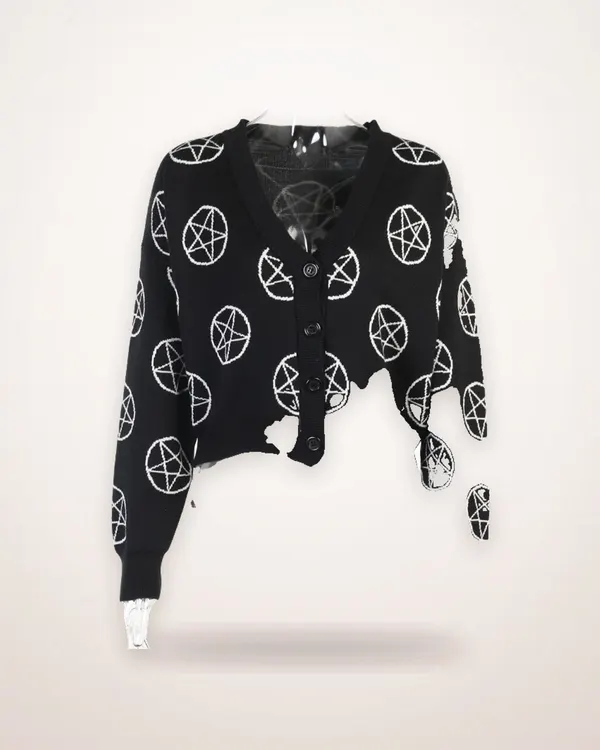
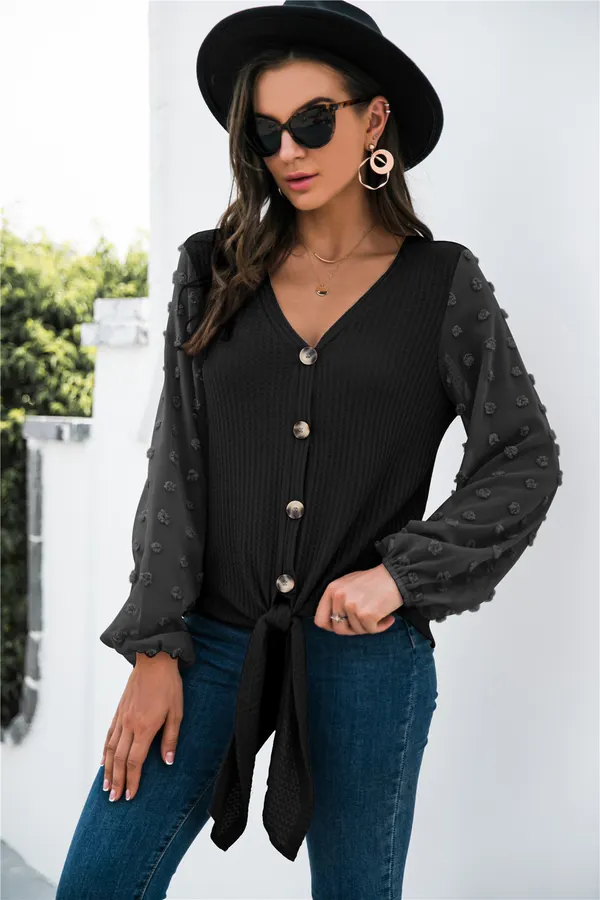
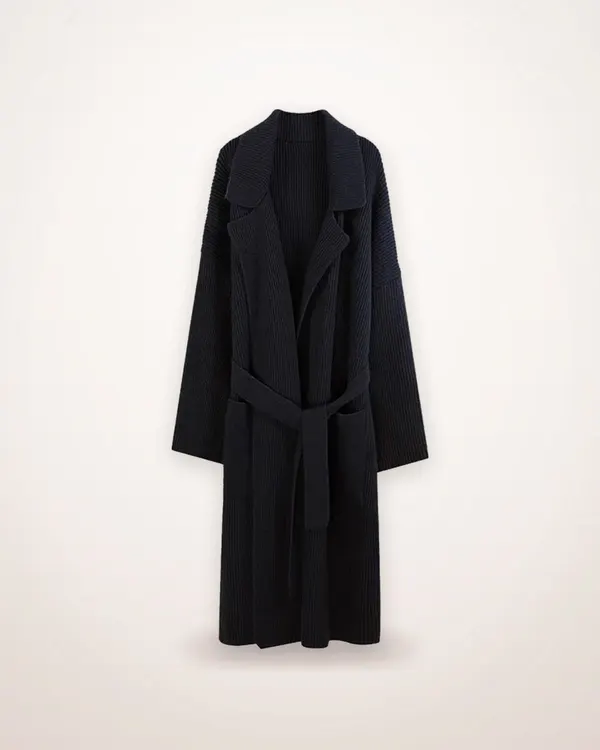
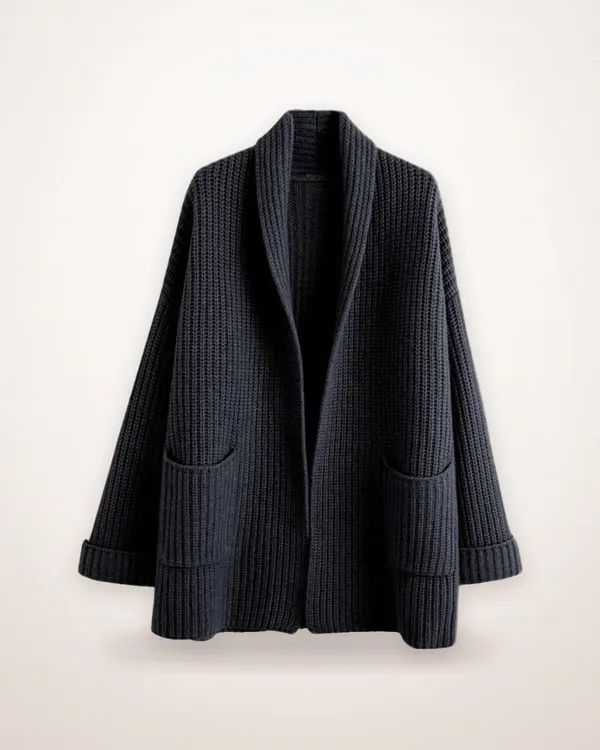
- Loose Knit Cardigan: The soft brushed knit has a quiet, matte surface and a moderate thickness that holds its shape without bulk, falling in a relaxed, generous line in deep black.
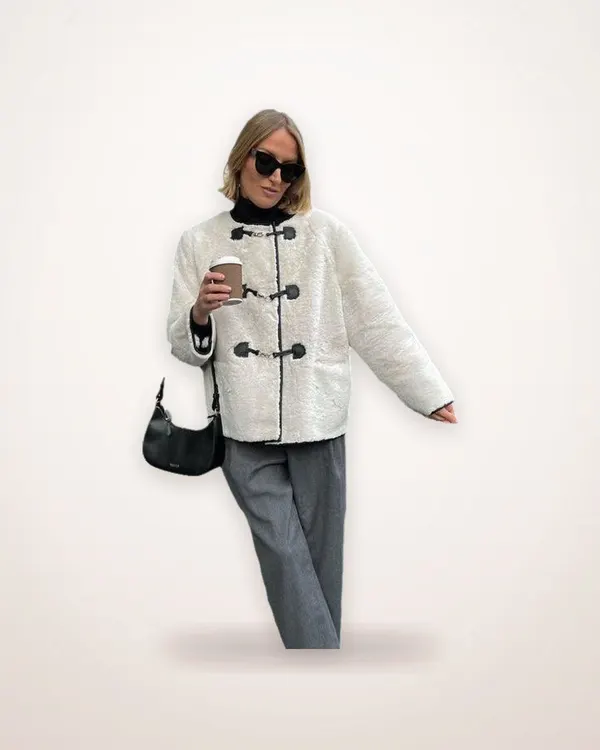
- Cashmere Cardigan Jacket with Metal Lock: Cashmere gives this one a soft handle and a warm, medium-weight body, while the metal lock catch adds a clean point of shine to a regular cut that finishes at a 65cm mid-length.
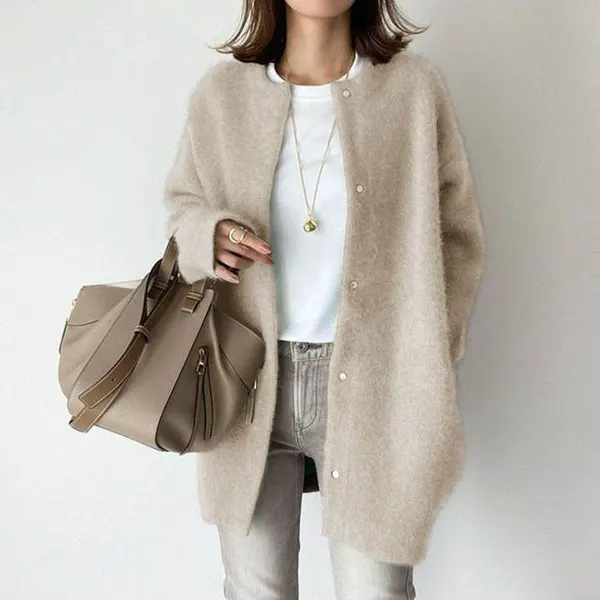
- Alpaca Blend Longline Knit Cardigan Coat: An alpaca blend lends the surface a faint halo, and the thickened, handfinished knit carries real substance for a slow, weighted drape in a khaki tone that reads olive in daylight.
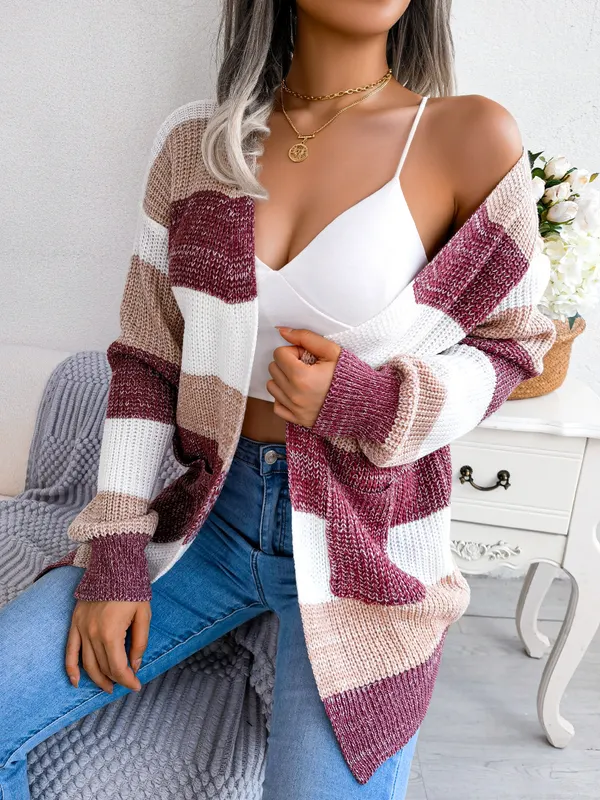
- Lantern-Sleeve Plaid Cardigan: Acrylic keeps the hand light on the shoulders while lantern sleeves curve out gently and taper toward the cuff, in a plaid pattern of burgundy, black or blue.
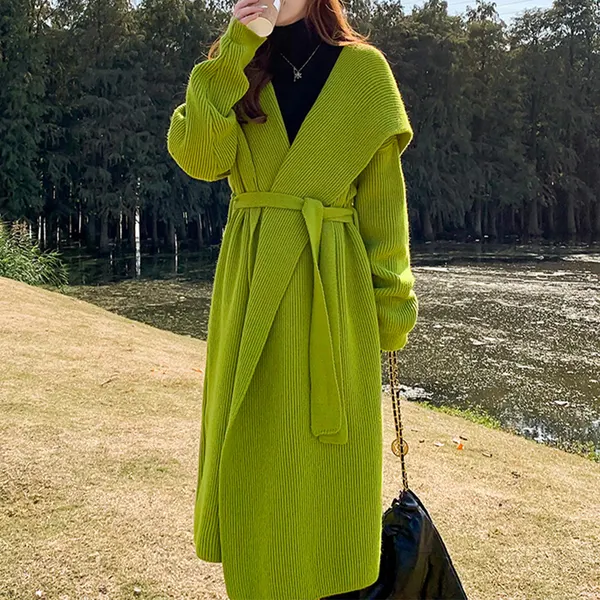
- Longline Hooded Knit Cardigan: A thick textured knit with a hood and an extra-long hem that carries the line below the knee, closed with a single row of buttons you can leave open over a dress or fasten against the wind.
More cardigans
Questions
What length of cardigan works best over a dress?
A longline cut that falls below the knee or to the ankle layers most easily over a dress, moving with it rather than cutting across it. A 65cm mid-length also works over a slip dress when you want a shorter line at the hip.
Should I size down in a loose-fit cardigan?
The notes on our loose and relaxed cuts suggest taking your usual size for an easy layer, or sizing down for a closer line. If you plan to wear it over a fine turtleneck or a dress, your usual size gives the room you need.
Which cardigan is warmest for cold mornings?
The heavier knits carry more weight and coverage than a fine cotton or acrylic layer: a thickened hand-knit alpaca blend, an alpaca blend longline piece, a thick textured knit with a hood or a cashmere jacket. A longline cut also covers more of the body than a hip-length one.
How do I stop a cardigan stretching out of shape?
Store knits folded rather than hung, and dry them flat and reshaped while damp. Letting a knit rest for a day between wears also helps it hold its line.
More clothing buying guides
This guide is written with the help of AI from the details on our own product pages and checked automatically before it is published. Product facts come only from those pages. All buying guides · Gift guides · Beauty Journal