


Bracelet watches: how to choose
A practical guide to choosing a bracelet watch by case size, bracelet style, materials and fit, with five pieces to consider.
At a glance
- Prices today
- $4.99 to $62.99
- Colours
- gold, rose, black, white, silver, rose gold, blue, red, pink, green, purple, brown
- Materials
- glass, alloy, stainless steel, rose gold, leather, crystal, rhinestone
- Details
- waterproof, lightweight
From the product pages of the pieces in stock now. Prices update with stock and are shown in your currency.
Shop bracelet watches
All Watches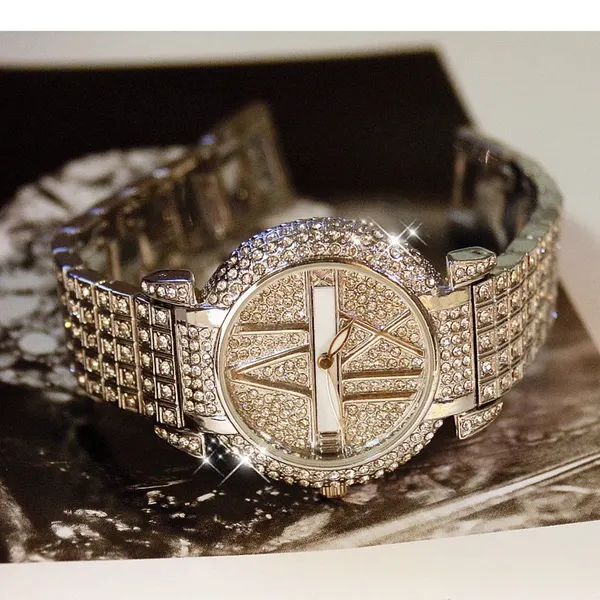
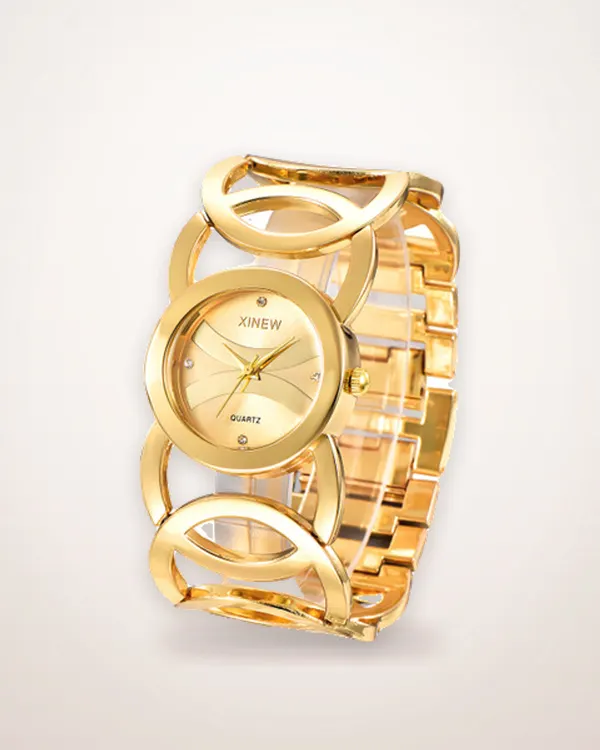
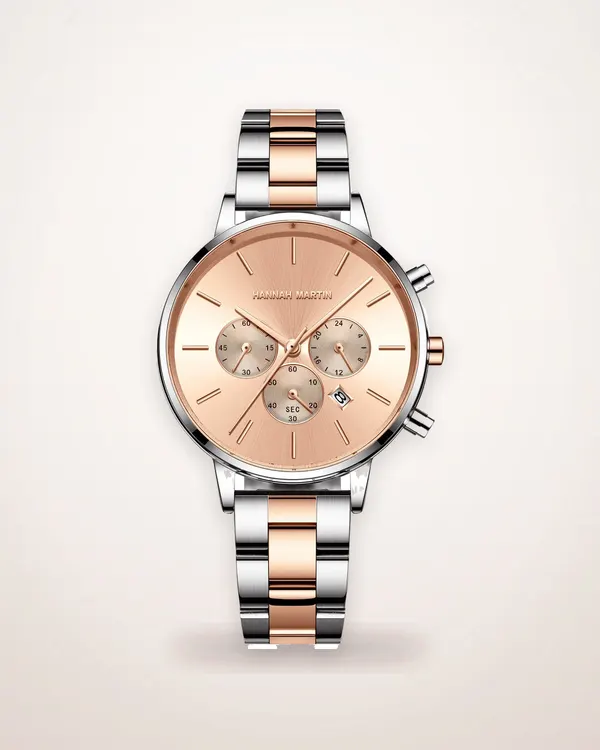
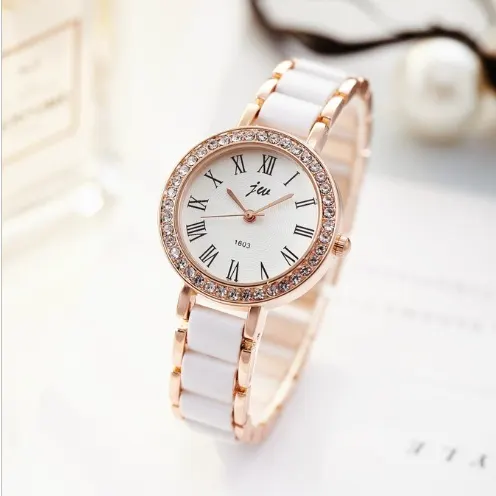
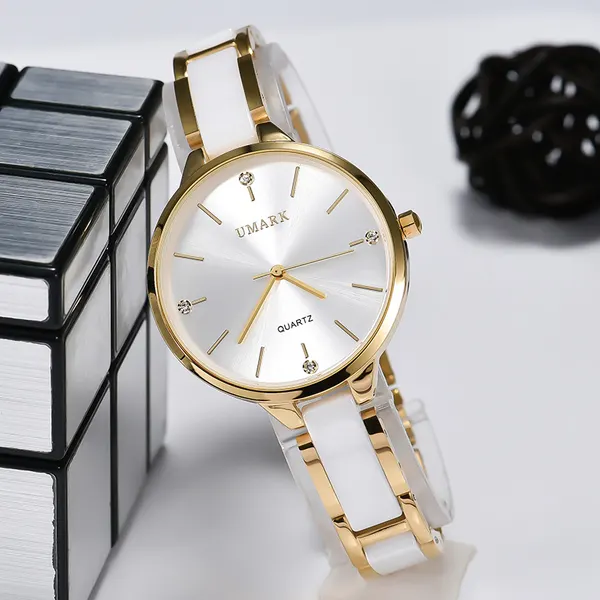
How to choose bracelet watches
Begin with the wrist you are dressing and the role you want the watch to play. A bracelet watch can be a quiet finishing detail or the piece that sets the tone, so decide first whether you want the dial to sit close and read as jewellery or to have a little more presence. In our pieces you will find round dials from 26 mm to 38 mm, along with square and oval faces, so there is a useful range to compare. A smaller case suits a narrow wrist or a sleeve that you want to keep clean; a larger case gives a clearer dial and a more deliberate line.
Look at the bracelet as closely as the dial. Link bracelets have a polished, traditional feel, mesh bracelets lie fine and flat, chain-link bracelets catch the light, and ceramic links give a smooth, even sheen. The clasp matters too: a folding or butterfly clasp sits flat beneath the wrist, a horseshoe buckle keeps a slim profile, and a mesh clasp slides to a close fit. Try to imagine fastening it each morning, because the best bracelet watch is one you can put on without thinking.
Think about reading the time. A clean dial with slender hands is easy to glance at, while diamond accents or a coloured dial add detail without changing the job. If you wear a watch under a shirt cuff, keep an eye on case depth: an 8 mm to 10 mm case slips under more easily than a deeper one. For evenings, a smaller face in rose gold tone or a square case can feel more like jewellery; for everyday, a stainless steel bracelet with a plain dial is the quieter choice.
Materials, details and fit
The materials do most of the work in a bracelet watch, so choose the finish you want to see every day. Stainless steel brings a cool, polished gleam; alloy keeps a case light; ceramic links have a smooth, low sheen; and glass covers the dial in several forms across our pieces, from Hardlex crystal and mineral strengthened glass to plexiglass, organic glass and coated glass. Rose gold tone warms the wrist, while gold, silver, black, white, blue, red, pink, green, purple and brown appear across the collection.
Fit is a matter of small adjustments. Fasten the bracelet so the case sits centred on the wrist, with enough room to slide a fingertip underneath. A hook buckle should let the bracelet rest just below the wrist bone; a butterfly clasp should meet flat beneath the wrist; a mesh bracelet should slide to a close fit that keeps a small dial centred; and a single folding buckle should sit flat against the skin. None of these should pinch or rotate freely.
Weight and adjustability are worth noticing. A 54 g mesh watch feels light through an afternoon, while a compact metal bracelet at roughly 50 g is easy to forget. Some of our pieces are described as lightweight and some bracelets as adjustable, so read the individual details if those points matter to you. A slim case of 6 mm to 8.5 mm disappears under a cuff, while an 11 mm case has more presence; neither is better, but they suit different wardrobes.
How to style them
Approach the watch as jewellery first, then as a timepiece. A small round dial on a fine bracelet sits well beside a plain shirt cuff or a bare arm, and it can finish an outfit without competing with earrings or a necklace. If you like a stack, keep the watch as the anchor and add one fine chain bracelet on the same wrist; give the dial a little clear space so the line stays calm.
Match metal tones with a light hand. Gold tone with a black dial reads a little more evening; rose gold tone with a white or rose dial feels softer; silver and steel are easy with cool colours such as blue or green. A square rose gold case brings a calm gleam to a dinner reservation, while a chain-link watch with a 38 mm case has enough presence for a working day. If your wardrobe is mostly neutral, let the bracelet texture do the talking: mesh lies flat, links catch light, ceramic stays smooth.
Sleeves change the effect. A watch with a 6 mm to 8 mm case slides under a close cuff; a 10 mm to 11 mm case works better with a looser sleeve or a bare wrist. For a wedding or an evening out, a small dial in rose gold tone or a ceramic bracelet with diamond accents can stand in for a bracelet. For a long lunch or a gallery afternoon, a compact metal bracelet at roughly 50 g keeps the wrist light.
Care and storage
Keep the bracelet clean and dry. Wipe the case and bracelet with a soft, dry cloth after wearing, and use a slightly damp cloth on stainless steel or ceramic if needed, then dry it at once. Avoid perfume, hairspray, lotions and household cleaners, which can dull a finish or leave a film on glass. A soft brush can reach the gaps in a link bracelet; a dry cloth is enough for mesh and ceramic.
Store each watch separately in a soft pouch or a lined box, with the clasp fastened so the bracelet does not tangle with other jewellery. Keep it away from damp and direct sun, and do not pile heavier pieces on top. If you wear a leather strap, keep it away from water and let it air dry if it becomes damp; leather prefers a cool, dry place.
Check the fit before you wear it for a long day. The case should sit flat and the bracelet should not slide over the hand or press into the wrist bone. Keep it away from hot water, steam and chemicals, and follow any care guidance supplied with the piece. For any skin concern, speak to a professional rather than relying on a watch or bracelet.
Standout pieces
- Round Stainless Steel Bracelet Watch: A 35 mm round steel case at 10 mm deep, with a clean dial behind Hardlex crystal and a link bracelet that sits flat under a sleeve.
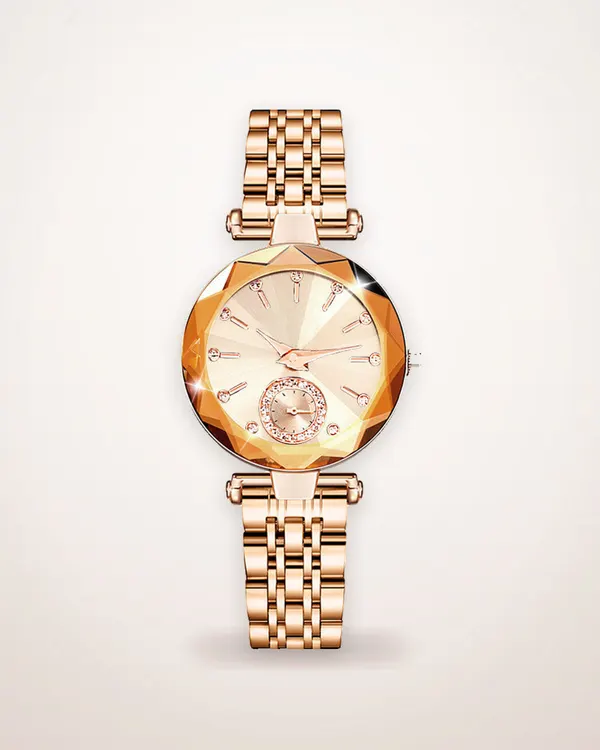
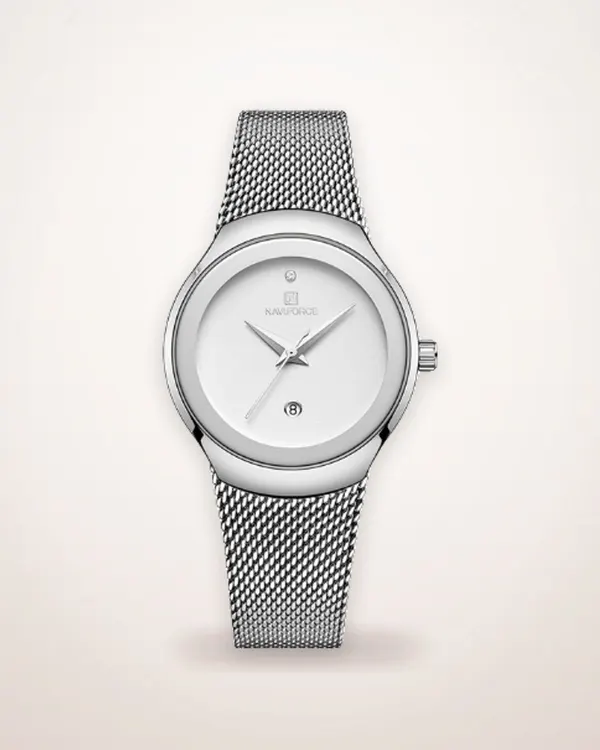
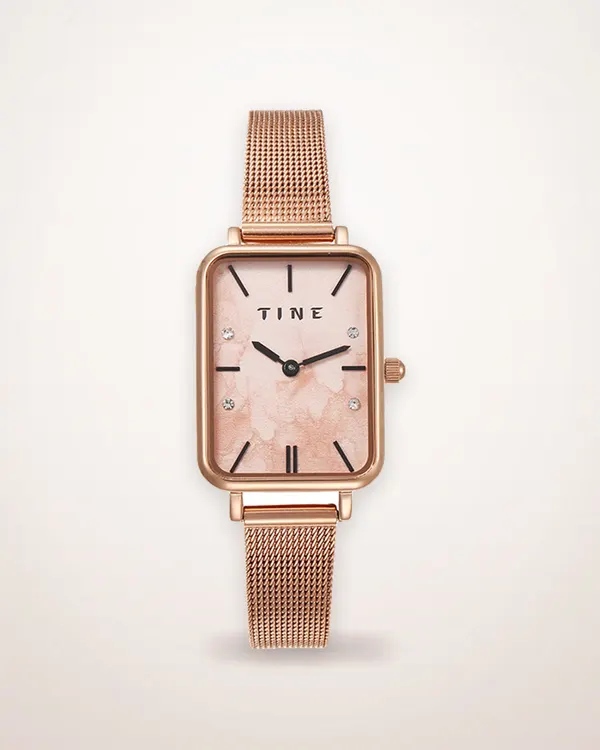
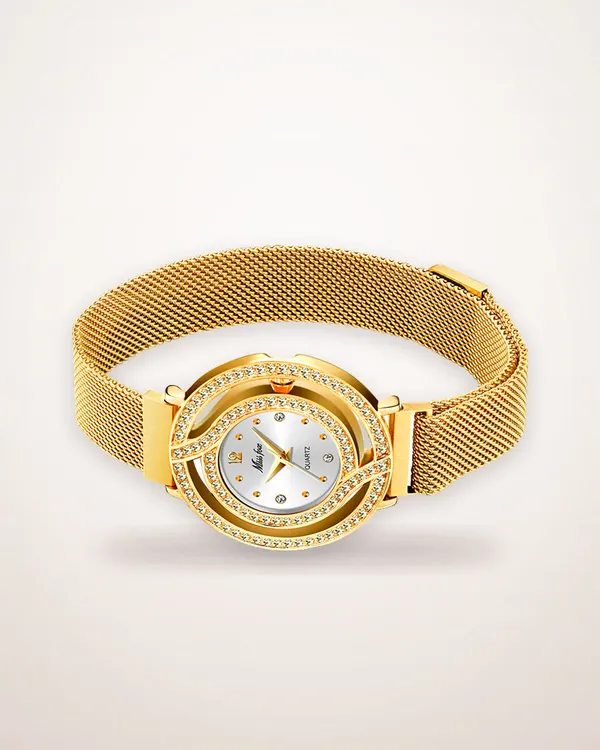
- Rose Gold Mesh Bracelet Quartz Watch: Warm rose gold tone and a fine stainless steel mesh bracelet at 54 g, with a small legible dial that lies flat and light on the wrist.
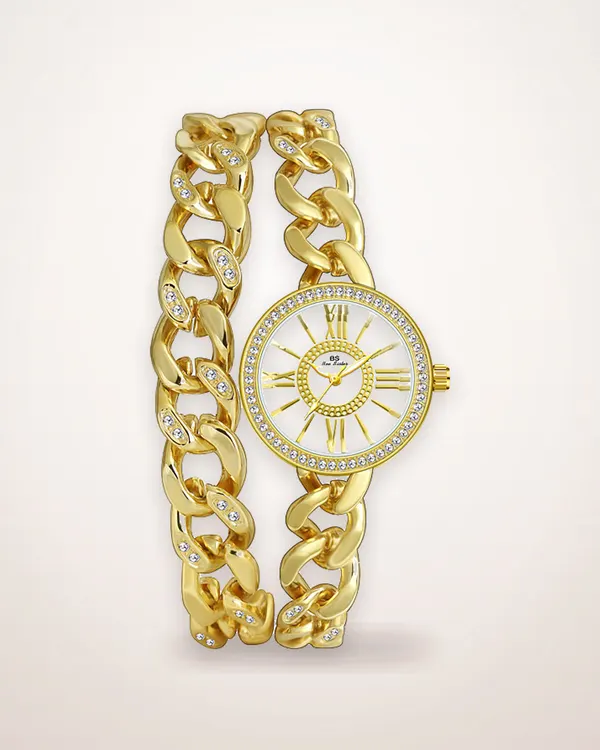
- Butterfly Clasp Chain-Link Watch: A 38 mm round case with mineral tempered glass and a stainless steel chain bracelet, closed by a butterfly double snap clasp.
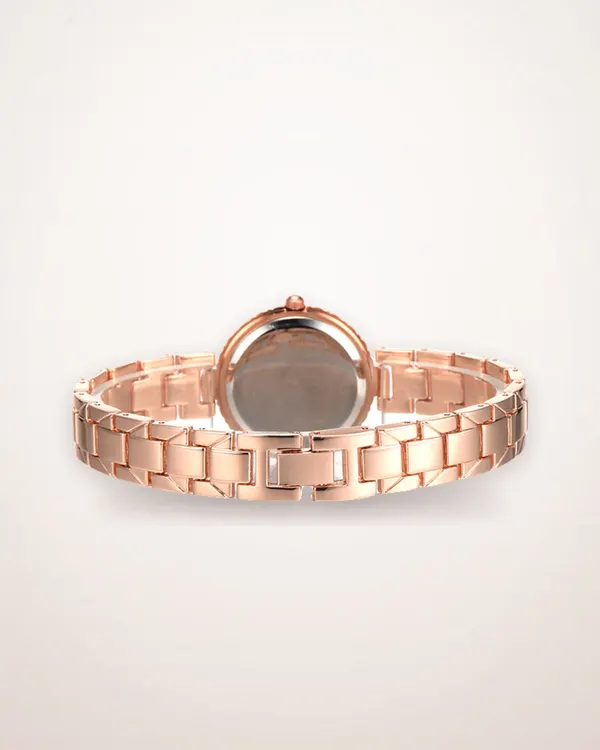
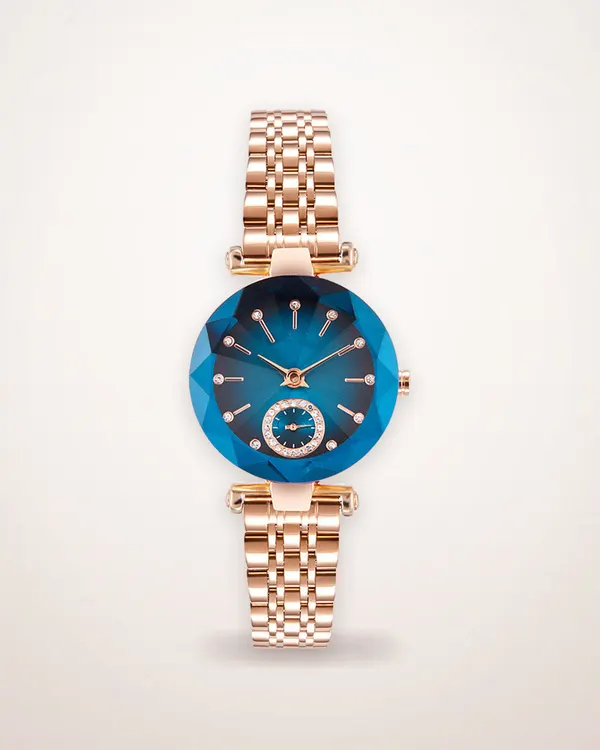
- Square Rose Gold Steel Bracelet Watch: A square rose gold face in a 6 mm case on a polished stainless steel bracelet with a horseshoe buckle.
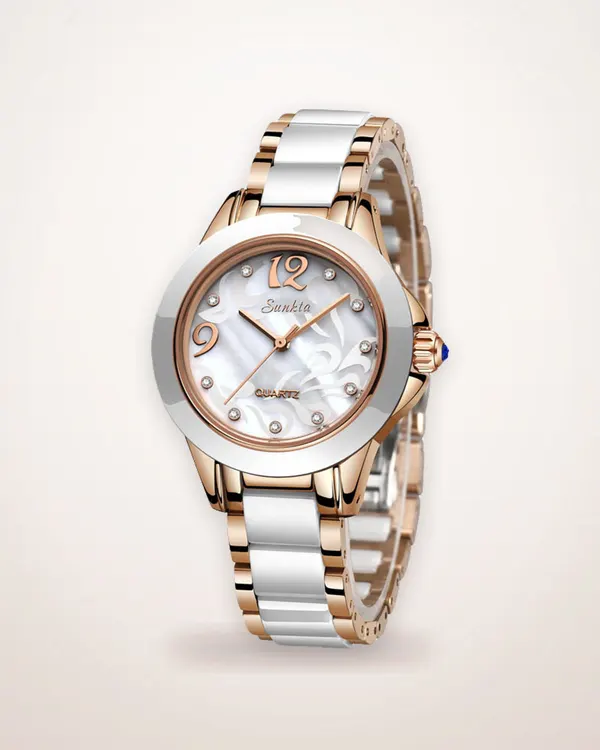
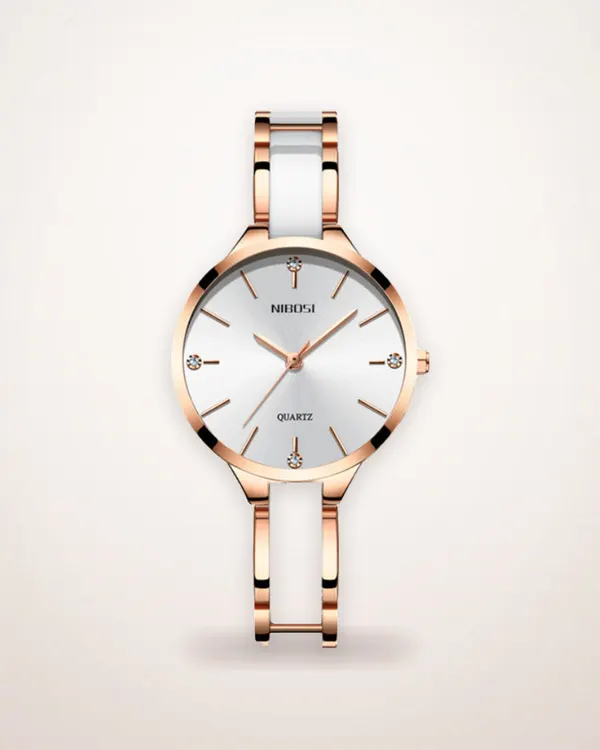
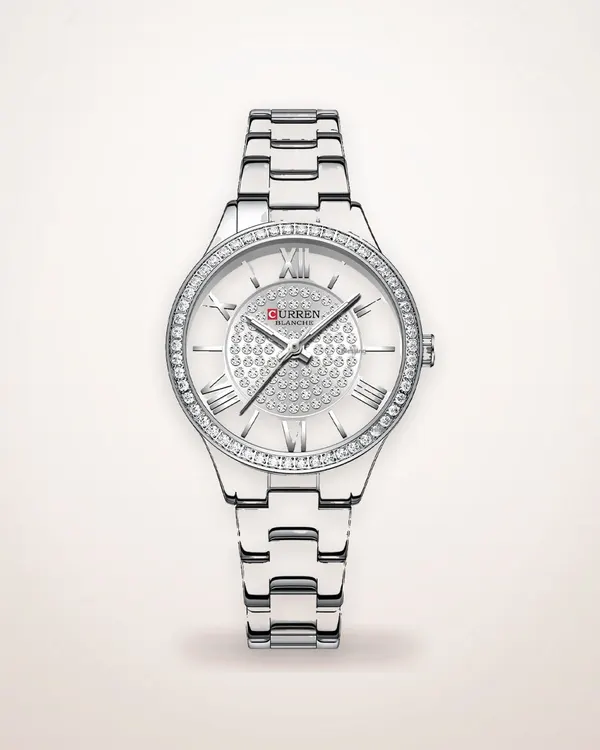
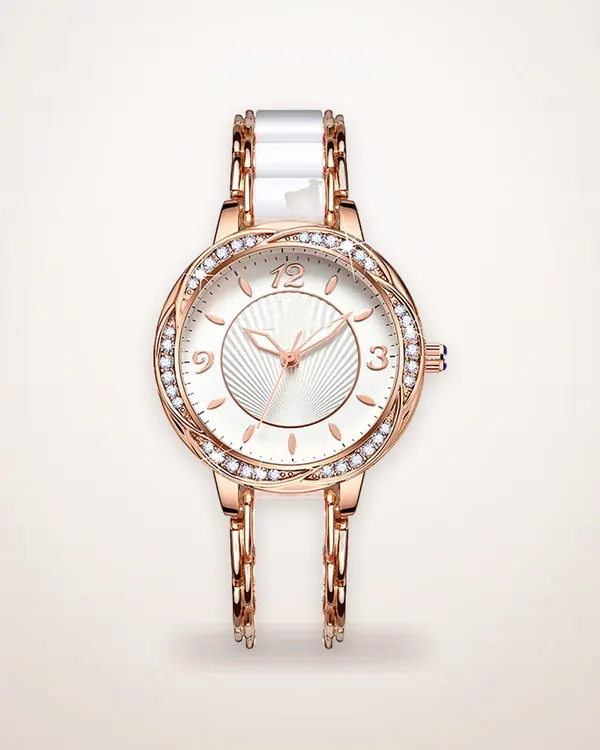
- Ceramic Bracelet Quartz Watch with Diamond Accents: A 34 mm round face in an 8 mm case, with a smooth ceramic bracelet, steel case and diamond accents marking the hours.
More bracelet watches
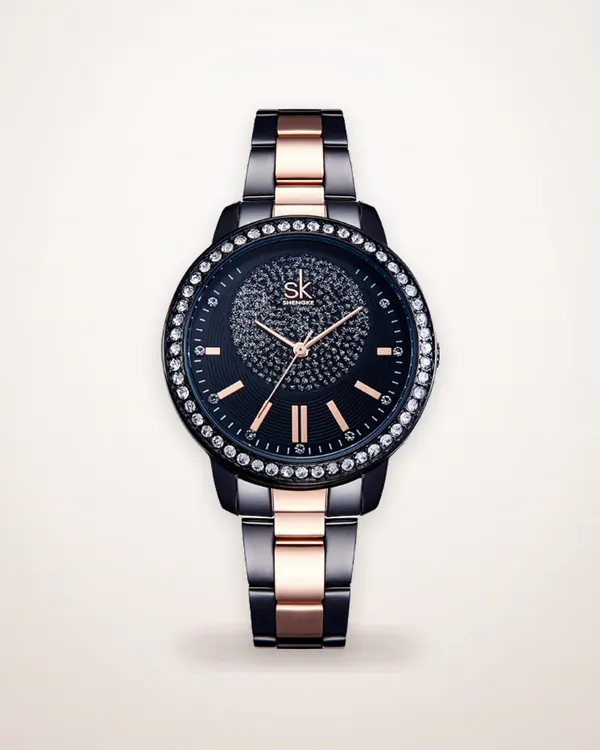
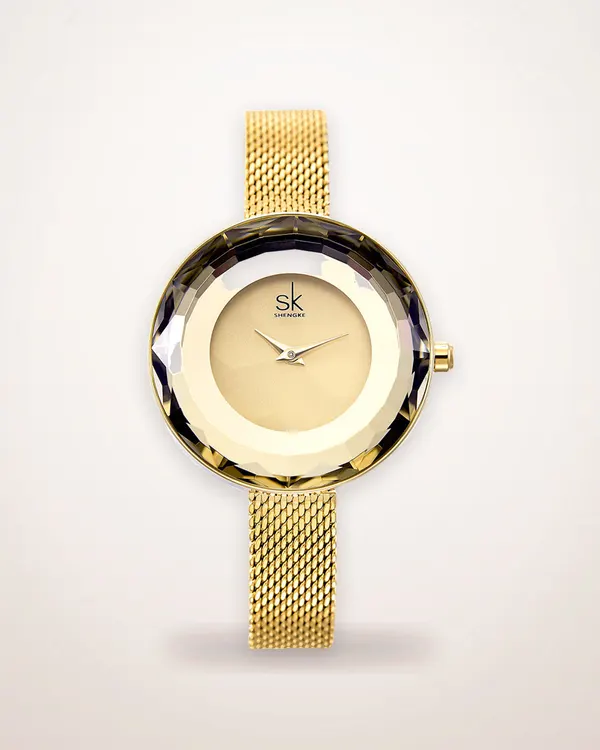
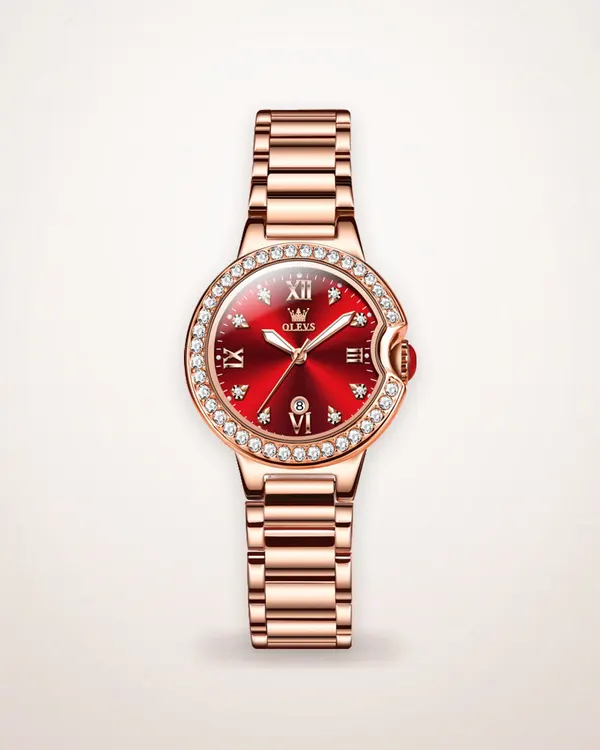
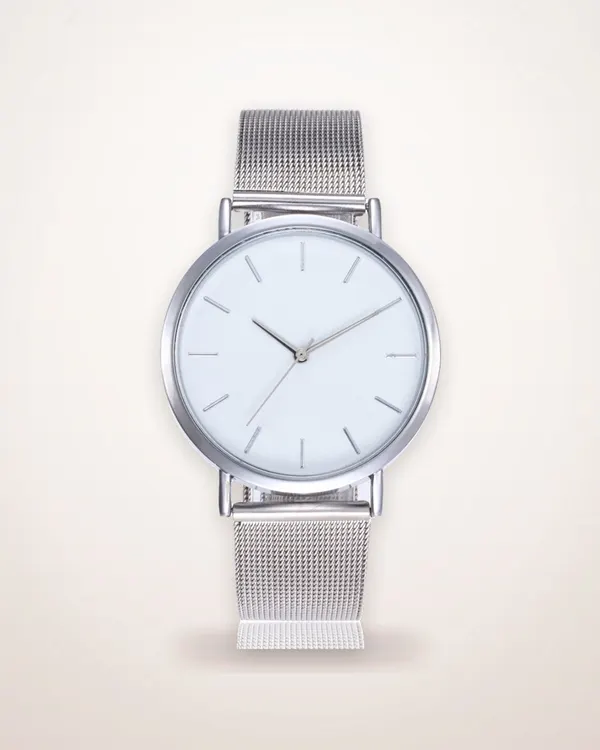
Questions
How do I choose the right case size for a bracelet watch?
Start with the look you want: a 26 to 30 mm dial reads as jewellery, while a 33 to 38 mm case gives a clearer face. Check the case depth too, since an 8 to 10 mm case slips under a cuff more easily.
What is the difference between a mesh bracelet and a link bracelet?
A mesh bracelet is fine and lies flat, often with a sliding clasp; a link bracelet has individual metal links and a folding or butterfly clasp. Both can sit close to the wrist, so choose the one whose clasp feels natural to fasten.
Can I wear a bracelet watch with other jewellery?
Yes. Keep the metal tones deliberate, and give a small dial room so it does not crowd a stack. A fine chain bracelet next to a mesh or link watch can look considered rather than busy.
How should I store a bracelet watch?
Store it flat in a soft pouch or lined box away from other pieces, and fasten the clasp so the bracelet does not tangle. Keep it away from perfume, hairspray and damp.
More jewellery & watches buying guides
This guide is written with the help of AI from the details on our own product pages and checked automatically before it is published. Product facts come only from those pages. All buying guides · Gift guides · Beauty Journal