


Stud earrings: how to choose
A practical guide to choosing stud earrings by scale, metal, colour and finish, with pieces for everyday wear, layered ears and evening.
At a glance
- Prices today
- $1.99 to $65.99
- Colours
- silver, gold, black, white, rose gold, rose, pink
- Materials
- alloy, sterling silver, pearl, copper, zircon, rhinestone, crystal, brass, rose gold, stainless steel
- Finishes
- shimmer
- Details
- lightweight
From the product pages of the pieces in stock now. Prices update with stock and are shown in your currency.
Shop stud earrings
All Jewellery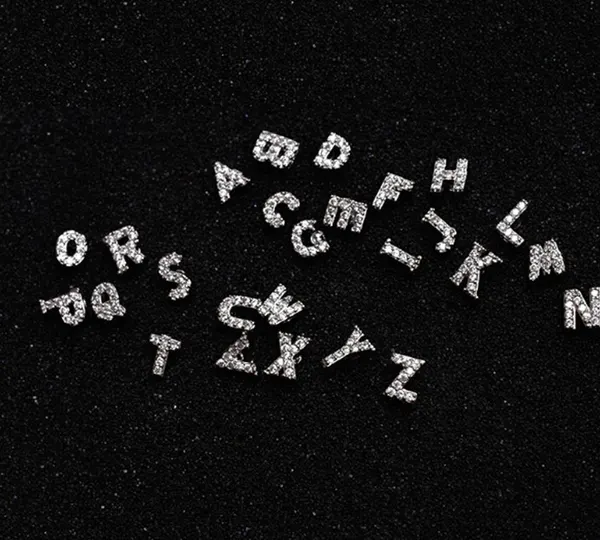
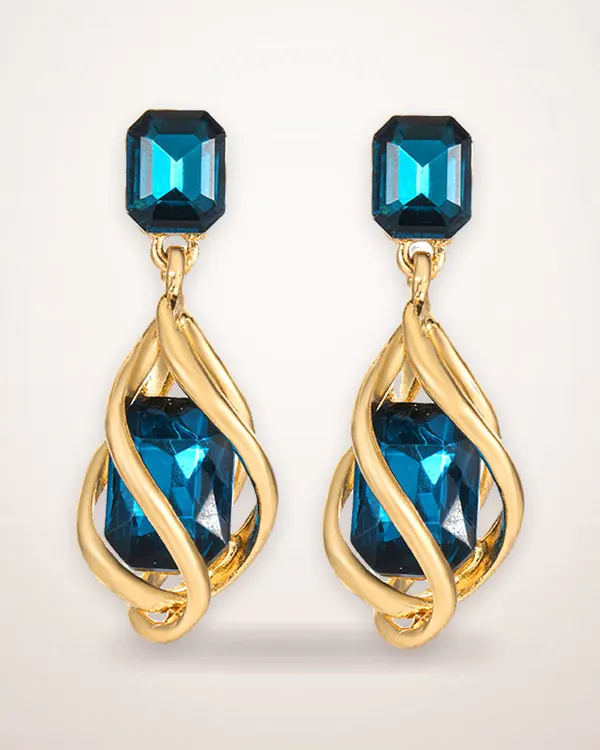
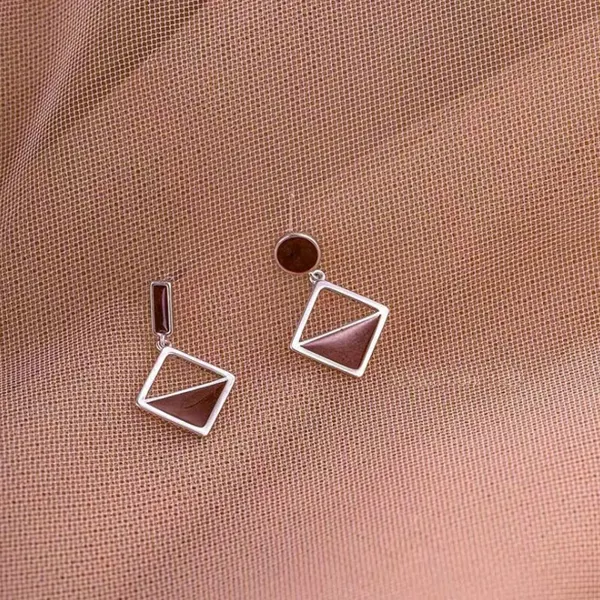
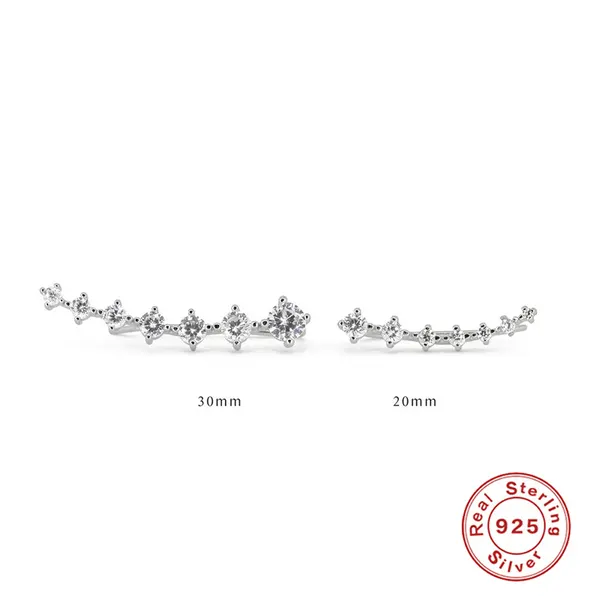
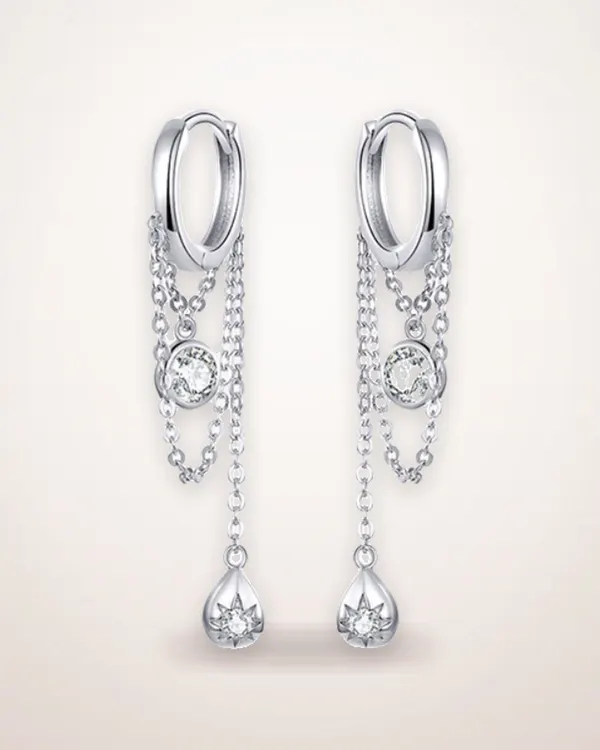
How to choose stud earrings
Begin with the piercing you want to fill and the line you want across the ear. A stud that sits close to the lobe is the quietest choice for a first, second or third piercing; a slightly forward placement can create a layered look without adding another pair. Check the stated face size and weight, especially if you plan to wear the earrings from morning to evening. Our pieces include a 2.8 gram pair and a 7 gram pair, with notes on lightweight feel where it applies.
Think about how the stud meets your hair and neckline. A small, flat-fitting pair stays out of the way under a collared shirt, while a longer row or a tassel shape gives the lobe a clearer line when hair is pulled back. If you wear glasses, a phone headset or a scarf close to the ear, keep the profile simple so the stud does not catch. For a first pair, choose a shape you can wear with most of your wardrobe; for a later piercing, you can be more playful with letter shapes, asymmetry or a single pearl.
Consider the metal colour you wear most often. Silver, gold-tone, rose gold-tone and black or white inlays all appear in the pieces here, and the right choice is usually the one that sits comfortably beside the jewellery you already reach for. There is no need to match every piece exactly: a silver stud beside a gold-tone earring can look deliberate if the scales are similar. If you are building a curated ear, start with one close-fitting stud, then add a second shape only when you know how the first sits.
Materials, details and fit
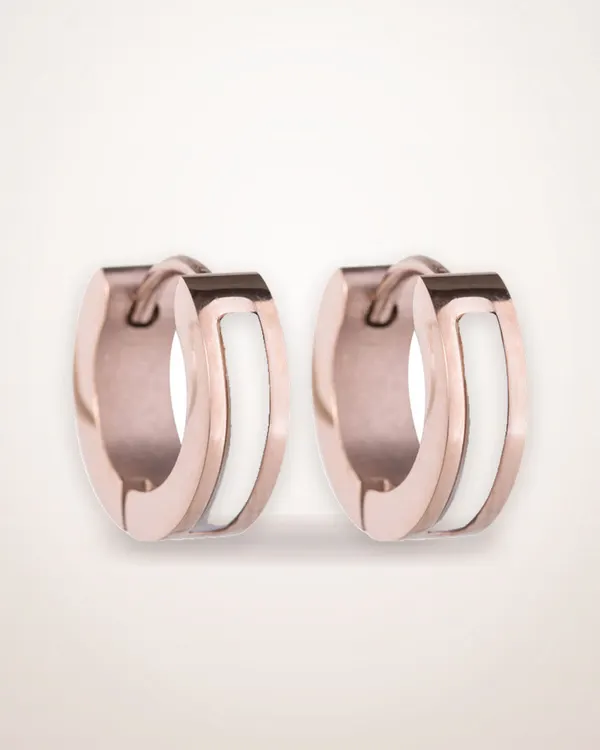
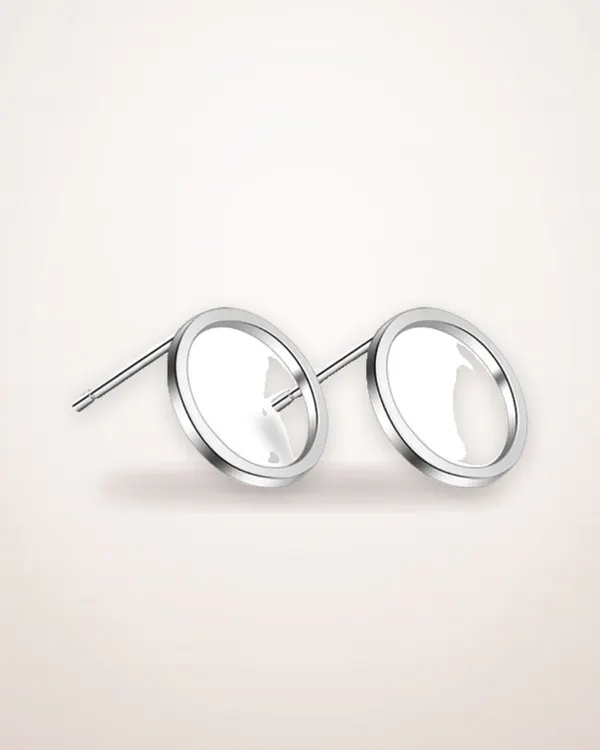
The product details are the place to check what a stud is made from. Sterling silver appears in several designs, including the olive branch studs and the two-piece stud and necklace set; alloy is used in the woven pearl scalloped studs and the emerald-tone irregular pair; and copper, brass and stainless steel are also named across the pieces. Stones and inlays include zircon, rhinestone, crystal and pearl, alongside shell inlay in the round studs. Read the individual page for the exact metal, stone and finish rather than assuming every silver-coloured piece is the same.
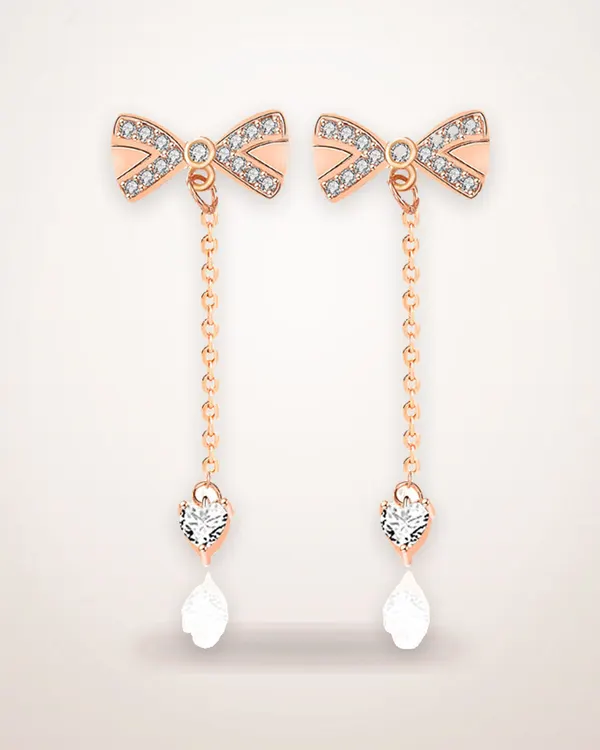
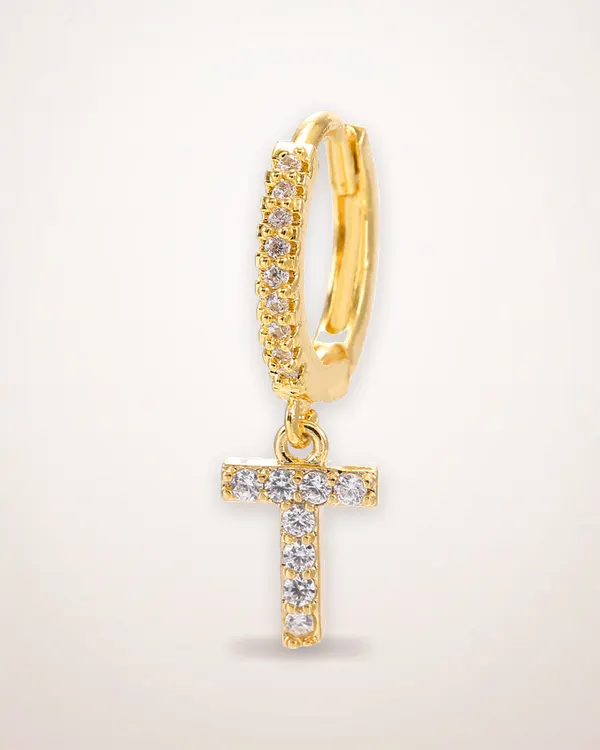
Fit is a combination of post length, face size and weight. A stud should slip through the lobe and fasten with the back close to the skin; if it tips forward, the face may be too heavy for the position you have chosen. The product notes give useful measurements where they matter: a 3.0 g letter stud, 6 mm studs in a three-piece set, a bowknot tassel at about 55 x 11 mm, and a linear row offered in 20 mm and 30 mm lengths. Use those figures to compare a new pair with a stud you already wear comfortably.
Finishes change how a stud reads in daylight and at night. A silver surface gives a clean, bright line, while a gold-tone or rose-toned finish warms the ear and sits easily with warmer colours. A shimmer finish catches light in a softer way, and a pearl or shell inlay shifts colour rather than flashing. If your skin is sensitive, speak to a professional about the metals that suit you, and use the product facts to identify what each pair contains.
How to style them
Start with the scale of the stud and the rest of your jewellery. A single close-fitting stud, such as the baroque water pearl single or a 6 mm silver stud, leaves room for a necklace without crowding the ear. A pair with more presence, like the emerald-tone irregular studs or the woven pearl scalloped pair, can carry a dinner look on its own. If you wear a fine hoop in a second piercing, place a small stud in front of it for contrast rather than matching the shapes.
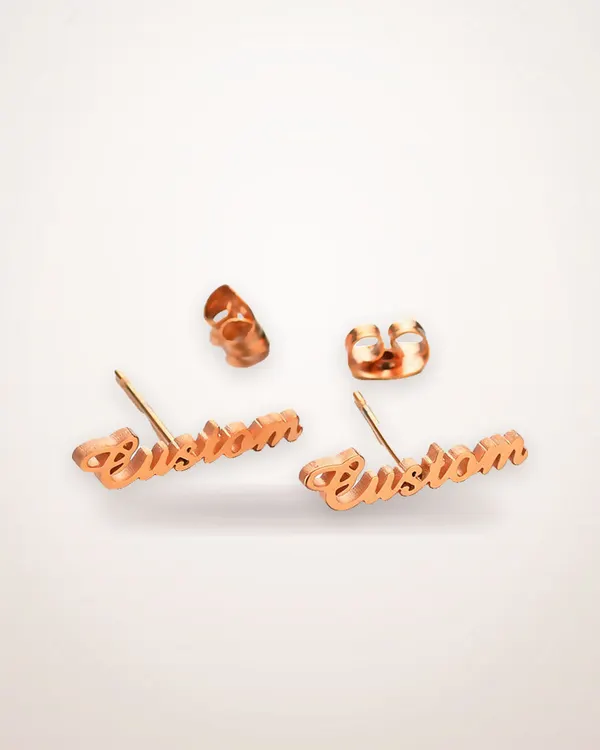
Asymmetry is easiest when one ear carries the detail and the other stays quiet. The asymmetric heart studs are set at different angles on purpose, so let them be the focus and keep the rest of the ear simple. Letter studs can be worn one initial on each ear or mixed for a personal note; the zircon stones give a bright point without a large face. For a pulled-back hairstyle, a linear row or a small tassel draws the eye along the lobe, while loose hair suits a flatter stud that will not catch.
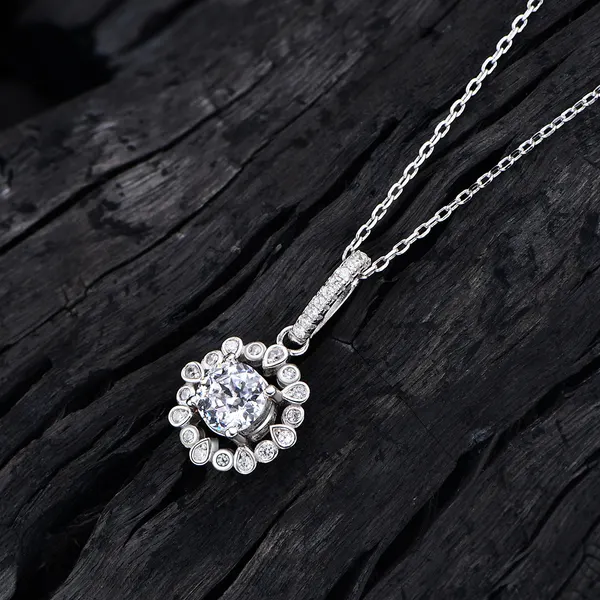
Let the neckline guide the mood. An open collar or a scoop neck can take a pearl stud and a fine chain together, while a high neckline often looks best with one clear shape at the ear. The two-piece stud and necklace set is designed to be worn together or separately, so you can decide whether the light sits at the ear, the collarbone or both. In the evening, a faceted stone or a deeper colour adds contrast; in the day, an olive branch or a plain silver line keeps the finish calm.
Care and storage
Fasten the post through the lobe and check that the back sits close and comfortably before you go out. The product notes describe several studs as sitting flat against the lobe and holding their position through a long day, but it is still worth checking the fit in a mirror after you dress, especially with a scarf, collar or glasses. If a stud has a tassel or a longer row, lift your hair away from the ear to make sure the piece hangs or lies as you expect.
Store studs as pairs where you can, with the backs fastened or kept in the same compartment, so a small piece does not go missing. Keep silver pieces in a dry pouch or box away from damp, and keep pearls, shell inlay and stones from knocking against harder jewellery. A soft dry cloth after wear is usually enough; for pearls and shell, avoid liquid cleaners and harsh cloths. If a piece has a plated finish, handle the surface gently and follow the product page notes rather than using abrasive polishes.
Travel with studs in a small case or a soft pouch, and pack them separately from chains that could tangle around the posts. Rotate your pairs rather than wearing the same stud every day, and give the ear a rest between long days if the lobe feels tender; if you have a skin concern, speak to a professional. A quick check of the backs before you leave the house is the simplest habit, and it keeps a small pair in place through a commute, a working day or an evening out.
Standout pieces
- Zircon Letter Stud Earrings: A delicate letter shape set with clear zircon stones, light at 3.0 g and easy to place in a second or third piercing.
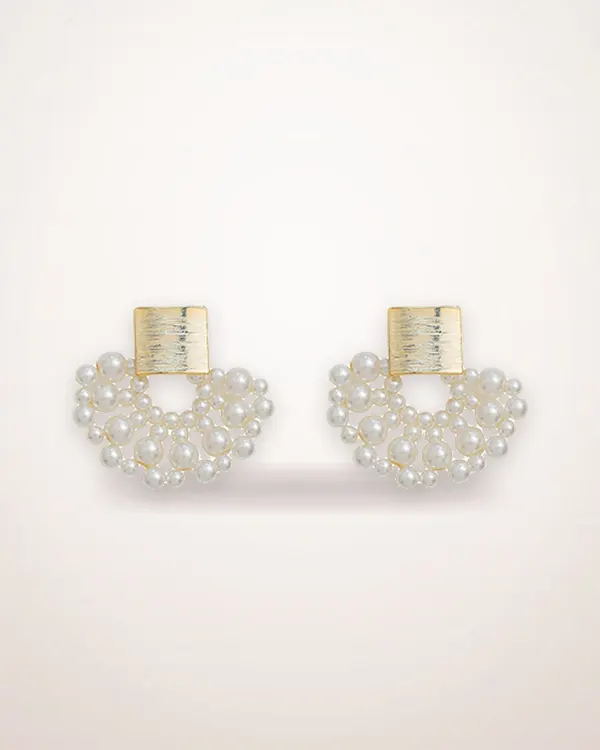
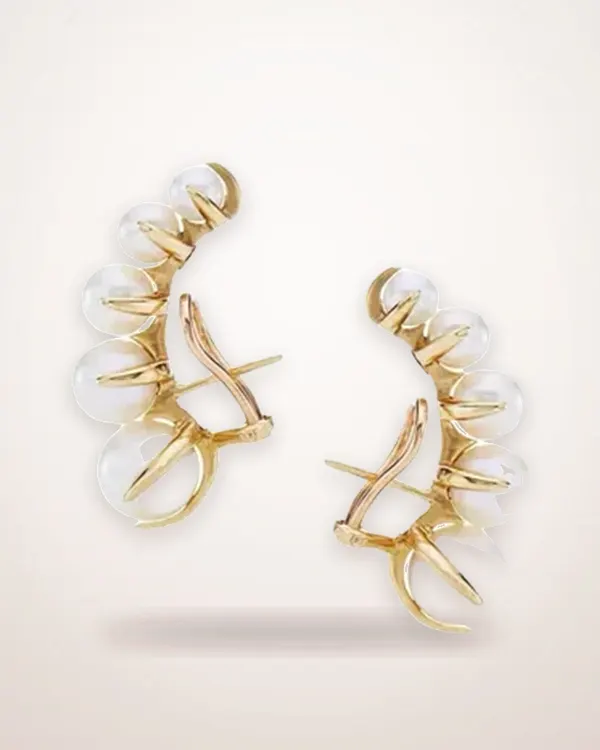
- Woven Pearl Scalloped Stud Earrings: Pearls are woven into a scalloped gold-tone electroplated alloy frame, with a handmade arrangement and a 7 g weight for a full day.
More stud earrings
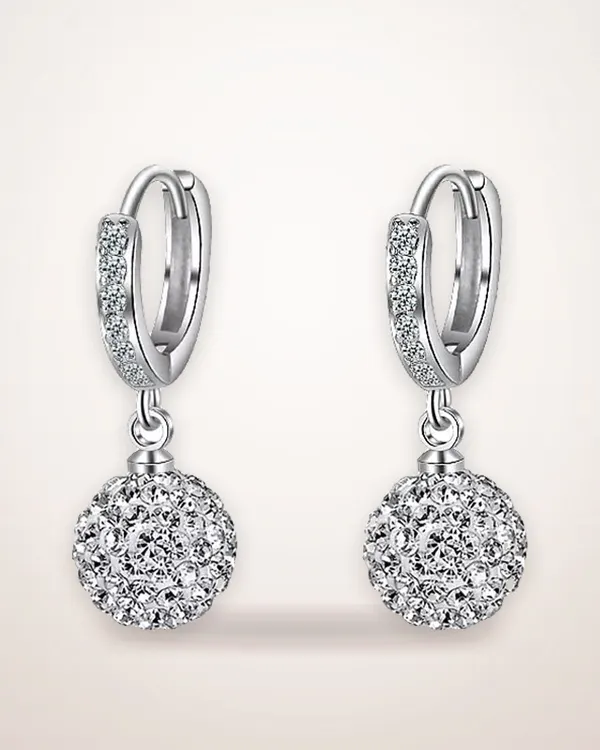
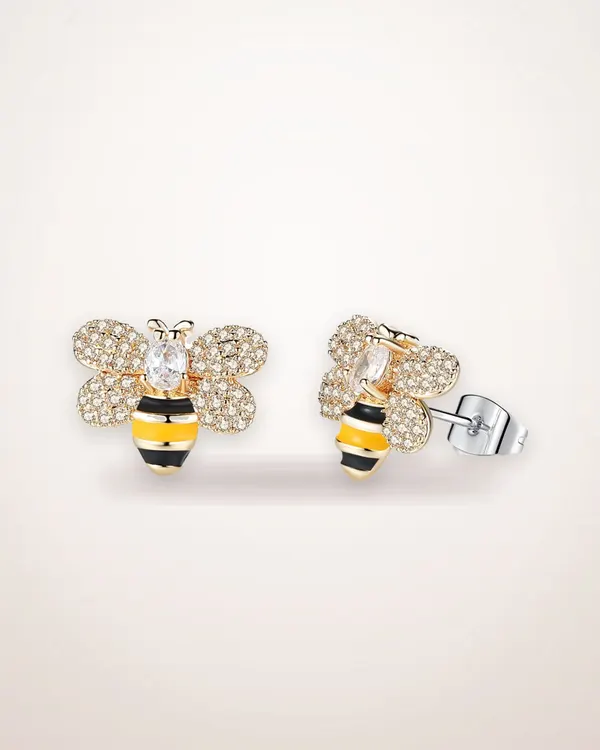
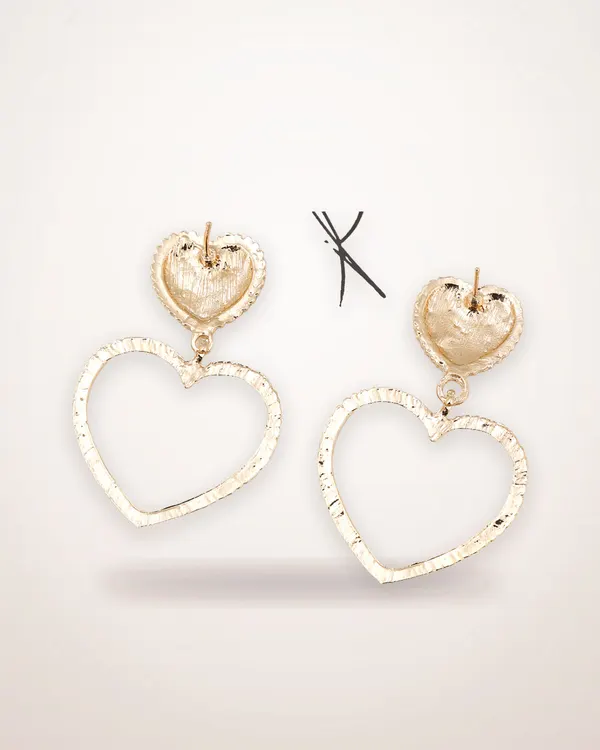
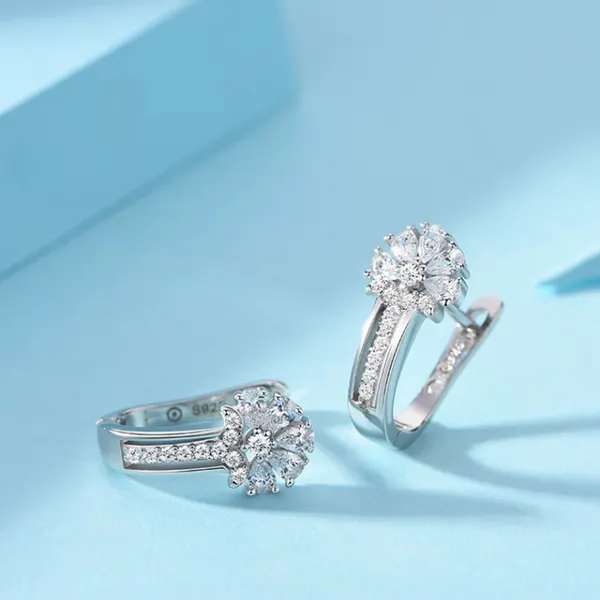
Questions
What should I look for in stud earrings for a first piercing?
Look for a small face, a post that sits close to the lobe and a weight you can wear comfortably through the day. The product notes here describe several pairs as suited to a first, second or third piercing. A single pearl or a 6 mm stud is an easy place to start.
Can I wear stud earrings in a second or third piercing?
Yes, if the stud is small enough to sit neatly beside the piercings you already wear. A slightly forward placement can create a layered look, and a delicate letter or pearl stud leaves room for a fine hoop behind it. Check the face size and weight before you commit to a pair for a busy ear.
How do I choose between silver, gold-tone and rose gold-tone studs?
Start with the metal colour you wear most often, then decide whether you want the stud to blend with your other jewellery or stand slightly apart. Silver appears in the sterling silver pieces, while gold-tone and rose-toned finishes appear in the pearl, emerald-tone and moissanite designs. A black or white inlay can also change the balance if you prefer a stronger contrast.
How should I clean and store stud earrings?
Wipe them with a soft dry cloth after wear and keep each pair in its own small compartment or pouch. Store silver away from damp and keep pearls and shell inlay away from liquid cleaners and harder jewellery. Check the backs before you put them away so the pair stays together.
More jewellery & watches buying guides
This guide is written with the help of AI from the details on our own product pages and checked automatically before it is published. Product facts come only from those pages. All buying guides · Gift guides · Beauty Journal