


Boots for winter
A practical guide to choosing winter boots from our collection, with advice on fit, styling and care.
At a glance
- Prices today
- $15.99 to $95.99
- Colours
- black, brown, red, white, blue, grey, beige, khaki, green, pink, yellow, coffee
- Materials
- rubber, wool, leather, denim, suede, cotton, knit, lace, synthetic, faux fur
- Finishes
- matte
- Details
- lined, zip, lace-up, non-slip, waterproof, slip-on, adjustable
Shop boots for winter
How to choose boots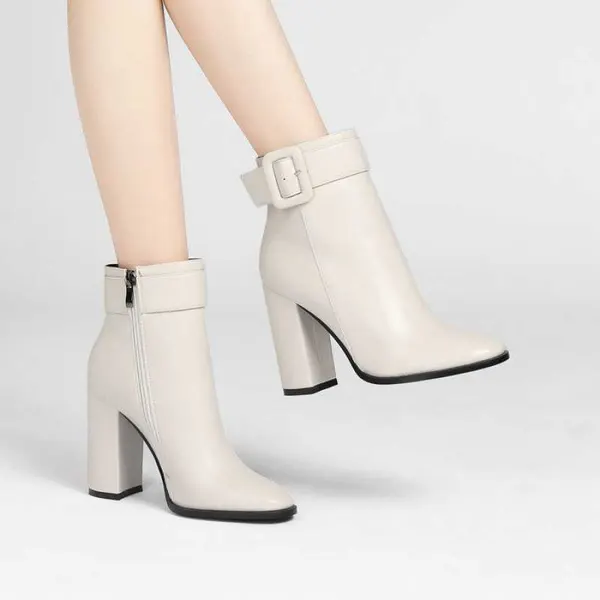

What makes boots right for winter
Winter boots need to do two jobs: keep you steady on cold, wet pavements and keep your feet warm without making you feel like you're wearing bricks. The pieces in our collection are built around those needs, with features like non-slip rubber soles, lined shafts and waterproof finishes where noted.
Look for a sole that grips. Rubber soles appear across our boots, and they handle wet leaves and slick paving better than smooth leather. A low, thick heel is more stable than a slim one, and a round or pointed toe gives you room to move without pinching.
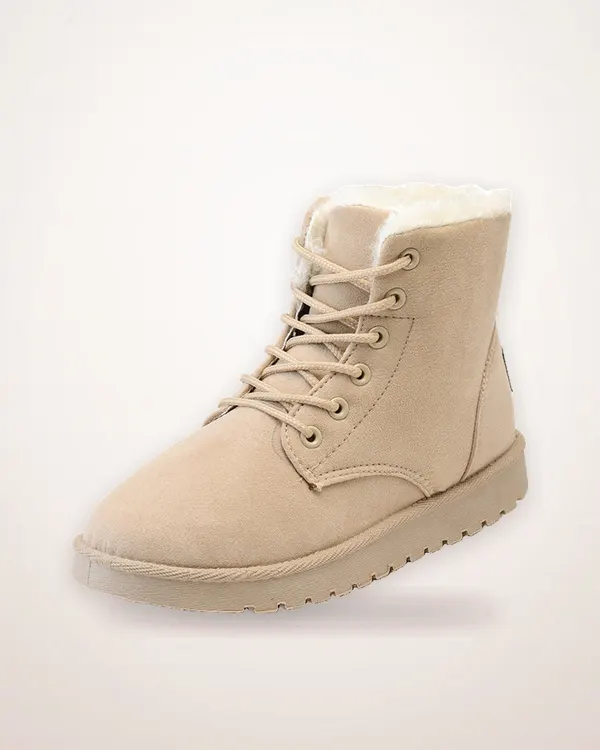
Warmth comes from the lining. Cotton and cloth linings feel soft against the ankle, while faux fur and plush linings add insulation for the coldest mornings. If you plan to wear thick socks, size up so your toes aren't pressed.
The finish matters too. Suede and suede-look uppers have a matte surface that hides scuffs and looks smart with winter fabrics. Leather-look finishes wipe clean easily. Neither is automatically waterproof unless the product page says so, so check before you commit to a long walk in the rain.
How to choose
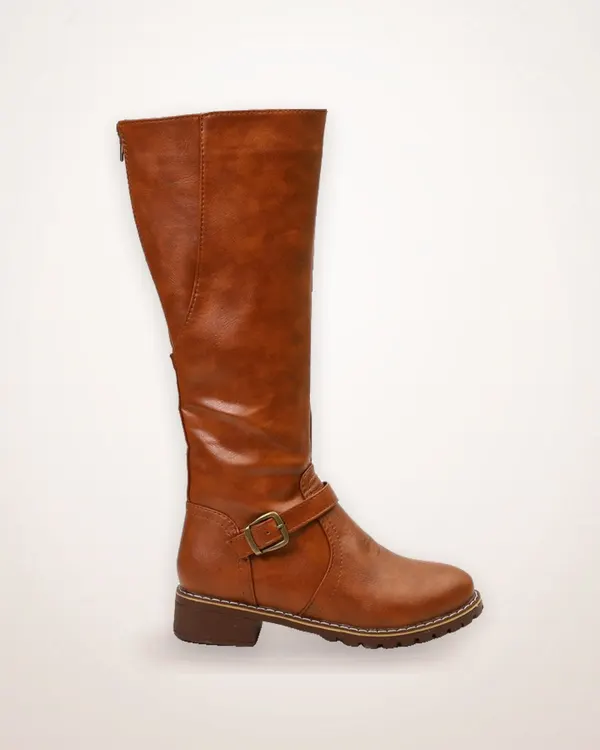
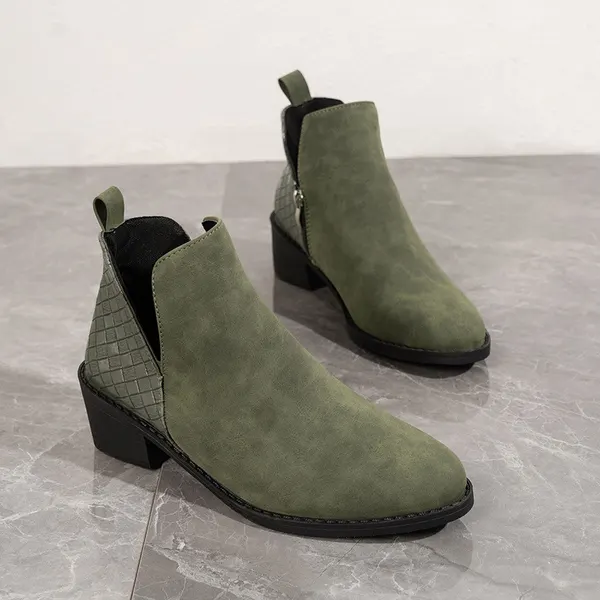
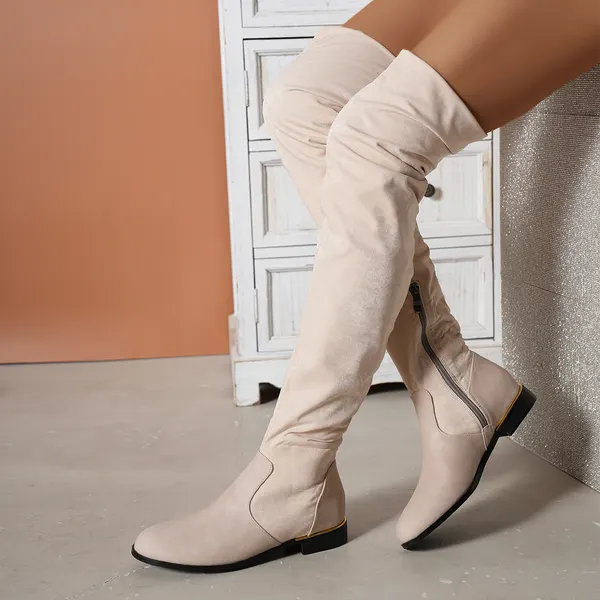
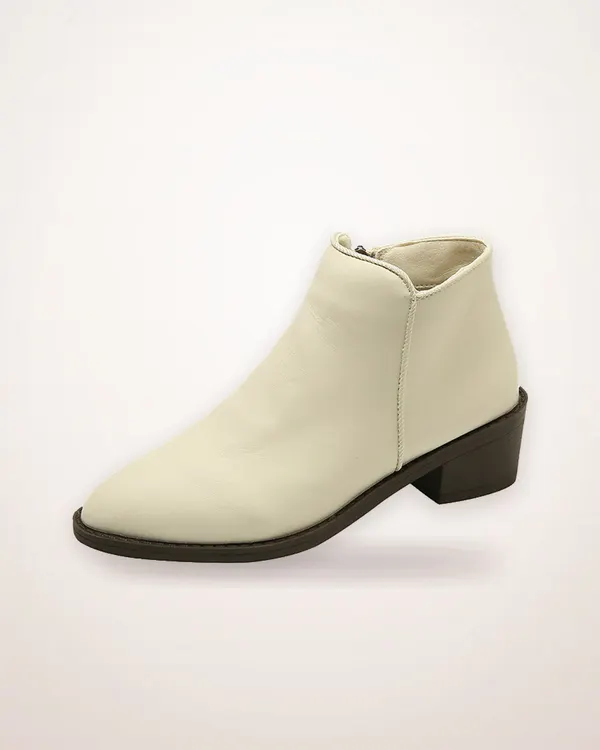
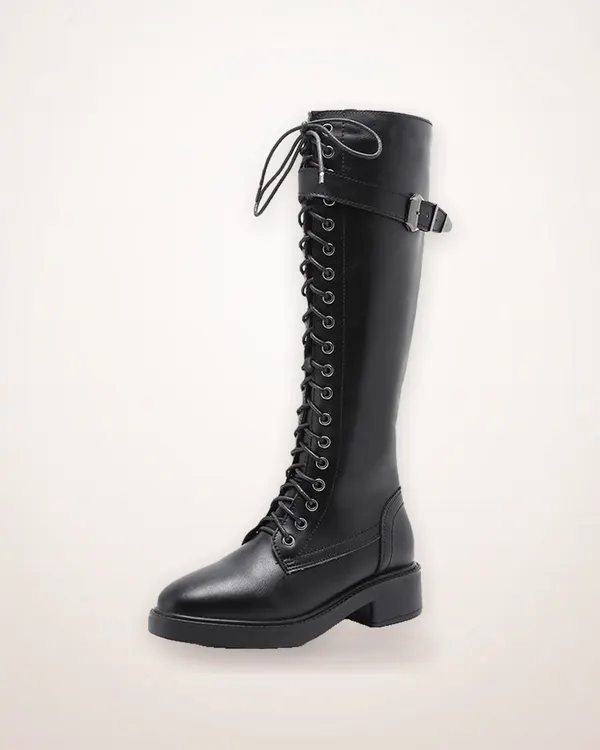
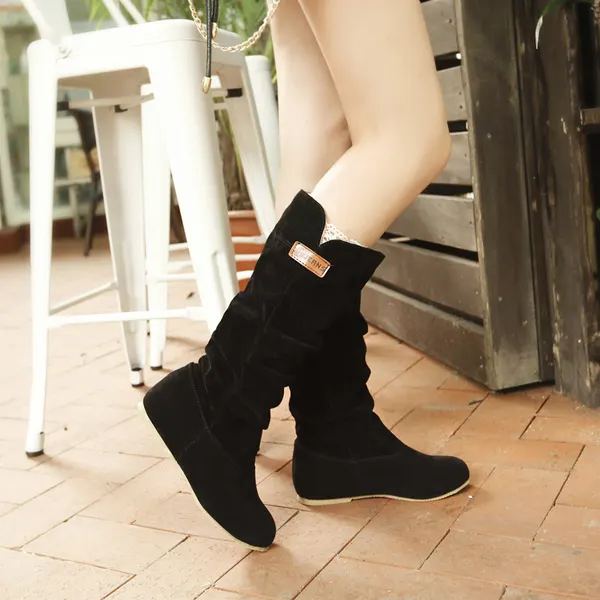
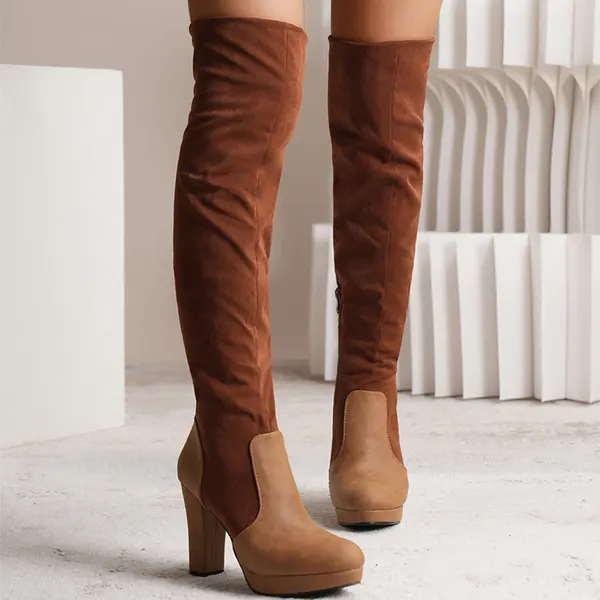
Start with the height you'll actually wear. Ankle boots are the easiest to style and the lightest to walk in. Mid-calf boots give more coverage and look polished with skirts and dresses. Knee-high and over-the-knee styles add warmth and a long line, but they need a shaft that fits your leg comfortably.
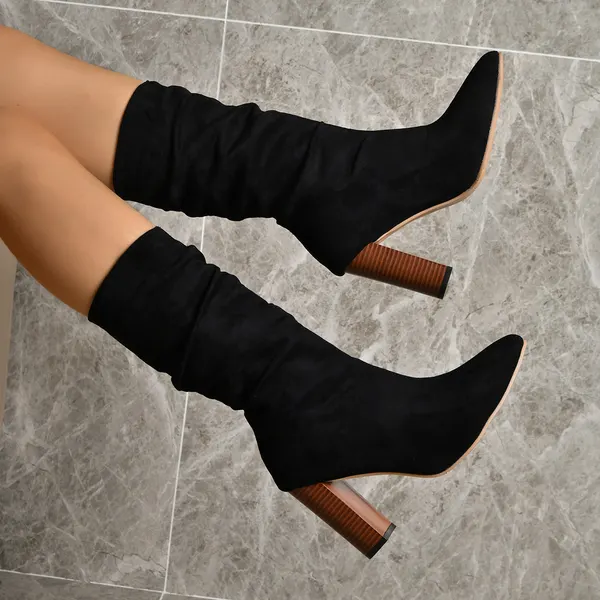
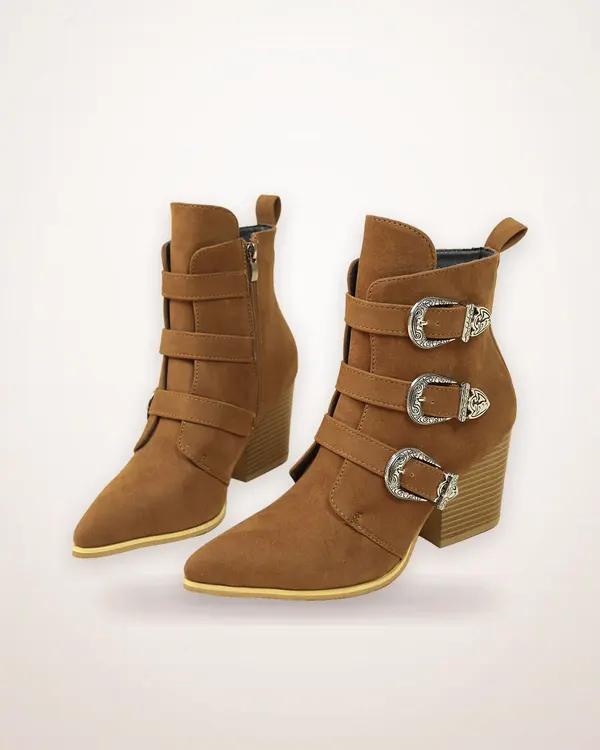
Next, think about the heel. A thick low heel (1-3cm) keeps you close to the ground and is kind to your feet on long days. A mid-heel (3-5cm) adds a little lift without wobble. Block heels of 6-8cm make a statement but still feel stable. If you're between sizes, go up rather than down, especially if you want to wear thick socks.
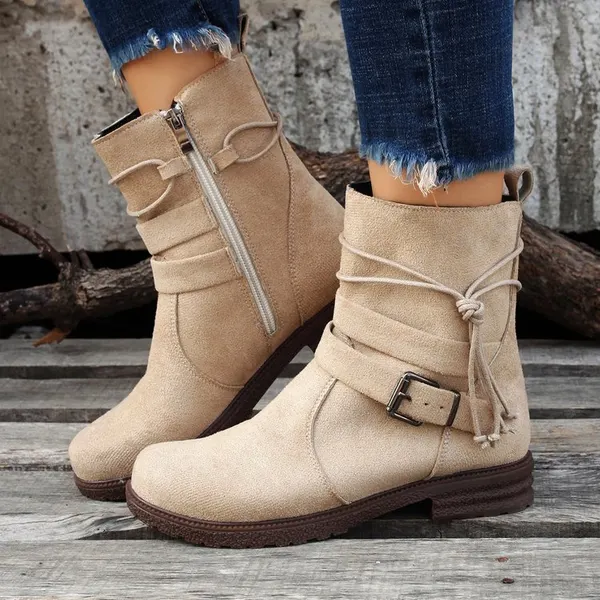
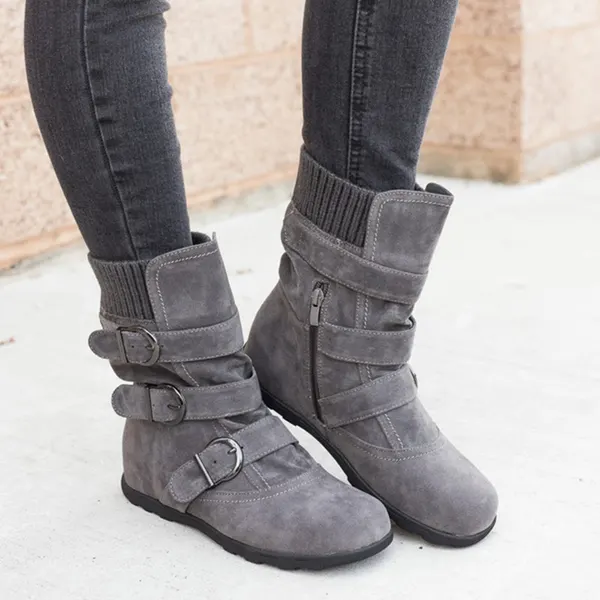
Check the fastening. Side zips make tall boots quick to put on, while lace-ups let you adjust the fit across the foot. Slip-on styles are convenient but may not hug a narrow ankle. A buckle can fine-tune the fit at the ankle.
Finally, match the toe shape to your wardrobe. Pointed toes look sharp with tailored trousers and midi skirts. Round toes feel softer and more casual. Neither is better, but one will suit the clothes you reach for most.
How to wear them
Ankle boots work with almost everything. Wear them with straight-leg jeans, a midi skirt and tights, or a knit dress. A pointed toe elongates the leg, while a round toe keeps things relaxed. If you're wearing a bulky jumper, balance it with a slimmer boot.
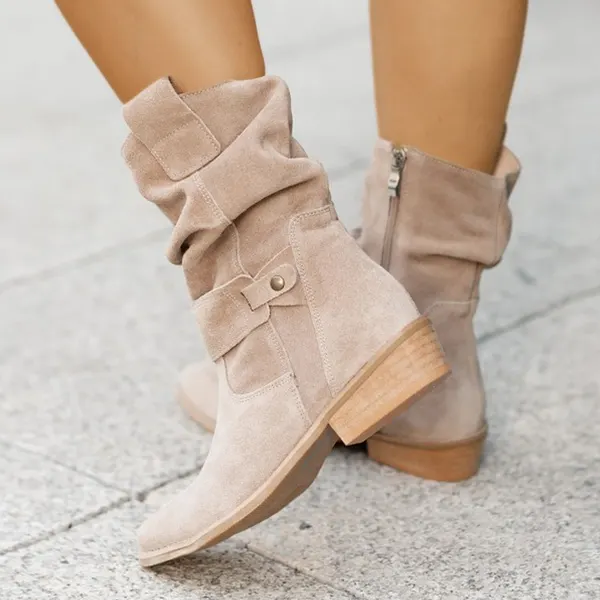
Mid-calf boots look best with hemlines that stop above or below the shaft. Try them with a midi skirt that falls just below the knee, or tuck slim trousers into the shaft. Avoid a hem that cuts right across the top of the boot, which can look chopped.
Knee-high and over-the-knee boots are natural partners for short skirts and dresses with opaque tights, or worn over skinny jeans. Keep the rest of the outfit simple so the boot line does the talking. A long coat that ends above the knee works well with a tall boot.
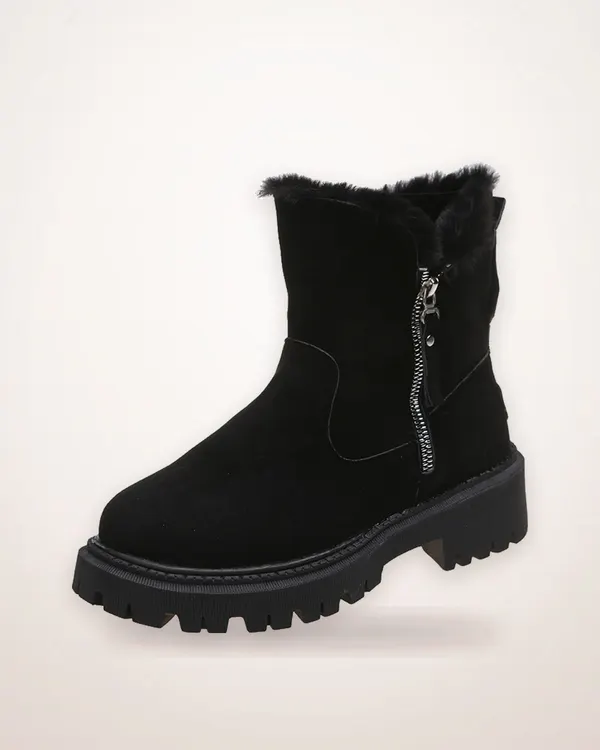
For cold, wet days, snow boots with plush lining are the practical choice. Wear them with jeans or leggings and a warm coat. They're not meant for the office, but they'll get you there comfortably.
Care and storage
Suede and suede-look boots need a little attention. Brush off dirt when dry with a soft brush, and use a protector spray before the first wear. If they get wet, let them dry naturally away from direct heat. Leather-look finishes can be wiped with a damp cloth and a little mild soap.
Store boots upright with boot trees or rolled newspaper inside to hold the shape. Keep them in a cool, dry place, away from radiators. For tall boots, hang them by the top or use a boot rack so the shaft doesn't crease.
Check the soles regularly. If the tread looks worn, a cobbler can replace it. Keep zips running smoothly with a little wax or graphite pencil along the teeth. Laces should be replaced at the first sign of fraying.
Before you put winter boots away, clean them thoroughly and let them dry completely. A breathable cotton bag keeps dust off without trapping moisture.
Standout pieces
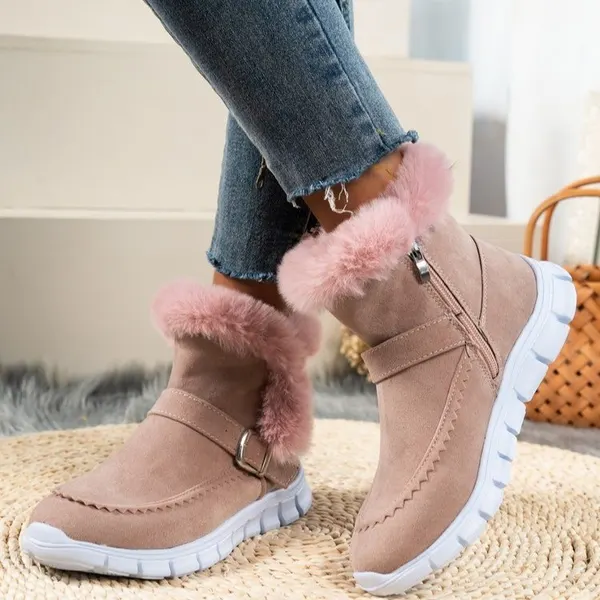
- Faux Suede Plush Lined Snow Boots: The deep folded cuff of plush and faux fur insole make these the warmest choice for cold mornings.
- Suede Pointed-Toe Block Heel Mid-Calf Boots: A 6-8cm block heel and cotton lining give height and warmth without sacrificing steadiness.
- Mid-Calf Boots with Thick Heel: Smooth leather-look finish and a thick heel bring polish to working days and evenings out.
- Flat Knee-High Boots with Plush Lining: Choose the faux plush interior for extra warmth, with a low 4cm heel that keeps you grounded.
- Buckle Suede-Look Ankle Snow Boots: A side buckle sets the fit and the faux fur lining wraps the ankle in softness.
More boots for winter
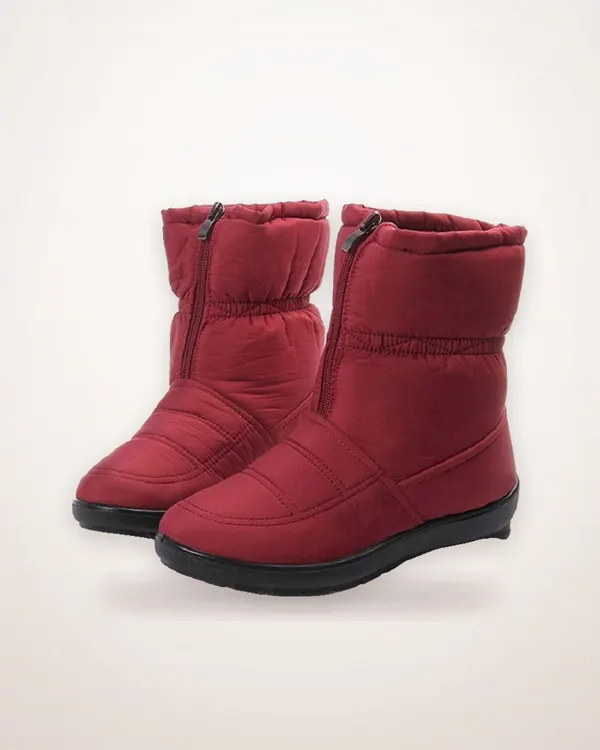
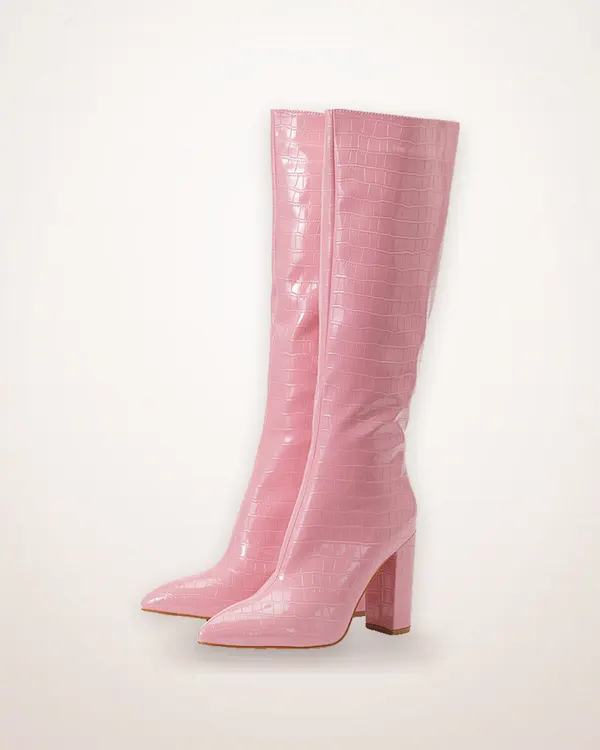
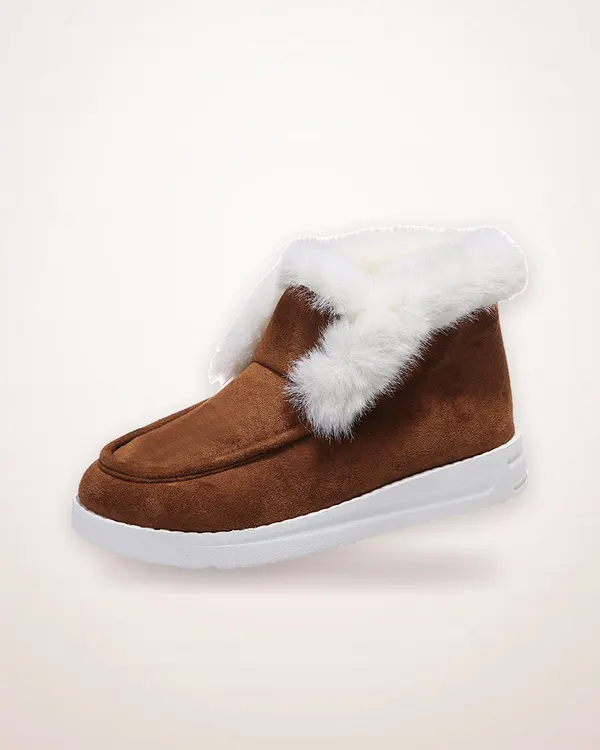
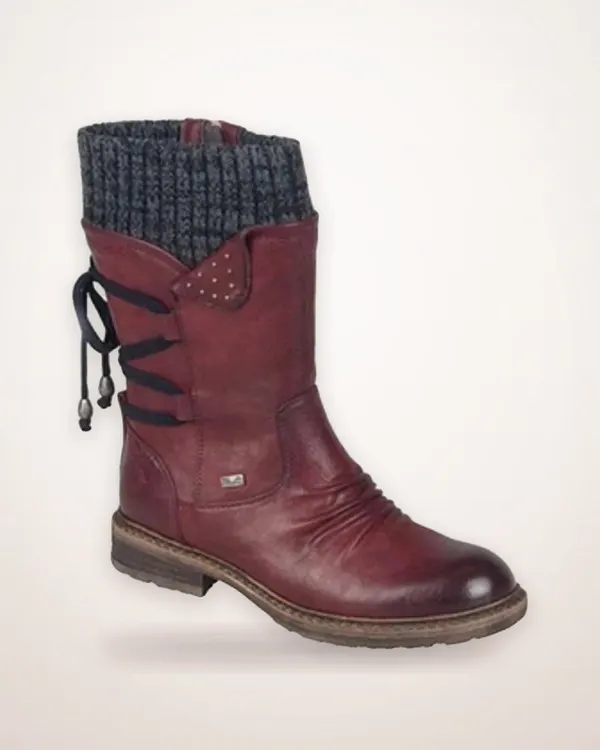
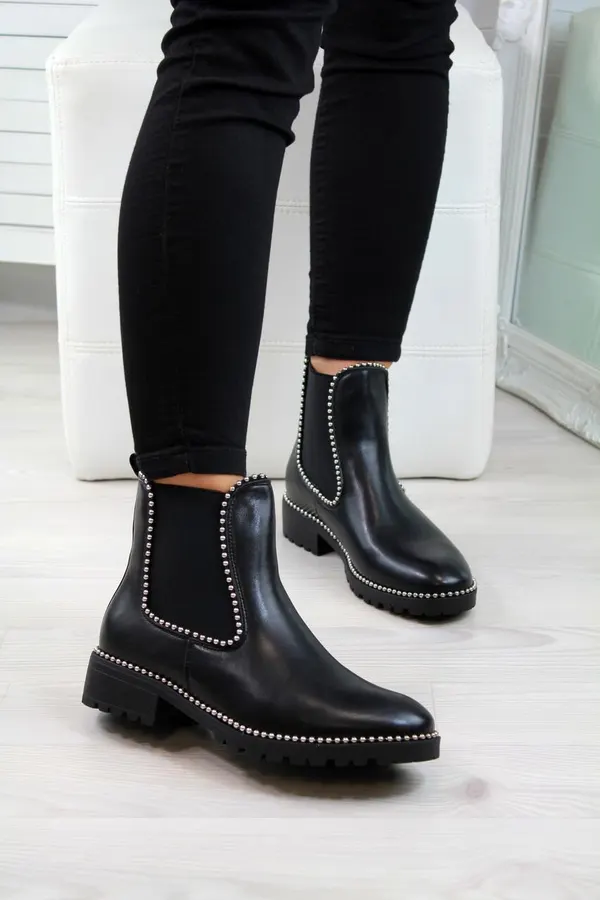
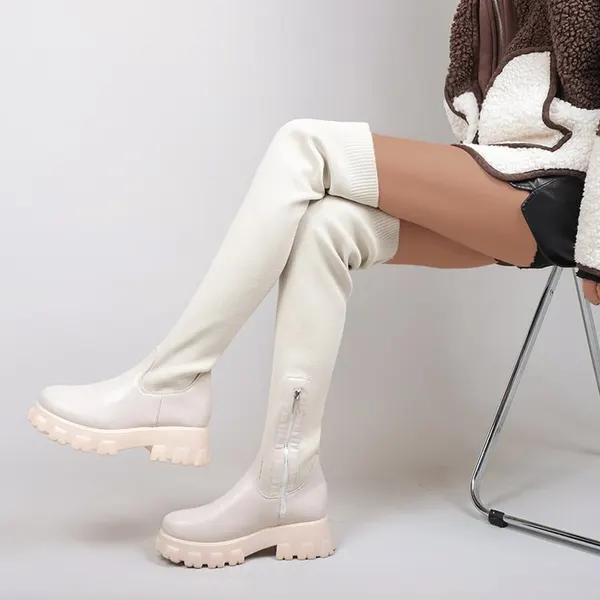
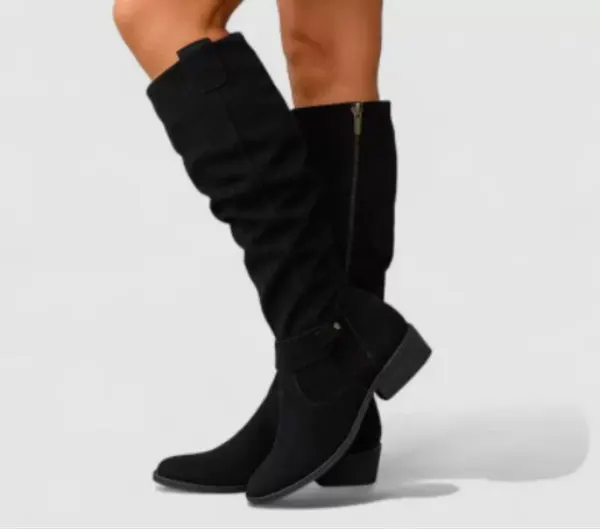
Questions
How do I know if winter boots will fit over thick socks?
If you plan to wear bulky socks, take the next size up from your usual. Most of our boots run true to size, but the extra room helps. Check the product page for specific sizing advice.
Can I wear suede boots in the rain?
Suede and suede-look finishes are not naturally waterproof unless stated. A protector spray helps, but for wet days a boot with a waterproof finish or a rubber sole is a safer choice.
What's the best heel height for walking in winter?
A low, thick heel of 1-5cm is the most stable on slippery pavements. Block heels of 6-8cm are still steady but need a little more care. Choose based on how far you'll walk and how much time you'll spend on your feet.