


How to care for boots
A practical guide to keeping your boots clean, dry and shapely, with care that suits leather, suede and suede-look finishes.
At a glance
- Prices today
- $15.99 to $103.99
- Colours
- black, brown, red, white, beige, blue, green, khaki, grey, pink, yellow, wine
- Materials
- rubber, denim, leather, wool, suede, knit, cotton, lace, synthetic, pu leather
- Finishes
- matte
- Details
- lined, zip, lace-up, non-slip, waterproof, slip-on
Shop boots
How to choose boots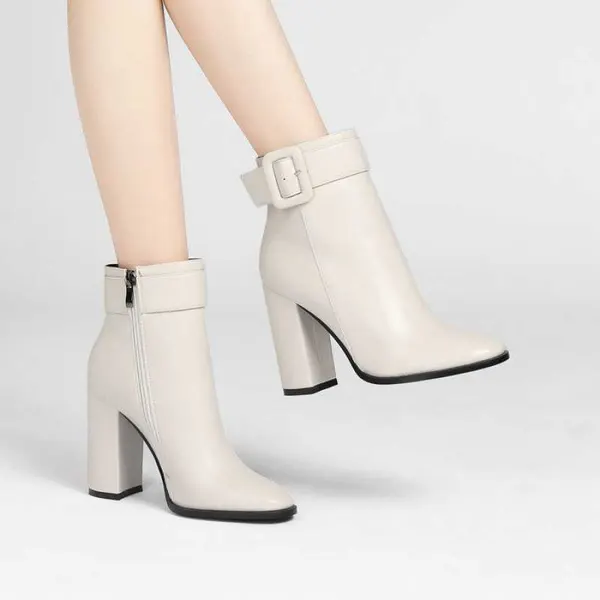
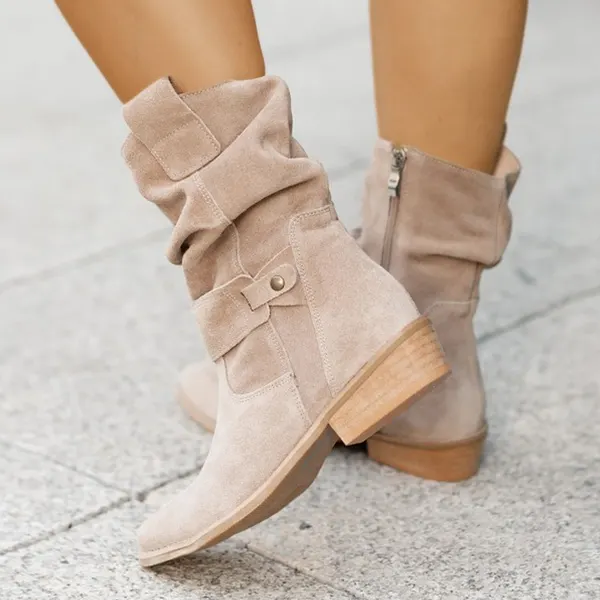
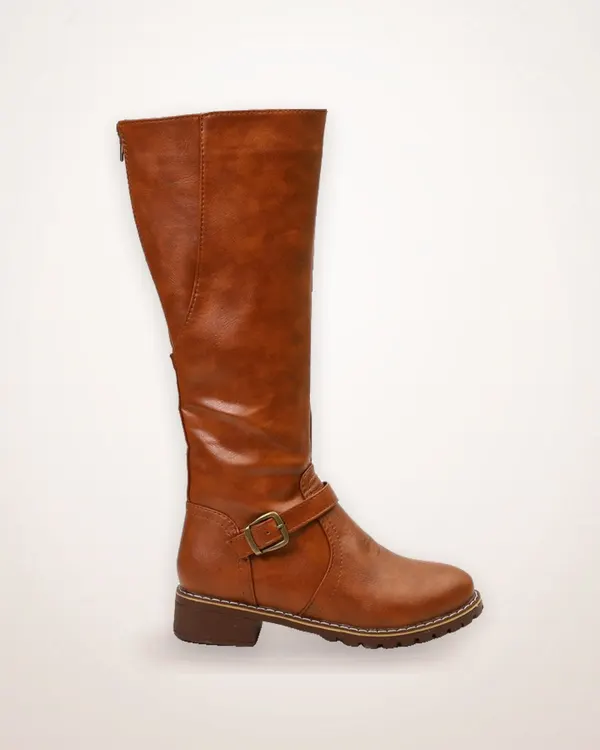
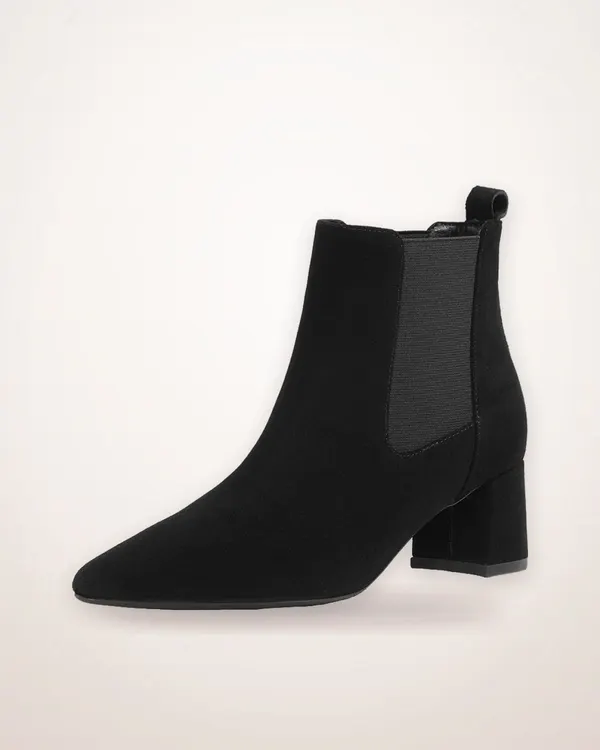
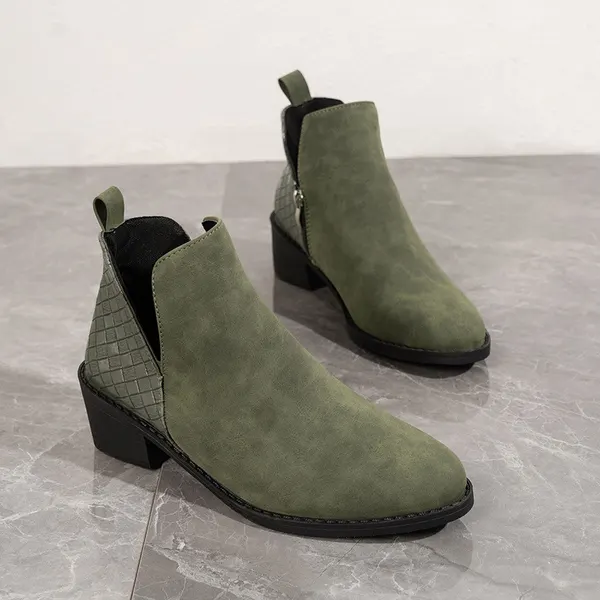
Everyday care for boots
Start with a quick brush after every wear. Dust and grit settle into seams and around the sole, and a soft brush removes them before they work into the finish. If the boots have a side zip, close it before you brush so the teeth do not catch the bristles.
Let boots air for an hour or two before they go back in the cupboard. Loosen the laces or open the zip, pull the footbed area open if you can, and give the lining time to dry. A pair worn two days running rarely gets that chance, so alternate with another pair when you can.
Check the heel and sole after a long day. A small stone lodged in the tread can be picked out with a blunt tool, and a worn heel tip is easier to sort before it reaches the heel itself. Wipe rubber soles with a damp cloth and dry them fully before storing.
Cleaning by material
Genuine leather and smooth leather-look finishes need little water. Wipe the surface with a barely damp cloth, then dry it away from radiators and direct sun. A leather conditioner can be used sparingly on genuine leather if it feels dry, but test it on a hidden patch first.
Suede and brushed cow suede call for a dry approach. Let mud dry, then brush it off with a suede brush in one direction, and use a suede eraser on marks. For suede-look finishes, follow the same dry brushing and avoid soaking the surface.
Wipe synthetic and PU uppers with a damp cloth and a little mild soap, then dry them fully. If the boot has a cotton lining or knit panel, let it air inside out. Never put any boot in a tumble dryer or on a hot radiator.
Storing them well
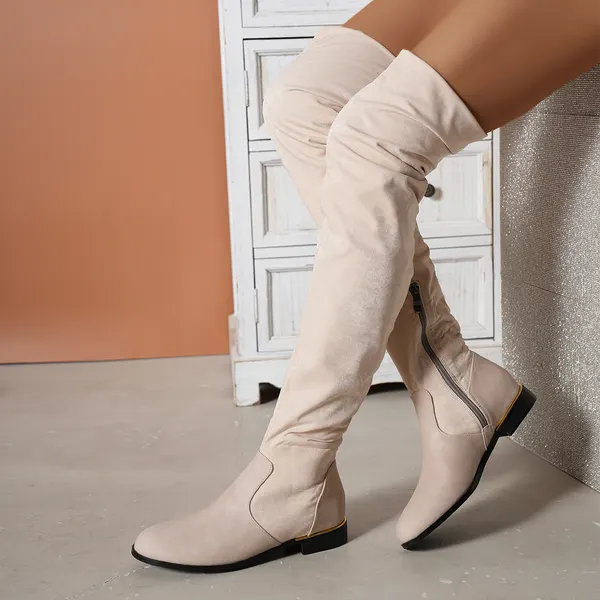
Give boots support from the inside. Rolled paper or a boot tree holds the toe and shaft, and tall boots such as over-the-knee styles need a long support down the leg so the suede does not crease. Stuff loosely, not so tightly that the zip pulls.
Store pairs upright and apart, in a breathable cotton bag if you have one. Keep them away from direct sunlight and radiators, which dry out leather and fade colour. A shoe rack that lets air move around the pair is better than a sealed box.
If you are packing boots away for the season, clean and dry them first. Close zips, tuck laces inside, and add a sachet of cedar or lavender if you like. Check them once in a while for damp or dust.
Small repairs and touch-ups
Deal with scuffs early. A suede eraser or a soft brush lifts light marks on suede, and a damp cloth handles most marks on leather-look finishes. For colour loss on leather, a matching cream polish applied thinly is better than a heavy layer.
Watch the heel tips and sole edges. A cobbler can replace a worn tip before the heel block wears unevenly, and a loose sole edge is easier to glue when it is small. If a stitch comes loose, stop wearing the boot and have it repaired.
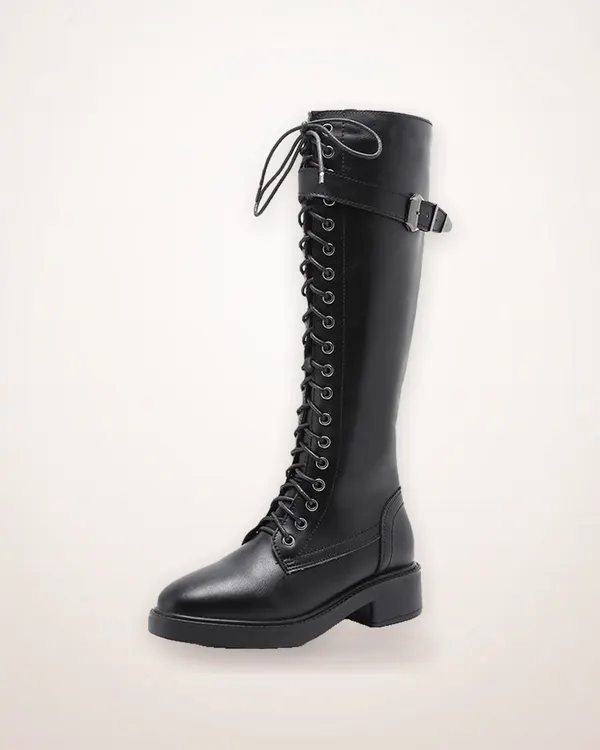
Keep zips working with a soft brush along the teeth and a little pencil lead if they stiffen. Do not force a zip over a thick sock or a bunched lining. A lace-up boot can be re-laced easily, and a stretched lace should be replaced before it snaps.
Standout pieces
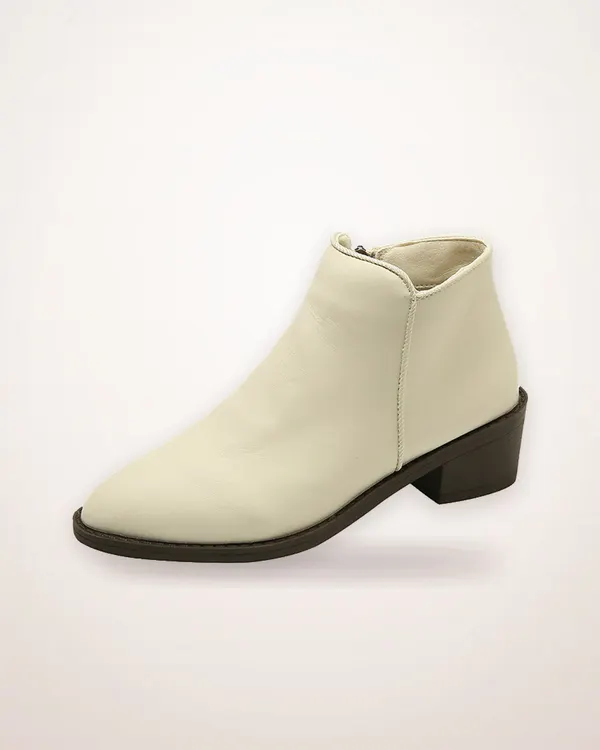
- Pointed-Toe Genuine Leather Ankle Boots: The upper is genuine leather with fine sewing-thread detail along the seams, and the pointed toe sits on a thick 3-5 cm heel.
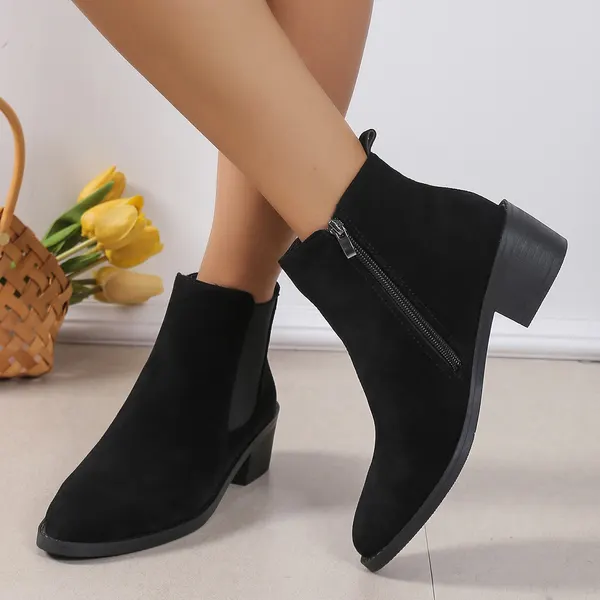
- Suede Pointed-Toe Ankle Boots with Side Zip: Brushed cow suede gives the upper a soft matte surface, and the side zipper opens wide so the boot goes on in one motion.
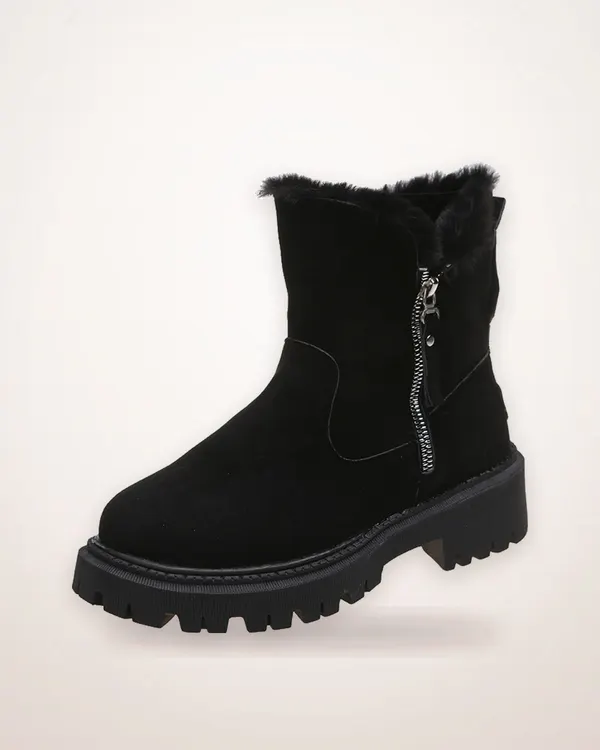
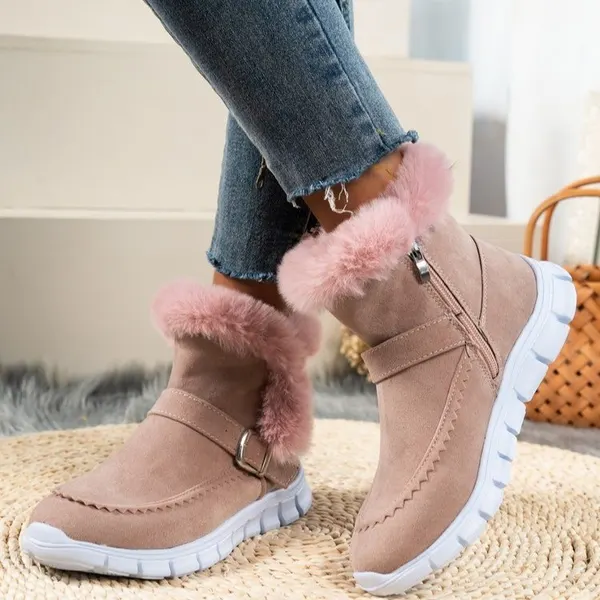
- Faux Suede Plush Lined Snow Boots: A deep folded cuff frames the ankle while the faux fur insole and cotton lining warm the inside on cold mornings.
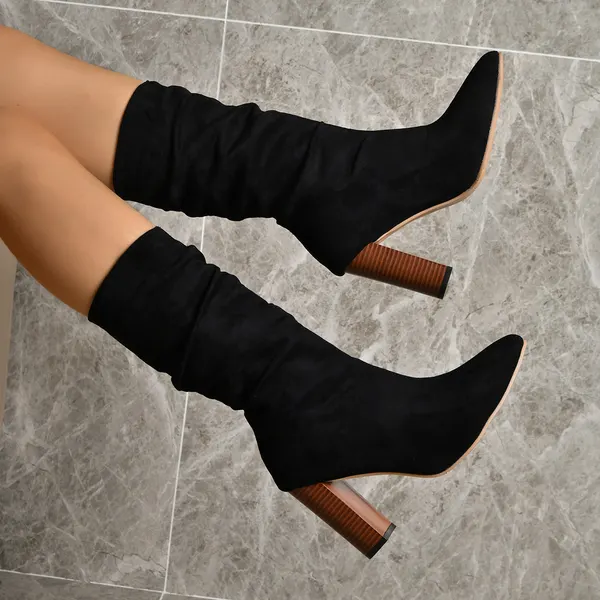
- Suede Over-the-Knee Low-Heel Boots: The suede upper runs above the knee to a low thick heel, with a side zip, natural leather insole and leather lining.
Questions
How often should I clean my boots?
Brush them after each wear and give leather or suede a deeper clean every few weeks, or sooner if they look dull or marked. Little and often is kinder than a long soak.
Can I wear suede boots in wet weather?
Suede and suede-look finishes are best kept out of heavy rain. If they get damp, let them dry away from direct heat and brush the nap once dry.
How do I keep ankle boots in shape?
Stuff the toe and shaft with rolled paper or use a boot tree, and store the pair upright. Tall suede boots need support down the leg to stop creases setting in.
What should I do if a heel tip wears down?
Have the tip replaced before it wears into the heel block. A cobbler can match the shape and keep the boot level.