


Blouses and shirts: how to choose
A practical guide to choosing blouses and shirts for work, weekends and evenings, with notes on fabric, fit, styling and care.
At a glance
- Prices today
- $8.99 to $44.99
- Colours
- black, blue, white, red, green, pink, yellow, purple, grey, navy, brown, rose
- Materials
- denim, polyester, knit, cotton, chiffon, linen, lace, satin
- Finishes
- sheer
- Details
- button, lightweight
From the product pages of the pieces in stock now. Prices update with stock and are shown in your currency.
Shop blouses and shirts
All Tops & Shirts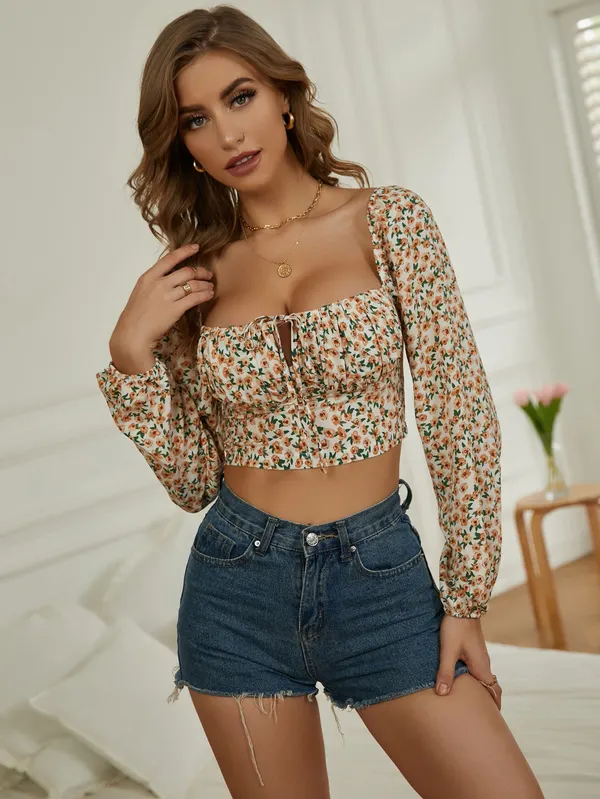
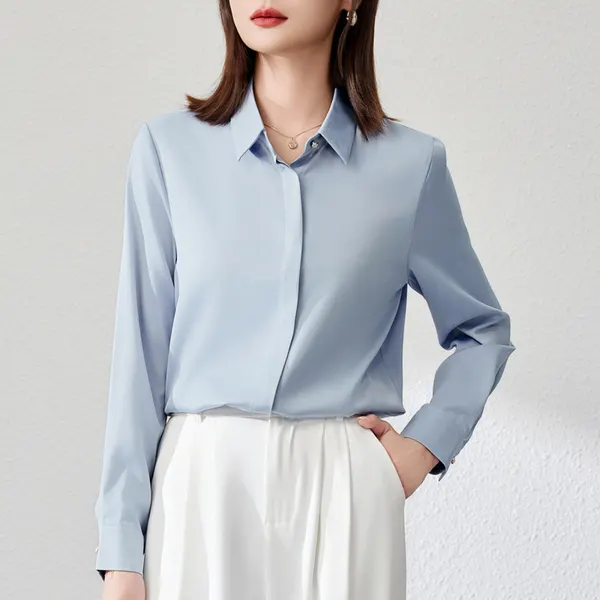
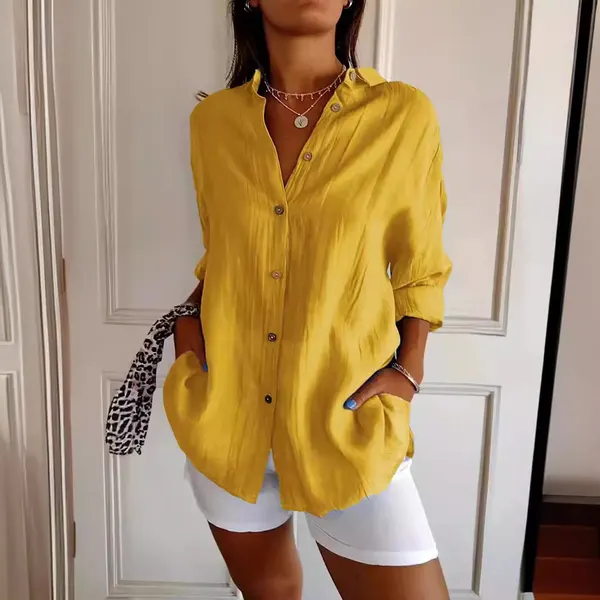
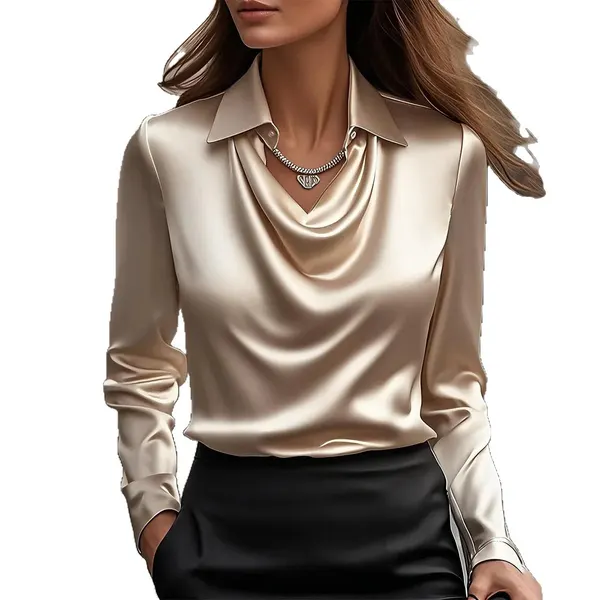
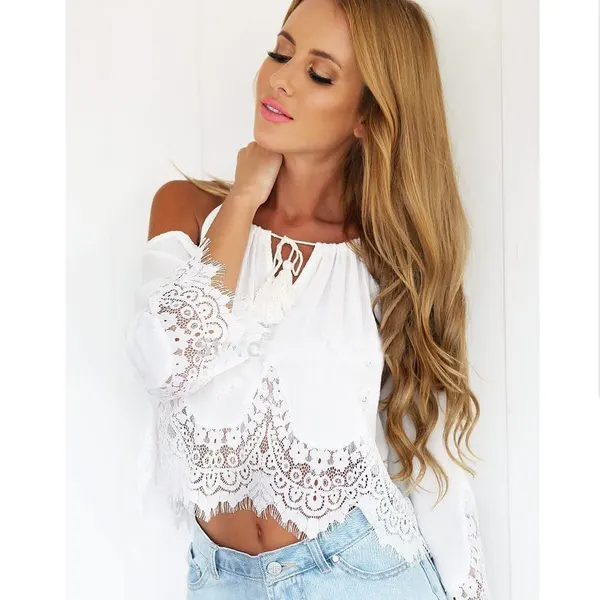
How to choose blouses and shirts
A blouse or shirt earns its place by working across more than one part of your week. Start with the days you actually have: a desk, a school run, a dinner that begins straight after work, a weekend of errands. A collared button-front shirt handles the formal end, while a blouse with a softer neckline moves more easily into the evening. If you are building from scratch, one collared shirt and one fluid blouse will cover most of what you need.
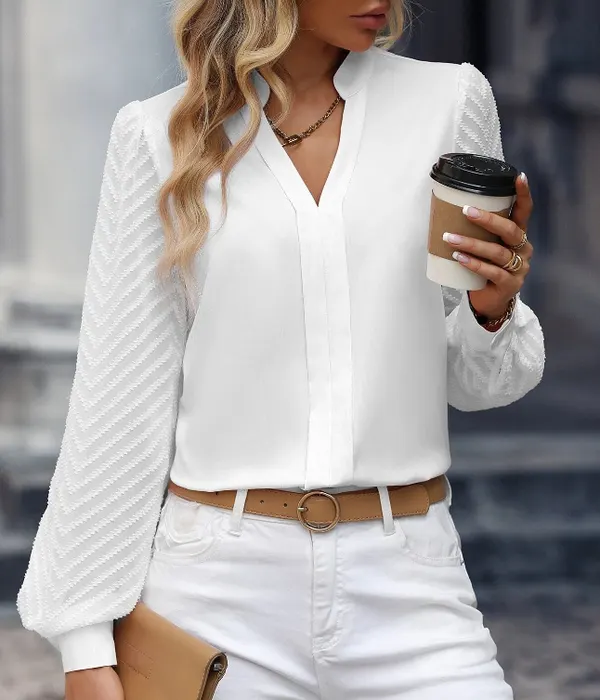
Look at the neckline next, because it frames your face and sets the register of the piece. A turn-down or lapel collar reads tailored and sits well under a blazer. A V-neck lengthens the line and leaves room for a fine necklace; a square neck is more decorative, and a round neck is quiet and easy. If you dislike anything close at the throat, an open collar or a V will be worn far more often than a high buttoned style. Sleeves decide the rest: long sleeves that finish at the wrist can be rolled back, gathered sleeves add softness but take room under a jacket, and a lightweight fabric layers well without bulk.
Colour is the last decision, not the first. Black, navy, white and grey work hardest and mix with everything; a red, green, pink, yellow, purple, blue, brown or rose piece does more when the rest of the outfit stays quiet. If you love a print, hold it beside your face in daylight and check that the colours suit you before anything else.
Materials, details and fit
Fabric tells you how a piece will behave after an hour of wearing. Cotton and linen broadcloth holds a light, dry shape and keeps a check crisp. Polyester gives a smooth, fluid hand that presses neatly. Satin falls in one clean plane with a low gleam, chiffon is airy and moves as you walk, and lace or openwork panels bring texture and a sheer effect that shifts with what you wear beneath. Denim and knit add weight and ease. None of these is better in itself; the question is whether the fabric suits the way you spend your day.
Details do quiet work. A stitched button placket runs flat and keeps the front tidy, a tie front gathers the waist without a belt, and pockets are a small practicality worth noticing. A lined interior helps a satin or textured piece sit smoothly against the skin and layer cleanly under a jacket. Lightweight and sheer fabrics show the line of whatever sits underneath, so plan the camisole or base layer alongside the blouse.
Fit starts at the shoulder, the one measurement that is difficult to alter: a seam should sit at the edge of your shoulder unless the piece is deliberately loose. Sizing is not uniform across a collection. Some of our blouses run one to two sizes smaller than European and American charts, so take the larger size if you fall between two; others are cut generously and ask for your usual size, or a size down for a closer line. Read the note on the individual page, and allow for small differences in measurement. A cropped hem settles at the natural waist, while a medium length of roughly 65cm to 80cm reaches the top of the hip and gives you the option to tuck.
How to style them
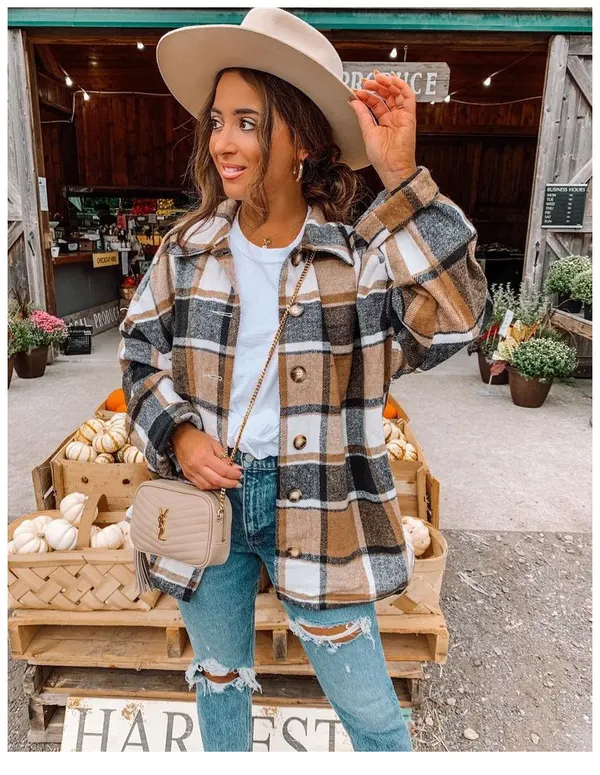
Tucking changes a shirt's character fastest. A full tuck into tailored trousers or a midi skirt gives a clean waist and works under a blazer; a half tuck, front only, keeps the back loose. Worn out over denim it is easier still, and a medium-length shirt works open over a tank as a light layer on a cool morning, knotted at the waist when the afternoon warms.
Balance volume against volume. A generous or oversized shirt sits best with a slimmer bottom half, while a fitted or cropped blouse takes a wider trouser or a full skirt. Fluid satin and chiffon pair naturally with tailoring and with denim, and a textured piece such as jacquard or lace likes a plain partner. Let one element lead and keep the rest quiet.
Necklines guide the jewellery. A V-neck leaves room for a fine chain, a square neck sits well with a shorter pendant or nothing at all, and a collar looks considered with a small hoop and a watch. With a print, choose a metal or a colour already present in the fabric rather than adding a new one. Under a blazer, keep any base layer close to the body so the jacket sits cleanly.
Care and storage
Wash less than you think. A blouse worn over a base layer often needs only airing and a light press. When you do wash, turn the piece inside out, use cool water on a gentle cycle, and keep like fabrics together. Chiffon, lace and satin do best by hand or on the most delicate setting, and a mesh bag protects fine panels and stitched trims.
Skip the tumble dryer for anything with a sheen, a pleat or an openwork panel, since heat dulls satin and can pull lace out of shape. Press on the reverse with a cool iron and a cotton cloth between iron and fabric, and steam chiffon and lace gently or hang them in a warm bathroom. Plaid cotton and linen presses crisp while still slightly damp.
Store blouses on hangers that support the shoulder rather than wire ones that leave points. Satin and chiffon are best on a padded or broad hanger so the fabric does not stretch at the tip, and lace or openwork panels should be folded flat or hung so the pattern carries no weight. Keep hooks, zips and rough trims away from fine fabric and leave a little space between pieces. Blot small marks as they happen, use cool water first, and take anything uncertain to a professional cleaner.
Standout pieces
- Floral Viscose Tie-Front Blouse: A square neck and gathered bishop sleeves give this 100% viscose blouse its soft retro ease, and the tie front gathers the waist into a clean line above a cropped hem.
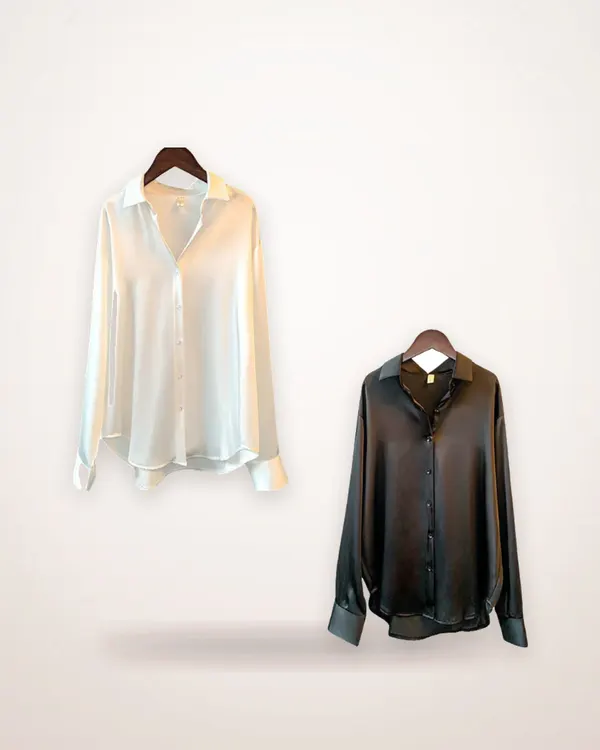
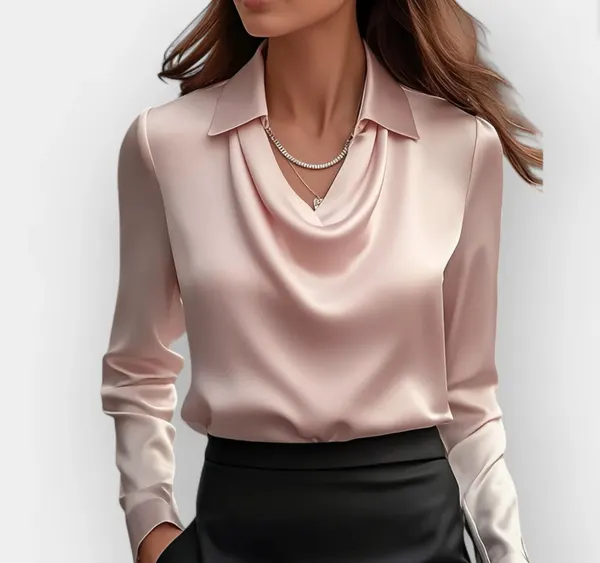
- Long-Sleeve Satin Shirt: Cut for room rather than cling, this satin shirt has a lined interior and long sleeves that reach the wrist, with a sheen that lifts a plain pair of trousers.
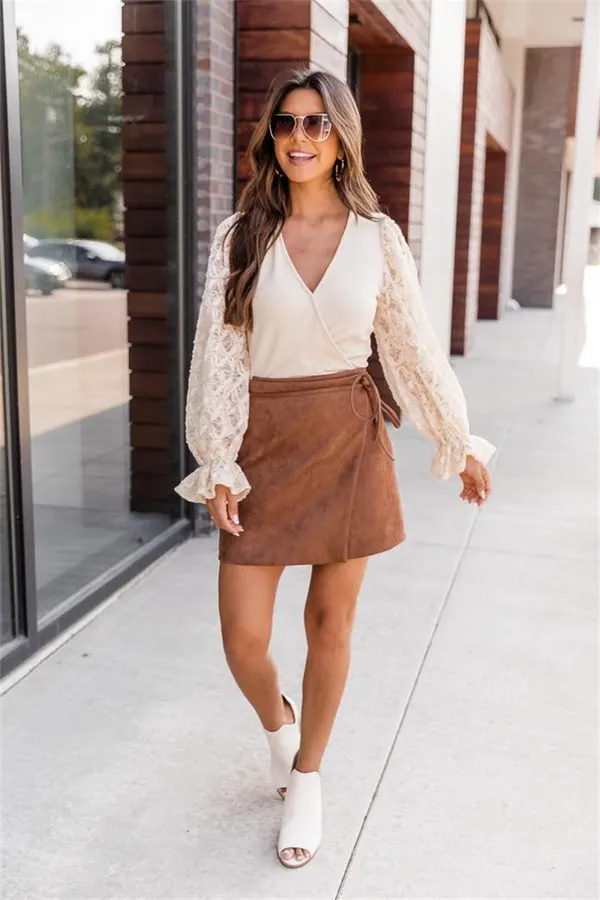
- Jacquard Lace V-Neck Long-Sleeve Blouse: A jacquard weave gives a raised, quietly patterned surface, with lace panels spliced into the design and a knitted elastic lining that sits smoothly against the skin.
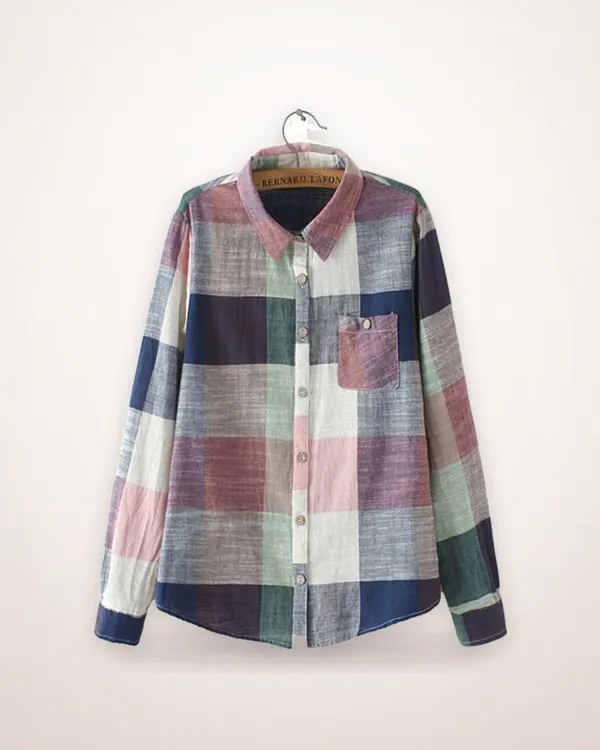
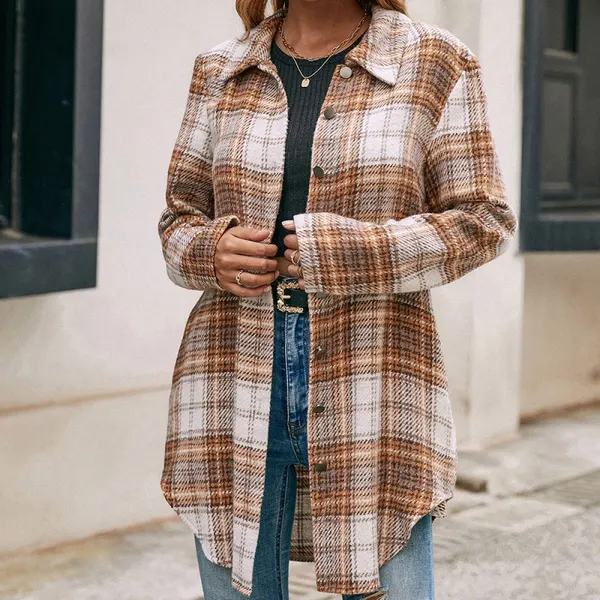
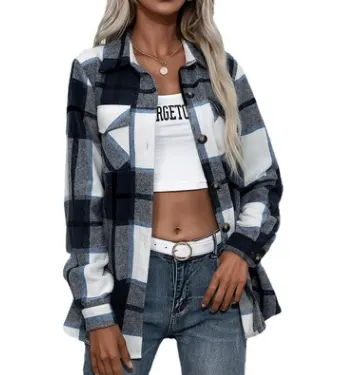
- Plaid Cotton-Linen Blouse: A quiet plaid in cotton and linen broadcloth, finished with a turn-down collar, full sleeves to the wrist and pockets that keep small essentials within reach.
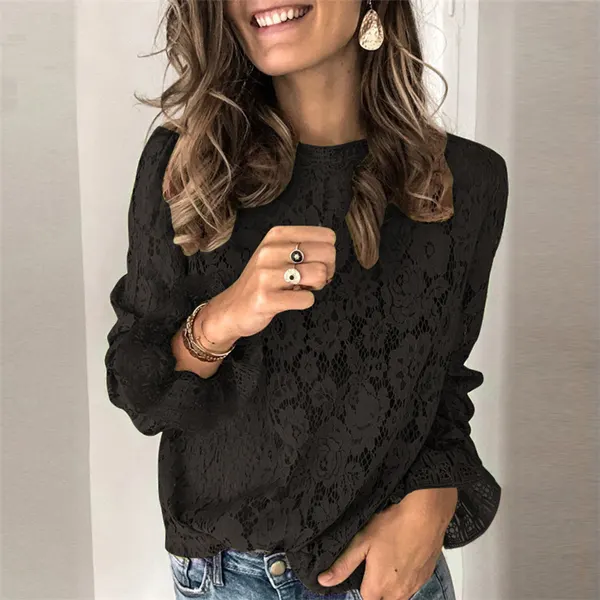
- Hollow Lace Zip Shirt: Openwork panels let light through in fine, shadowy patterns for a sheer effect, in a deliberately loose cut with a round neck, long sleeves and zip detailing.
More blouses and shirts
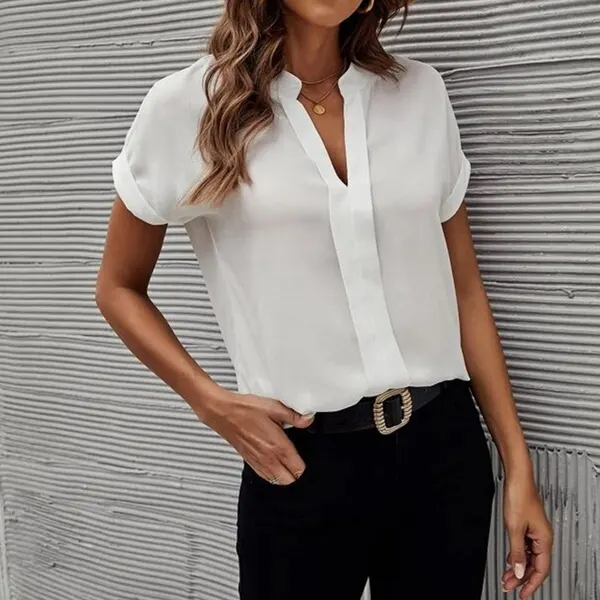
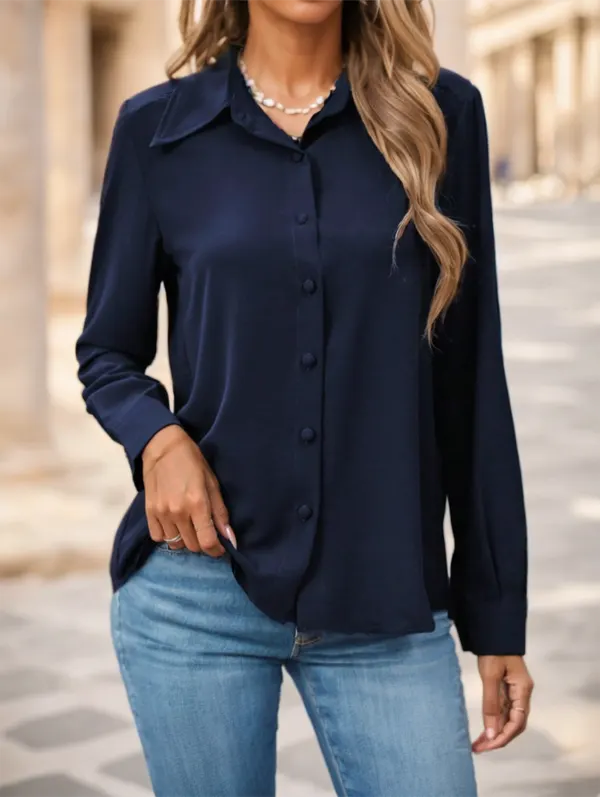
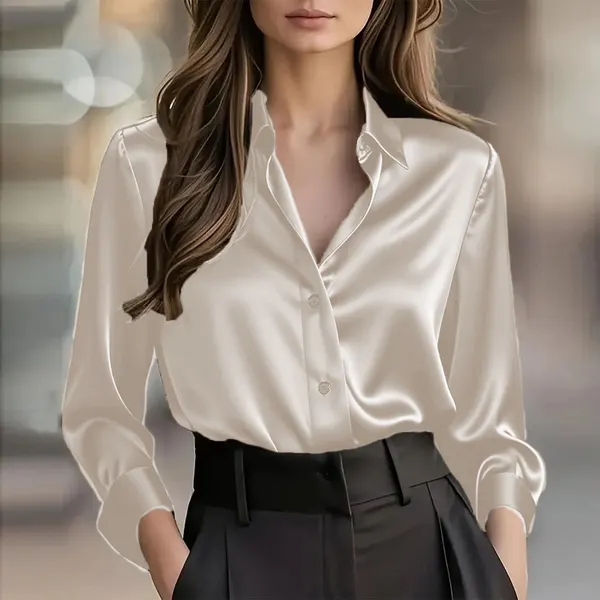
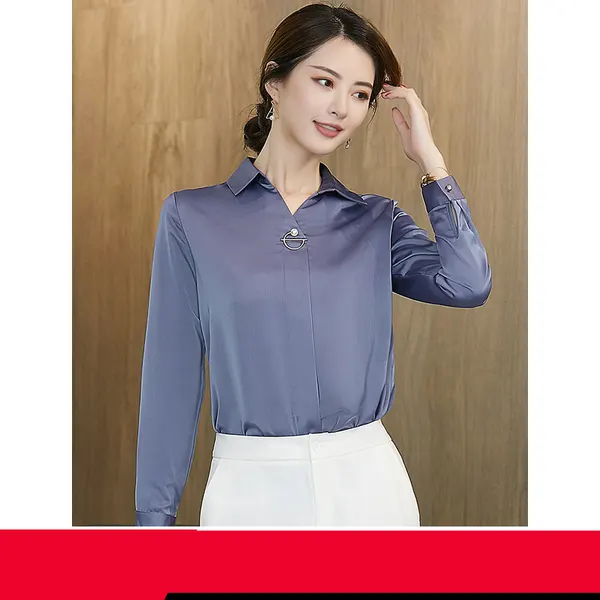
Questions
Should I size up in your blouses and shirts?
It depends on the piece, because sizing varies across the collection. Some styles run one to two sizes smaller than European and American charts, so take the larger size if you fall between two, while others are cut generously and ask for your usual size, or a size down for a closer line. Read the note on the individual product page before deciding.
What is the difference between a blouse and a shirt?
A shirt usually has a collar, a full button placket and a straighter cut, while a blouse tends to have a softer neckline and a more fluid drape. In practice the two overlap, so the useful question is which details you will wear: a collar if you like tailoring, a V-neck or square neck if you prefer something softer at the throat.
How do I wear a sheer or openwork blouse during the day?
Layer a camisole or a fine knit underneath in a tone close to the blouse, so the texture reads as pattern rather than exposure. Keep the rest of the outfit simple, such as tailored trousers or straight denim, and let the lace or mesh be the point of interest.
How should I care for satin and chiffon?
Wash both inside out in cool water on a delicate cycle or by hand, and skip the tumble dryer. Press on the reverse with a cool iron and a cloth between iron and fabric, or steam gently, and store on a padded hanger so the drape is not stretched.
More clothing buying guides
This guide is written with the help of AI from the details on our own product pages and checked automatically before it is published. Product facts come only from those pages. All buying guides · Gift guides · Beauty Journal