


Blazers: how to choose
A practical guide to choosing a blazer by fit, fabric and finish, with styling ideas and care notes for the pieces in our collection.
At a glance
- Prices today
- $15.99 to $184.99
- Colours
- black, blue, red, white, khaki, green, pink, yellow, purple, grey, wine, brown
- Materials
- polyester, knit, denim, silk, leather, cotton, faux leather
- Finishes
- matte
- Details
- button, double-breasted, lightweight, pockets
From the product pages of the pieces in stock now. Prices update with stock and are shown in your currency.
Shop blazers
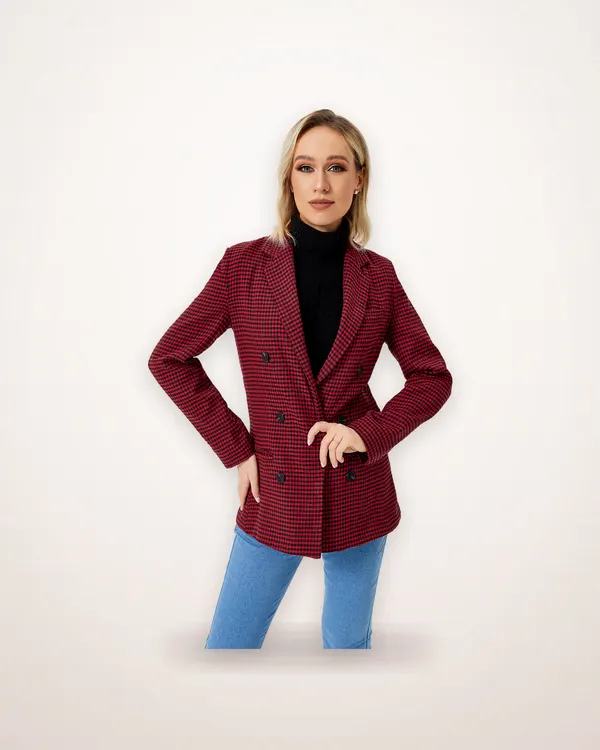
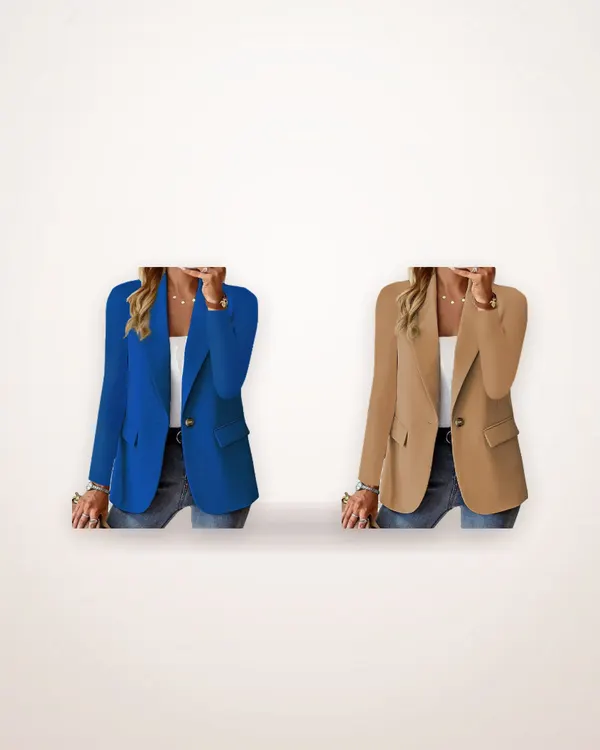


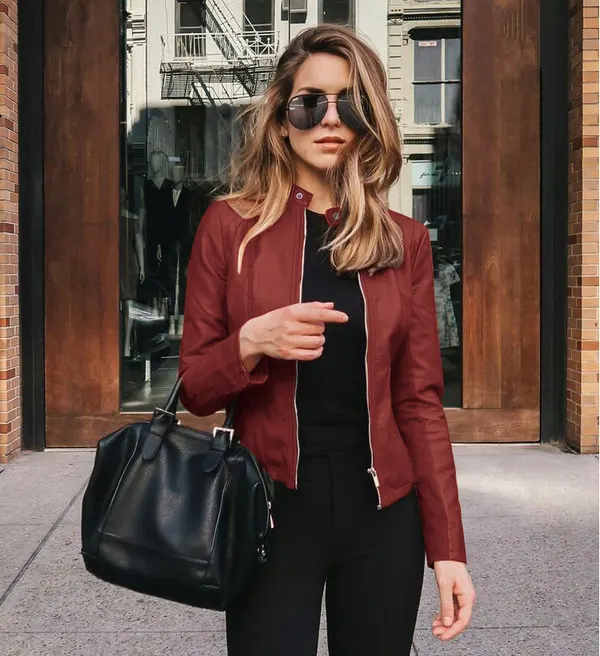
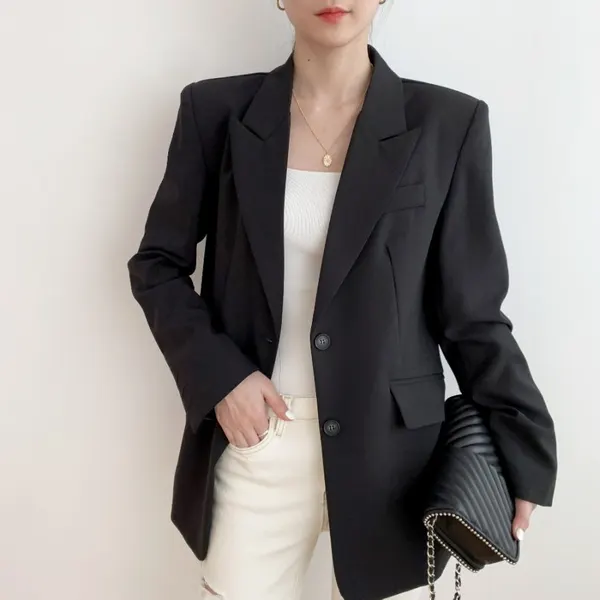
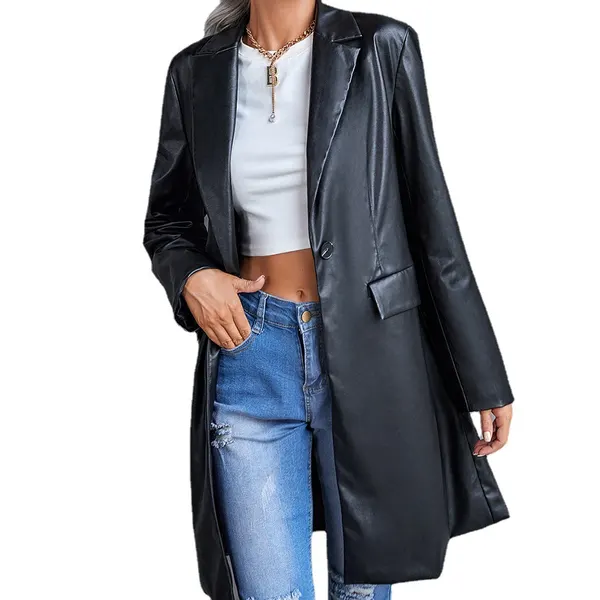
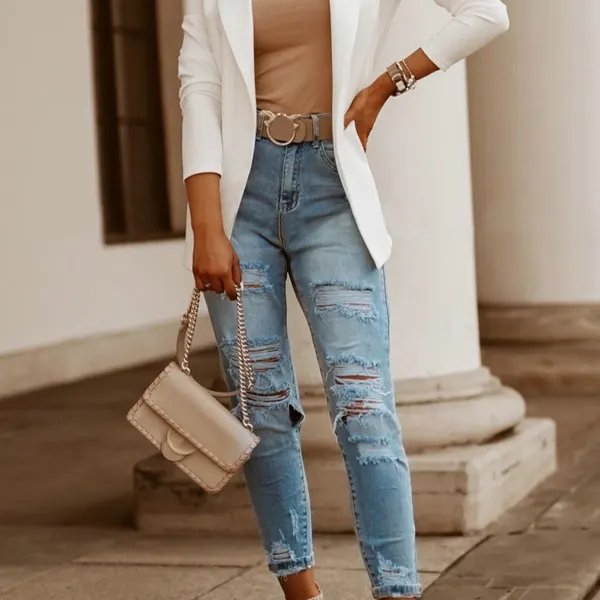
How to choose blazers
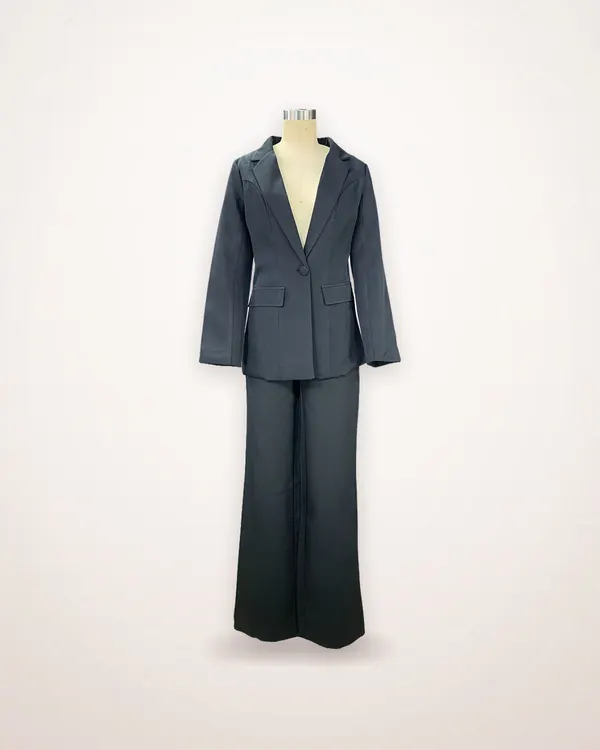
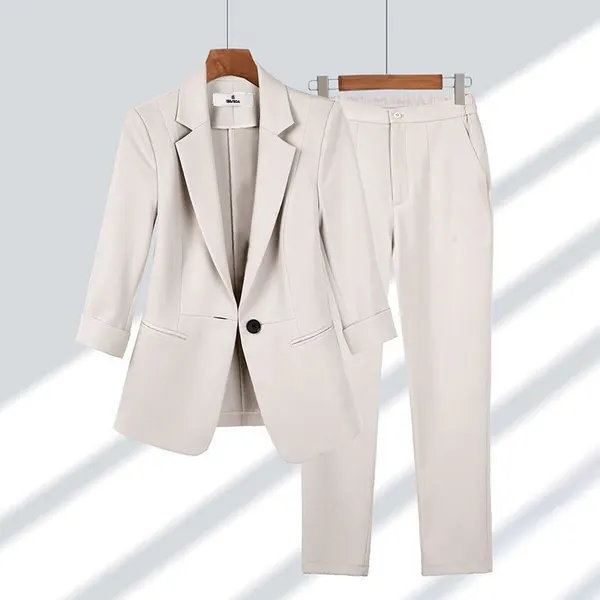
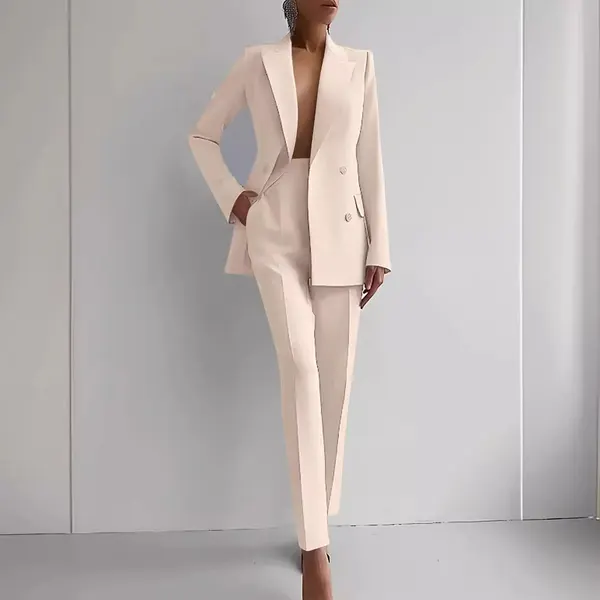
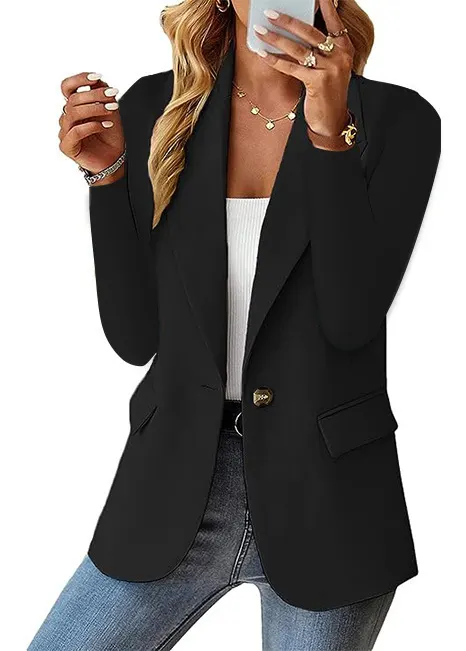
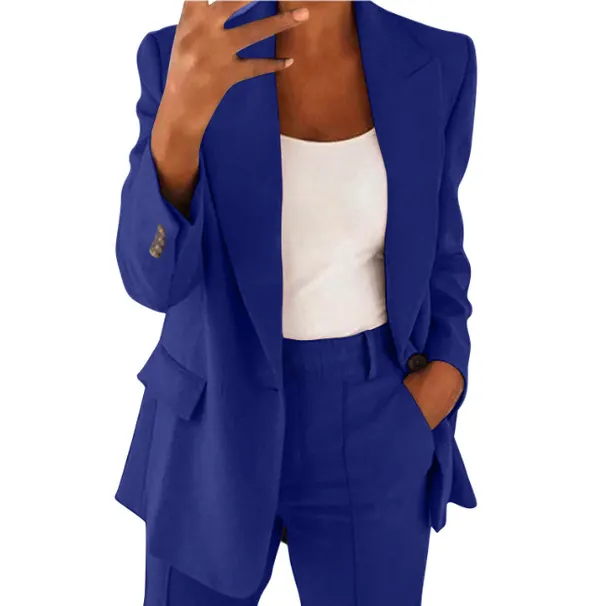
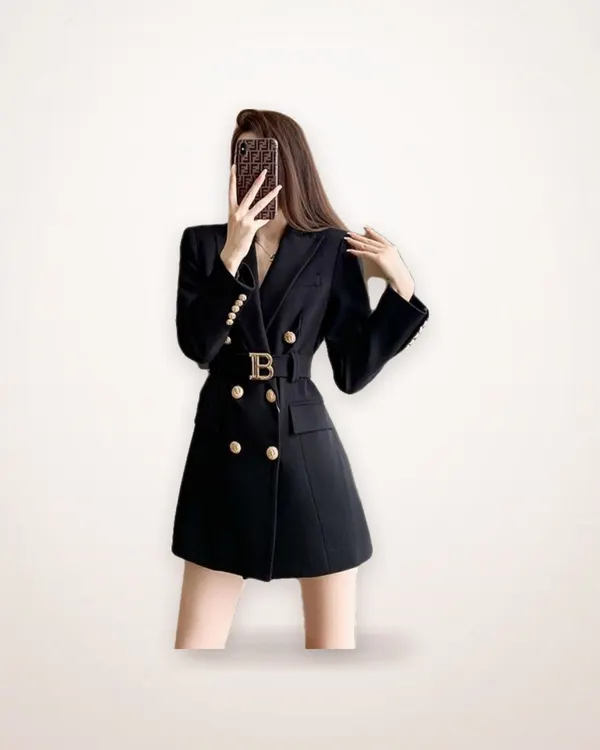
Begin with the setting. A single-breasted blazer with a notch lapel and a single button is an easy layer for a working day and for weekends, while a double-breasted front gives a sharper, more structured line. A short belted style draws the waist in, and an asymmetrical cotton cut brings a longer, quieter silhouette. Decide whether you want a jacket on its own or a matching set, because a suit makes the morning simpler while a separate blazer works harder across your wardrobe.
Shoulder fit matters more than any other measurement. Our notes describe a close shoulder with room through the body as the aim, so the jacket frames you without gripping. If your measurements fall between two sizes, take the larger option, particularly with slim cuts and tailored two-piece sets that run small. Check the size chart before ordering, and allow 2-3cm of variation from manual measurement.
Then consider length and detail. Some of our jackets fall to the hip, while others sit at mid length between hip and thigh. Pockets are useful without breaking the line, and a button front can be closed for a neat finish or left open for a softer fall. Long sleeves should reach the wrist with enough room for a fine knit underneath when the day turns cool.
Materials, details and fit
The fabric sets the character. Smooth polyester holds a crisp press and a clean line through a long day, cotton brings a natural texture and a crisp finish, and acrylic cloth gives a smooth, lightly dry hand with enough body to keep its shape. Faux leather and PU leather bring a soft sheen and a more sculpted look, with a low, even polish that reads differently in daylight and evening light.
Details do the quiet work. Notched lapels and a suit collar frame the neck, double-breasted fronts add structure, and a single button draws the waist in just enough. Flap pockets sit flush at the hip, while a belt gathers a short cut at the waist. Linings matter too: a cotton lining keeps a jacket smooth over a shirt, and a smooth nylon lining helps it slide over a fine knit.
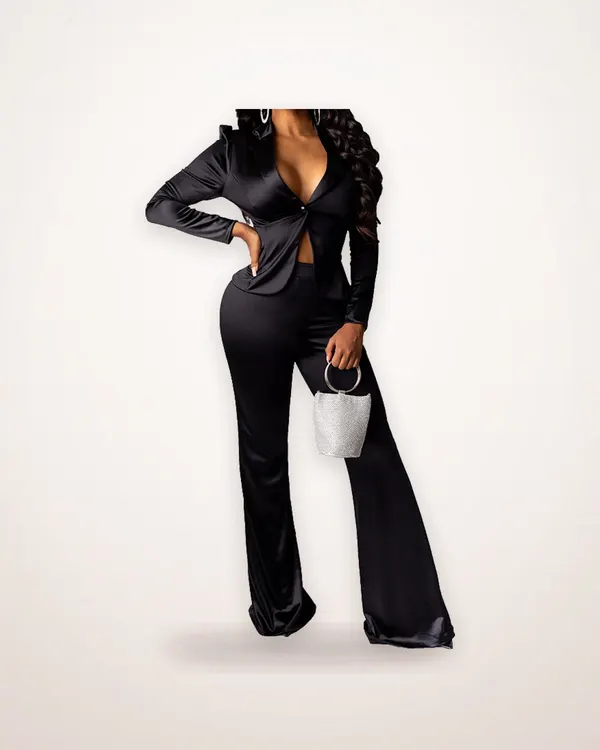
Fit follows the cut. Slim styles follow the body through the waist, regular cuts layer comfortably over a blouse or light knit, and short belted styles define the waist without feeling strict. In sets, trousers may run straight from hip to hem or stay slim through the hip and thigh to a full-length leg. Take your usual size in a tailored set, but size up if you are between measurements and the fit runs small.
How to style them
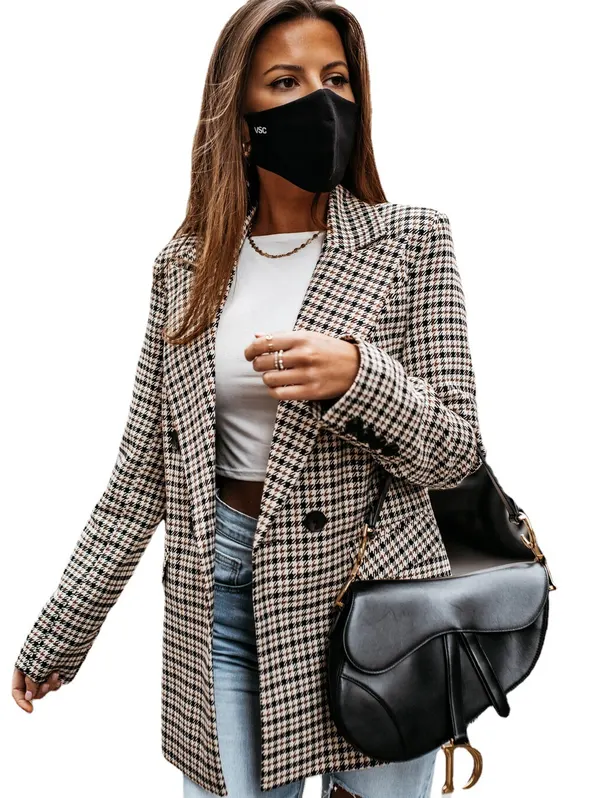
For work, keep the line clean. A single-breasted blazer over a shirt or fine knit with straight trousers looks composed, and a matching set removes the guesswork from a morning. A double-breasted style can sit over a tee when the day is less formal, while a short belted jacket works with a high-waisted trouser or a simple dress.
For evening, let texture and sheen carry the look. A PU leather or faux leather blazer over a slip dress or camisole adds structure without weight, and black tailoring with straight trousers is a quiet alternative to a dress. The low sheen of imitation leather catches restaurant light, while cotton and acrylic keep the mood softer.
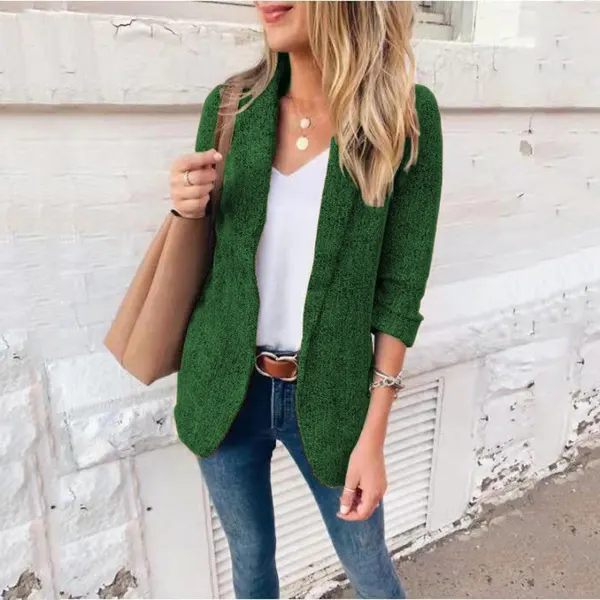
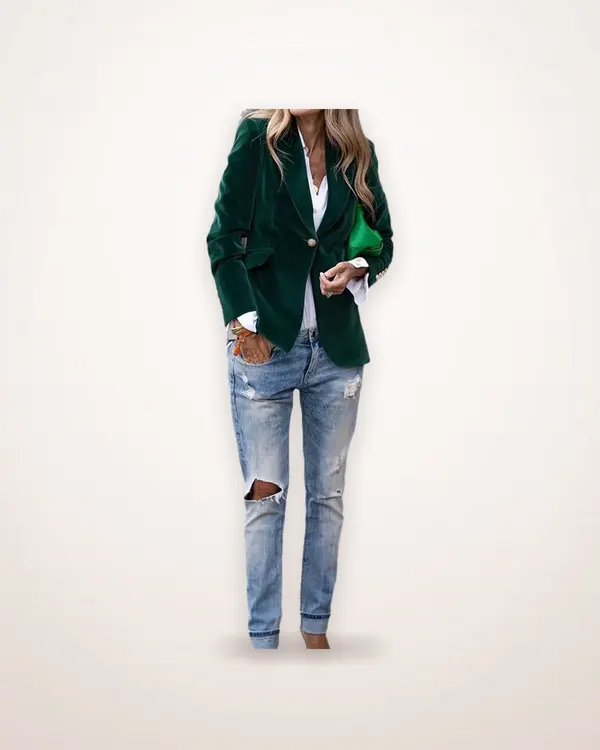
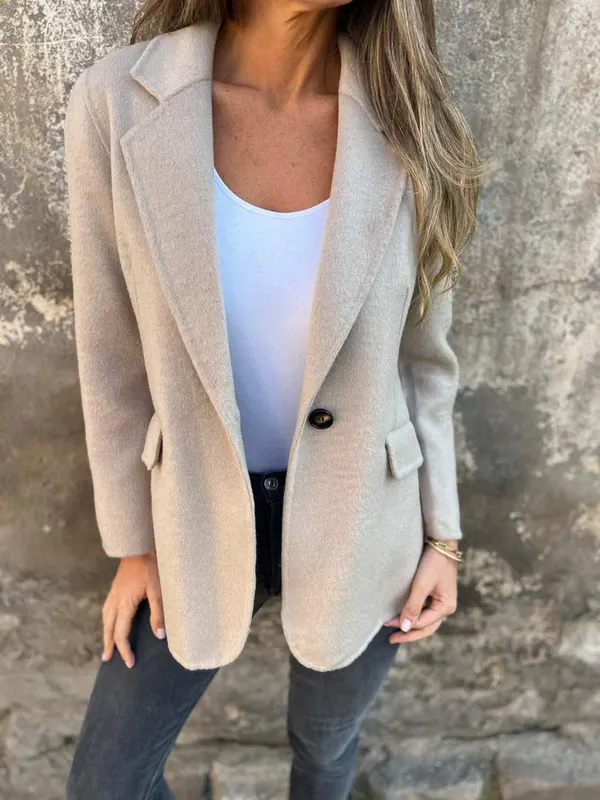
At the weekend, a blazer can sharpen denim and simple separates. Try a single-breasted lapel blazer over jeans and a plain top, or an asymmetrical cotton style with straight trousers. Wear it open over a knit for a softer line, or button it over a fitted top when you want a closer shape. Colour can shift the same cut: black reads sharp for the office and carries into evening, while beige softens the line for daylight.
Care and storage
Good care starts with the label. Read the care instructions for each piece before you clean or press it, and follow them over any general advice. After wearing, air the jacket for a few hours before it goes back into the wardrobe, and brush the cloth gently with a clothes brush to lift surface dust.
Hang blazers on a broad hanger that supports the shoulders, and leave a little space either side so the jacket is not compressed. For polyester, cotton and acrylic, light steam can release creases; if you press, use a cool setting and a cloth between the iron and the fabric. Avoid pressing sharp edges too hard, as that can flatten the lapel roll.
Faux leather and PU leather need a gentler routine. Wipe the surface with a soft, damp cloth and hang the jacket to dry away from direct heat, then store it without folding or crowding. Keep sets together if that helps you dress quickly, but give the jacket its own space so the shoulder keeps its shape.
Standout pieces
- Double-Breasted Notched Lapel Blazer: Notched lapels, a double-breasted front and two flap pockets give this piece a crisp shoulder with a lightweight feel for layering.
- PU Leather Suit Jacket: A structured suit jacket in smooth imitation leather, with a low, even sheen that works from the office to a late dinner.
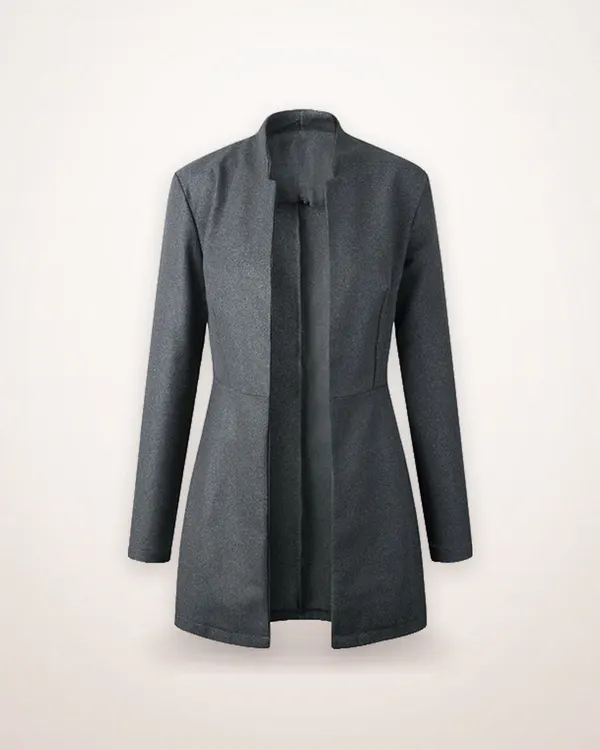
- Asymmetrical Cotton Blazer: Black cotton with a notched collar, slanted front and cotton lining gives this blazer a tailored longline silhouette.
- Short Belted Suit Blazer: A short tailored blazer with its own belt, a crisp polyester weave and a smooth nylon lining, drawn in at the waist.
- Slim Faux Leather Blazer Jacket: Black faux leather cut with a suit collar and long narrow sleeves, falling to a slim mid-length body.
More blazers
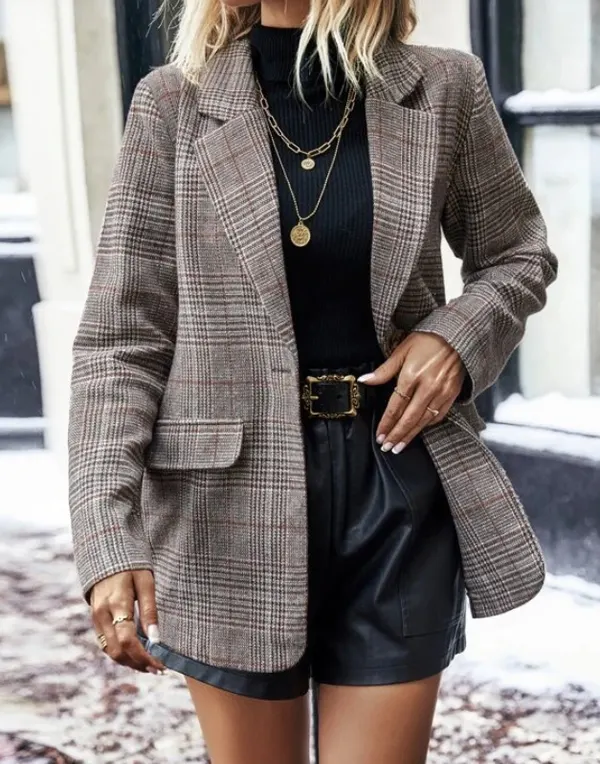
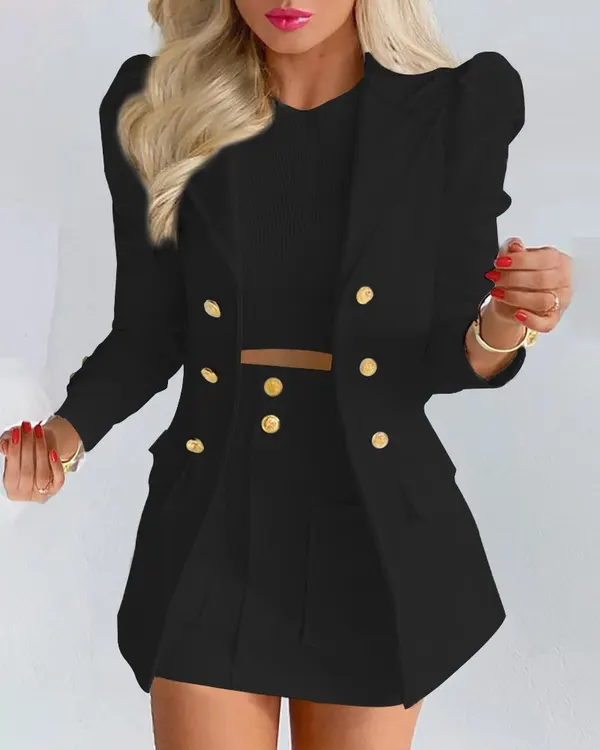

Questions
What should I look for in a blazer for work?
Look first at the shoulder and the line through the body: a close shoulder with room through the body is a useful starting point. A single-breasted front with a notch lapel or suit collar is easy to layer over a shirt or fine knit, while a double-breasted front gives more structure. If your measurements sit between two sizes, take the larger option, especially in slim and tailored cuts.
How should a blazer fit at the shoulder?
The shoulder seam should sit close to your natural shoulder without pulling, and the body should have room to layer a shirt or fine knit underneath. Slim cuts follow the waist more closely, while regular cuts leave more space through the body. Check the size chart and allow for the noted 2-3cm variation from manual measurement.
Can I wear a blazer with jeans?
Yes. A single-breasted lapel blazer in a regular fit can sharpen a weekend pair of jeans, and a lightweight double-breasted style can sit over a tee. Keep the rest of the outfit simple so the jacket's line and lapel do the work.
How do I store a blazer to keep its shape?
Hang it on a broad hanger that supports the shoulders, and leave a little space in the wardrobe so the jacket is not compressed. Air it after wearing and brush gently with a clothes brush before putting it away. Follow the care label for any cleaning.
More clothing buying guides
This guide is written with the help of AI from the details on our own product pages and checked automatically before it is published. Product facts come only from those pages. All buying guides · Gift guides · Beauty Journal