


How to care for belts
A practical guide to keeping leather, suede, faux leather and elastic belts clean, stored well and in shape.
At a glance
- Prices today
- $1.99 to $77.99
- Colours
- black, brown, white, red, coffee, camel, blue, khaki, gold, silver, green, beige
- Materials
- leather, denim, alloy, knit, pu leather, cowhide, faux leather, linen, canvas
- Finishes
- matte, cream
- Details
- stretch, lightweight, adjustable
Shop belts
How to choose belts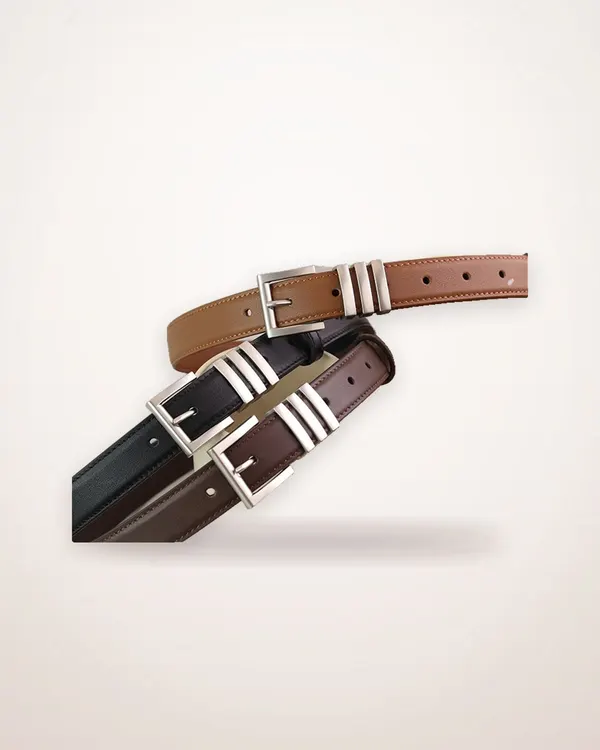

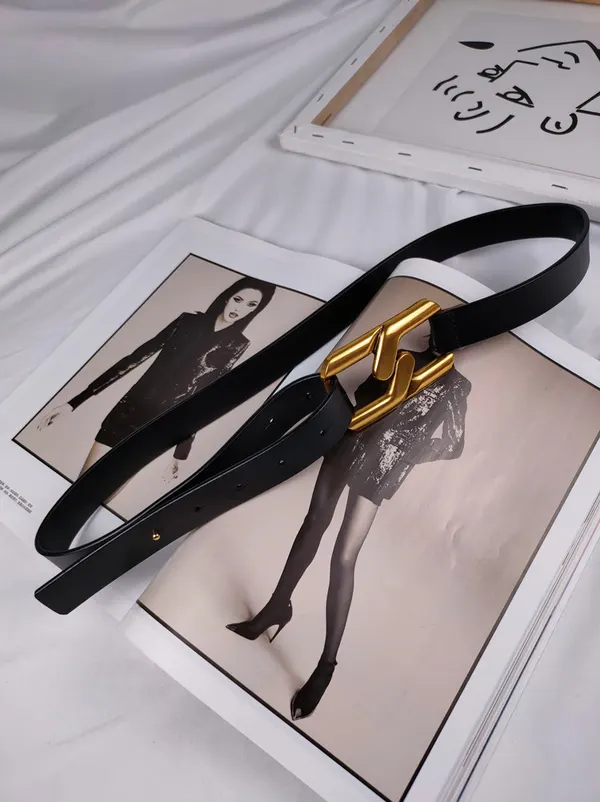
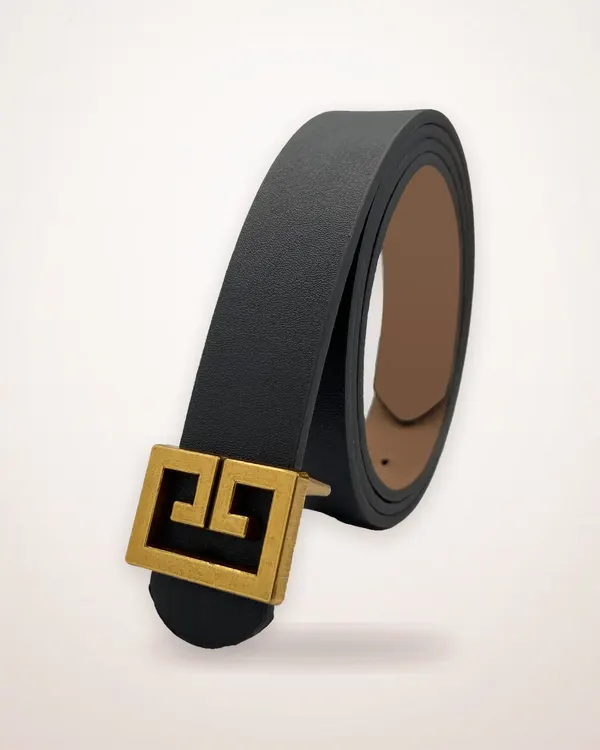
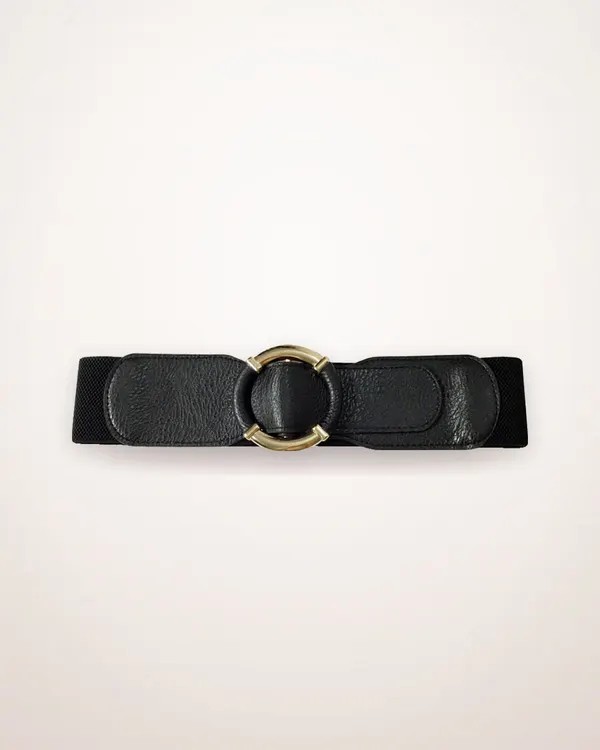
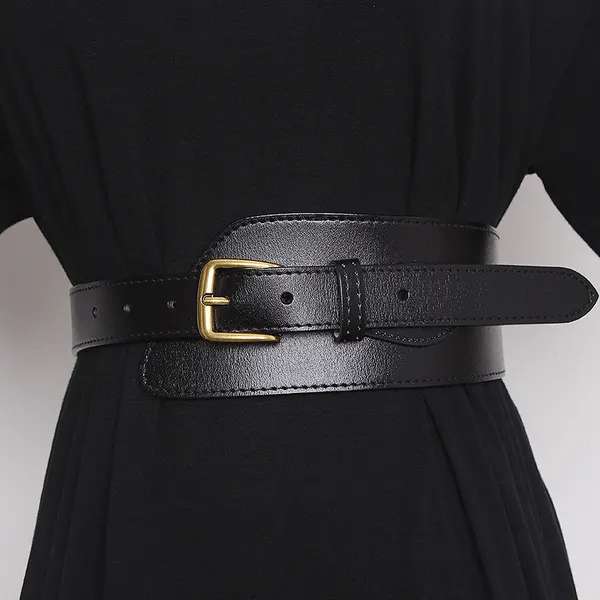
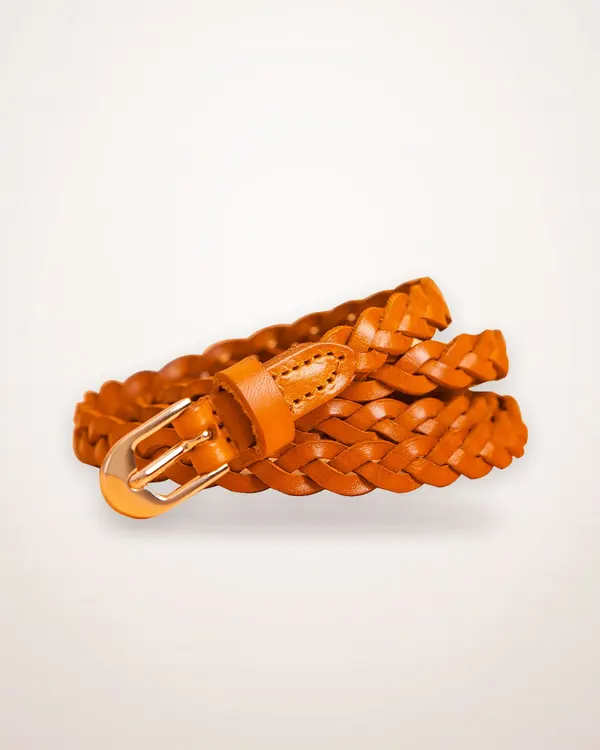
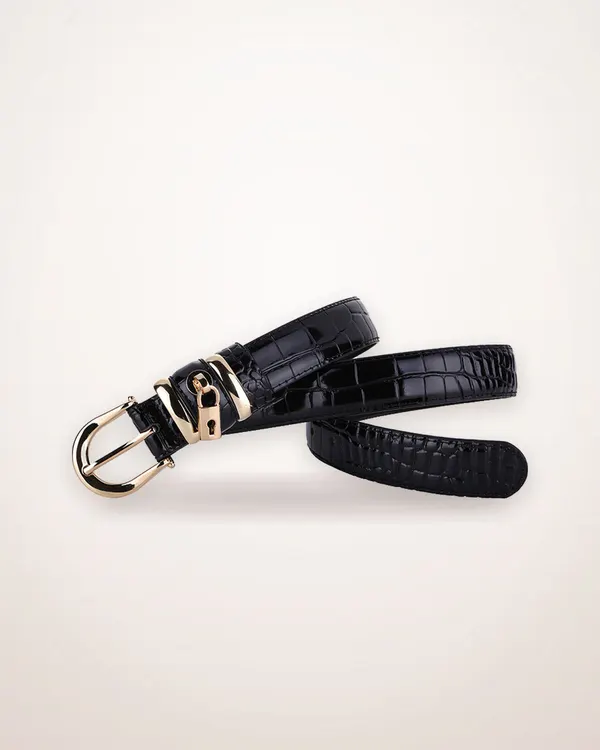
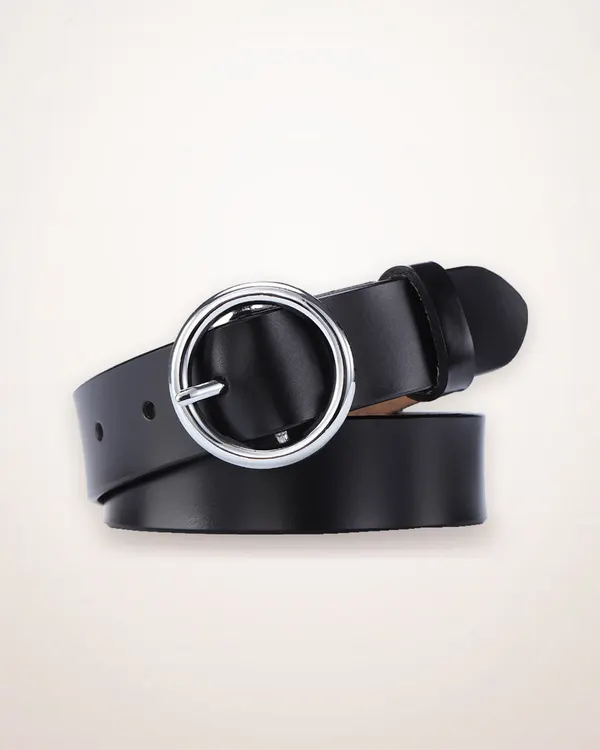
Everyday care for belts
A belt lasts longer when it is not asked to do too much. Fasten it at the hole that sits comfortably at your waist, not tight, and thread the strap through your belt loops so the leather or fabric takes the strain evenly. With a needle buckle, fasten it at the waist over a dress or shirt. With a pin buckle, choose the hole that feels right when you are standing and sitting. If a belt has retaining rings, thread the strap through both and pass the end back through to set the tension.
Take the belt off before you put it away and let it air for a few minutes. A soft dry cloth run along the strap removes everyday dust and body oils before they settle. Pay attention to the buckle and the strap edges, where grime collects. Do not leave a belt in a hot car or on a radiator, and keep it out of direct sun for long periods. Heat can dry leather and make elastic lose its snap.
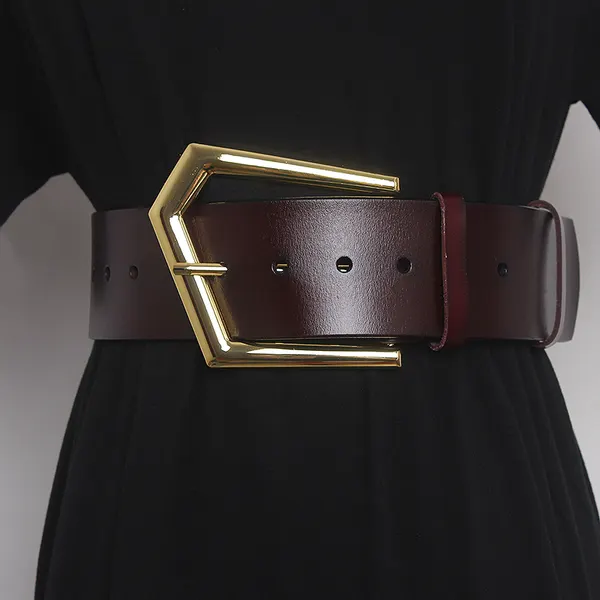
Give belts a rest between wears. If you wear the same one daily, the leather stays bent in the same place and the buckle sits in the same hole. Alternate with another belt when you can. Check the width against the loops: a 3.7cm cowhide belt reads substantial on tailoring, while a slim belt under 2cm suits narrow loops and fine fabrics. The length should match where you wear it, at the natural waist or lower on the hip, so the tail has somewhere to go.
Cleaning by material
Start with the gentlest method. For smooth leather and cowhide, wipe the strap with a dry or barely damp soft cloth, then let it dry naturally away from heat. If a mark needs more, use a leather cleaner made for that type of finish and follow the maker's directions. A top grain leather belt can be wiped along the grain, not scrubbed across it. Do not soak leather or hold it under a tap.
Suede needs a different hand. Let mud dry, then brush it off with a suede brush rather than rubbing it in. Blot spills with a clean cloth and keep water to a minimum; a damp patch can mark the nap. Brush the surface back in one direction once it is dry. For a suede belt with a soft nap, store it away from rough edges that can flatten the surface.
Faux leather, PU and imitation leather are easier to wipe. Use a damp cloth with a little mild soap, then wipe again with a clean damp cloth and dry with a soft towel. Keep them away from harsh solvents and abrasive pads. A square bronze buckle or a gold-toned copper buckle can be wiped with a dry cloth; do not polish it with anything abrasive.
Elastic, canvas and knit belts need spot cleaning rather than a soak. Wipe the band with a damp cloth and mild soap, then air dry flat. Do not wring or stretch the band while it is wet. The same goes for a wide stretch belt with a metal square buckle: clean around the buckle with a cloth, not by immersing it.
Storing them well
Store leather belts rolled loosely or hung from the buckle end on a smooth hook. A tight coil leaves a memory in the strap, and a heavy buckle can press a crease into the leather. If you hang a belt, use a hook that will not mark the finish. Keep the tail through the keeper loops so it does not curl. A cool, dry drawer or cupboard is better than a damp bathroom or a sunny windowsill.
Suede and coated leathers need a little space. Do not pile them under heavier bags or shoes. A cloth dust bag or a separate compartment keeps the nap from being flattened and stops buckles from scratching neighbouring pieces. If you have a belt with carved detail or a lacquered sheen, store it so the surface is not pressed against a hard edge.
Elastic belts should be stored flat or rolled loosely, not stretched over a hanger. Stretching them in storage is what makes them slack over time. Keep the buckle fastened or wrap it in a soft cloth if it sits against other metal. For a belt with a no-hole strap, there are no holes to settle into, so keep the strap straight and the front uncreased. Check your belts once a season: air them, wipe them and move the fold if one has formed.
Small repairs and touch-ups
A small scuff on smooth leather can often be softened with a cloth and a little leather cream made for the finish. Test on a hidden part first. Edge wear is common where the strap rubs against a buckle or loop; a leather worker can trim and reseal an edge if it starts to fray. Do not pick at loose stitching. A tailor or cobbler can re stitch a strap before the damage spreads.
If a hole stretches, move to the next hole and have a leather worker punch a new one rather than forcing the buckle through a worn hole. For a belt with no punched holes, there is nothing to stretch in that way, so check the fastening and the strap edges instead. A stretched elastic band is harder to bring back. If the elastic has lost its shape, it is usually time to replace the belt rather than try to tighten it.
Metal buckles can be wiped with a dry soft cloth after wear. If a buckle feels stiff, do not oil it unless the maker says so. A tiny dab of clear wax on a stiff pin can help, but keep it off the strap. For a D-ring buckle, check that the ring turns freely and that the keeper loops are not twisted. Small habits like these keep a belt looking considered for longer.
Standout pieces
- Slim Glossy Black Belt: The Slim Glossy Black Belt has a fine glossy black finish and a needle buckle for a clean line at the waist.
- Top Grain Leather Pin Buckle Belt: The Top Grain Leather Pin Buckle Belt is cut from top grain cowhide at 2.4cm wide, with a simple alloy pin buckle.
- Soft Suede Leather Belt: The Soft Suede Leather Belt has a supple black suede leather surface, a slim profile and a button fastening.
- Retro Oval Buckle Leather Belt: The Retro Oval Buckle Leather Belt pairs an oval gold-toned copper buckle with smooth painted cowhide and car-style stitching.
Questions
How do I stop a leather belt from curling at the tip?
Store it rolled loosely or hung from the buckle, with the tail through the keeper loops. If the tip has already curled, keep the belt flat under a light weight for a day or have a leather worker trim it.
Can I clean a suede belt with water?
Use water sparingly. Let mud dry and brush it off, then blot any spill with a clean cloth. A damp patch can mark the nap, so keep the whole surface dry where you can.
Should I fasten a belt before storing it?
Fasten the buckle or wrap it in a soft cloth so it does not scratch the strap. For a belt with retaining rings, keep the tail threaded through both rings so it stays flat. Store the belt loosely rather than coiled tight.
How do I choose the right hole on a pin buckle belt?
Fasten the pin at the hole that sits comfortably at your waist, not tight, and check it while sitting. The strap should hold your trousers or dress without pulling the fabric. If the tail is very long, tuck it through the keeper loops.