


How to use toner
A practical guide to choosing and using a toner after cleansing, with tips on technique, layering and storage.
At a glance
- Prices today
- $6.99 to $17.99
- Colours
- rose
- Ingredients you will see
- glycerin, aloe, niacinamide, vitamin c, collagen, salicylic acid, glycolic acid, panthenol
- Formats and finishes
- liquid, dewy, cream
- Details
- lightweight
Shop toners and toner pads
How to choose toners and toner pads

Before you start
Start with a clean face. Toner comes after cleansing and before serum or moisturiser. Think of it as the layer that adds moisture or a light sweep of exfoliation, depending on the formula you choose. In our range you will find watery liquids, essences, sprays and mousse textures, so the right one depends on how your skin feels after washing.
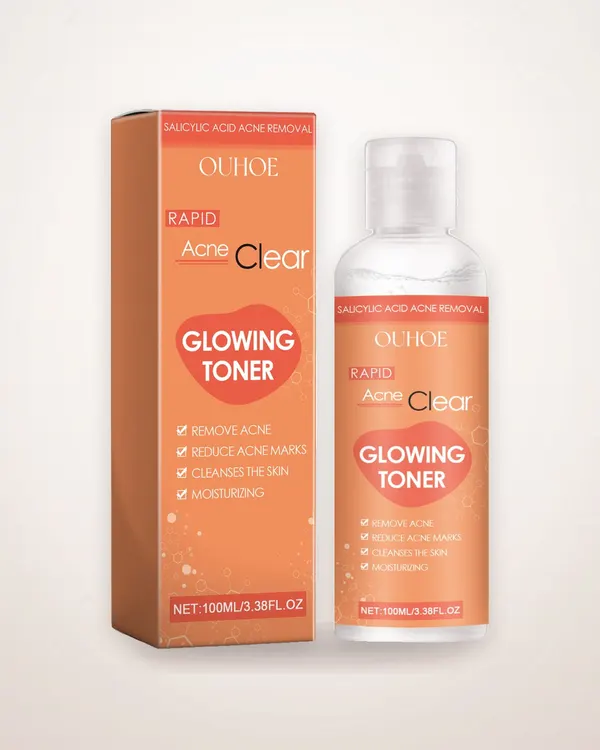
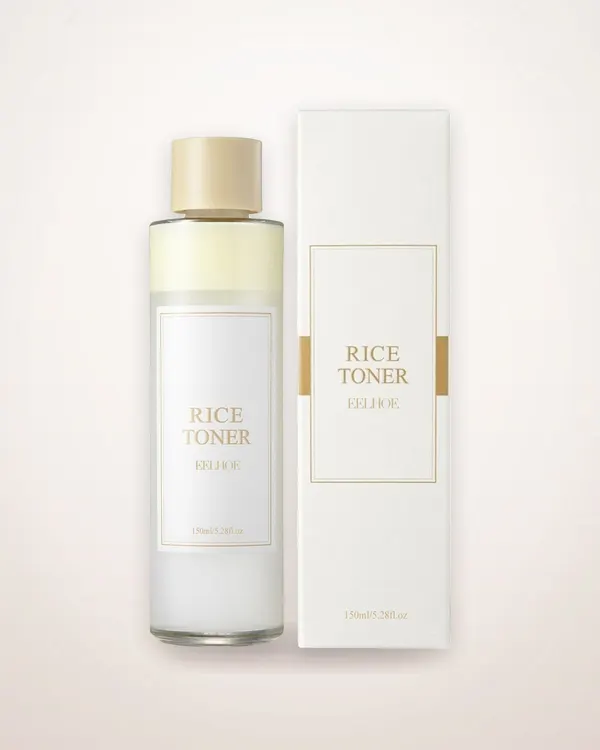
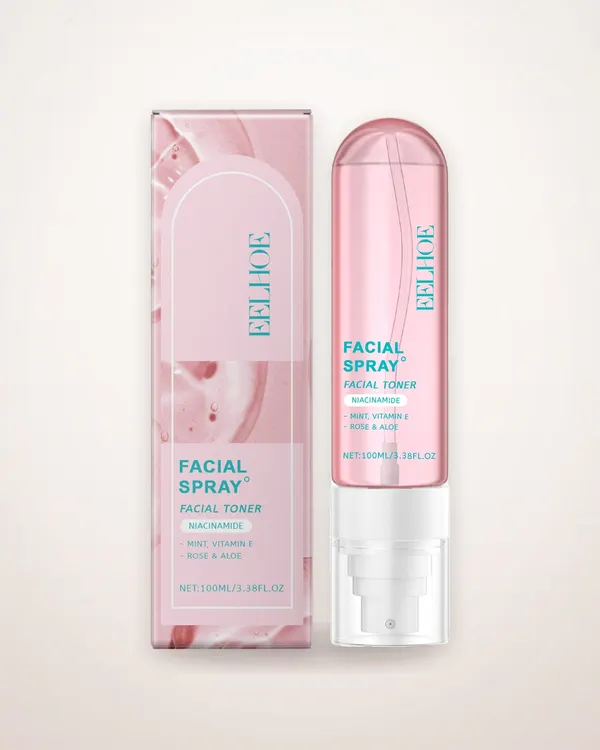
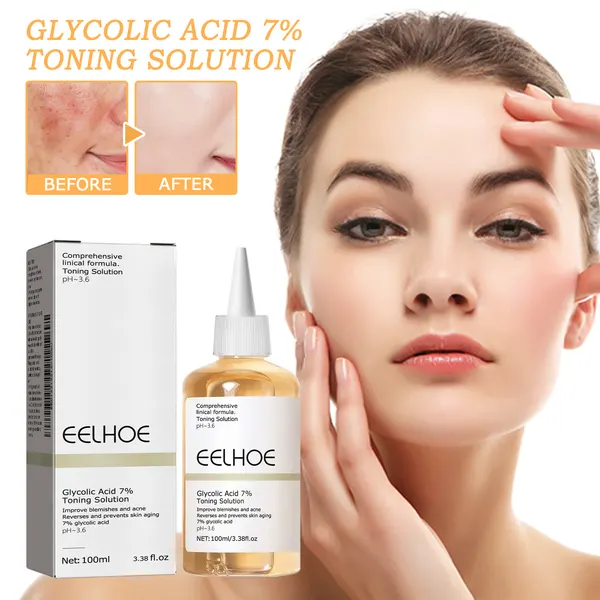
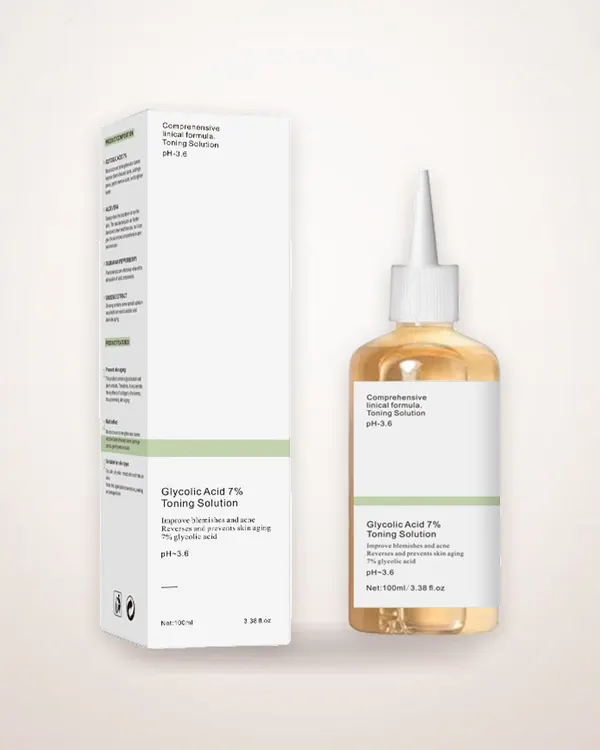
If skin feels tight or thirsty, a hydrating formula is a good place to start. The Rice Toner with Panthenol uses glycerin, panthenol and PCA sodium, while the Niacinamide Toner Spray with Rose and Aloe brings niacinamide, rose extract and aloe vera in a fine mist. For skin that looks shiny by midday, the Salicylic Acid Glowing Toner pairs salicylic acid with witch hazel. For dull texture, there are glycolic acid toners at 1.7% and 7%. Use one exfoliating toner at a time rather than layering several.
You do not need to use a toner twice a day if your skin feels comfortable with less. Start with once a day, or two or three times a week for an exfoliating formula, and adjust. If you have a skin condition or a concern that persists, speak to a qualified professional. Patch test a new product on a small area first if you are unsure.
Step by step
Cleanse first, then pat your face dry with a clean towel. While skin is still slightly damp, dispense a small amount of toner. For a watery liquid, pour it into your palms or onto a cotton pad. For a mousse or foam, press a small amount between your hands or fingertips. You do not need to soak the skin.
Smooth or pat the toner evenly over your face and neck. Use gentle pressure and avoid dragging the cotton pad across the skin. The use notes for our toners say to pat gently with the fingertips until absorbed, or to sweep a soaked pad over the face. Both methods work; choose the one that feels kinder to your skin. Wait a few seconds for the toner to settle before the next step.
Follow with serum and moisturiser while skin still feels damp. If you are using a spray, mist it over your face from about an arm's length, then press it in with clean hands. You can also use a toner spray over makeup for a midday refresh, as with the Niacinamide Toner Spray with Rose and Aloe. For the exfoliating toners, sweep a small amount over the face with a cotton pad, two or three times a week to begin with.
Common mistakes and how to fix them
Using too much is the most common slip. A small amount covers the face and neck, and a soaked pad that drips is more than you need. If toner runs down your wrists, pour less next time. More product does not make the step work better.
Scrubbing at the skin with a cotton pad can leave it feeling sore. Sweep lightly, or press the product in with your palms. Do not use toner as a substitute for cleansing or makeup removal; cleanse first, then tone. If your skin feels tight after toning, you may need a more hydrating formula or a smaller amount.
Layering several exfoliating toners in one routine is another mistake. Pick one, such as the 1.7% glycolic toner or the salicylic acid toner, and use it on alternate days or a few times a week. Keep the rest of the routine simple with a moisturiser. If skin stings, stop using the product and ask a qualified professional for advice.
Hygiene, storage and shelf life
Wash your hands before you tone. If you use a cotton pad, use a fresh one each time and throw it away after use. Do not dip a used pad back into the bottle. For mousse or foam formulas, dispense into clean hands rather than touching the nozzle to your face.
Close the bottle tightly after use and store it upright in a cool, dry place away from direct sunlight. Keep sprays and pumps clean by wiping the nozzle with a clean tissue. Do not store toner in a hot bathroom cupboard or on a sunny windowsill, as heat and light can affect a formula over time.
Follow the period after opening on the packaging if one is given. Write the date you opened the bottle on the label if that helps you keep track. Do not decant toner into an unwashed travel bottle. If the smell, colour or texture changes, stop using it.
Standout pieces
- Rice Toner with Panthenol: The fluid rice toner brings glycerin, panthenol and PCA sodium together for skin that feels soft, supple and quietly dewy.
- Niacinamide Toner Spray with Rose and Aloe: A fine mist with niacinamide, rose extract and aloe vera that settles quickly and leaves skin feeling soft, supple and fresh.
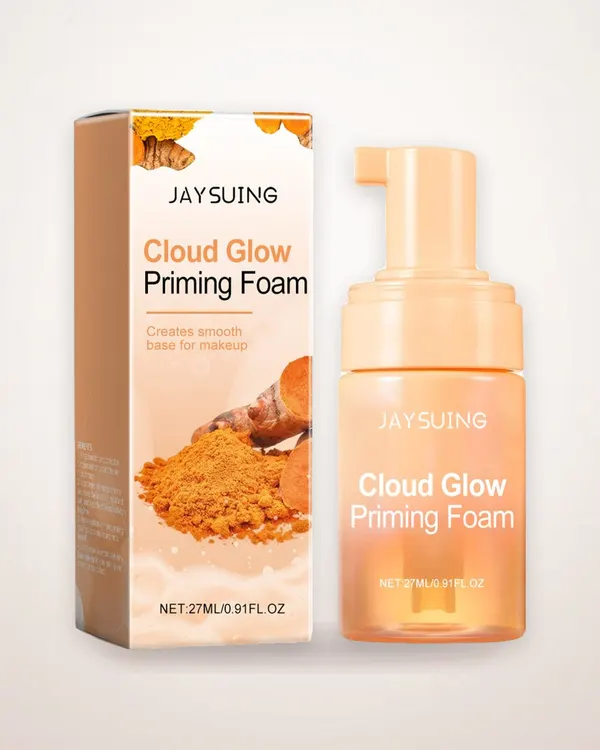
- Hydrating Pre-Makeup Mousse Toner: A whipped mousse with safflower extract, coconut oil and apricot fruit extract that softens dryness before makeup.
- Salicylic Acid Glowing Toner: A liquid toner with salicylic acid and witch hazel that lifts away the day's oil and leaves skin looking clear, calm and softly matte.
Questions
Do I need to use toner every day?
Not necessarily. A hydrating toner can be used morning or evening, while an exfoliating toner is often better two or three times a week to begin with. Adjust based on how your skin feels.
Should I apply toner with a cotton pad or my hands?
Either works. A cotton pad suits watery liquids and helps you sweep the product evenly, while palms or fingertips suit mousse and essence textures. Pat gently rather than rubbing.
Can I use glycolic acid toner with salicylic acid toner?
It is better to use one exfoliating toner at a time. The range includes 1.7% and 7% glycolic acid toners and salicylic acid toners, so pick one and use it a few times a week. If skin stings, stop and ask a qualified professional.
How long should I wait after toner before moisturiser?
You only need a few seconds. Press the toner in until it feels absorbed, then follow with serum and moisturiser while skin is still slightly damp. There is no need to let it dry completely.