


How to care for sandals
Keep your sandals looking good for longer with simple care by material, smart storage and small touch-ups.
At a glance
- Prices today
- $8.99 to $112.99
- Colours
- black, white, brown, blue, red, beige, gold, green, pink, silver, khaki, yellow
- Materials
- linen, rubber, cotton, leather, denim, rhinestone, synthetic, silk
- Finishes
- matte
- Details
- adjustable, lightweight, slip-on, breathable, lined
Shop sandals
How to choose sandals



Everyday care for sandals
Sandals take more abuse than most shoes. They meet pavement, sand, sunscreen and bare skin, often all in one afternoon. A little attention after each wear keeps them looking sharp and extends their life.
Start by wiping them down. A soft, dry cloth removes dust and loose dirt from the upper and sole. For straps that sit against skin, a slightly damp cloth with a drop of mild soap can lift sweat and lotion. Wipe again with a clean damp cloth to remove soap residue, then let them air dry away from direct heat.
Check the soles and straps regularly. Look for worn tread, loose stitches or stretched buckles. Catching small issues early makes them easier to fix. If you wear your sandals often, a weekly wipe-down is a good habit.
Let them rest between wears. Rotating your sandals gives them time to dry out and recover their shape. This is especially important in warm weather when feet perspire more.
Cleaning by material
Different materials need different care. Always check the product page for specific guidance, but here are general rules.
Leather sandals, like our Closed Toe Chunky Heel Leather Sandals in pigskin, benefit from a soft, damp cloth to remove surface dirt. Avoid soaking them. Let them dry naturally, away from radiators or direct sun. A leather conditioner can keep the leather supple, but test it on a small area first.
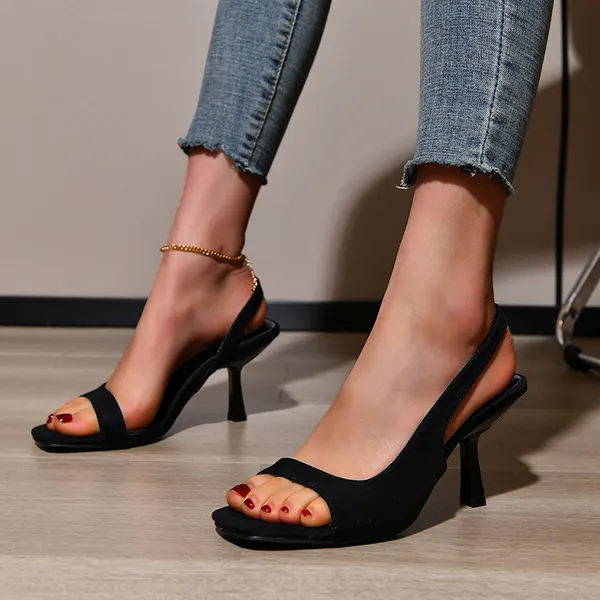
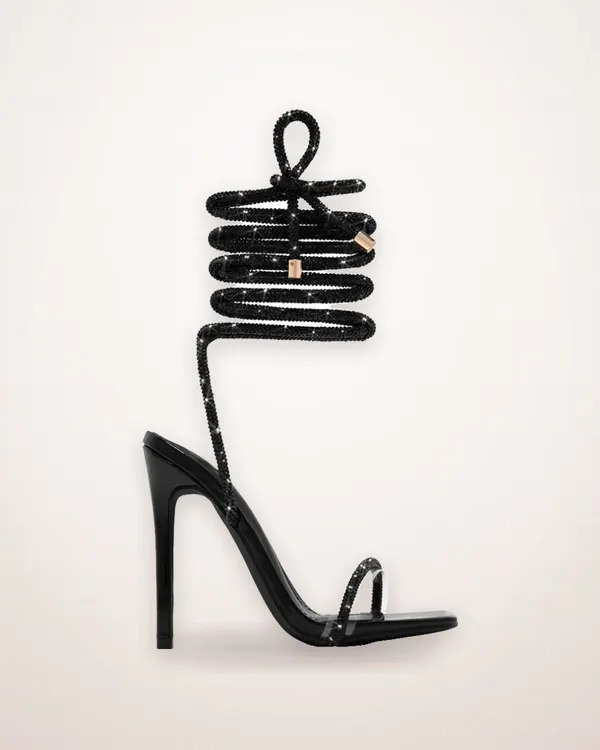
PU and synthetic uppers, such as those on our Open Toe Stiletto Sandal or Patent Square-Toe Sandals, are easier to clean. A damp cloth with mild soap works well. Wipe in one direction and dry with a soft cloth. Patent finishes can be buffed with a dry cloth to restore shine.
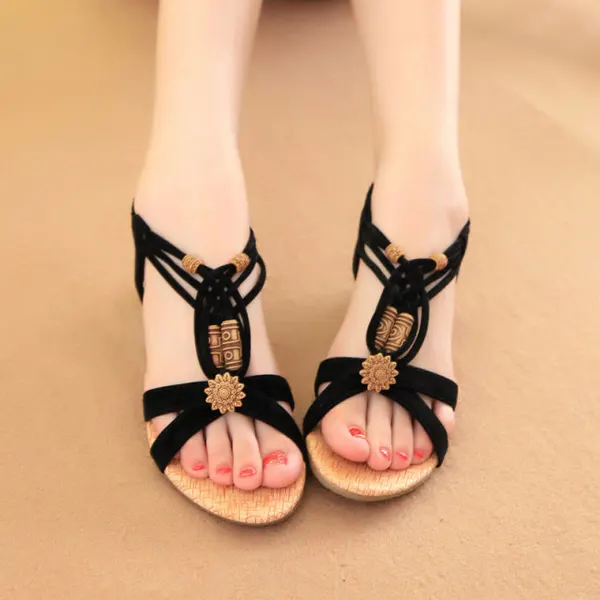
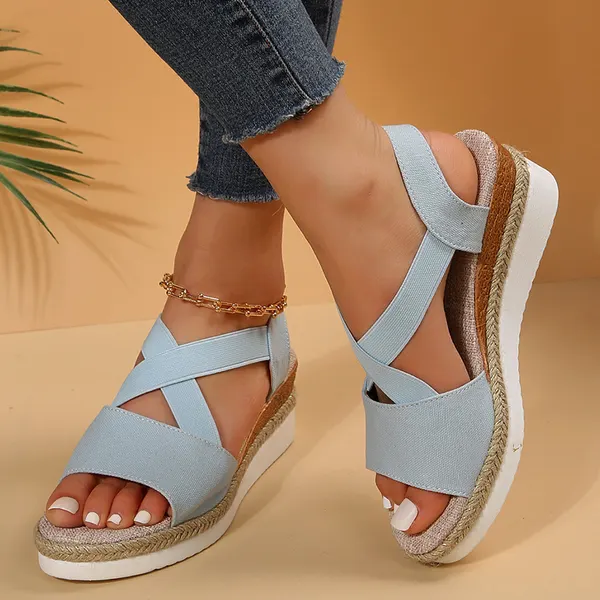
Fabric sandals, like our Cross-Strap Platform Wedge Sandals with cloth upper, need gentle care. Use a soft brush or cloth to remove dry dirt. For stains, a damp cloth with a little mild detergent can help, but don't rub too hard. Allow to air dry completely before wearing.
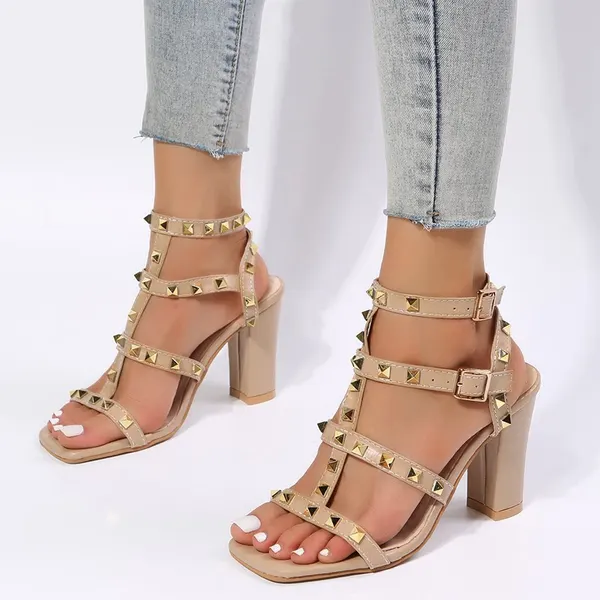
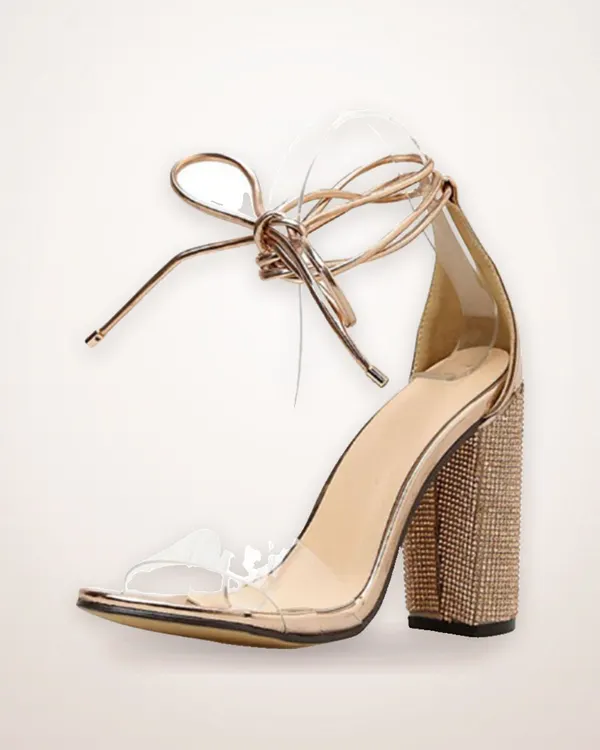
Rhinestones and embellishments, as on our Rhinestone Peep-Toe Sandals, need a light touch. Use a soft, dry cloth to dust them. Avoid getting them wet, as moisture can loosen the settings over time.
Storing them well
How you store your sandals affects their shape and condition. When you're not wearing them, keep them in a cool, dry place. Direct sunlight can fade colours and dry out materials.
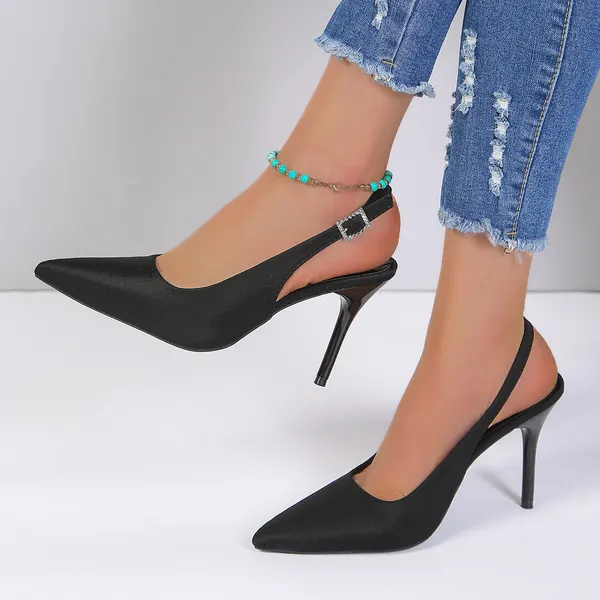
Use shoe trees or stuff the toes with tissue paper to help them hold their shape. This is especially useful for pointed or square toes, like those on our Pointed Toe Stiletto Sandal with Buckle Strap. For strappy sandals, fasten the buckles to prevent them from getting bent or tangled.
If you stack sandals, place heavier ones at the bottom. A dust bag or a shoebox with breathing holes protects them from dust and scratches. Avoid sealed plastic bags, which can trap moisture.
For travel, wrap each sandal in a soft cloth or place them in a shoe bag. This prevents scuffs and keeps pairs together.
Small repairs and touch-ups
A little DIY can save your favourite pair from the back of the cupboard. Check straps and buckles regularly. If a buckle feels loose, tighten it with a small screwdriver if possible, or take it to a cobbler.
Scuffs on PU or leather can often be minimised with a matching colour polish or a specialised product. Test on a hidden area first. For rhinestones that have come loose, a tiny dot of strong glue can reattach them, but be careful not to use too much.
If the sole starts to separate, a shoe repair shop can glue it back. Don't ignore small splits, as they can grow. For fabric straps that fray, a tiny dab of clear nail polish can stop the fray from spreading.
Replace worn heel tips promptly. A cobbler can do this quickly and it prevents damage to the heel itself.
Standout pieces
- Closed Toe Chunky Heel Leather Sandals: Pigskin leather upper and lining soften with wear, and the chunky heel keeps you steady from desk to dinner.
- Cross-Strap Platform Wedge Sandals: The cloth upper and rubber sole handle warm days well, and the platform wedge lifts you clear of hot pavement.
- Square Toe Stiletto Strappy Sandals: Five colours from silver to blue give you options, and the square toe and stiletto heel make a clean evening line.
Questions
How do I clean leather sandals?
Wipe them with a soft, damp cloth to remove surface dirt. Avoid soaking them, and let them air dry away from direct heat. A leather conditioner can keep them supple, but test it on a small area first.
Can I wear my sandals in the rain?
It's better to avoid it. Water can damage leather, fabric and embellishments. If they do get wet, pat them dry with a cloth and let them air dry naturally, away from radiators or direct sun.
How should I store sandals to keep their shape?
Stuff the toes with tissue paper or use shoe trees, and fasten any buckles. Store them in a cool, dry place, ideally in a dust bag or a shoebox with breathing holes.
What can I do about scuffed PU sandals?
A matching colour polish or a specialised PU cleaner can help. Test on a hidden area first. For deeper scuffs, a cobbler can advise on repair.