


Rings under $10
A practical guide to choosing rings under one price cap: band widths, metals, sizing and how to stack them without fuss.
At a glance
- Prices today
- $1.99 to $9.99
- Colours
- gold, silver, white, rose, rose gold, blue, black, red, green, pink
- Materials
- copper, zircon, alloy, rose gold, sterling silver, gold-plated, stainless steel, gold-tone, silver-tone
- Details
- adjustable, lightweight
Shop rings under $10
How to choose rings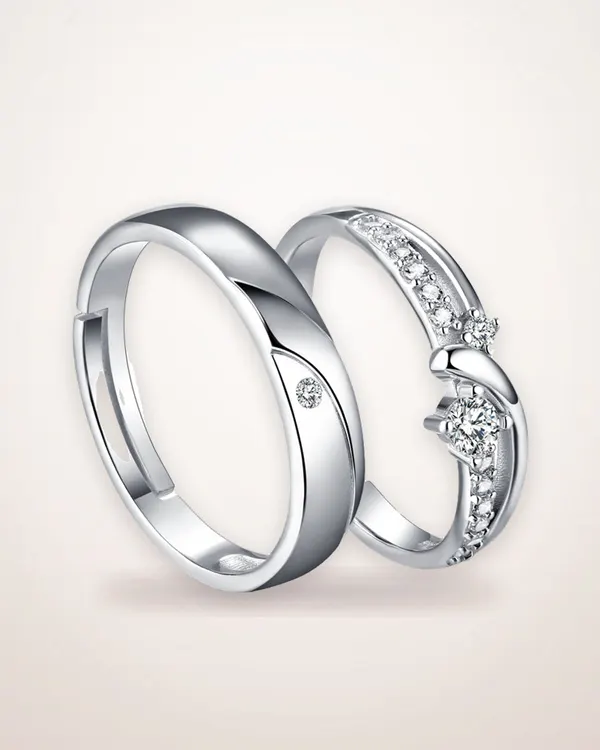
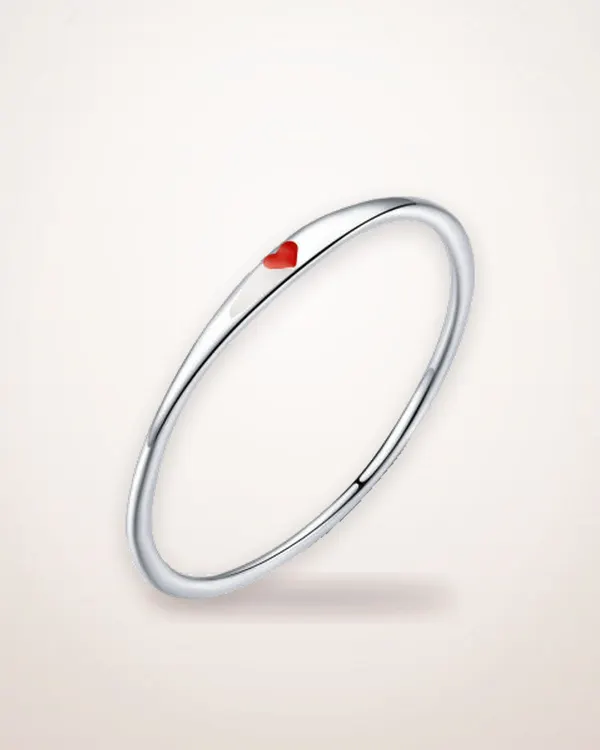
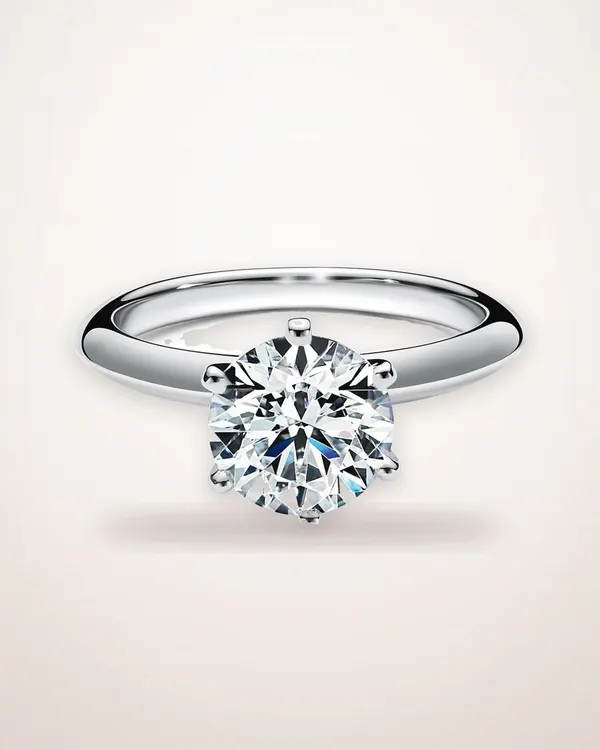
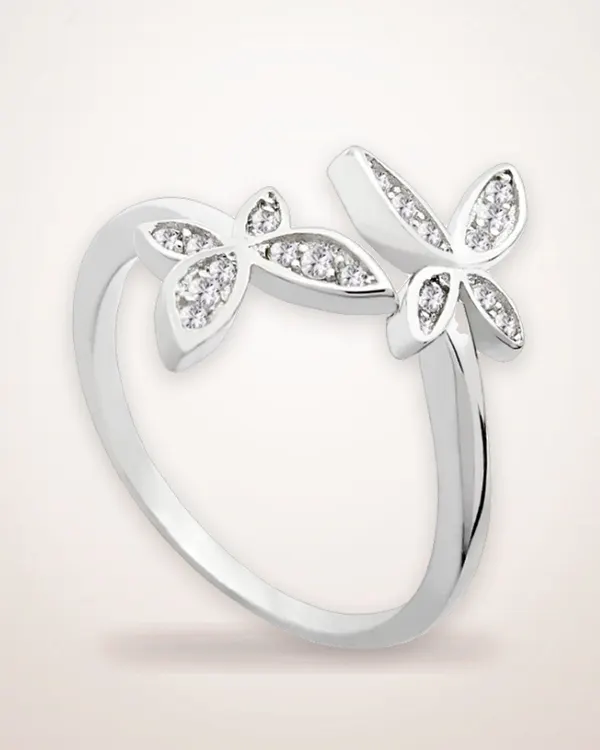
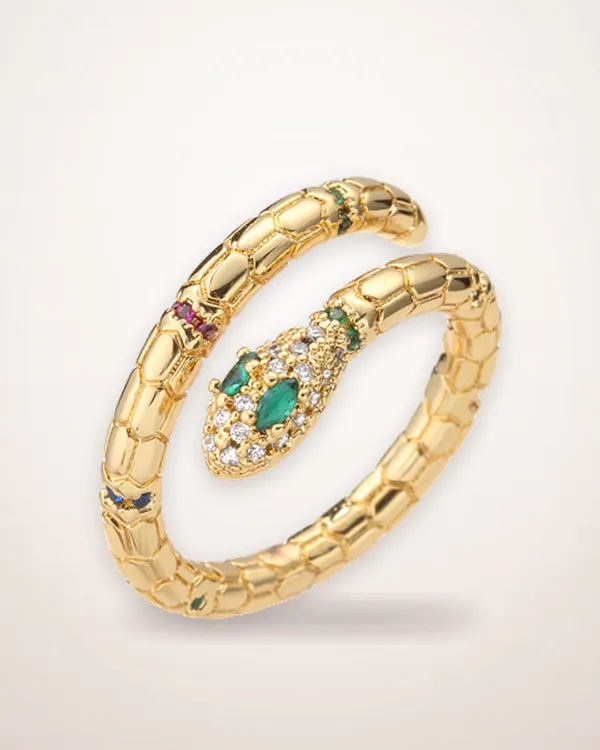
What to look for in rings at this price
Start with the finger you have in mind and the width you like on it. Every ring on this page sits under one price cap, which is shown on the page itself, so the range is already narrowed. That leaves fit, metal and detail to think about.
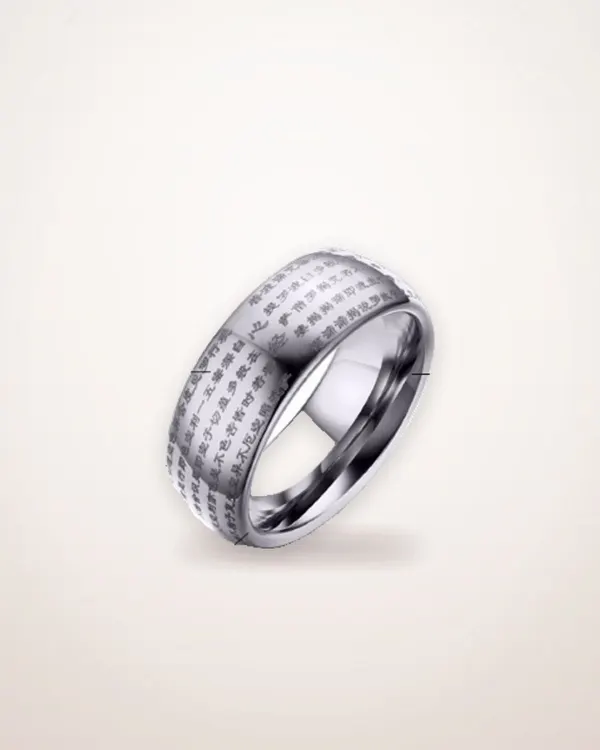
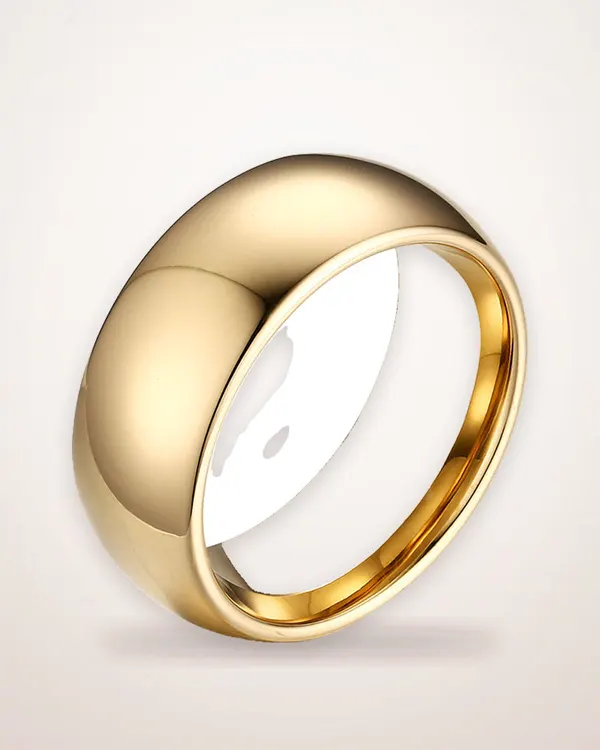
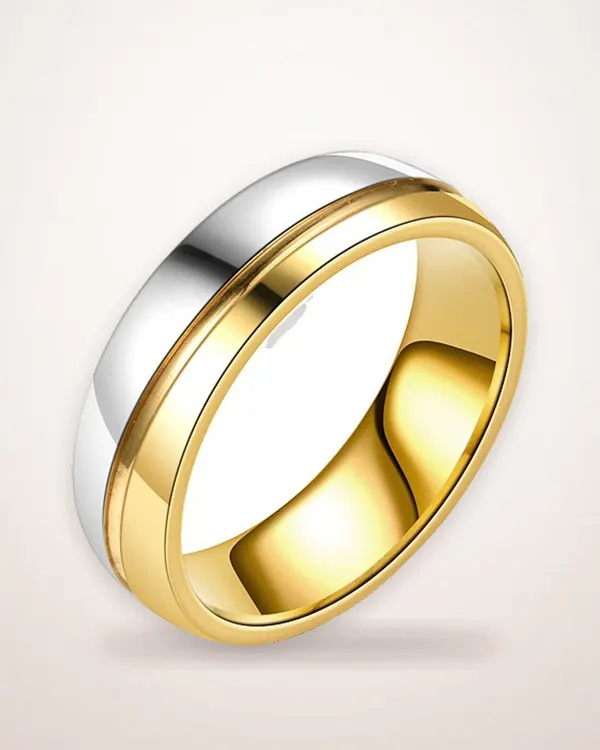
Band width changes how a ring feels. A 2mm band is fine enough to sit beside a watch or another ring, while a 6mm band covers more of the finger and reads as a considered line on its own. An 8mm dome is the widest of the group, so take that span into account before you choose a size.
Sizing works in two ways here. Some pieces come in set US sizes, from 5 to 9 or 6 to 13 depending on the design, and those need a close fit so they do not turn through the day. Others are open at the front or fully adjustable, which means they ease over the knuckle and can be guided to sit where you want them.
Measure at the end of the day, when fingers are at their usual size, and check the fit on the hand you plan to wear it on. The two hands are rarely the same.
Materials and details worth checking
Sterling silver appears across several pieces, sometimes marked 925. It is a bright, polished metal that will pick up fine scratches with wear, which is normal for silver. A band with no stones, like a leaf motif or an engraved heart, is the simplest to keep neat.
Gold-tone, gold-plated and silver-tone pieces carry a thin layer of finish over another metal, and some adjustable bands use copper alloy or a brass and zinc alloy so they can bend. Stainless steel holds a polish and takes everyday knocks well. Plated surfaces do better when they are not rubbed against keys or coins in a bag.
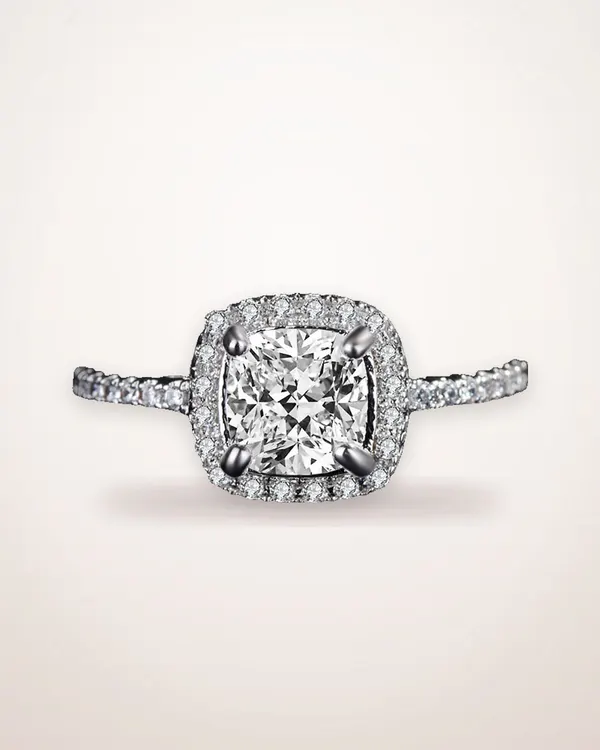
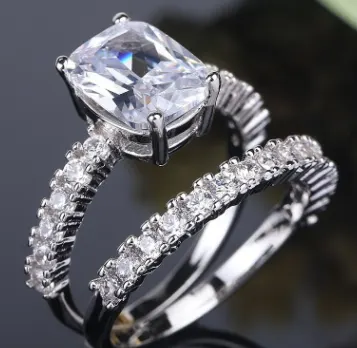
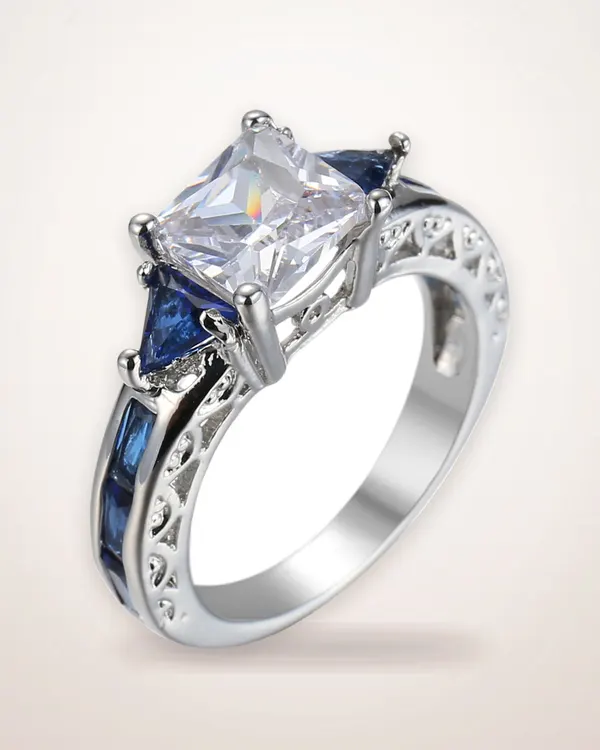
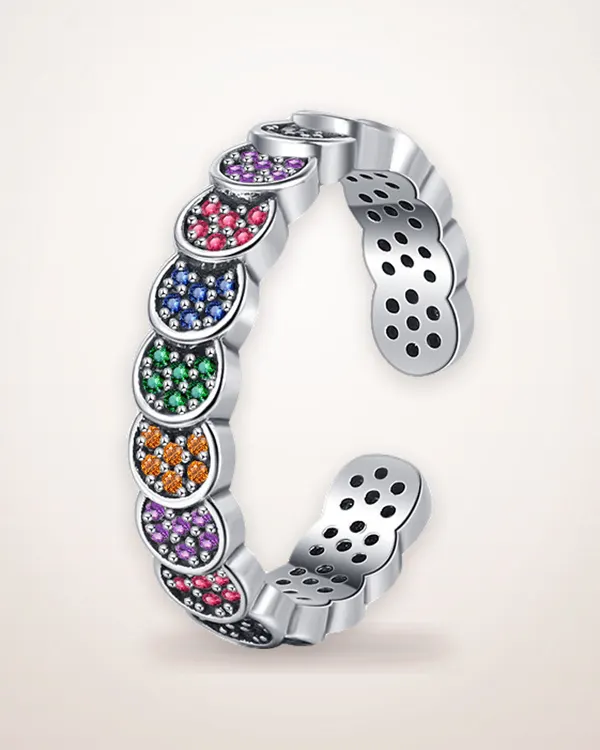
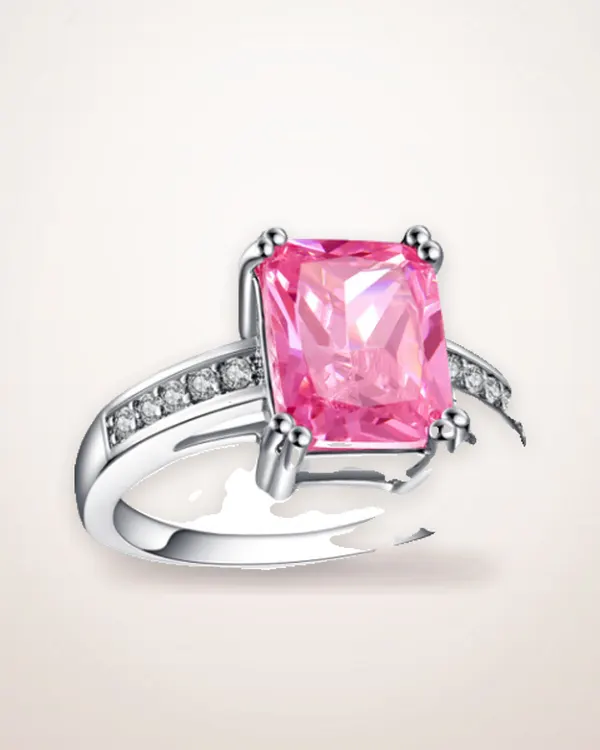
Stones are worth a second look. Zircon and cubic zirconia are set into several rings, some inlaid flat into the band and some raised. A flat or pavé setting sits close to the finger and is less likely to catch on knitwear, while a higher setting shows more of the stone.
Check the inside of the band too. A smooth inner surface is comfortable if you wear the ring all day, and a rounded edge is kinder than a square one when you close your hand.
How to wear them
A single ring on the index or middle finger looks deliberate and clean. A fine band on the little finger works the same way, and it is a good spot for a letter or a small motif you want to see through the day.
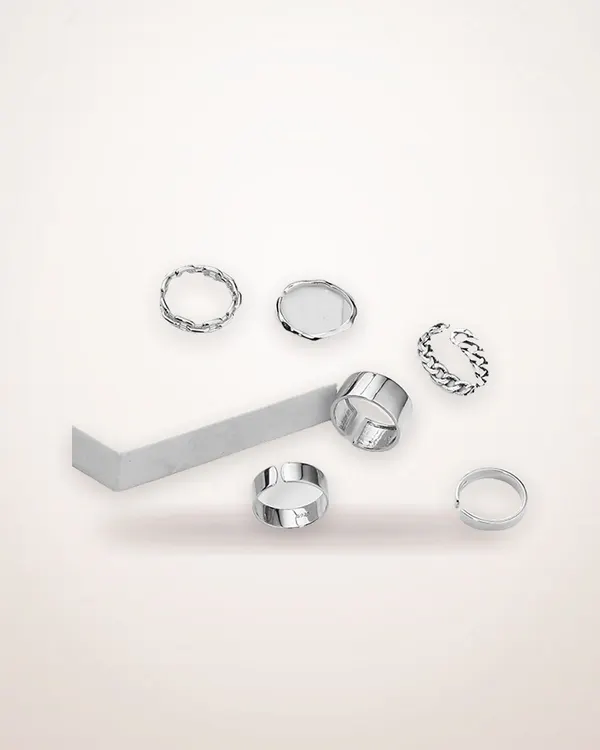
For stacking, mix widths rather than repeating the same one. A 2mm band next to a 6mm band gives the eye two different lines and stops a stack from looking like one thick ring. Two or three is usually enough, with a small gap between them so each piece keeps its own shape.
Tones can match or contrast. Silver-tone, white gold tone and sterling silver sit well together, and warm gold tone next to either of them reads as a choice rather than a mistake. If you wear a watch on one wrist, keep that hand simpler and put the fuller stack on the other.
A plain band or a low-set stone moves easily from desk to dinner, while a raised stone or a snake motif does more work in the evening. The rings that get worn most are usually the ones that clear a sleeve and a keyboard without catching.
Care and storage
Put rings on last, after perfume, moisturiser and hair products have dried. Wipe them with a soft dry cloth at the end of the day to lift oils from the skin, and give the inside of the band a quick pass too.
Take rings off before washing your hands, showering, swimming or cleaning. Plated surfaces and silver both do better when they are kept dry, and stones stay brighter when they are not sitting in soap.
Store pieces separately. A small pouch or a lined box with compartments keeps bands from rubbing against each other and stops stones from scratching the metal around them. Keep open and adjustable rings closed to their usual shape while they are stored.
Open bands need gentle handling. Ease one open only as far as you need to clear the knuckle, then close it slowly until the ring sits snug. Bending it back and forth every day weakens the metal over time, so pick a finger and a fit you like and leave it there.
Standout pieces
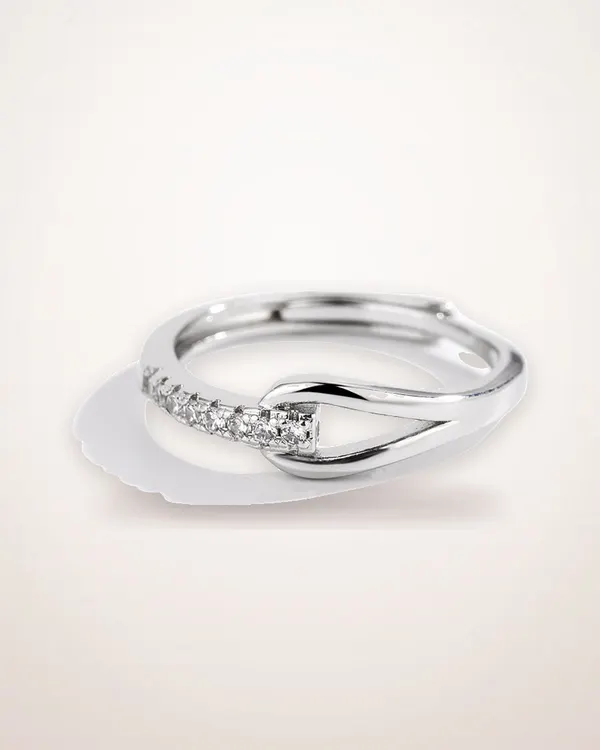
- Sterling Silver Gem-Set Open Ring: A slim sterling silver band in a white gold tone, open at the front with a single gem set at the centre.
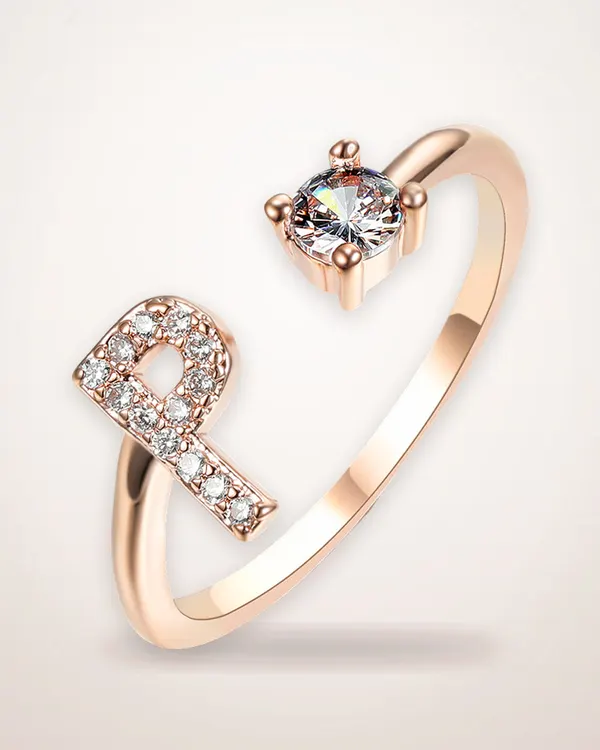
- Adjustable Initial Letter Zircon Ring: A zircon-set letter on a copper alloy band that opens and closes, and it stays light at 1 to 2 grams.
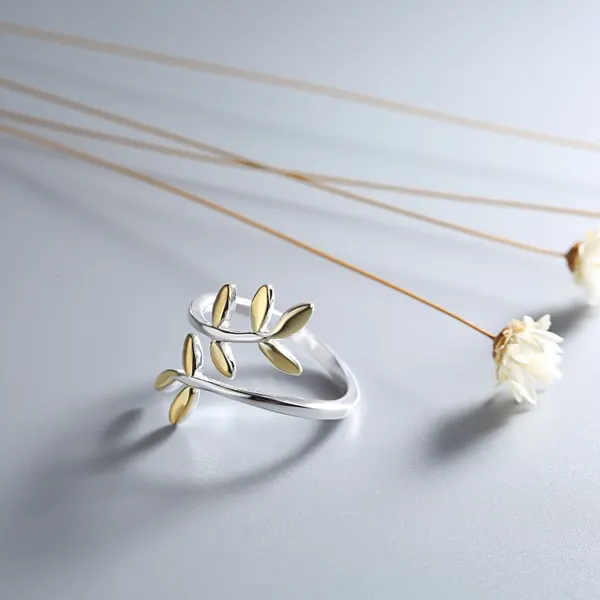
- Sterling Silver Olive Branch Leaf Ring: A 925 silver band with an olive leaf motif and a smooth inner edge, weighing about a gram.
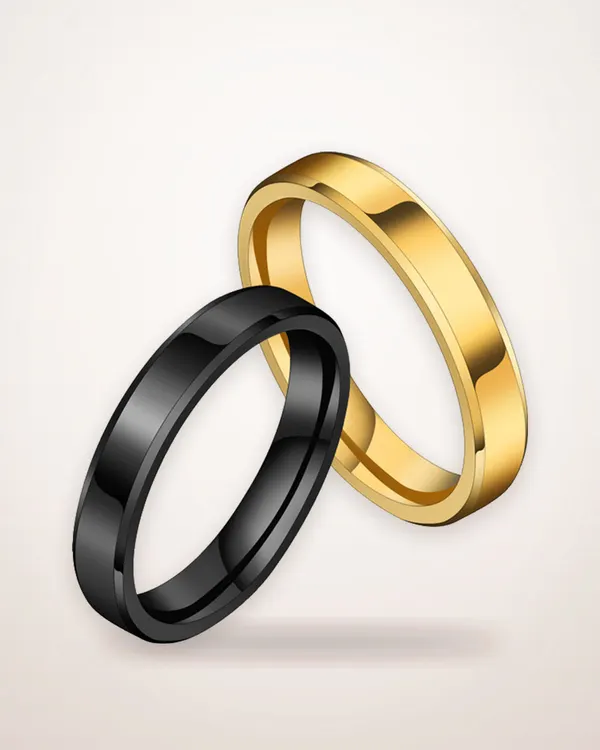
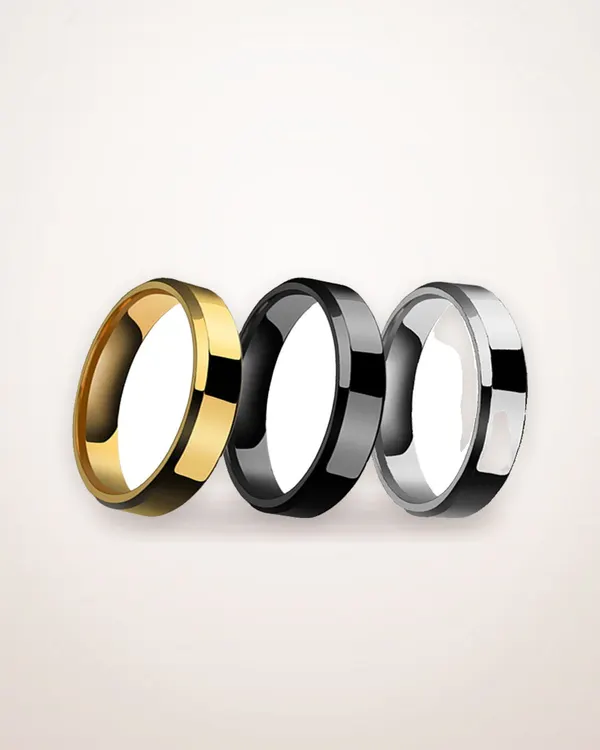
- 6mm Polished Stainless Steel Band Ring: A 6mm polished stainless steel band in silver, gold colour or black, low enough on the finger to stack.
More rings under $10
Questions
How do I work out my ring size at home?
Wrap a strip of paper or a piece of string around the base of the finger, mark where it meets, and compare the length with a ring size chart. Measure at the end of the day and check the knuckle as well, since the band has to pass over it. If you sit between two sizes, take the larger one.
Are adjustable rings a good choice if I am unsure of my size?
They are forgiving. An open or adjustable band eases over the knuckle and closes to sit where you want it, which helps if you plan to wear it on different fingers. Ease it gently rather than bending it back and forth.
Can I wear these rings every day?
Yes, with a little care. Plain metal bands take daily wear well, while plated finishes and stones last longer if you take the ring off before washing, swimming or cleaning. Wipe it with a soft dry cloth and store it separately.