


Primers and setting sprays: how to choose
Use this guide to choose a primer for a smoother base and a setting spray for a finish that stays comfortable through the day.
At a glance
- Prices today
- $5.99 to $14.99
- Ingredients you will see
- hyaluronic acid, vitamin e, titanium dioxide, aloe, glycerin
- Formats and finishes
- matte, sheer, natural finish, cream, powder
- Details
- waterproof, lightweight
From the product pages of the pieces in stock now. Prices update with stock and are shown in your currency.
Shop primers and setting sprays
All Face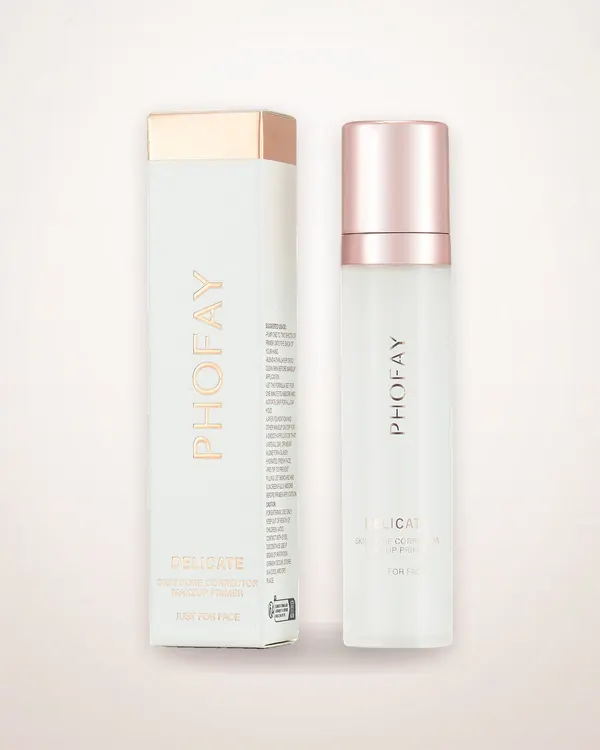
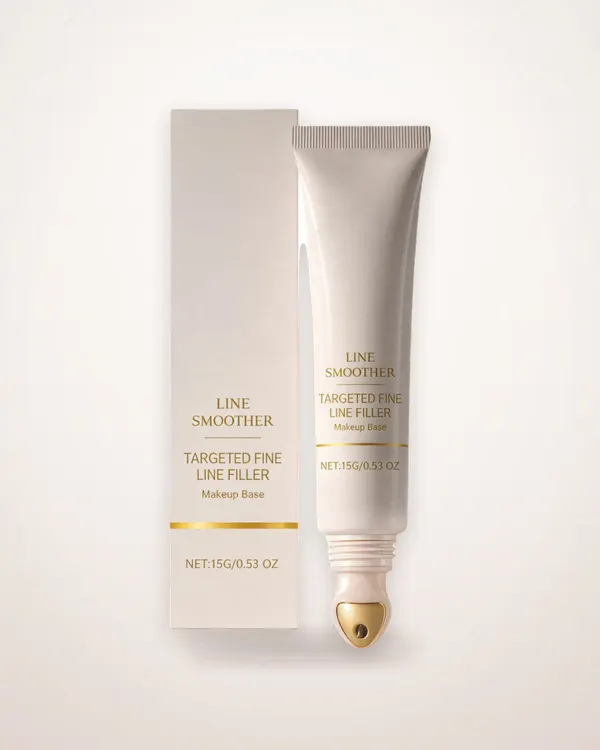
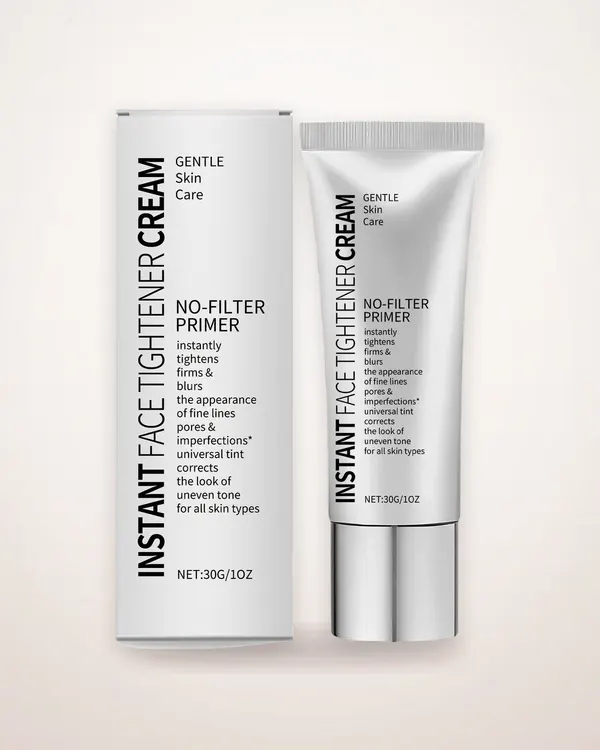
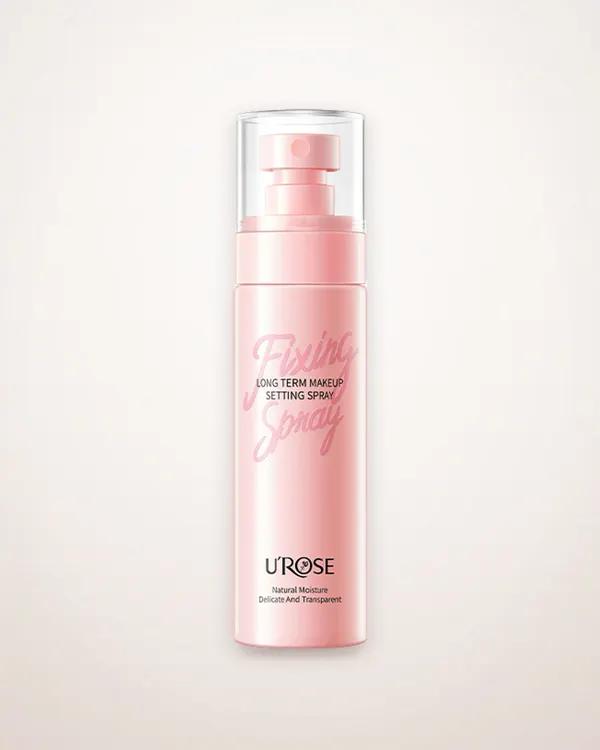
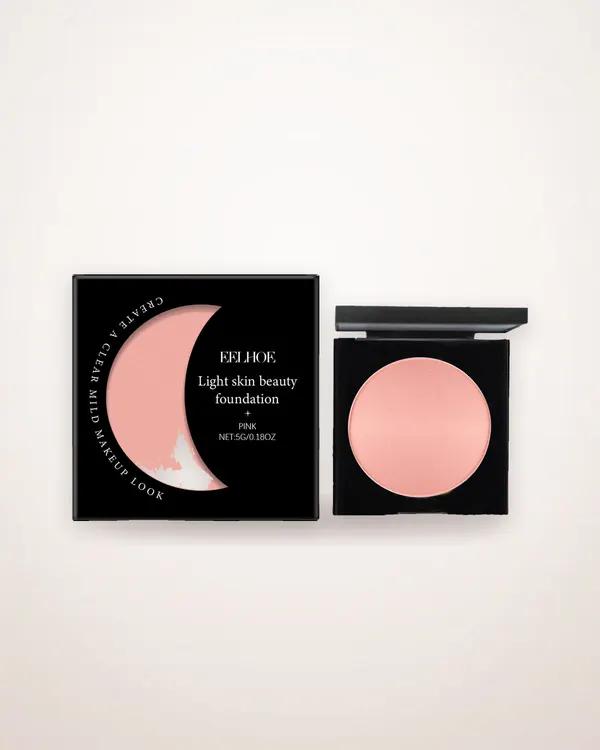
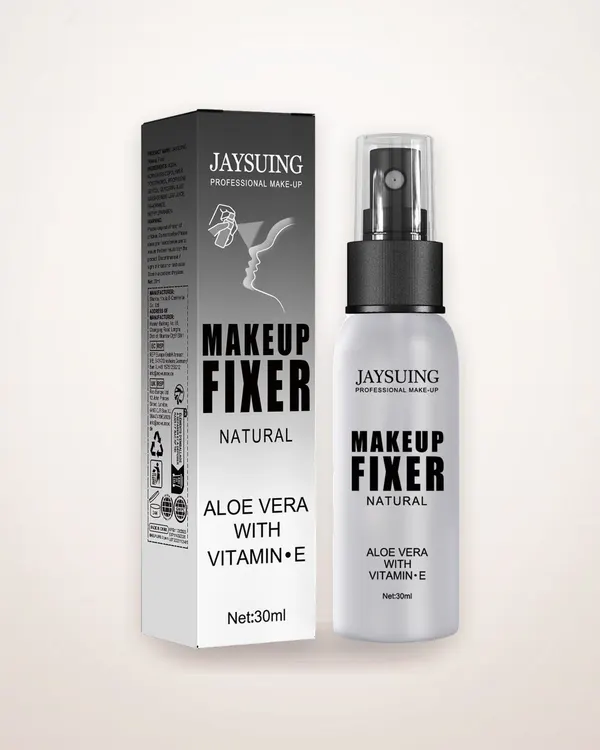
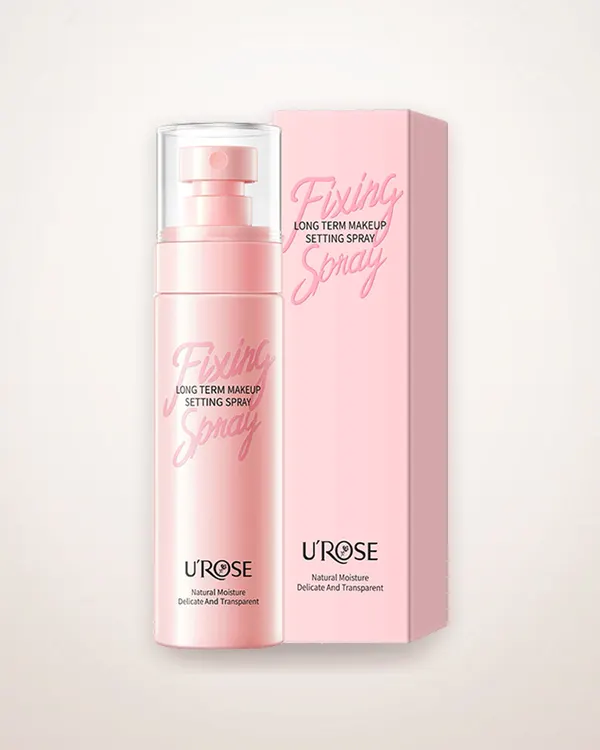
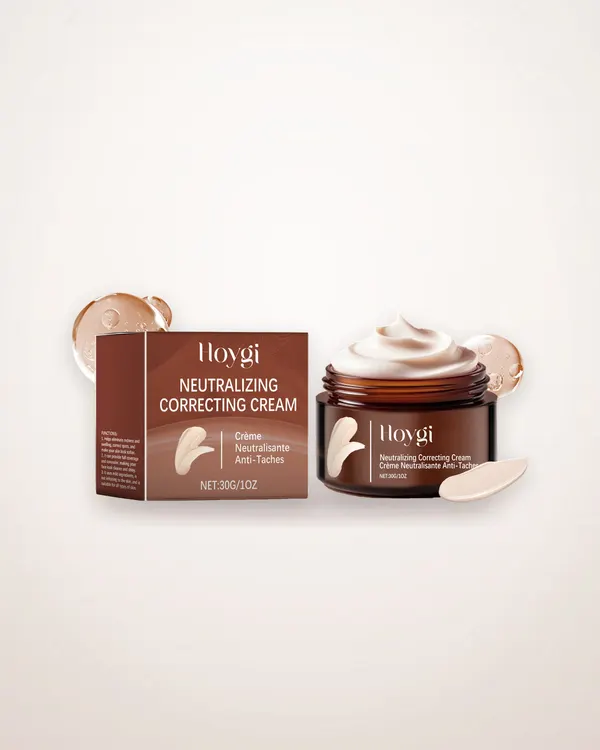
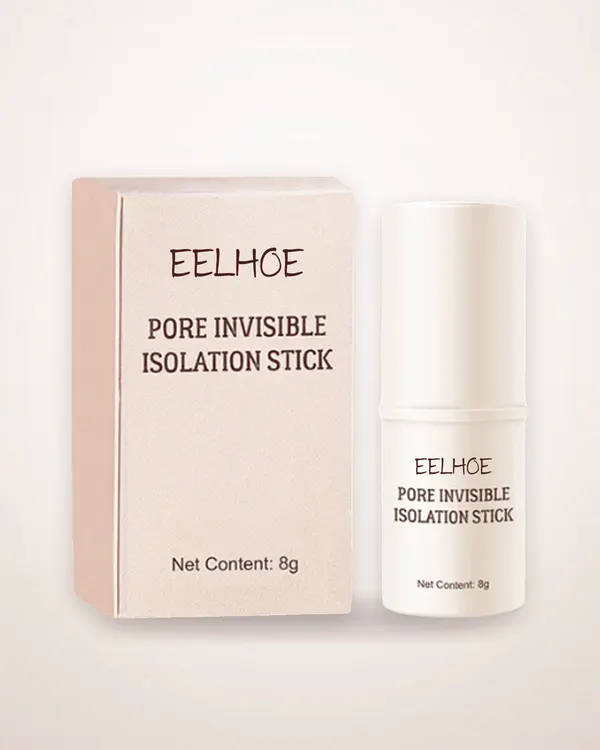
How to choose primers and setting sprays
Start with the job you want the product to do. A primer goes on before makeup and gives foundation, tint or powder a more even surface; a setting spray goes on at the end and helps hold the finished face. If your main concern is how base makeup sits, choose a primer. If it is how the finished look wears, choose a setting spray. Many routines use both, with the primer underneath and the mist last.
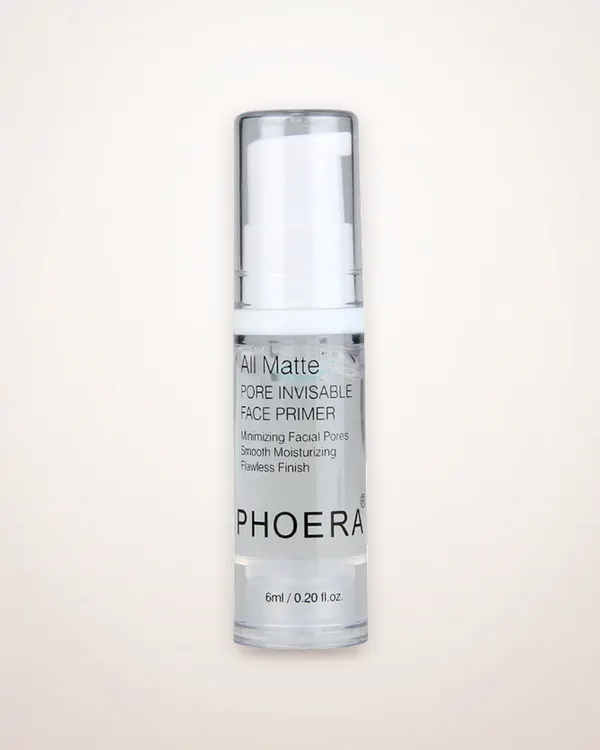
Look at the format next. This collection includes pump primers, a water emulsion, balm sticks and fine mists. A pump or emulsion is easy to spread over the whole face with fingers; a stick is useful for targeted smoothing or for a makeup bag. Setting sprays are misted over the finished face, so the nozzle and the evenness of the mist matter as much as the finish.
Think about finish and comfort together. Matte setting sprays suit a look that keeps shine in check, while sheer and natural-finish primers let more of your skin show through. If skin feels dry or tight after base makeup, look for a primer or mist described as hydrating or moisturising. The right choice is the one you will enjoy using in the morning and reaching for again later.
Formulas, finishes and shades
The pieces here are grouped by finish rather than by shade. You will find soft matte setting sprays, sheer and natural-finish primers, and balm or stick formats that leave a smooth surface. A matte mist is the choice when you want the finished face to look less shiny; a sheer primer is the choice when you want a lighter layer under makeup. Read the product name as the first clue, then check the detail for the texture.
Ingredients tell you about the feel. Glycerin appears in several mists, and hyaluronic acid appears in some primers and sprays; the product pages describe these as bringing moisture or keeping skin comfortable. Vitamin E and aloe vera appear in one matte mist. Titanium dioxide gives a transparent veil in one setting spray and a soft-focus finish in a balm stick. Niacinamide, panthenol and vitamin C sit in a sheer primer alongside glycerin.
Shades are minimal in this category. One primer stick is described as tinted for dark skin tones and is blended with a built-in sponge; other primers are clear, sheer or leave a glassy finish. If you want to keep your natural tone visible, choose a sheer or clear formula. If you want a little soft-focus help before foundation, a tinted balm stick may be the better fit.
How to apply and wear them
Begin with clean, moisturised skin and your usual skincare, then let it settle. For a pump primer, dispense one or two shots onto the back of your hand and blend a thin layer over the face before makeup. For a primer that comes as a cream or emulsion, smooth a small amount over the face with fingers or a sponge. A thin, even layer is easier to wear than a heavy one.
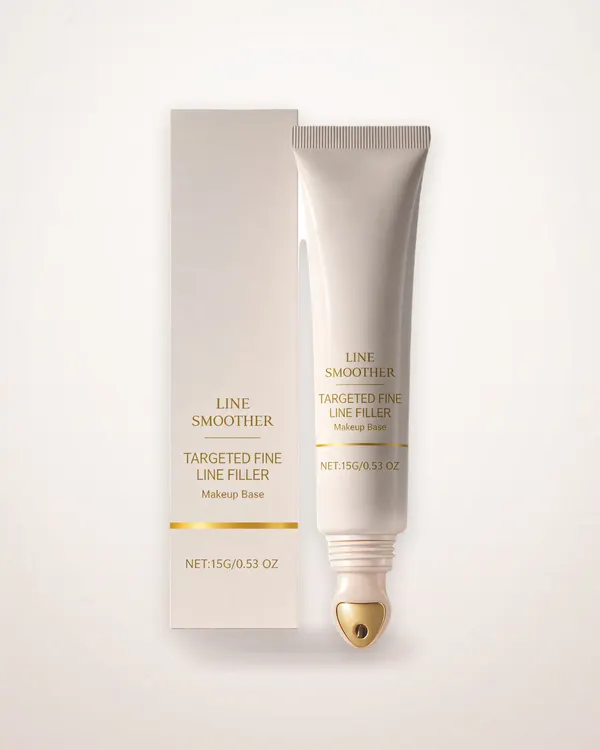
For a balm stick, sweep it over forehead, cheeks, nose and chin, then blend with the built-in sponge where the stick has one. The aim is a smooth surface, not a thick mask. Let the primer settle for about a minute before foundation if the formula needs it, then apply base makeup as usual. If you use a tinted stick, keep the layer light so your foundation colour still reads true.
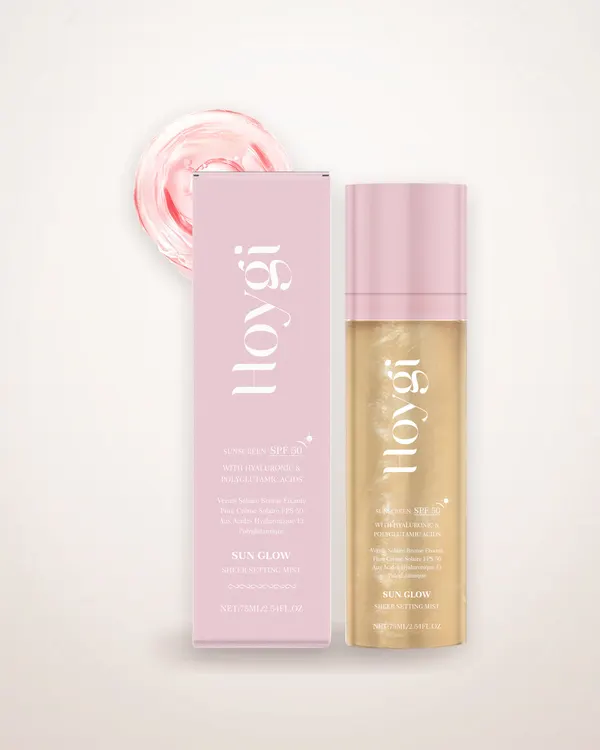
With a setting spray, finish your makeup first, then shake the bottle gently. Hold it 20-30 cm from the face and mist evenly, keeping your eyes closed. Let the mist dry down without pressing or rubbing the face. If you want extra hold in a warm room, a second light mist can help, but allow the first to dry before you do.
Hygiene, storage and shelf life
Keep the routine clean. Wash your hands before applying a primer, and keep the nozzle of a setting spray clean by wiping it after use. If a stick has a built-in sponge, wash the sponge regularly with mild soap and water, then let it dry fully before replacing it. Do not share applicators, and avoid dipping fingers into a pot if a pump or stick is available.
Store primers and mists upright, with caps closed, away from direct sun and heat. A bathroom shelf can be humid, so a drawer or cupboard is often better for a product you want to keep in good condition. Follow the period-after-opening symbol on the pack, and discard a product if the texture, colour or smell changes. A fine mist should spray evenly; if the nozzle clogs, wipe it rather than forcing it.
Standout pieces
- Lightweight Hydrating Makeup Primer: A lightweight, hydrating primer that settles in about a minute, so foundation has a smooth base or skin has a glassy finish when worn alone.
- Matte Setting Spray with Hyaluronic Acid: Titanium dioxide gives a transparent veil while hyaluronic acid and polyglutamic acid help skin feel hydrated under a soft matte finish.
- Sheer Smoothing Makeup Primer: A sheer primer with a natural finish, carrying niacinamide, panthenol and vitamin C alongside glycerin for a soft, even base.
More primers and setting sprays
Questions
Do I need both a primer and a setting spray?
A primer is applied before makeup to give it a more even surface, while a setting spray is misted over the finished face to help hold the look. You can use one or both; choose according to whether your main aim is the base or the final finish.
How much primer should I use?
Use a thin layer: one or two pumps onto the back of your hand for a pump formula, or a small amount smoothed over the face for a cream or emulsion. A balm stick can be swept lightly over the forehead, cheeks, nose and chin, then blended.
How do I use a setting spray without disturbing my makeup?
Finish your makeup, shake the bottle gently, then hold it 20-30 cm from the face and mist evenly with your eyes closed. Let it dry down without touching your face.
Can I use a primer stick over moisturiser?
Yes. A balm stick can glide over moisturiser, and one stick is designed to be blended with its built-in sponge. Sweep it over the face in a light layer before foundation.
More makeup buying guides
This guide is written with the help of AI from the details on our own product pages and checked automatically before it is published. Product facts come only from those pages. All buying guides · Gift guides · Beauty Journal