


Perfumes and colognes: how to choose
A practical guide to choosing a perfume or cologne by scent family, format and application, with pieces from our collection.
At a glance
- Prices today
- $8.99 to $34.99
- Colours
- rose
- Ingredients you will see
- glycerin, rose, castor oil, lavender
- Formats and finishes
- liquid
- Details
- portable
From the product pages of the pieces in stock now. Prices update with stock and are shown in your currency.
Shop perfumes and colognes
All Perfume & Cologne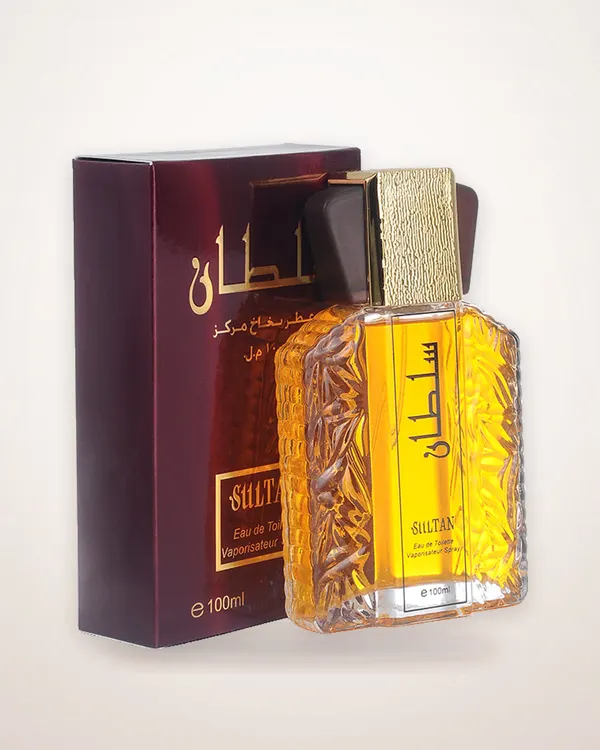
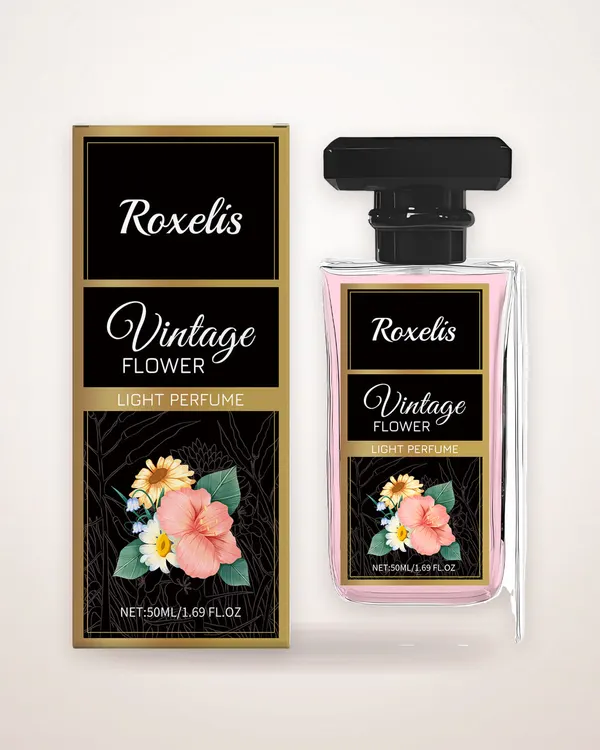
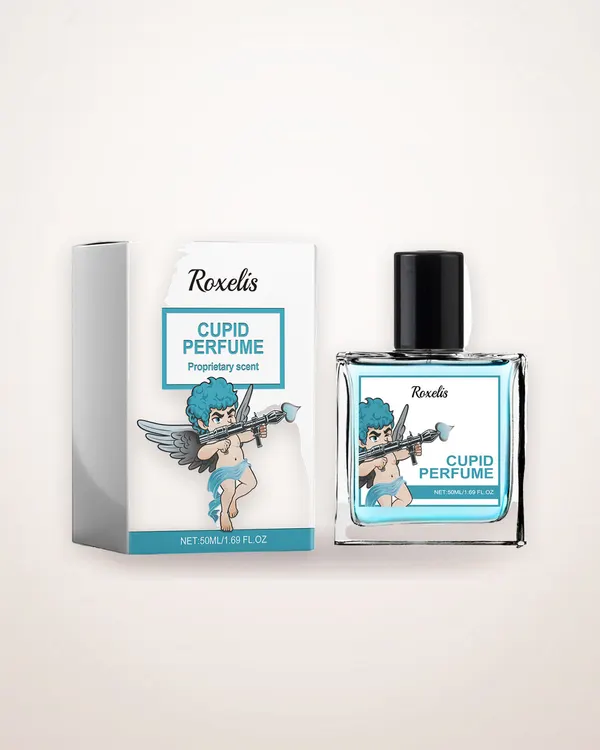
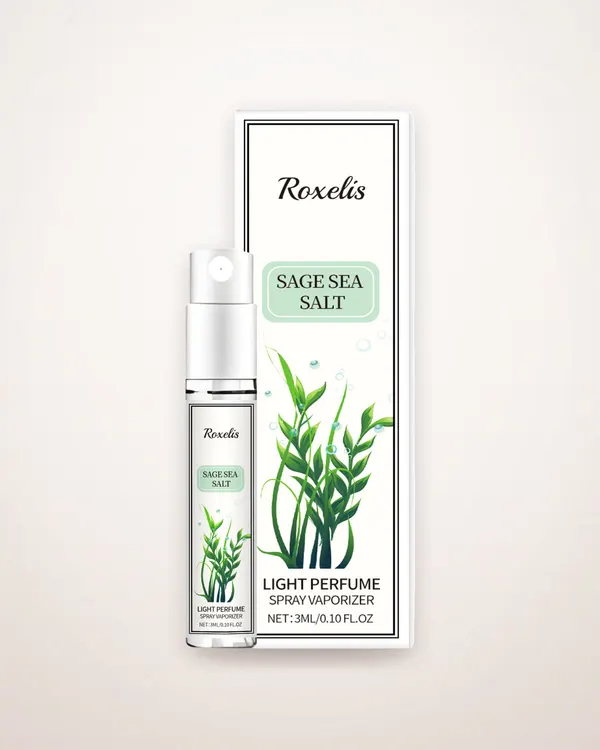
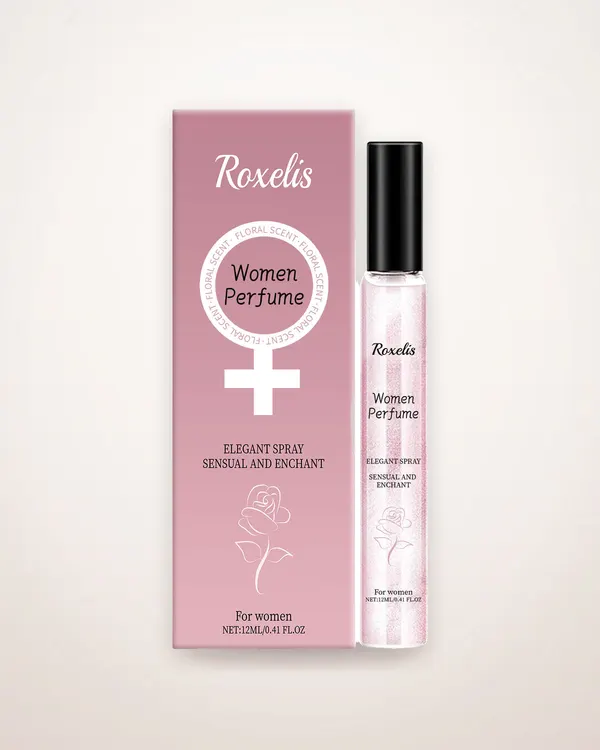
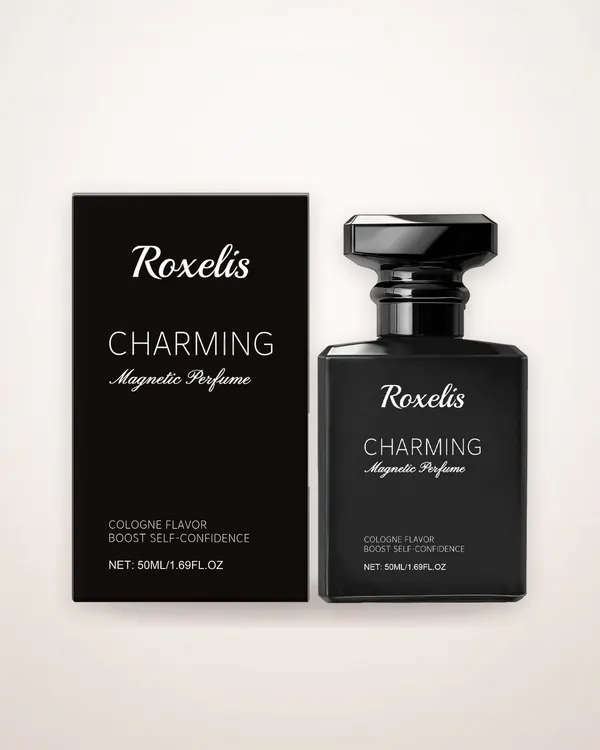
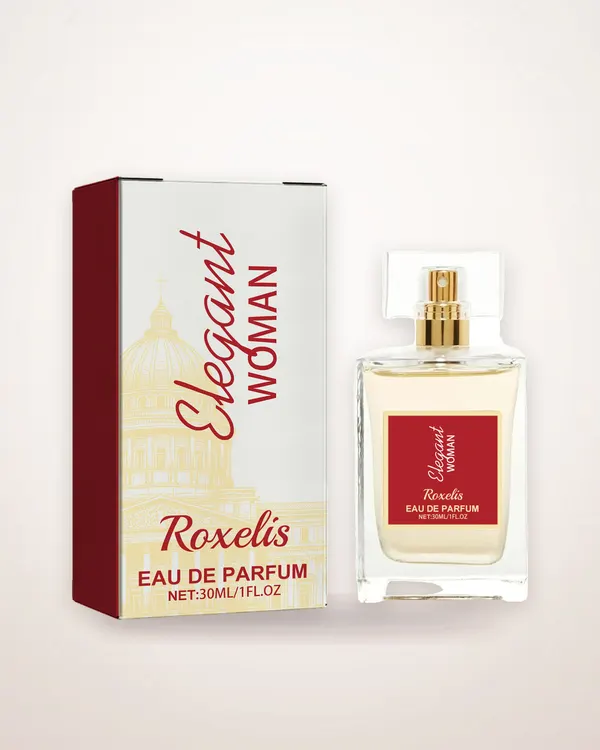
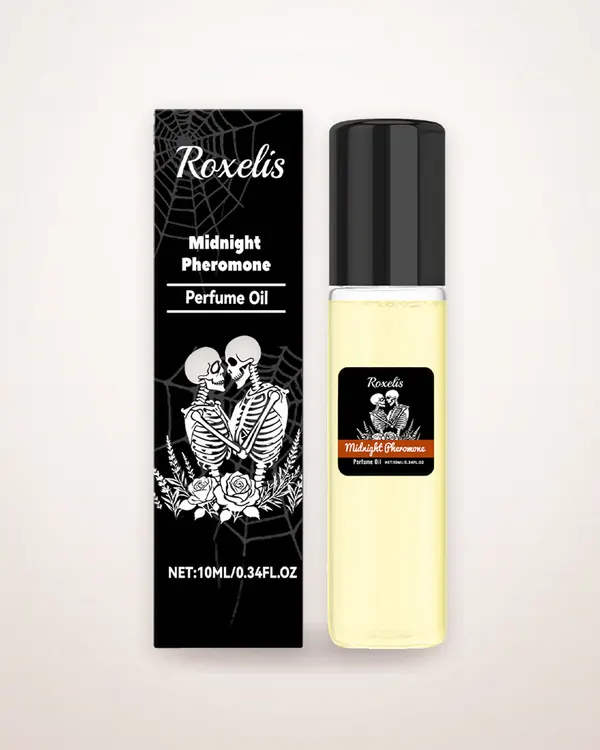
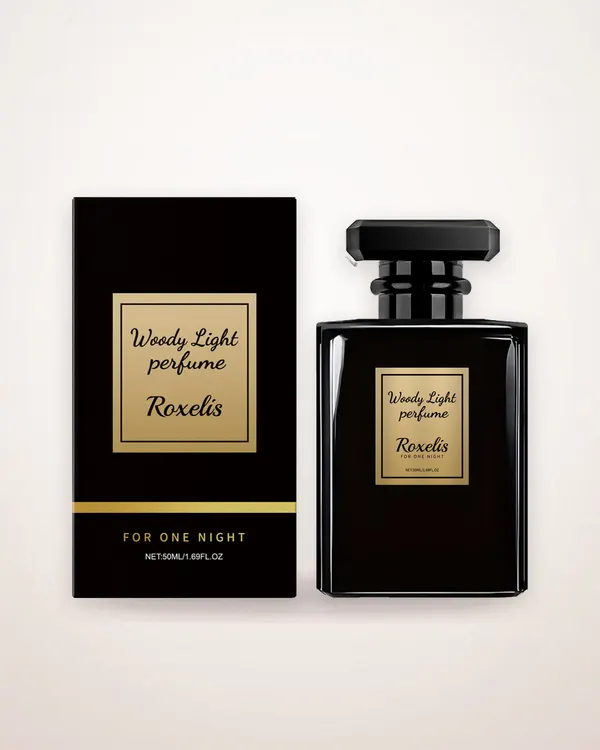
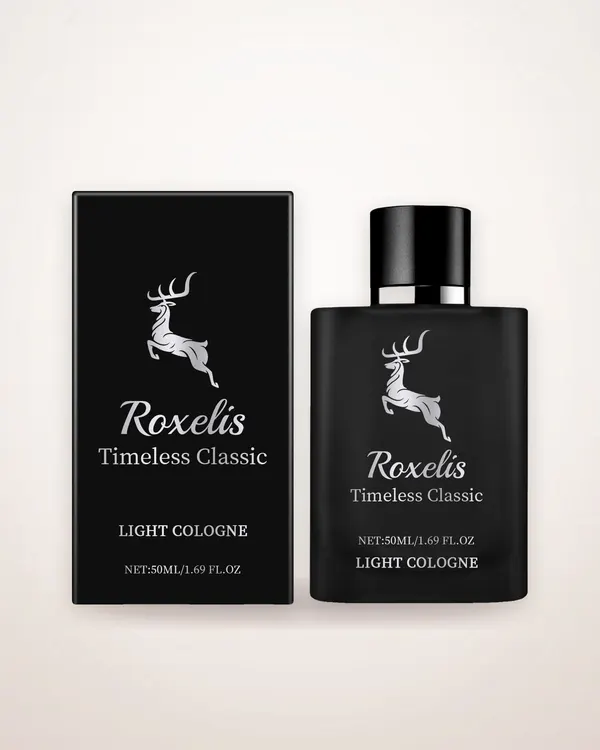
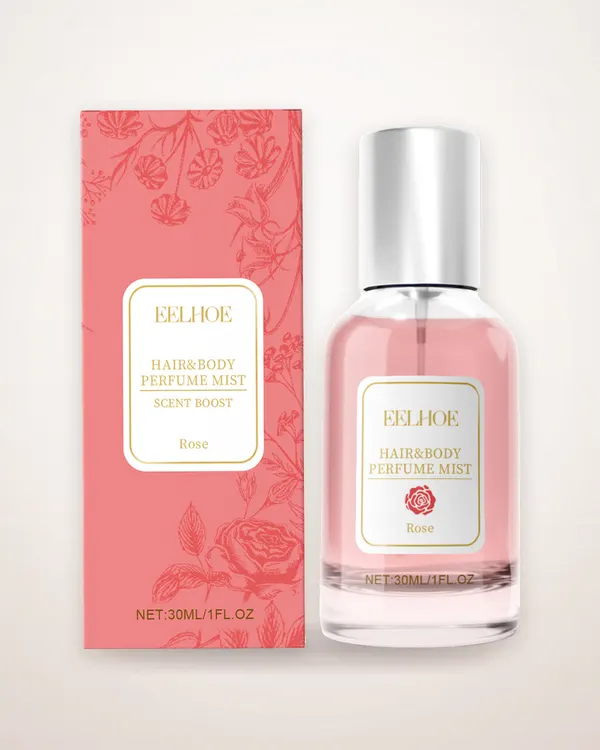
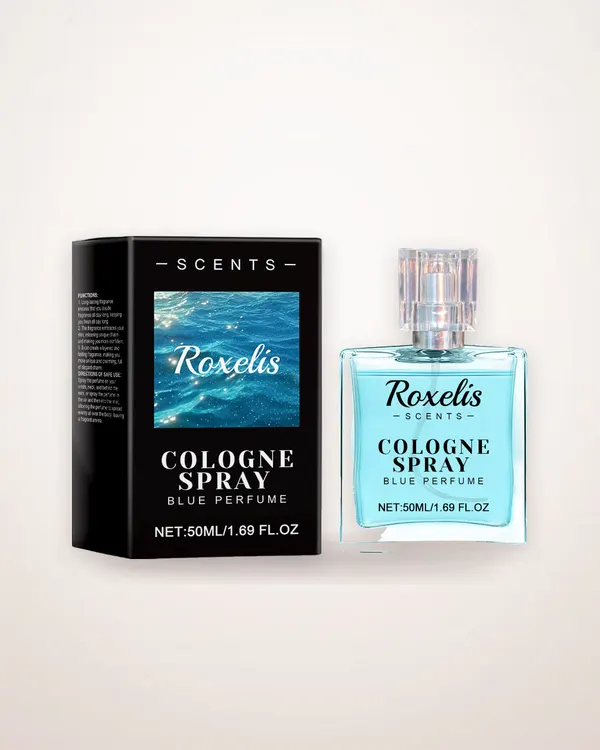
How to choose perfumes and colognes
Start with the scent family you naturally reach for. If you like petals, look at rose, jasmine, peony and honeysuckle; if you prefer warmth, consider sandalwood, cedar, patchouli, amber and cinnamon. Citrus openings such as bergamot and bitter orange give a fresher lift, while vanilla and peach round a composition. Read the opening, heart and base as a whole rather than judging from the first spray alone.
Then consider format. A 50 ml spray suits a dressing-table ritual and a second application before dinner; a 10 ml spray or roll-on is portable enough for a handbag or desk drawer. A set lets you live with a scent before committing to one bottle, and it can suit a gift when you are unsure of someone's usual family.
Think about where you wear it. A scent that sits close to the skin is easier in a shared office or on a commute; a richer woody or spiced trail feels more at home in the evening. If you are choosing for someone else, stay with a fresher floral or citrus unless you know they favour woods and spice.
Formulas, finishes and shades
The collection is built around sprays, roll-ons and a perfume set. Sprays land as a fine mist, whether from a 50 ml bottle or a 10 ml vial, while roll-ons release a measured trace of oil through a ball applicator. That makes the roll-on formats and small sprays the portable options for a bag or weekend case.
The names on the pieces describe their style: cologne, eau de toilette, eau de parfum and perfume. In general, these terms signal how the scent is built and how present it feels, but the notes are your clearest guide. The Arabian Rose and Sandalwood Perfume Set, for example, is built at a fragrance rate of 7-12%, with sandalwood and cedar at the base.
You will see rose and floral used across the collection as descriptions of scent character. Some formulas list glycerin; the Woody Cologne Eau de Toilette lists glycerin and PEG-40 hydrogenated castor oil. There are no finish choices to weigh here, so choose by format, notes and how close you want the scent to sit.
How to apply and wear them
Apply to pulse points: the inner wrists, the base of the throat and behind the ears. Spray from a short distance, then let the fragrance dry without rubbing the wrists together. Rubbing disturbs the opening and can make a scent feel flatter than it should.
With a roll-on, glide the ball lightly over the inner wrists, the neck and behind the ears, then let it settle without rubbing. The ball delivers a concentrated touch exactly where you place it, so one pass is usually enough to begin with. Add a second pass later if you want more presence.
For a softer veil, mist once and step through the cloud, or spritz before you dress. One or two sprays at the wrist and throat carry a working morning; a light layer before dinner brings the heart forward again. Keep the application close to the skin if you prefer a quiet trail.
Hygiene, storage and shelf life
Store bottles upright with the cap firmly closed, away from direct sunlight and heat. A dark drawer, box or cupboard is kinder than a sunny windowsill or a warm bathroom shelf. Keep roll-ons and sprays out of a hot car or a bag that sits in the sun.
Keep the applicator clean. Wipe the ball of a roll-on after use if it feels tacky, and avoid sharing a roll-on with anyone else. For sprays, wipe the nozzle occasionally and run a little warm water through the cap rather than the bottle.
Shelf life varies by formula and how the bottle is kept. If the scent changes sharply, the liquid darkens or the texture shifts, it is time to replace it. If your skin reacts, stop using the product and speak to a professional.
Standout pieces
- Arabian Rose and Sandalwood Perfume Set: Rose, jasmine and cinnamon open over citrus and mint, then sandalwood, cedar and vanilla settle in a composition built at a 7-12% fragrance rate.
- Jasmine and Patchouli Eau de Parfum: Jasmine opens with airy petal softness before smoky patchouli and dry wood bring depth, and the spray lands fine and even on the skin.
More perfumes and colognes
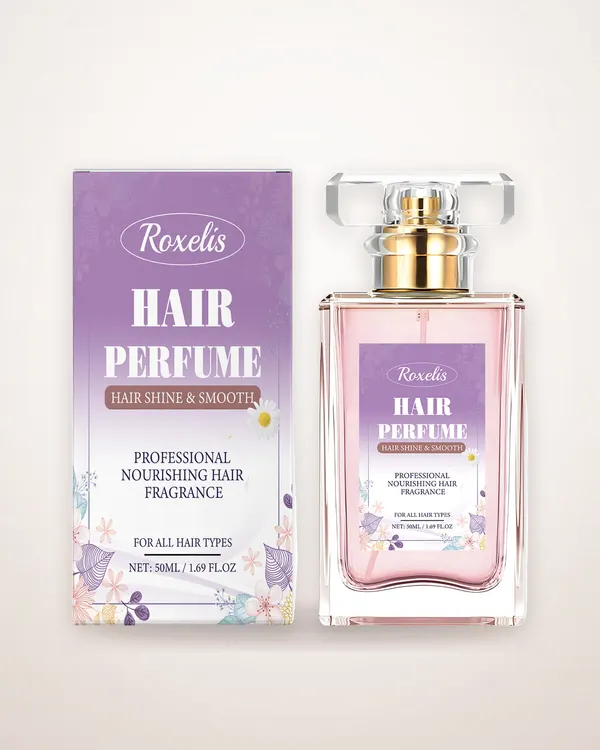
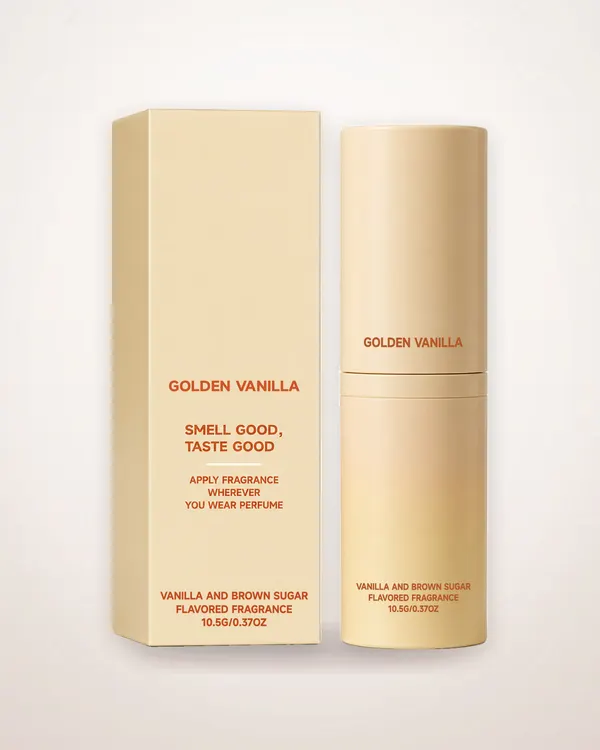
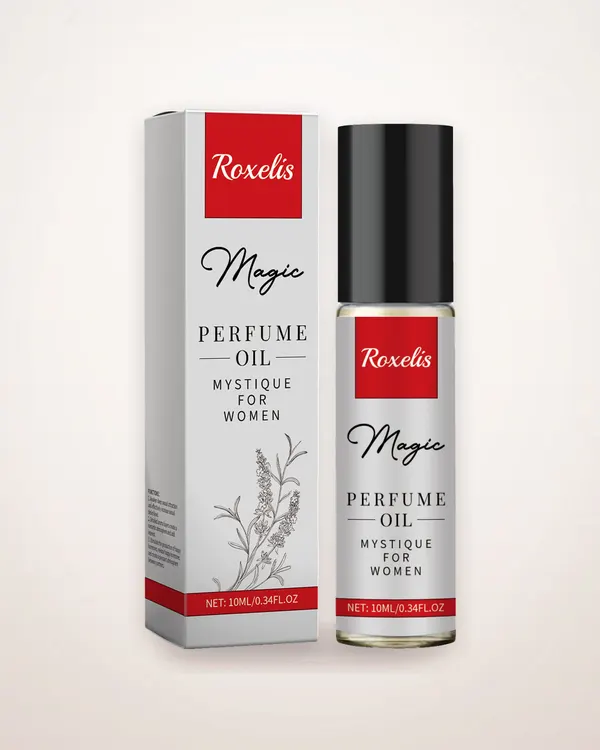
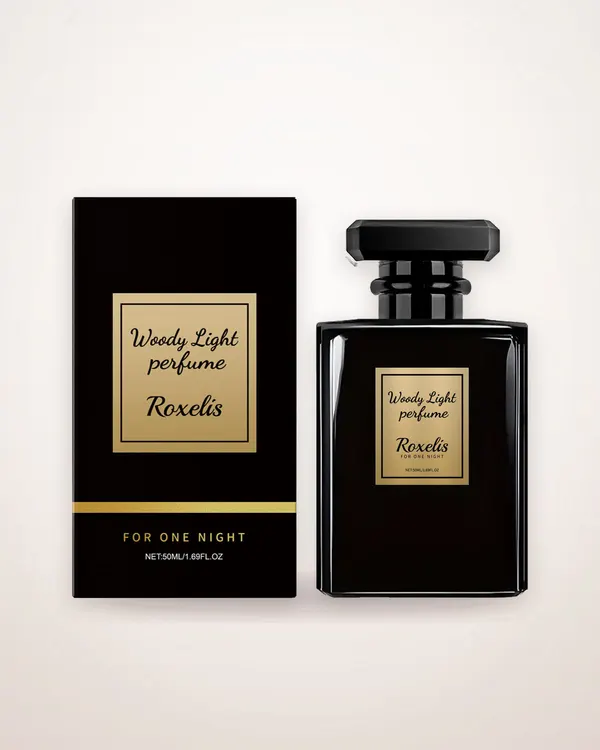
Questions
How do I choose between eau de parfum and eau de toilette?
Eau de parfum is generally richer and longer-wearing, while eau de toilette is lighter. In our collection, the names tell you the style, and the notes tell you whether it opens citrus, floral or woody. Choose the weight that matches your day.
Where should I apply perfume?
Apply to pulse points: the inner wrists, the base of the throat and behind the ears. Spray from a short distance or roll lightly, then let it settle without rubbing.
How can I make a fragrance last longer?
Start with clean, moisturised skin and apply to pulse points. Let each layer dry before dressing, and carry a small roll-on or 10 ml spray for a light later touch. Avoid rubbing, which disturbs the opening.
Can I layer two fragrances?
Yes, if you keep the pairing simple. Try a citrus or floral spray first, then a woody or amber roll-on at the wrist. Test on a small area and let both settle before deciding.
This guide is written with the help of AI from the details on our own product pages and checked automatically before it is published. Product facts come only from those pages. All buying guides · Gift guides · Beauty Journal