


How to use moisturiser and face cream
A practical guide to layering moisturiser and face cream, with steps for face, neck and dry patches, plus how to store each texture.
At a glance
- Prices today
- $4.99 to $25.99
- Colours
- cream, pink
- Ingredients you will see
- glycerin, collagen, hyaluronic acid, niacinamide, centella, salicylic acid, bee venom, allantoin
- Formats and finishes
- cream, balm, stick
- Details
- lightweight
Shop moisturisers and face creams
How to choose moisturisers and face creams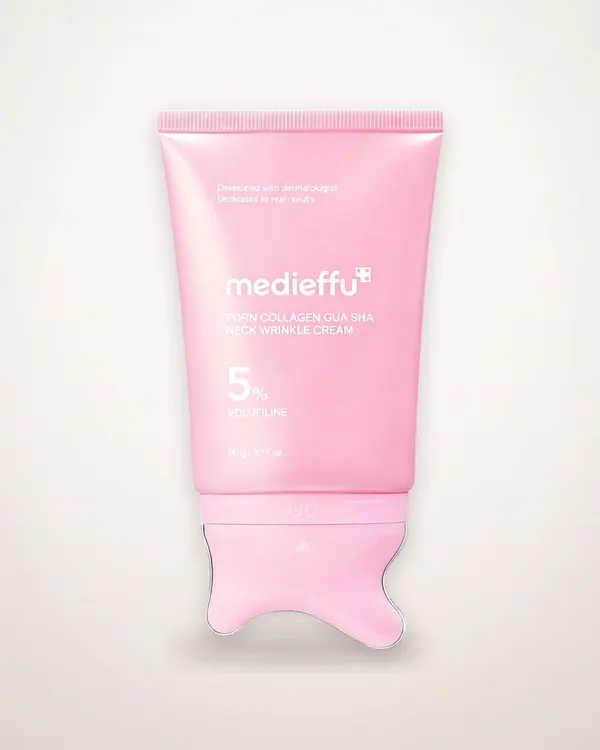
Before you start
A moisturiser and a face cream do the same basic job: they lay down moisture and help skin feel comfortable. The difference is texture. A gel or mist feels light in the morning, a cream or balm suits a slower evening routine, and a stick is handy for dry patches. Look at the finish first, then the ingredients. Our pieces come as cream, balm and stick textures, with ingredients such as glycerin, hyaluronic acid, collagen, niacinamide, centella and salicylic acid.
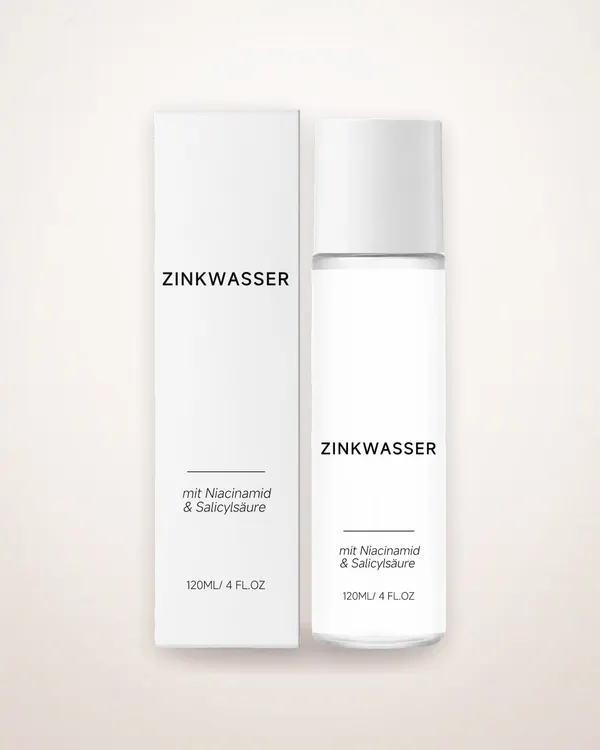
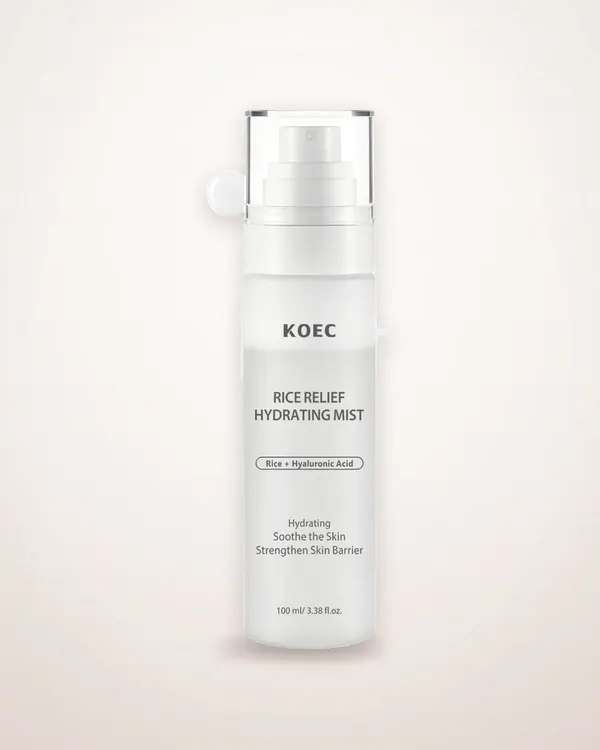
Start with clean hands and a clean face. Cleanse, then pat skin almost dry. A little water left on the skin helps a cream spread further, but you do not want a wet face. If you use a toner, sweep the Salicylic Acid Moisturizing Toner over the face with a cotton pad or press it in with your palms. The Rice Hyaluronic Moisturizing Face Mist is another option: shake it to blend the toner and lotion layers, then press it in. Give either a moment to settle before cream.
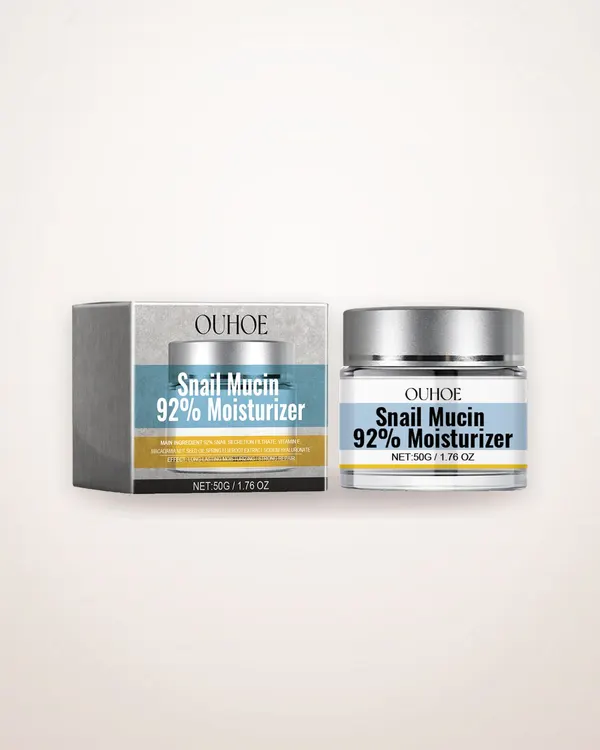
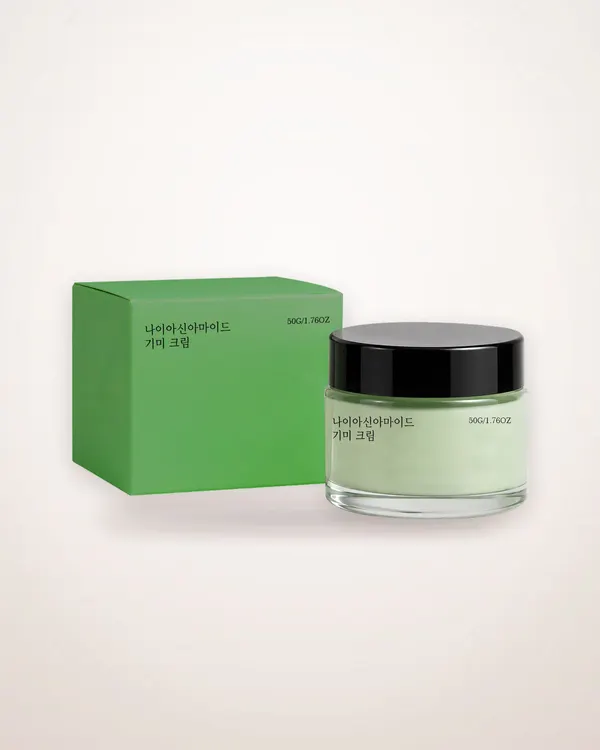
Choose one moisturiser for the face and one for the neck if you like. A neck cream can be lighter than a face cream, and the Collagen Gua Sha Neck Cream is made for a light layer from collarbone to jawline. If skin feels dry or tight after cleansing, a richer cream such as the Glycerin Moisturizing Face Cream or the Niacinamide Moisturizing Face Cream may feel more comfortable. If you prefer a fresh finish, try the Jelly Gel Face and Neck Cream or the Snail Mucin 92% Face Moisturizer. Test a new formula on a small area first. If it stings or irritates, stop and ask a professional.
Step by step
Warm a small amount of cream between your fingertips. A pea-sized amount is enough for the face and neck for most textures, though a gel may need a little more and a balm a little less. Start at the centre of the face and work outward, then take what is left down the neck. Use upward strokes from the collarbone to the jawline, and from the jawline to the cheekbones. Keep the pressure light. The aim is an even layer, not a massage you can feel in the morning.
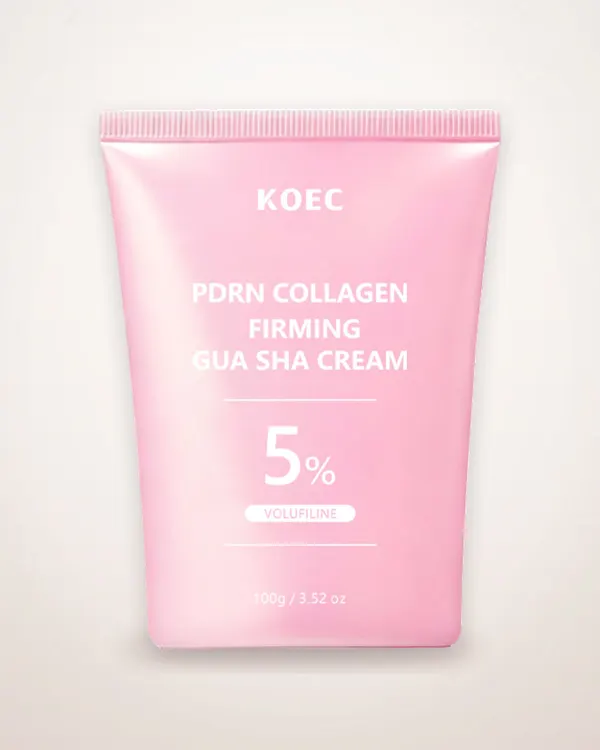
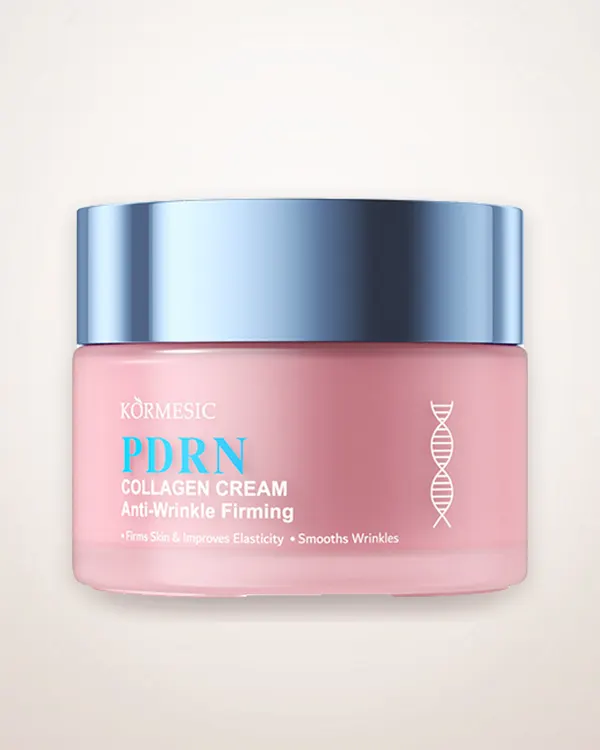
For a face cream, smooth a thin layer over the face and neck, then massage in gentle circles until it disappears. The Collagen and PDRN Face Cream is straightforward to use this way, morning or evening, after cleansing. The Collagen Salmon Face and Neck Cream is made for the face and neck and gives a gua sha stone an easy glide. If you use a gua sha tool, apply the cream first, then work in light upward and outward strokes. Do not drag the stone over dry skin. Wipe the tool clean after use.
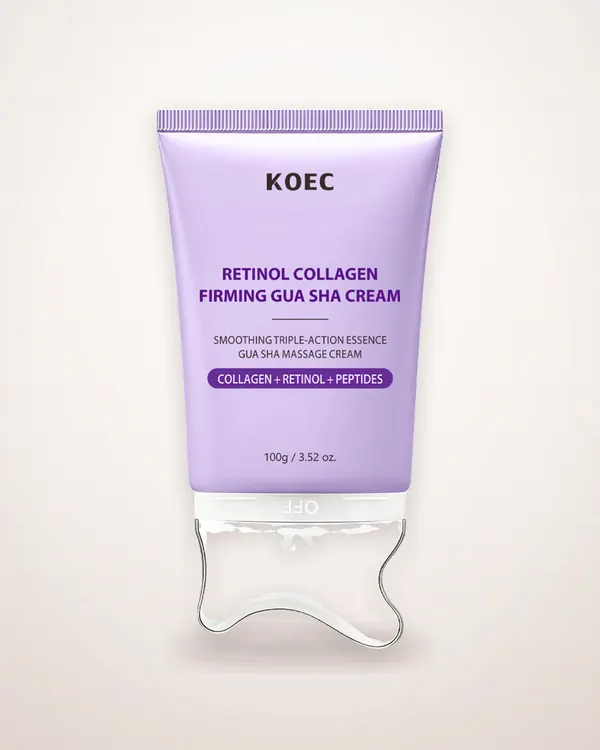
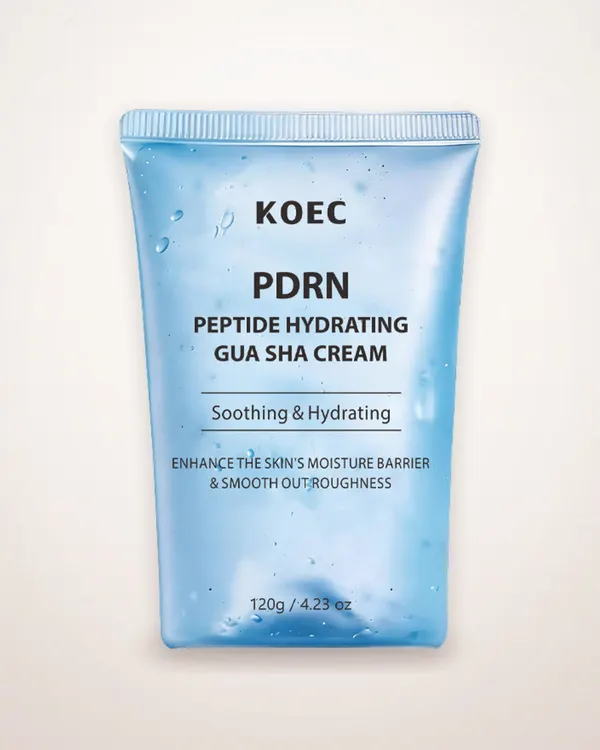
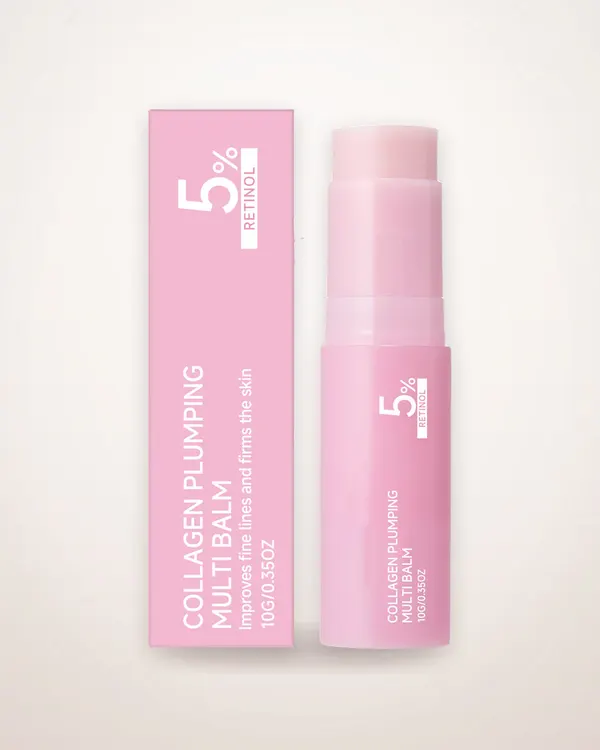
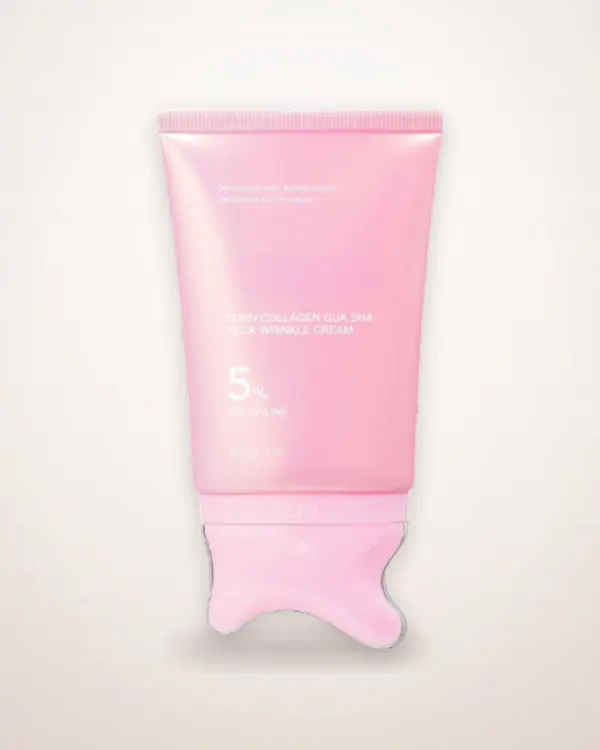
For the neck, use a thin layer over the neck, jawline and upper chest. The Retinol Collagen Gua Sha Neck Cream is designed for gua sha work along the neck, jawline and upper chest, so keep the layer even and thin. The Neck Gua Sha Massage Cream gives a tool gentle slip from jawline to shoulders. If you use a stick, glide it over dry patches on the face and neck, then blend the edges with your fingers. The Multi-Effect Collagen Moisturizing Stick is a pink balm with hydrolyzed collagen and tocopherol. Finish with a light press of your palms.
Wait a minute before makeup. If skin still feels tight, add a second thin layer rather than a heavy one. Keep the order light to rich: mist or toner, then serum if you use one, then moisturiser, then a balm or stick on dry patches.
Common mistakes and how to fix them
Using too much is the most common one. A thick layer can feel slick, pill under makeup or leave the neck sticky. Use less than you think, then add a little more only where skin feels tight. If a cream starts to roll when you rub it in, you have probably applied too much or layered it over a product that has not settled. Wait a moment between steps.
Rubbing downward or tugging at the neck is another easy habit to break. Smooth upward from the collarbone to the jawline, then along the jaw. Keep your fingers flat and your touch light. If you use a gua sha stone, let the cream do the work. The Collagen Gua Sha Neck Cream and the Neck Gua Sha Massage Cream both give slip. Slow, short strokes are better than long, fast ones.
Skipping the neck and upper chest leaves a visible change in texture between face and neck. Take your cream down the throat and over the collarbones. If you prefer a separate neck cream, use it after your face cream or instead of it on the neck. Do not forget the sides of the neck and the area behind the ears, but keep the layer thin there.
Mixing too many strong formulas at once can leave skin feeling tight or looking flushed. If you use a salicylic acid toner, a retinol neck cream and a rich face cream in the same routine, introduce them one at a time. If skin feels uncomfortable, go back to a simple cleanse and moisturise routine for a few days. If a concern persists, speak to a professional.
Hygiene, storage and shelf life
Wash your hands before you open a jar or use a stick. Keep the rim clean and close the lid properly after each use. If you use a spatula, wipe it after every use. For a stick, glide it over clean skin and wipe the surface with a clean tissue if you have used it on a spot that feels irritated. Do not add water to a cream to stretch it. That changes the formula and makes it more likely to spoil.
Store creams, balms and sticks in a cool, dry place away from direct sun. A bathroom shelf is fine if the room does not get hot and steamy for long periods. The Rice Hyaluronic Moisturizing Face Mist comes in a 100 ml bottle, so keep the cap tight and stand it upright. The Snail Mucin 92% Face Moisturizer is a 160 g cream and the Collagen Salmon Face and Neck Cream is 152 g, so both are easy to dip into with clean fingers. The Niacinamide Moisturizing Face Cream and the Collagen and PDRN Face Cream are 50 g.
Follow the date or period after opening on the packaging. If a product changes smell, colour or texture, stop using it. Do not keep a cream past its stated shelf life just because there is some left. Clean your gua sha tool before and after each use, and let it dry fully. A clean tool and a closed jar are simple habits that keep your routine pleasant.
Standout pieces
- Jelly Gel Face and Neck Cream: A bouncy jelly cream for face and neck that melts into a fresh, cushioned finish and sits well under makeup or on bare skin.
- Niacinamide Moisturizing Face Cream: A 50g face cream with niacinamide, hyaluronic acid and centella, blended for cushioned moisture that leaves skin feeling supple and comfortable.
- Multi-Effect Collagen Moisturizing Stick: A pink moisturizing stick with hydrolyzed collagen and tocopherol that glides over dry patches on the face and neck.
- Collagen Gua Sha Neck Cream: A light neck cream with collagen and PDRN that sinks in quickly and leaves skin feeling soft, supple and ready for a gua sha massage.
Questions
Do I need both a moisturiser and a face cream?
Not always. Many face creams are moisturisers, so choose one texture that suits your skin and the time of day. If you like a light morning layer and a richer evening layer, use the lighter one first and the richer one at night.
How much moisturiser should I use on my face and neck?
A small amount, about a pea-sized amount for the face, is usually enough. Add a second thin layer on the neck or on dry patches rather than applying one heavy layer everywhere.
Can I use a moisturizing stick over makeup?
A stick is easiest on clean skin or over bare dry patches. If you use it over makeup, tap a small amount on the patch and blend the edges with your fingertip. Do not drag the stick across a full face of makeup.
How should I store face cream and neck cream?
Keep the lid closed and store them in a cool, dry place away from direct sun. Use clean hands or a clean spatula, and follow the date or period after opening on the packaging.