


How to care for human hair wigs
How to wash, dry, store and restyle human hair wigs, with notes on lace hairlines and the pieces we stock.
At a glance
- Prices today
- $17.99 to $199.99
- Colours
- black, brown, red, orange
- Materials
- human hair, lace
- Finishes
- glossy, natural finish
Shop human hair wigs
How to choose human hair wigs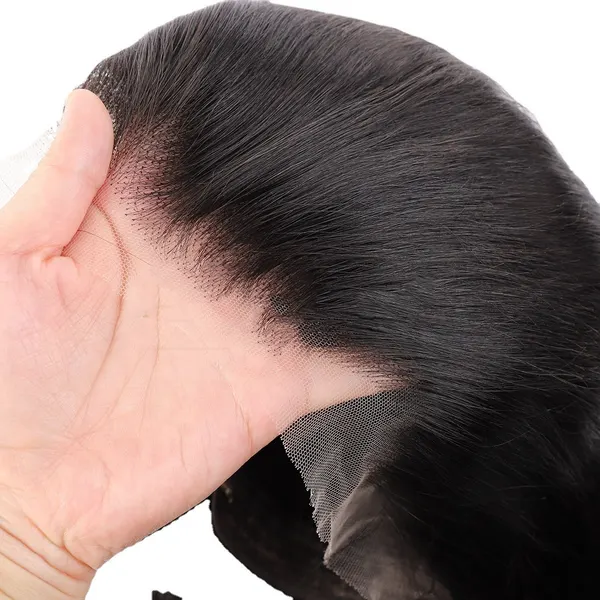









Everyday care for human hair wigs
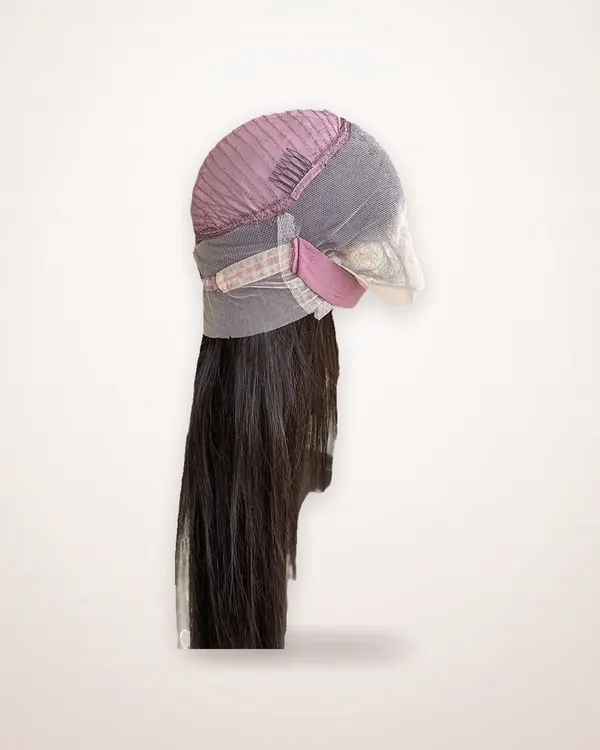
Start with the fit, because everything else follows from it. Plait or pin your own hair flat against your head, then ease the wig on front to back and settle the lace just behind your natural hairline. Trim any excess lace before you secure it, following your own line rather than the edge of the cap. A lace front that sits flat and follows your hairline needs far less fiddling through the day.
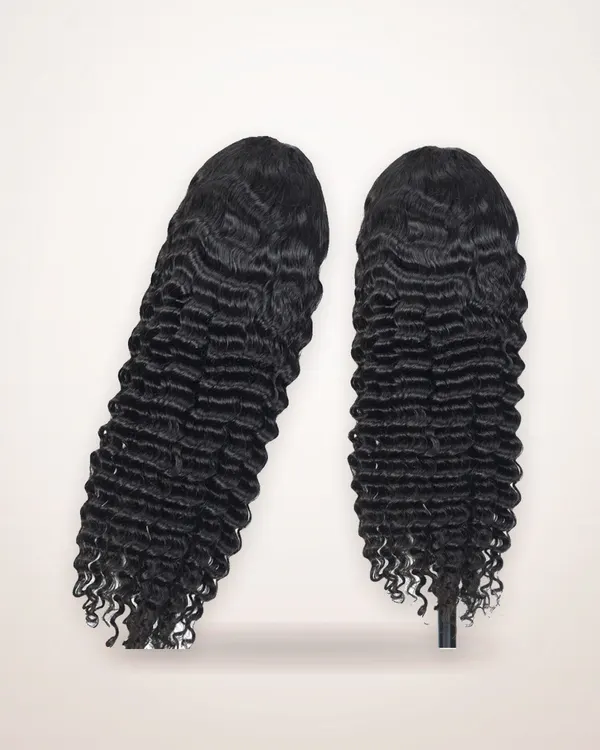
Brush less than you think. Finger-comb first, then work from the ends upward with a wide-tooth comb, holding the mid-lengths so you are not pulling at the roots or the lace. Curly pieces such as kinky curls should be combed damp and left alone once dry, or the pattern will break up into frizz. Straight and body wave pieces can take a soft bristle brush once the tangles are out.
Human hair holds a shape, so heat styling is part of the routine for many of our pieces. Keep the iron or wand on a low to medium setting, use a heat protectant, and work in small sections. At the hairline, keep heat away from the lace itself. On a glossy finish, a drop of light serum on the ends is usually enough, since too much product dulls the shine you started with.
Cleaning by material
Wash in lukewarm water with a mild shampoo, diluting a small amount first. Support the cap in one hand and let the water run down the length instead of scrubbing the lace. Rinse until the water runs clear, then apply conditioner from the mid-lengths to the ends and keep it off the knots at the front. Blot with a towel, never wring.
Drying depends on the texture. Straight and body wave pieces dry well on a stand, combed once while damp and left to fall into place. Kinky and curly pieces should be scrunched back into shape and left to dry without brushing, then separated with your fingers once dry. A medium-long piece, or anything in the 24 to 30 inch range, takes longer, so give it time rather than reaching for a hot dryer.
Lace needs its own care. Wash the front panel gently, blot it flat against a towel and let it dry without stretching, or the hairline will pull out of shape. Coloured tones like wine red or ginger hold better with cooler water and fewer washes. Two washes a month is plenty for most people, and less for curly pieces.
Storing them well
A wig stand or head form is the kindest way to store a shorter piece, keeping the cap in shape and the lace flat. Long lengths, 24 to 30 inches, should be looped loosely rather than hung from one point, which pulls the weight down and stretches the crown. A breathable bag keeps dust off without trapping damp.
Keep the lace smooth. Lay the front panel flat against the form, cover the piece with a hair net so the hairline keeps its shape, and store it away from direct sun and radiators. Heat and light dry human hair out over time and dull the finish. Short bobs with bangs store best with the fringe smoothed flat against the forehead rather than folded back.
For travel, roll the length loosely, place the piece in a box or a firm pouch and keep the lace against a smooth surface rather than a zip or a seam. If the hair has been styled, let it cool completely before packing, or the bend will set in the wrong place.
Small repairs and touch-ups
Dry or frizzy ends usually need a trim rather than more product. Take half a centimetre at a time on dry hair until the line looks even again. On the short straight piece the long bangs can be trimmed or swept aside, and it is easier to take a little more than to wish you had taken less.
If a lace edge lifts, clean the skin first, since oil or moisturiser stops it pressing down, then trim any lace that sits beyond your hairline and press the edge flat. Pre-plucked hairlines with baby hair need a light touch: comb them into place with a small brush rather than cutting them. Bleaching knots and correcting colour are jobs for a professional.
For shedding, deal with the tangle that caused it. Work through in sections with your fingers, then a wide-tooth comb, starting at the ends. To bring a wave back, mist the section with water, bend it round a finger or a soft roller, and let it cool before releasing.
Standout pieces
- 13x6 Body Wave Lace Front Human Hair Wig: The 13x6 lace panel gives depth at the crown so you can part the loose body wave where you like, and the real human hair takes heat and colour.
- HD Lace Human Hair Wig: Hand-woven HD lace keeps the hairline fine and sheer against skin, and the hair can be straightened, curled, dyed or permed.
- Body Wave HD Lace Front Human Hair Wig: Cuticle-aligned Brazilian hair in deep wine red, with bleached knots and baby hairs set along a transparent 13x4 HD lace front.
- 360 Lace Virgin Human Hair Wig: The 360 Swiss lace runs the whole way around, so you can part where you like and gather it into a ponytail or a low bun.
Questions
How often should I wash a human hair wig?
Every eight to ten wears is a sensible rhythm for straight and wavy pieces, and less often for curls. Wash sooner if the hair feels heavy or the lace looks dull. Over-washing dries human hair out.
Can I use straighteners on a human hair wig?
Yes, on pieces made from real human hair, which can be heat styled. Keep the heat low to medium, use a protectant and work in small sections. Keep the iron away from the lace at the front.
How do I stop a lace front from lifting?
Start with clean, dry skin and trim the lace back to your hairline before you press it down. Oils and moisturiser at the hairline will stop the edge sitting flat. Press the lace with the pad of your finger and give it a moment to settle.
Can I dye a human hair wig a different colour?
Some of our pieces state that the hair can be dyed, so check the piece you are considering. Going darker is simpler than going lighter, and a colourist is the safer route for a big change. Test a small hidden section first.