


How to care for hair extensions and bangs
A practical guide to washing, storing and repairing hair extensions and bangs, with fitting notes for the human hair pieces in our range.
At a glance
- Prices today
- $3.99 to $113.99
- Colours
- black, brown, red, wine, grey, gold
- Materials
- synthetic, human hair, silk, lace, heat-resistant fibre
- Details
- lightweight
Shop hair extensions and bangs
How to choose hair extensions and bangs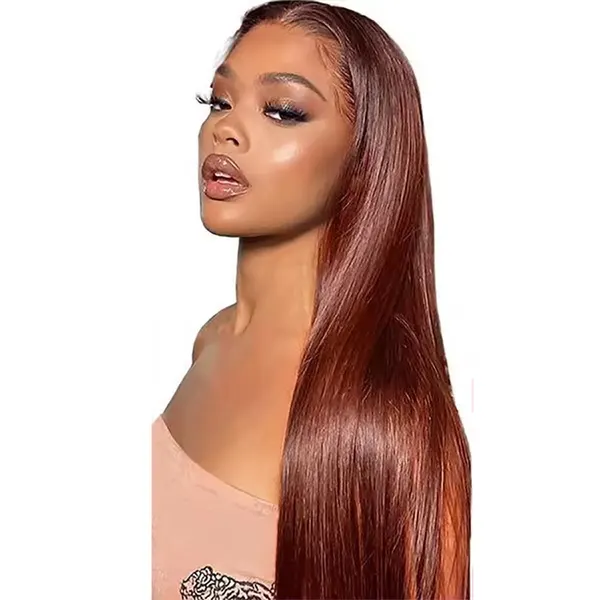
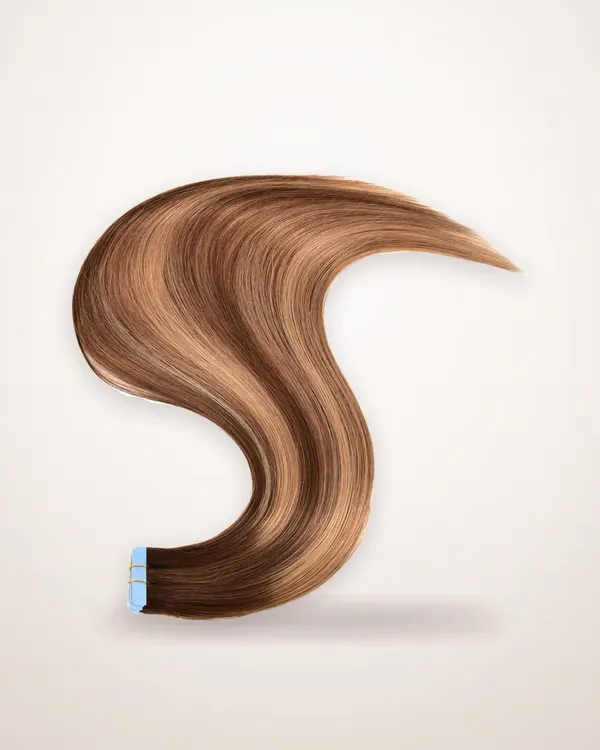
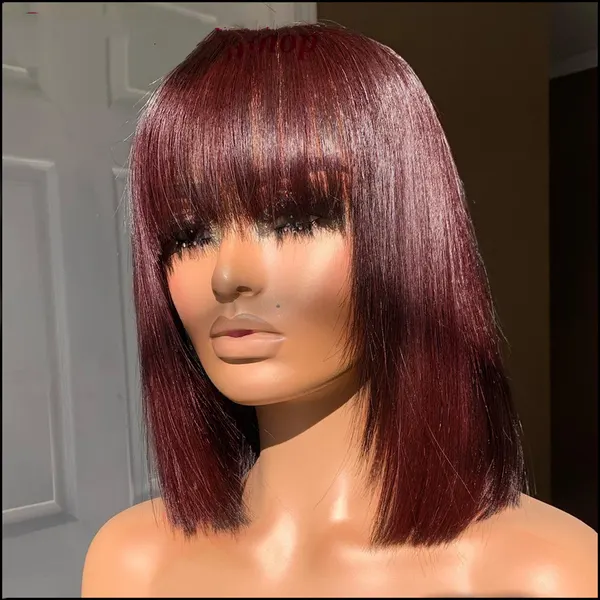
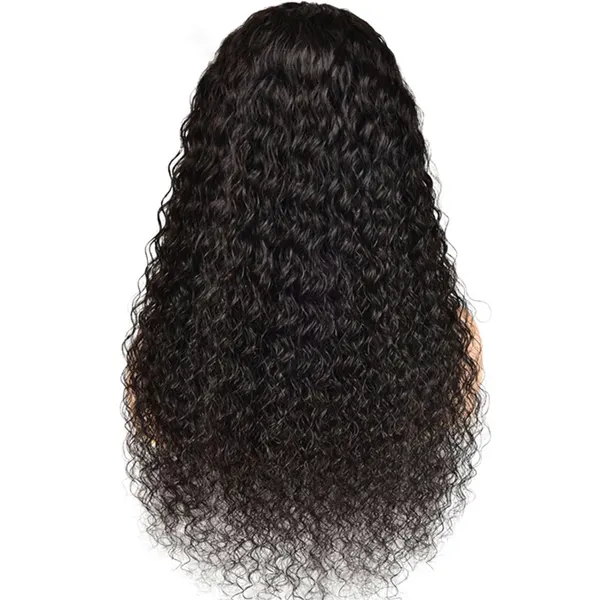
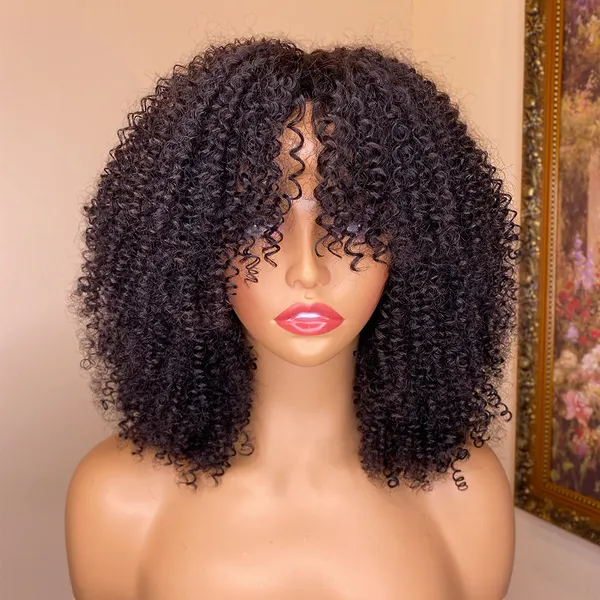
Everyday care for hair extensions and bangs
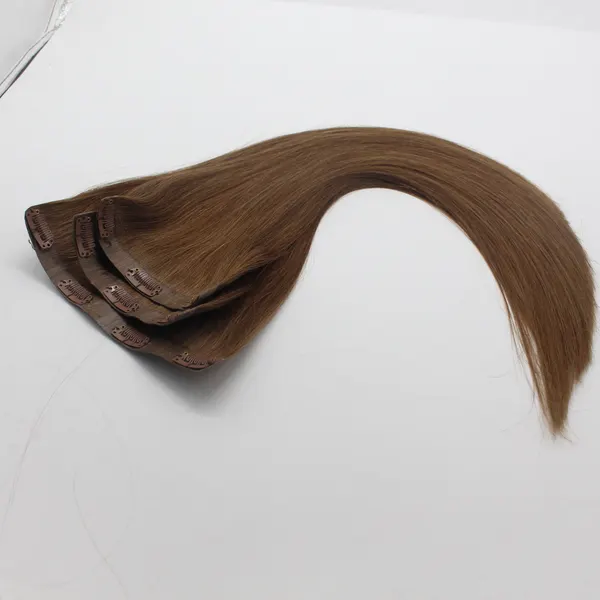
Start with dry hair and a wide-tooth comb. Work from the ends upward before you fit a piece, because this loosens tangles without pulling at the root. For clip-in pieces, section your own dry hair and clip the weft close to the root, then blend with a comb or a burst of cool air. For a lace front, settle the cap first, trim the lace to follow your hairline, and part the 13x4 section where you want it. A T-part piece sits best when the T-shaped lace follows your natural part and is secured at the front and nape.
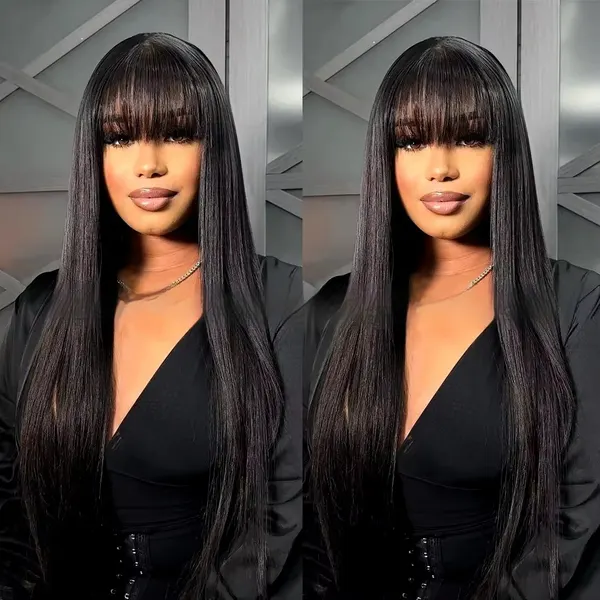
Bangs need a lighter hand than the rest of the hair. Ease the fringe into place with your fingers, then comb it downward. Keep styling product light, since a heavy hand makes a fringe look stiff. If you wear a wig with a curved fringe, comb it straight across for a soft line or sweep it to one side. The same piece can read neat or relaxed depending on that one choice.
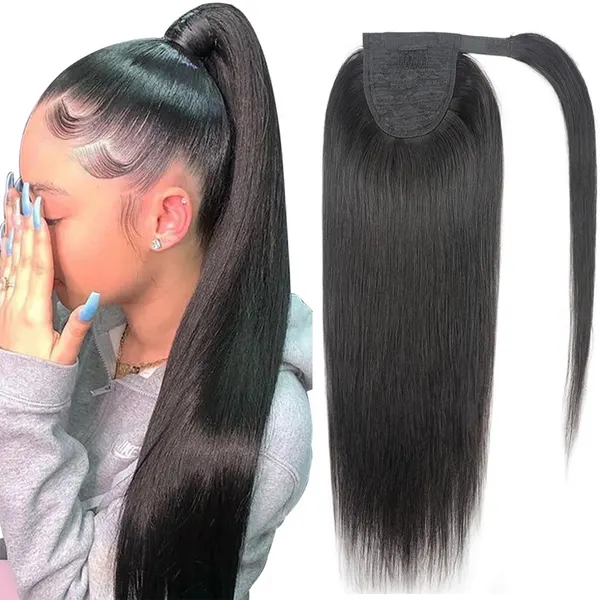
Take pieces off before bed. Sleep is hard on clips, lace and bounce. A wig on a stand keeps its shape, and clip-ins laid flat in a breathable bag avoid creases. For a Velcro ponytail, gather your own hair at the height you want, tie it, place the wrap over the tie and press the Velcro flat against the crown so the join disappears. Do that step with dry hair and clean hands.
Cleaning by material
Human hair holds oils and styling product, so wash it when it feels weighed down rather than after every wear. Use cool or lukewarm water and a gentle shampoo. Let the water run down the lengths instead of rubbing the hair against itself. Rinse well, apply conditioner to the mid-lengths and ends, then rinse again. Blot with a towel, do not wring, and let it air dry on a stand or a clean towel. Comb from the ends upward once it is dry.
Synthetic and heat-resistant fibre pieces need a gentler wash and less heat. Wash in cool water with a mild soap, move the piece gently, and rinse until the water runs clear. Do not rub or twist it. Dry it flat and away from direct heat. If you use a styling tool, keep it low and test on a hidden strand first, because fibre can hold a mark from heat.
Silk and lace parts are the delicate sections. Spot clean them by hand with cool water and a little mild soap, then blot with a towel. Do not wring lace, and do not let a silk section sit wet in a heap. Dry flat with the lace kept smooth. A lace front or T-part cap should be fully dry before you wear it again, so the front edge does not stretch out of shape.
Bangs can be washed with the piece or spot cleaned on their own. Comb the fringe downward while it is wet, then shape it with your fingers as it dries. Do not brush a wet fringe back and forth. If the rest of the piece is dry and only the fringe needs a refresh, a damp cloth and a cool tool are usually enough.
Storing them well
Store wigs on a stand or a rounded form that fills the cap. Put a little tissue inside the cap to hold the shape, and keep the lace flat rather than folded over. A short wig with bangs should rest with the fringe smooth and untucked, so the brow line does not crease. For a longer piece, let the lengths fall free instead of coiling them tight around the stand.
Clip-in extensions and ponytail wraps store best when they are clean and dry. Comb each weft, then lay it flat or loop it loosely in a breathable bag. Do not press a Velcro band onto loose fibres or lint. Press it flat against itself, and keep the band clear of hair so it holds well next time.
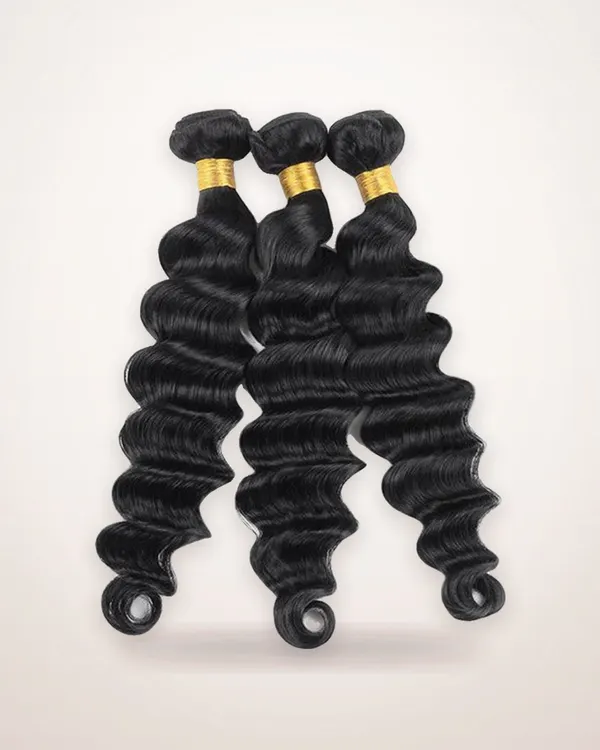
Curly pieces need room. Do not crush a curly set into a small box or comb it dry just to make it fit. Gather it loosely, let it rest without weight, and keep it away from rough hooks or sharp edges. Silk and lace parts should sit smooth, with nothing heavy on top.
Keep stored pieces out of direct sun and away from damp. A dry, shaded drawer or shelf is better than a bathroom. If you store a piece for a long stretch, check it now and then for dust and creases, and reshape the cap with your hands.
Small repairs and touch-ups
Small fixes save a piece from a bigger job. If a clip feels loose, resew it with matching thread and a few firm stitches, following the original holes. Do not use superglue near hair or lace. If a Velcro band stops holding, remove lint with a comb, press the band flat, and ask a tailor to sew on a new band if the old one has lost its grip.
Lace can lift at the front edge after wear. Clean the edge gently, make sure the skin and lace are dry, then follow the adhesive maker's instructions. Trim only frayed lace, not the hairline. A tiny trim can tidy the edge, but cutting too far back leaves less to work with.
Frizz at the ends is common on human hair. Comb from the ends upward and trim split ends sparingly with sharp scissors. Take off a little at a time, because it is easier to take more than to put it back. For synthetic fibre, a burst of cool air and a light comb can settle the surface, but keep heat away from the ends.
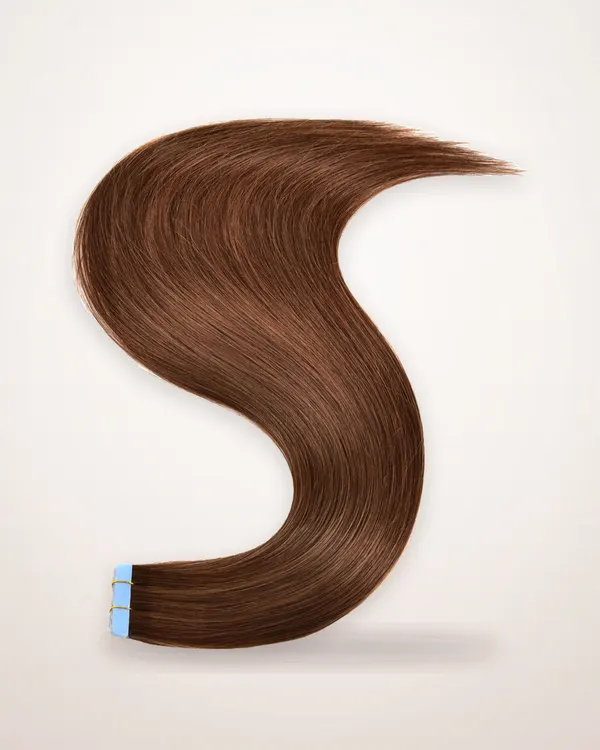
Bangs grow out of shape faster than the rest. Trim them dry, in small snips, with the fringe combed downward. If you are unsure, take less than you think you need. For a curved fringe, comb it straight across or sweep it to one side before you decide where to trim. A straight human hair piece can be dyed where the product page says it can, and a strand test first saves surprises.
Standout pieces
- 13x4 Straight Lace Front Wig, Side Bangs: The 13x4 lace front gives room to part the hair and shape side bangs, and the straight human hair comes in 150, 180 or 210 percent density and lengths from 10 to 30 inches.
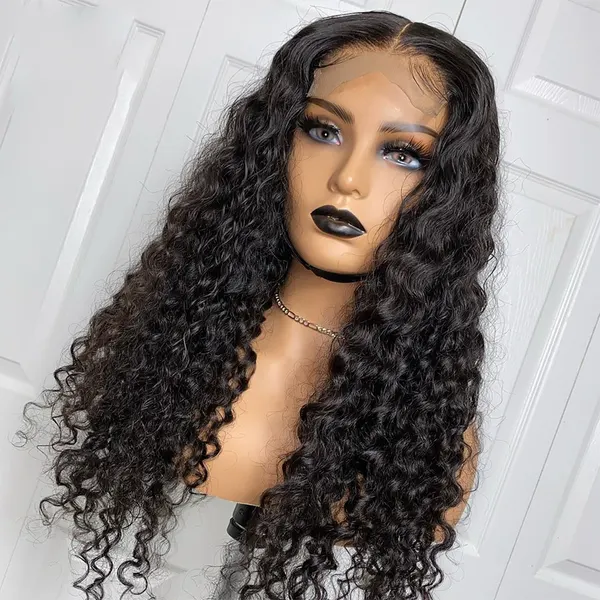
- Curly and Long Human Hair Extension Set: Small springy curls sit beside longer smooth sections in human hair that can be dyed, with a T-type front lace cut to follow the hairline.
- Straight Human Hair Velcro Ponytail: Straight human hair in 1B natural black falls from a Velcro wrap that presses flat at the crown, in lengths from 8 to 30 inches.
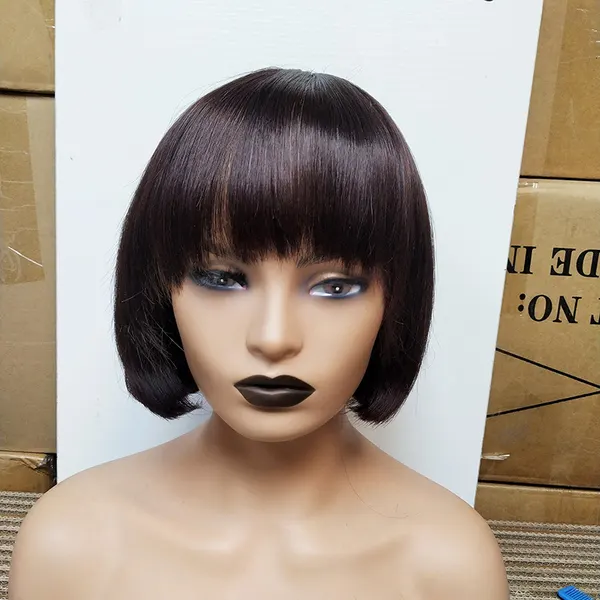
- Double Drawn Human Hair Fringe Bob: A short human hair bob with a soft fringe, double drawn so the density stays even from root to tip.
Questions
How often should I wash human hair extensions?
Wash them when they feel weighed down by product or oils, not after every wear. Use cool water, a gentle shampoo and a small amount of conditioner on the mid-lengths and ends. Rinse well and let them air dry.
Can I use straighteners on human hair extensions?
Many human hair pieces in our range are described as taking heat styling, and those pieces still do best on low to medium heat with a heat protectant. Check the product page for the piece you have, and keep the iron moving rather than resting it in one spot.
How do I keep bangs from looking stiff?
Comb the fringe downward and shape it with your fingers rather than loading it with product. A burst of cool air helps it fall softly. Trim dry hair in small snips if the fringe has lost its line.
Can I dye synthetic hair extensions?
Do not dye synthetic or heat-resistant fibre pieces at home, because the colour may not take evenly and heat can change the fibre. Human hair pieces can be dyed where the product page says the hair takes colour, and a strand test first is wise.