


How to use setting powder
A practical guide to setting powder: choosing a format, pressing it on without caking, and keeping tools clean.
At a glance
- Prices today
- $3.99 to $14.99
- Colours
- beige, white, brown
- Ingredients you will see
- titanium dioxide, lavender, niacinamide
- Formats and finishes
- powder, matte, natural finish
- Details
- waterproof, lightweight, buildable, breathable, long-wear, portable
Shop setting and face powders
How to choose setting and face powders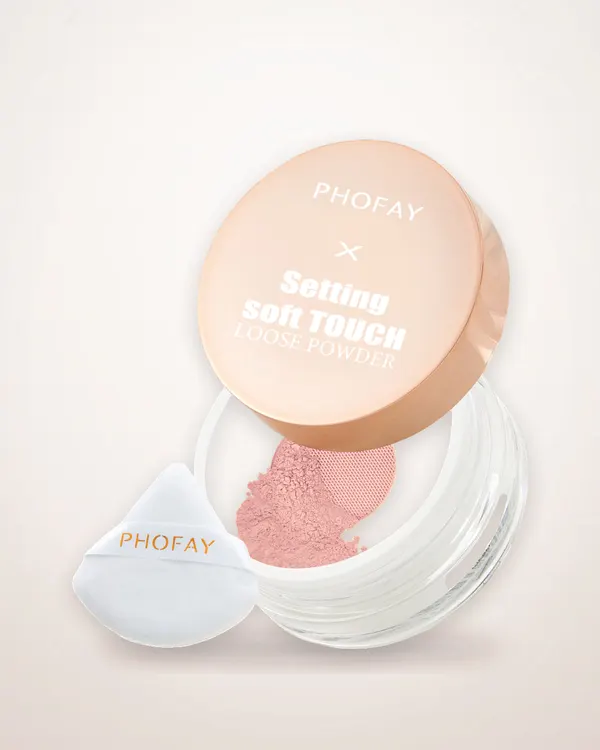
Before you start
Setting powder goes after foundation and concealer. Its job is to soften shine and help makeup sit still, not to cover the skin like another layer of base. The aim is a thin, even veil. Start with less than you think you need and build only where shine comes back.
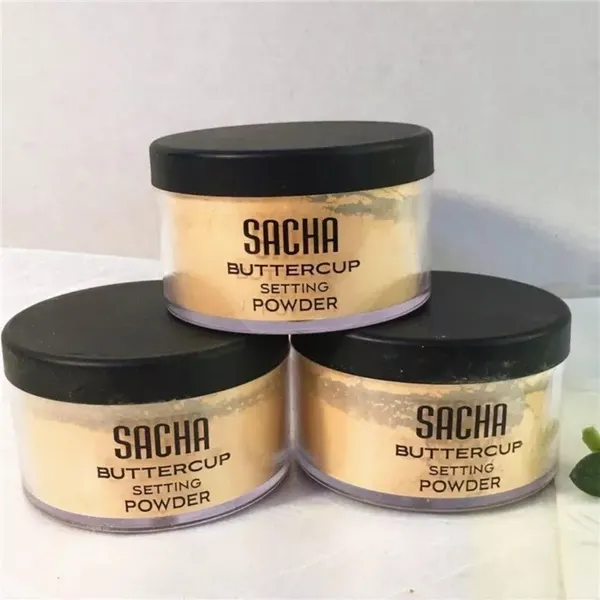
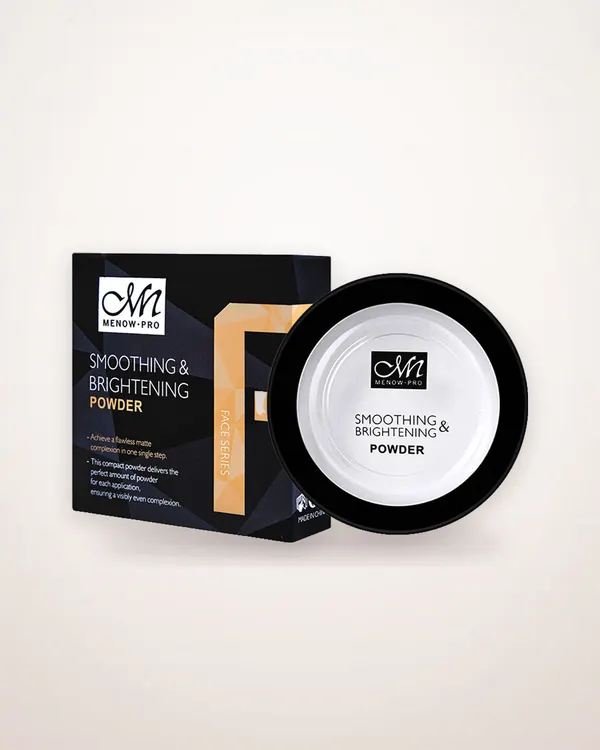
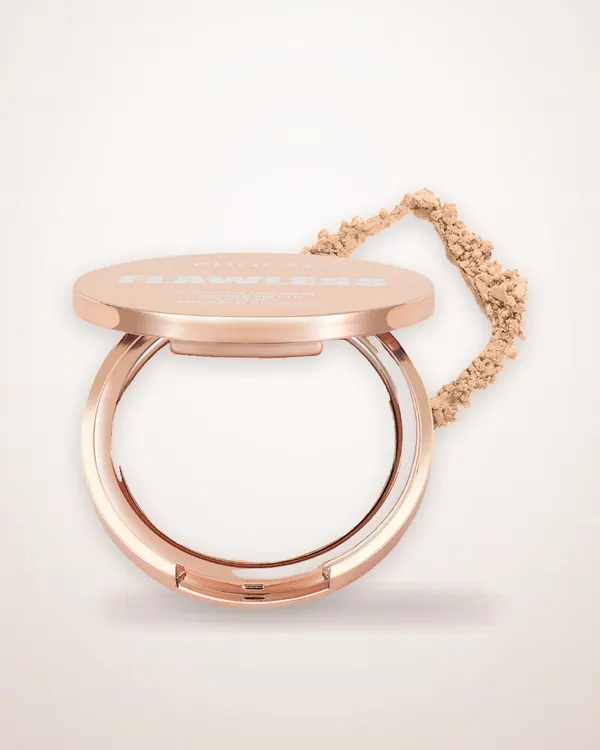
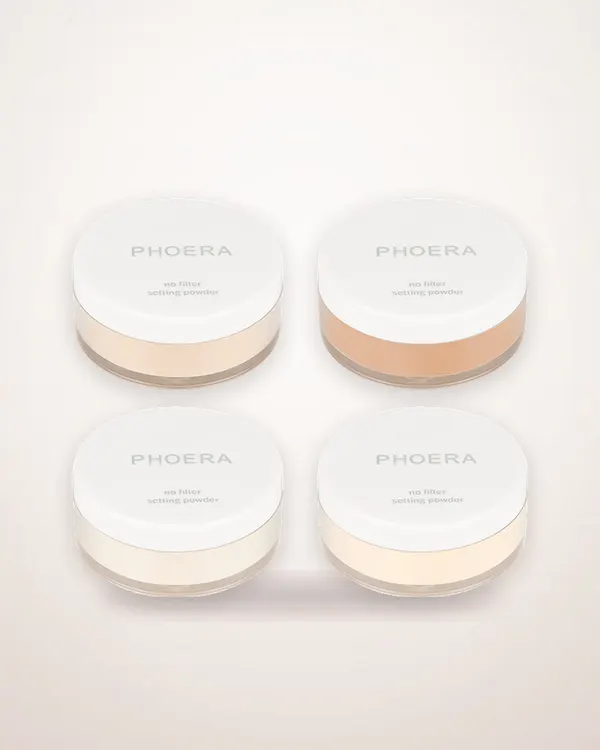
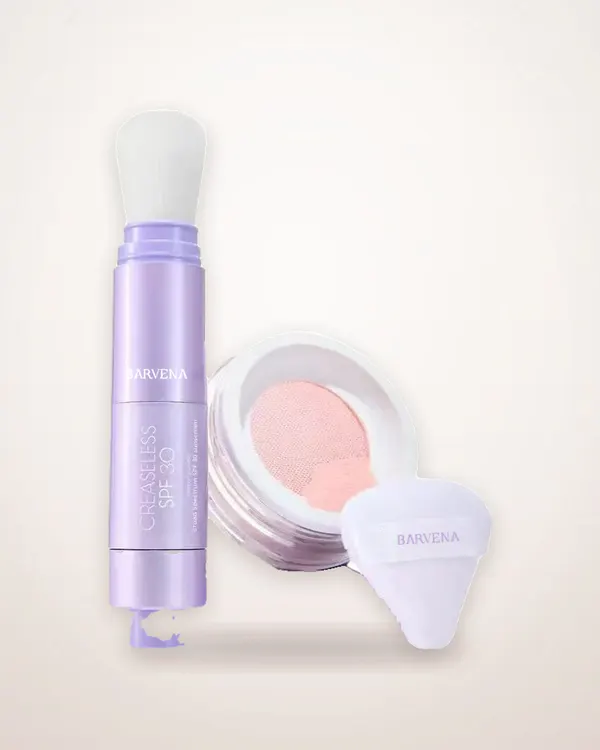
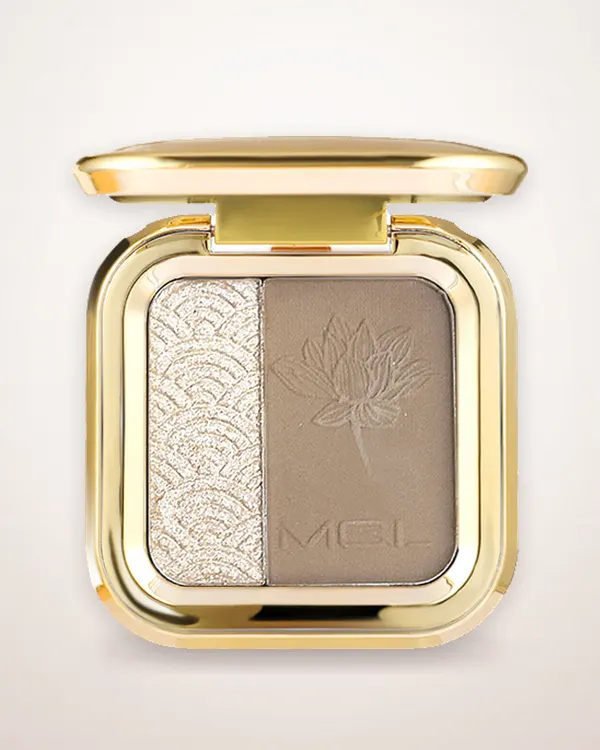
Pressed powder is easy to control and suits touch-ups. Loose powder gives a finer, lighter dusting, and a net sifter helps release just enough at a time. A puff presses powder into the skin, which suits the under eyes and T-zone. A fluffy brush dusts a lighter layer over the whole face. Our range includes pressed and loose powders with matte, natural and sheer finishes, plus setting sprays for a final mist.
Let your moisturiser and sunscreen settle before you powder. If the base is still wet, powder can grab in patches. Some of our powders list titanium dioxide and lavender. If you prefer to avoid a particular ingredient, read the label before you buy. If your skin reacts, stop using the product and speak to a professional.
Step by step
After foundation and concealer, pick up a small amount of powder with a brush or puff. For a loose powder, dip the puff into the net sifter and tap off any excess. For a pressed powder, press the puff into the powder and tap off the excess. Press and roll the puff onto the under eyes, the T-zone and any area you want to mattify.
For the rest of the face, use a fluffy brush and tap it before it meets your skin. Press the powder on in thin layers rather than sweeping it across the surface. Add more only where shine comes back. A finishing setting powder goes last, after base makeup, when a look needs a finishing layer rather than more colour.
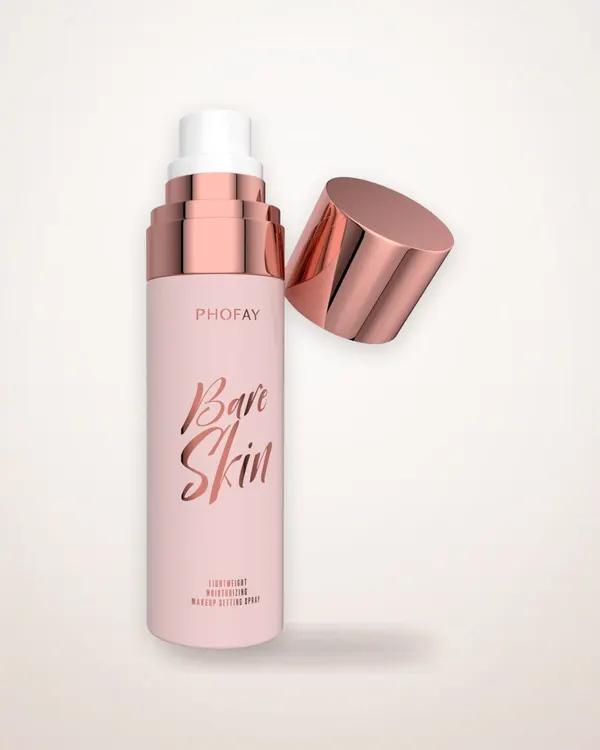
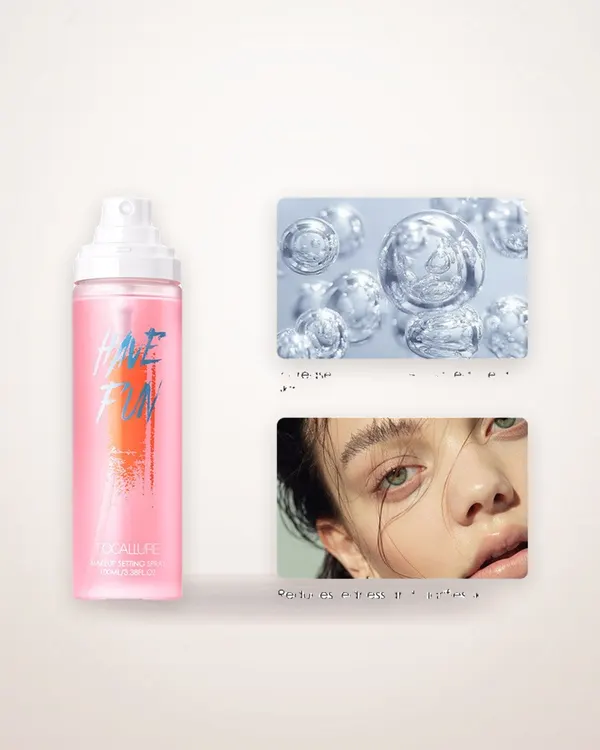
If you use a setting spray, close your eyes and hold the bottle 8 to 10 inches from the face. Mist in an X and T pattern, two to four times. Let it dry before you touch your face. A mist can also help powder settle if a layer looks heavier than you intended.
Common mistakes and how to fix them
Too much powder is the usual reason a base looks heavy. Tap the puff or brush before you apply, then press on a thin layer. If you have already applied too much, mist lightly and press with a clean puff to soften the look. Add powder only to the areas that need it.
Using one tool for everything can make the finish uneven. A puff picks up more powder, so keep it for the under eyes and T-zone. A fluffy brush gives a lighter veil over the cheeks and jaw. For loose powder, let the net sifter do the work and avoid tipping the whole container onto the puff.
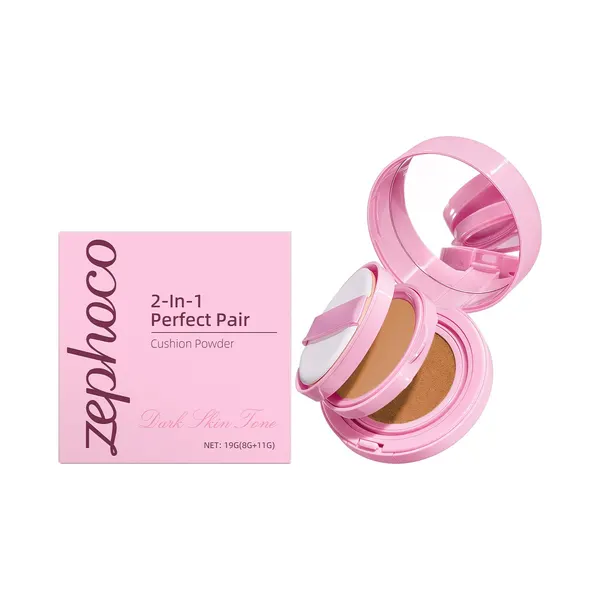
Tinted powders can shift the look of your base, so choose a shade close to your skin or use a sheer formula. Our oil-control pressed setting powder comes in two complexion-true shades, and the matte banana setting powder has a soft banana tint with a sheer finish. If a powder settles on dry patches, use less in those areas or skip them. If skin feels tight or irritated, speak to a professional about your skincare.
Hygiene, storage and shelf life
Puffs and brushes collect oil, skincare and makeup. Wash them weekly if you use them daily, or more often if you have been pressing powder into the T-zone. Use mild soap and warm water, rinse well, then let them dry fully before you put them away. A puff that stays damp can affect the powder and the feel of the tool.
Close compacts firmly and keep the sifter closed on loose powders. Store powders in a cool, dry place away from direct sun and damp bathroom air. Do not add water or mixing liquid to a powder. If the texture, smell or colour changes, replace it. Keep a separate puff for the under-eye area if you use concealer there.
The Finishing Setting Powder lists a three-year shelf life. Check the pack for each product and follow the date on the label. Write the date you open a product if that helps you keep track. A clean tool and a closed compact do more for a powder than any extra layer.
Standout pieces
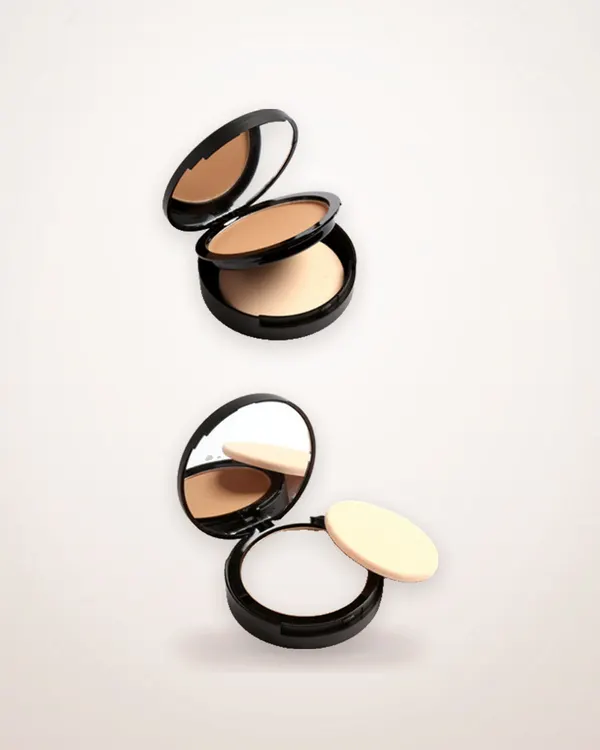
- Pressed Face Powder with a Soft Matte Finish: A finely milled pressed powder made with talc, boron nitride and silica, slim enough for a handbag and steady enough to hold a matte finish through a long day.
- Soft Touch Loose Setting Powder: A fine loose powder with a set net sifter and an included puff, made to press makeup into a soft matte finish without heaviness.
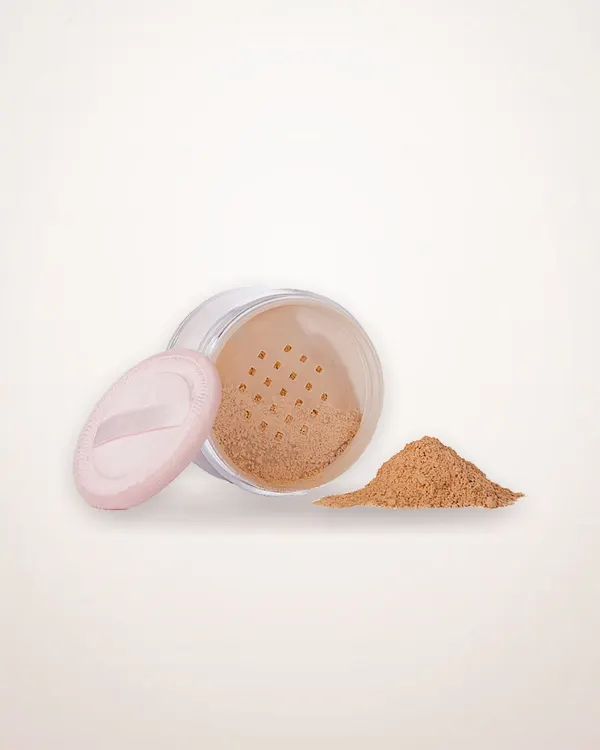
- Mineral Loose Setting Powder: A fine, weightless loose powder with a puff and compact included, so you can soften shine and touch up on the go.
Questions
Should setting powder go before or after foundation?
After foundation and concealer. Pick up a small amount with a brush or puff, tap off the excess, then press it over the T-zone and any area where shine appears.
What is the difference between pressed and loose setting powder?
Pressed powder is easy to control and handy for touch-ups. Loose powder gives a finer, lighter dusting, and a net sifter helps release just enough at a time.
Can I use setting powder on bare skin?
Yes. A pressed powder can soften shine and even the look of bare skin on its own. Keep the layer thin and press it only where you want less shine.
How do I stop setting powder from looking cakey?
Use less than you think you need and build in thin layers. Tap off the puff or brush, press rather than sweep, and add powder only where shine comes back.