


How to apply contour and bronzer
How to place contour and bronzer so shadow and warmth land where the light falls, with cream, liquid and powder options.
At a glance
- Prices today
- $2.99 to $15.99
- Colours
- cream, brown, pink, white, coffee, red, black, beige, nude, gold
- Ingredients you will see
- titanium dioxide
- Formats and finishes
- cream, stick, powder, sheer, liquid, matte
- Details
- buildable, double-ended, portable
Shop contour and bronzer
How to choose contour and bronzer
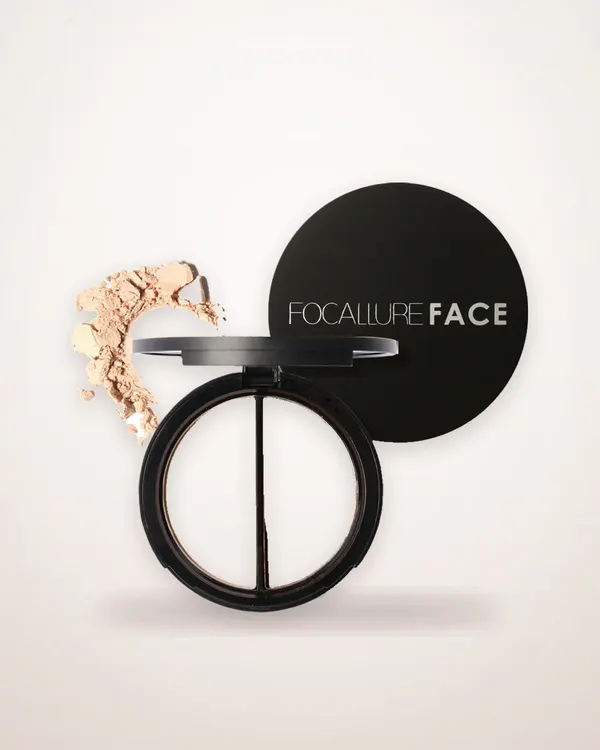
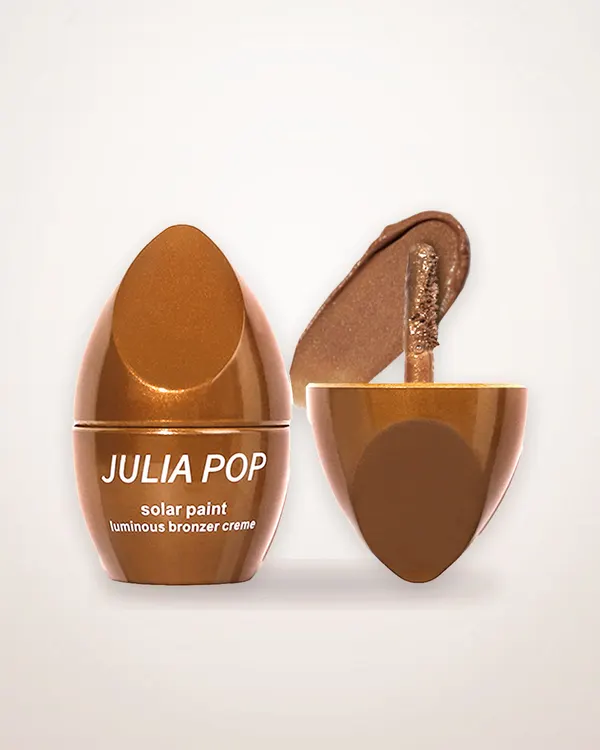
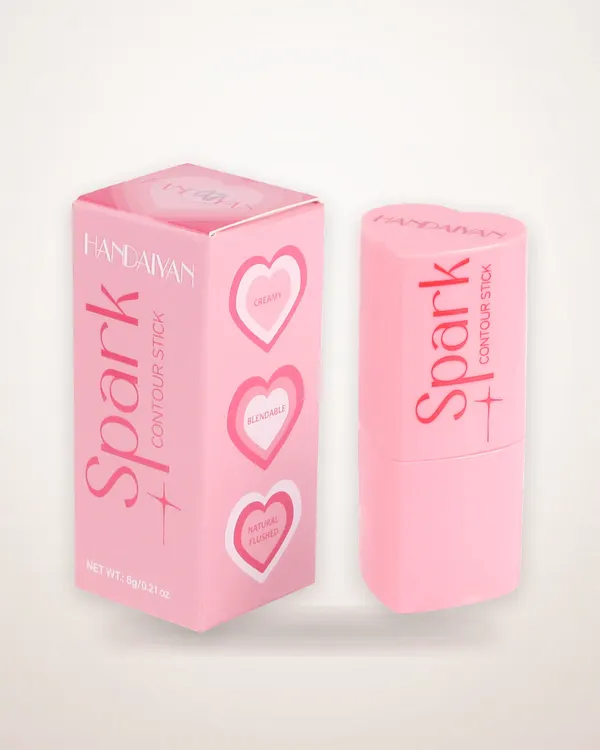
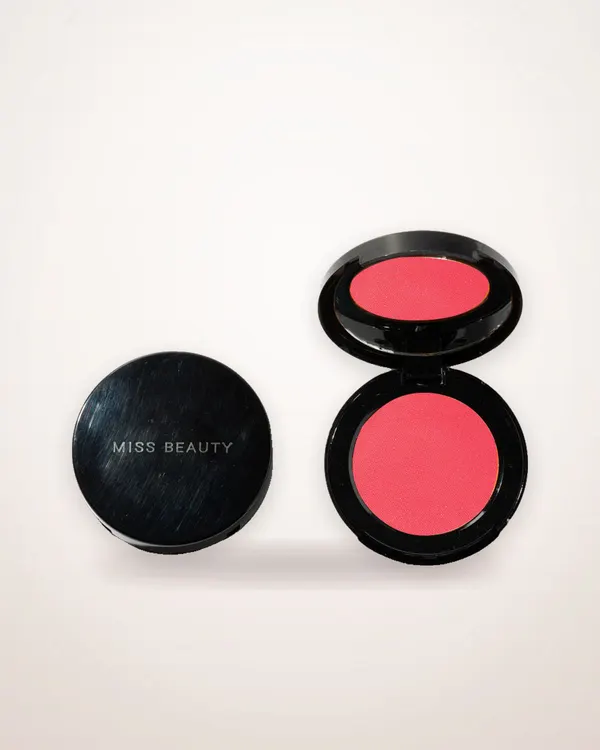
Before you start
Contour and bronzer do different jobs, and the difference shows in daylight. Contour builds a shadow where the face turns away from the light: under the cheekbone, along the jaw, down the sides of the nose. Bronzer adds warmth where sun would land: the tops of the cheekbones, the temples, the bridge of the nose. If you only reach for one, bronzer suits a weekday morning, and contour earns its place when you want structure for an evening or a photograph.
Choose a shadow shade by depth rather than by trend. A contour two or three shades deeper than your base reads as shadow. A shade that is much greyer can look ashen on warm skin, and one that is much redder behaves like bronzer. Swatch along the jaw in daylight and look at it from a step back rather than up close.
Texture matters more than people expect. Cream, stick and liquid formulas sit well on bare skin or over foundation and blend to a soft edge, which is forgiving if you are new to this. Powders are quicker to build and easier to keep in thin layers. Many people contour with cream, set it lightly, then use a powder bronzer on top. Dry skin tends to hold cream and liquid well, and oilier skin keeps powder in place longer.
Keep three things within reach: a small dense brush for contour, a fluffy brush for bronzer, and a damp sponge or clean fingertips for cream and liquid. A fluffy brush that is too large scatters colour where you don't want it, so reserve a small one for the cheek hollow and the sides of the nose.
Step by step
Start with moisturiser and, if you wear it, foundation and concealer, then let the base settle for a minute. Cream and liquid contour moves over a base that has calmed down; on freshly applied foundation it can lift and patch. Warm a small amount of cream, stick or liquid on the back of the hand first. That step makes the product easier to sheer out and stops you drawing a hard line straight onto the cheek.
Find the hollow under your cheekbone by pressing a finger below the bone and feeling where it ends. Draw a short line there, starting near the ear and stopping around the middle of the cheek rather than running to the mouth. Add a touch along the jaw and, if you want definition, two thin lines down the sides of the nose. Blend upward and outward with the small brush or a damp sponge, tapping until the edges disappear. Work in thin layers, since a second pass is easy and buffing away excess is not.
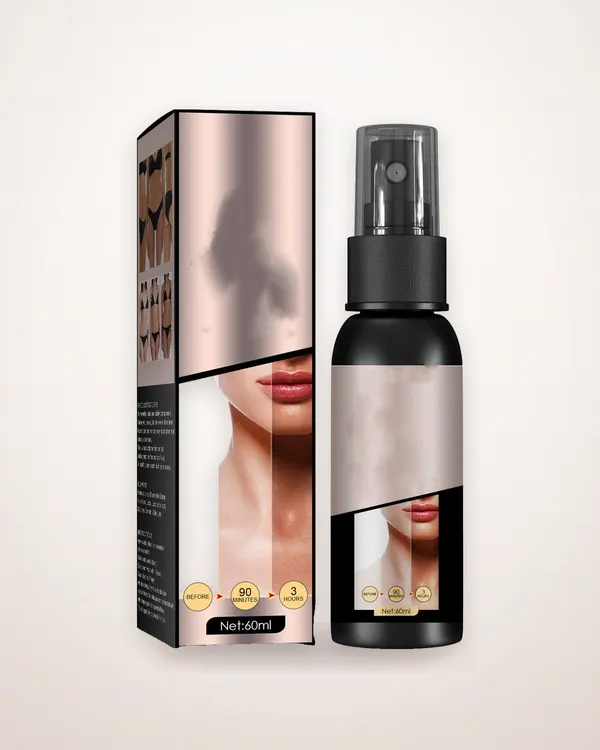
Bronzer follows the light. Sweep the deeper shades along the tops of the cheekbones, up to the temples, across the bridge of the nose and lightly along the jaw with the fluffy brush. Keep the colour above the contour line rather than sitting on top of it, so the shadow stays a shadow and the warmth stays warmth. A light hand does most of the work here. For a quick warm wash on bare skin, a bronzing mist sprayed once over each cheek and blended with fingertips is the fastest route.
Order goes contour, bronzer, then blush, so the cheek keeps some colour and the face does not read as flat. With cream and liquid, do all three before powder. Set only where you shine, usually the centre of the face, and leave the outer cheek alone so the edges stay soft. Finish by looking at your face in daylight from arm's length rather than in a magnifying mirror.
Common mistakes and how to fix them
Most contour goes wrong at the loading stage. Tap the brush off, start with half the amount you think you need, and build. If you do overdo it, buff with a clean brush or a little of your base rather than adding powder on top, which only sets the mistake in place.
Hard stripes under the cheekbone usually mean the line is too low. It should follow the hollow, not the jaw, and stop before the middle of the cheek. Blend past where the colour ends so the fade happens gradually and there is no visible edge in daylight.
A grey or muddy cast often comes from a shadow shade that is too cool or too deep for your skin. Try one closer to your base, or mix a drop of liquid bronzer into the contour on the back of the hand to warm it slightly before you apply.
Powder over cream that has not set will grab and patch. Give the cream a minute, then press powder on with a small brush instead of sweeping. Skipping blush is another common one: contour and bronzer alone can leave the face looking tired, and a sheer flush in the middle of the cheek ties the whole thing together.
Hygiene, storage and shelf life
Cream, stick and liquid products sit against the skin, so keep them clean. Wipe the surface of a stick with a clean tissue after use, and dispense liquid onto the back of the hand rather than dotting the applicator straight onto blemishes. Close lids firmly and store sticks and pens upright so the formula does not collect in the cap.
Brushes and sponges matter as much as the product. Wash brushes used for cream and liquid weekly with a mild soap, and sponges every few days, then let them dry flat with the bristles or the sponge face open to the air. A brush that stays damp turns a clean product into a patchy one.
Keep everything out of direct sun and away from radiators, since heat changes texture and can make a cream separate. As a general guide, cream and liquid makeup is best used within about 6 to 12 months of opening, and powders within 18 to 24 months. If the smell changes, the colour shifts or the texture splits, it is time to let it go, whatever the date on the bottom.
If you have a skin concern, a breakout that will not settle or a reaction to a product, stop using it and speak to a pharmacist or a doctor.
Standout pieces
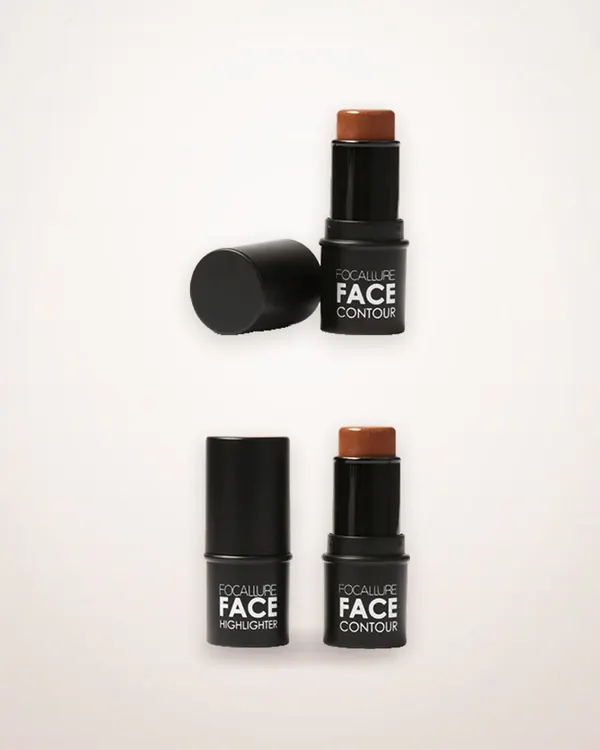
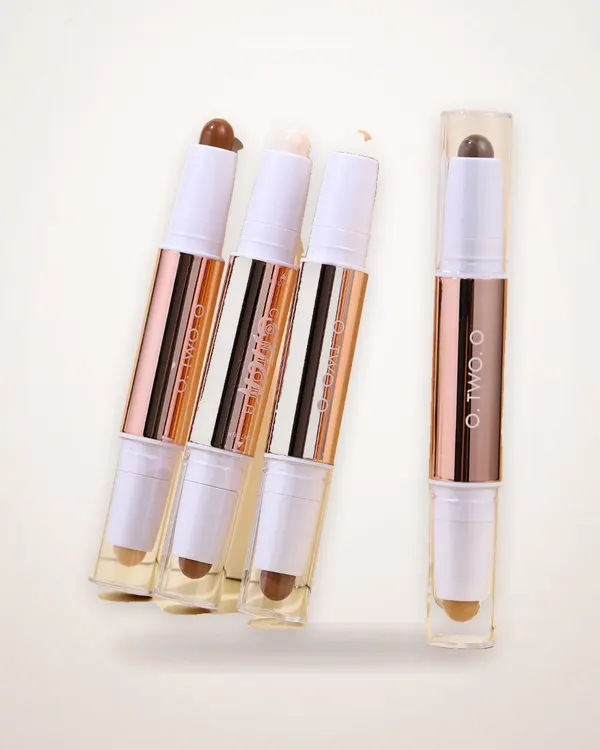
- Double-Headed Contour and Highlight Stick: A deep cream tone at one end for cheekbones, jaw and nose and a lighter one at the other, in four pairings that keep the colour close to your skin.
- Liquid Bronzer Contour Drops: A fluid wash that traces the cheekbones and jaw and layers over makeup or bare skin, so contour looks like skin rather than a drawn line.
- 6-Color Mineral Bronzer and Highlighter Palette: Six mineral shades, from quiet definition to a visible evening glow, with a fine texture that builds in thin layers and a waterproof finish.
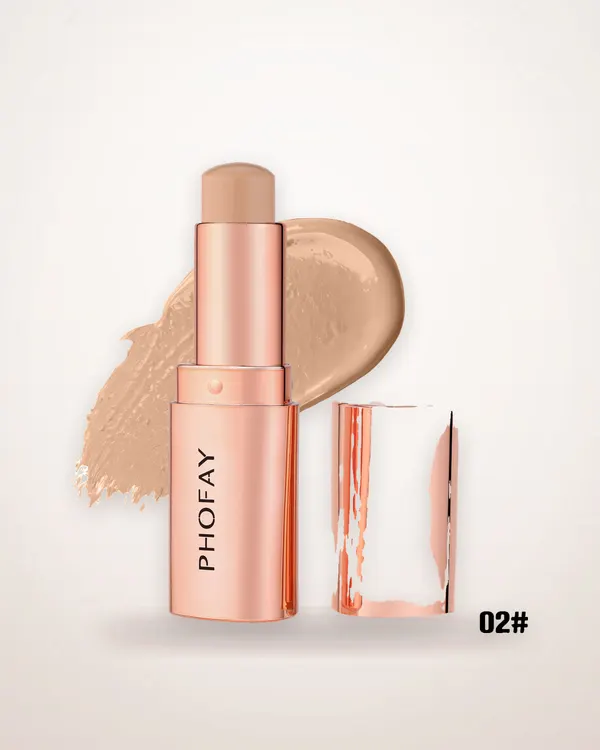
- Soft Matte Contour Stick: Glides on and blends down to a soft matte shadow with a weightless feel, so warm a touch on the back of the hand and tap with fingers or a brush.
Questions
Should I apply contour or bronzer first?
Contour first, then bronzer, then blush. Keep the bronzer above the contour line so the shadow stays where you placed it and the warmth sits on top.
How do I choose a contour shade?
Pick something two or three shades deeper than your base and swatch it along the jaw in daylight. If it looks grey or flat next to your skin it is too cool, and if it looks orange it will read as bronzer instead.
Can I contour on bare skin?
Yes. Cream, stick and liquid formulas blend well onto moisturised bare skin, and a light wash of liquid bronzer is often enough on its own. Powder needs a little grip, so a sheer base or a light moisturiser helps it sit evenly.
How do I keep contour looking natural in daylight?
Use less than you think you need and blend past where the colour ends. Check in daylight at arm's length and keep the deepest part of the shadow in the hollow rather than on the cheek itself.