


Concealers under $10
A practical guide to choosing and using concealers at a gentle price, from fluid under-eye formulas to cream correctors and palettes.
At a glance
- Prices today
- $2.99 to $8.99
- Colours
- cream, white, ivory, blue, purple, brown, beige, nude, pink
- Ingredients you will see
- titanium dioxide, hyaluronic acid, vitamin e
- Formats and finishes
- cream, liquid, natural finish, powder, stick
- Details
- lightweight, waterproof, buildable
Shop concealers under $10
How to choose concealers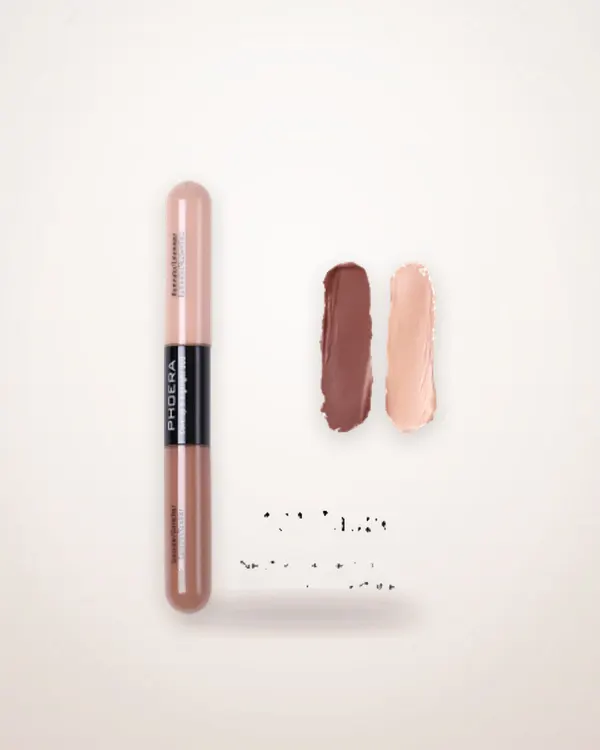
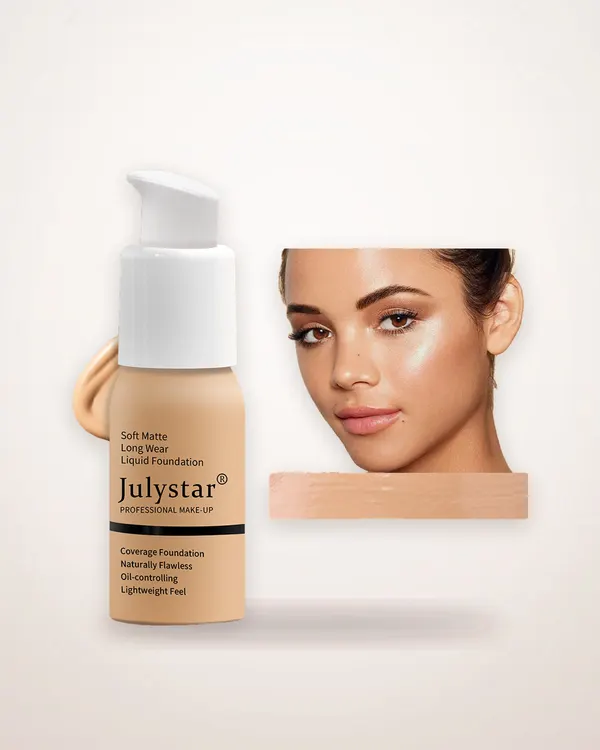
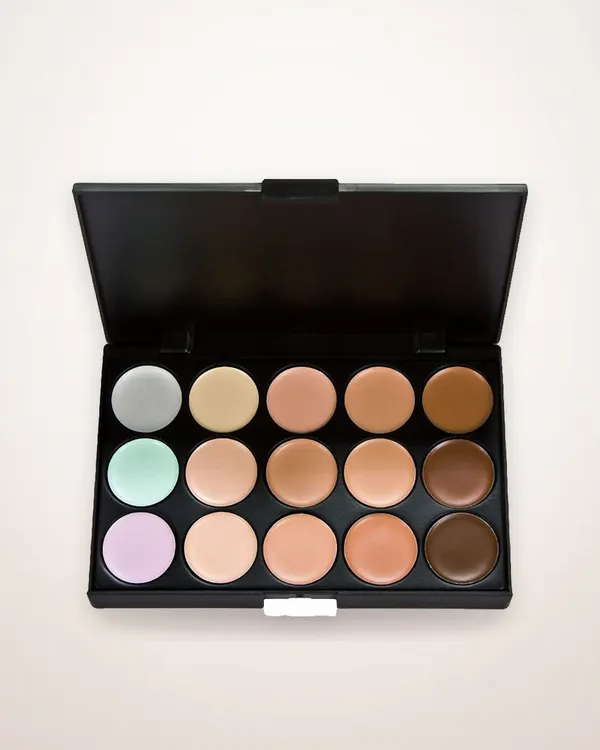
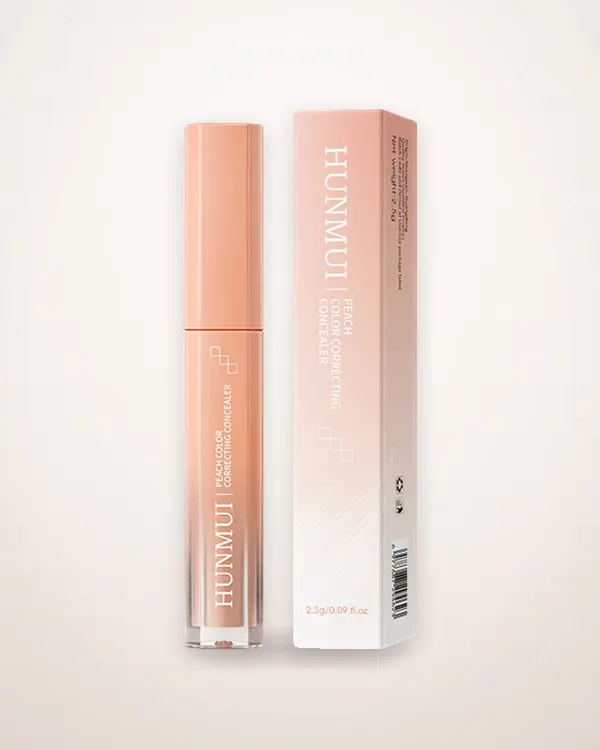
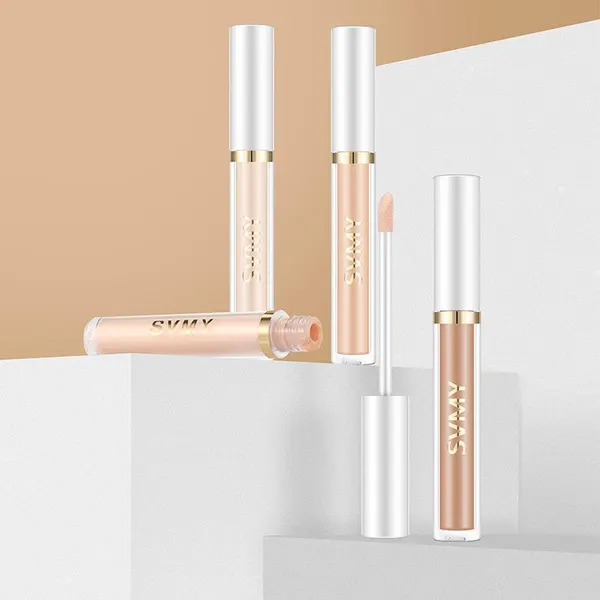
What to look for in concealers at this price
Start with what you actually want the concealer to do. Under-eye shadows need something thin and light that presses into the skin without gathering in fine lines. A blemish or a patch of redness wants a cream or a stick that sits closer and stays put. If you want one product for both, a buildable liquid is the sensible middle ground.
Look at the finish before the shade. A natural finish reads as skin and suits most days, while a matte finish keeps shine down on oilier complexions or in warm weather. Cream and stick formulas tend to feel richer, which helps on drier skin or on cold mornings. Powder finishes are best kept for setting rather than for covering, unless you like a very soft, diffused look.
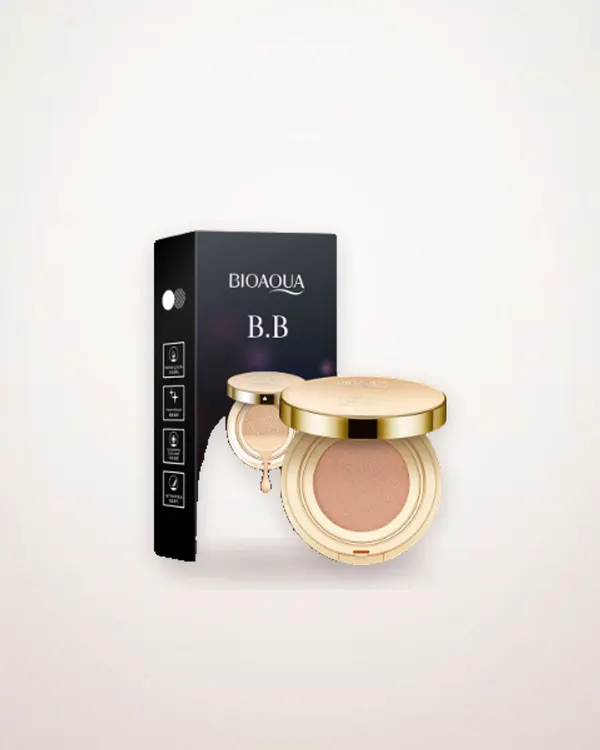
Think about the applicator too. A dual-ended tube gives you a blender built in, which is handy in a bag. A cushion compact suits quick tapping over the face. A palette lets you mix tones, which is useful if your skin shifts between seasons or you want to highlight and contour as well as conceal.
Check the shade range against your skin in daylight. Ivory, beige, nude and brown tones cover a lot of ground, but the closest match is the one that disappears at the jawline. If you are between two, go a touch lighter for under the eyes and a touch deeper for blemishes, or buy a palette and mix.
Formulas, finishes and shades
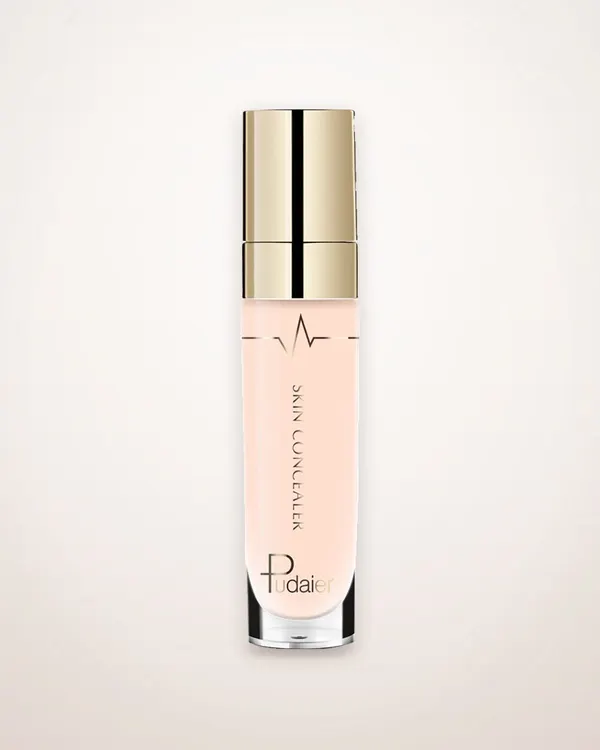
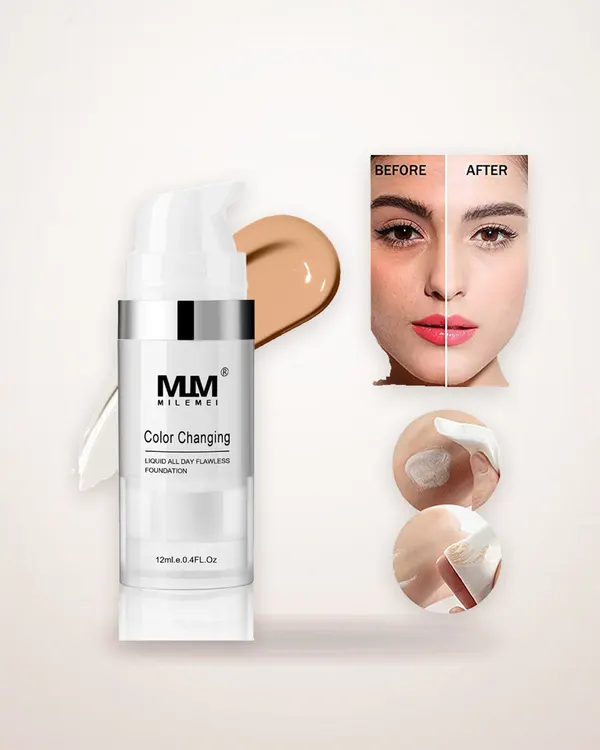
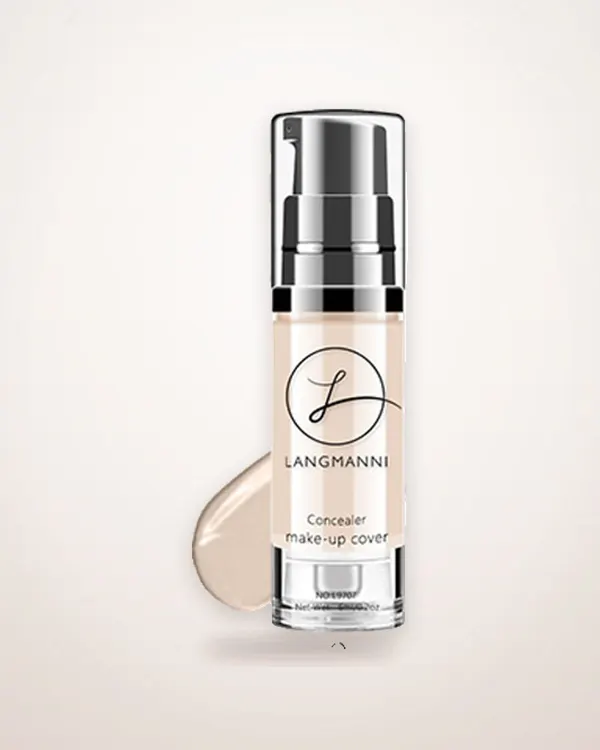
Liquid concealers are the easiest place to start. They spread thin, layer without going chalky and work well under the eyes or around the nose. Look for one described as lightweight and buildable if you want a quiet everyday layer, or a waterproof liquid if your days are long or warm.
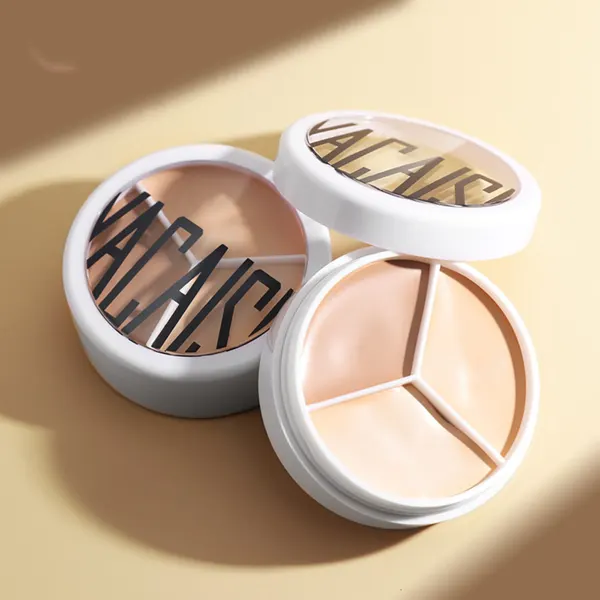
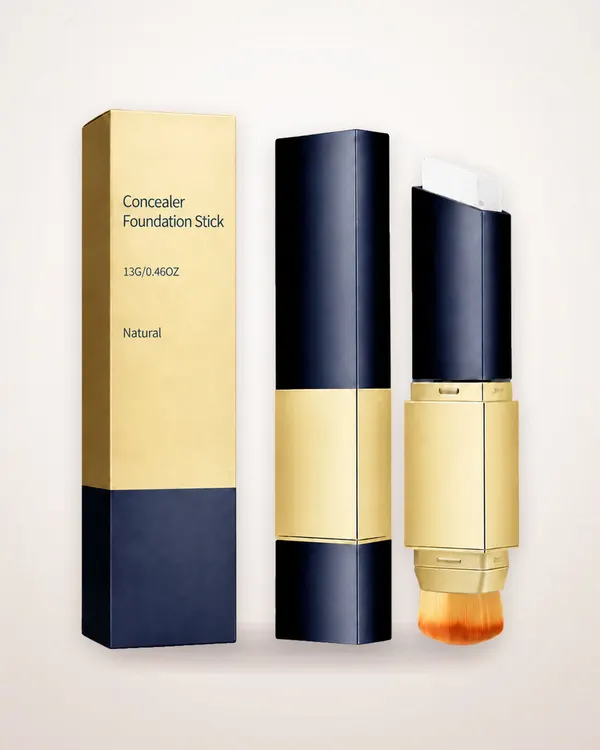
Cream and stick formulas give more coverage from a smaller dot. They suit blemishes and uneven patches, and they warm up between your fingertips before they go on. A cream in a slim tube is simple to carry. A three-colour palette gives you options without needing several products, and a moisturising formula feels comfortable on drier skin.
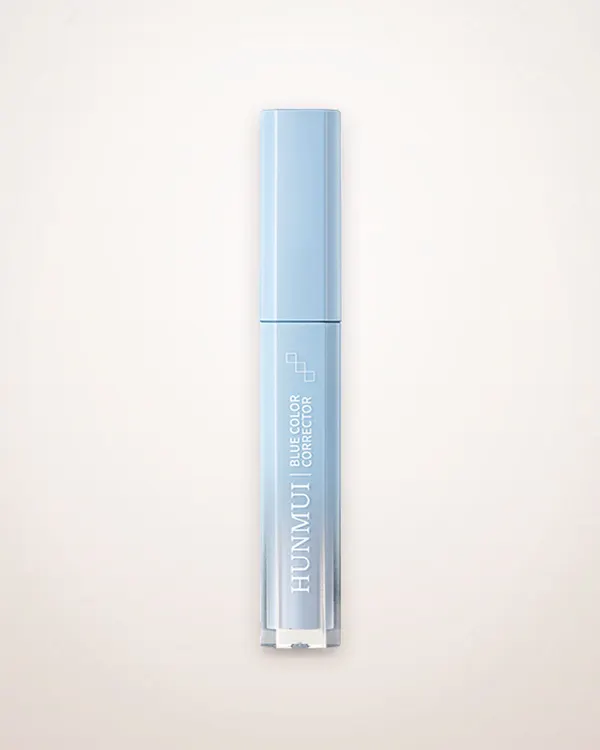
Colour correctors sit underneath concealer rather than replacing it. A peach tone settles dark circles and uneven patches before your base goes on, so you need less concealer afterwards. Blue, purple and white tones appear across the range for adjusting and brightening, while pink and cream tones lift the high points of the face.
Ingredients worth knowing about include titanium dioxide, hyaluronic acid and vitamin E. Titanium dioxide is common in base makeup, hyaluronic acid is a humectant and vitamin E is often added to formulas. If your skin is reactive or you have a specific concern, speak to a professional before trying something new, and patch test on the jawline first.
How to apply them
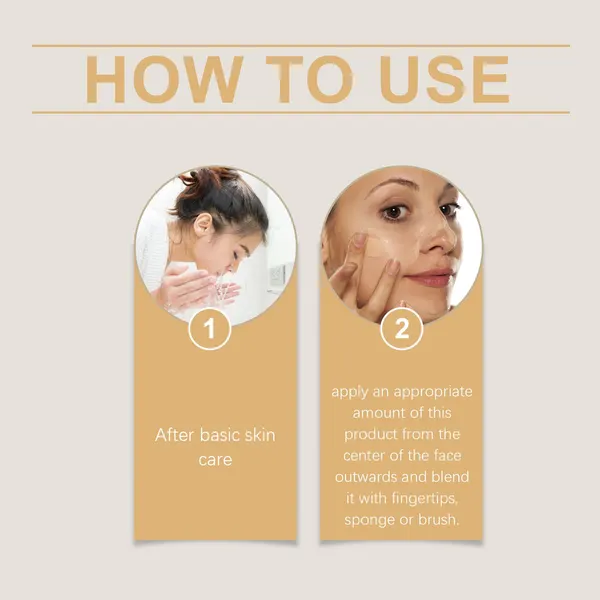
Start with a small amount on the back of your hand. Warm it between your fingertips, then dot it only where you want coverage: under the eyes, around the nose, or over an uneven patch. A little goes a long way with most formulas, and it is easier to add a second thin layer than to remove a heavy one.
Blend with the opposite end of the tube, a fingertip, a damp sponge or a small brush. Tapping rather than sweeping keeps the product where you put it and stops it shifting. For blemishes, dot and tap, then leave the edges alone so the coverage fades into skin. For a cushion compact, press the applicator into the cream and tap evenly over the face, starting at the centre and working outward.
Set only where you need to. A light dusting of powder under the eyes helps a liquid stay put, while cream formulas on blemishes often do better left alone. If you are using a corrector, apply it first, blend the edges, then go over it with concealer in your skin tone.
For highlighting and contouring, use a shade lighter than your skin on the high points of the face and a deeper one along the cheekbones and jawline. Blend the boundaries well. In daylight, check the jawline and the under-eye area in a mirror before you leave.
Hygiene, storage and shelf life
Clean hands matter more than anything else with concealer. Wash them before you dip a finger into a pot or palette, and keep a small brush or sponge for the job if you prefer. Wash sponges regularly with a mild soap and let them dry fully before the next use.
Wipe the applicator of a liquid or cushion product after use if it looks messy, and close the lid firmly. Store concealers away from direct sun and heat, which can change the texture. A dressing table drawer or a makeup bag in a cool room is fine. Palettes with several tones are easier to keep tidy if you use a clean brush for each shade.
Pay attention to changes in smell, texture or colour. If a cream turns grainy, a liquid separates and will not mix back, or the product starts to smell different, it is time to replace it. Follow any period-after-opening symbol on the packaging, and write the date you opened it on the base if that helps you keep track.
Do not share concealers, especially creams you use with a finger or a sponge. If you get an irritation or a breakout that does not settle, stop using the product and speak to a professional.
Standout pieces
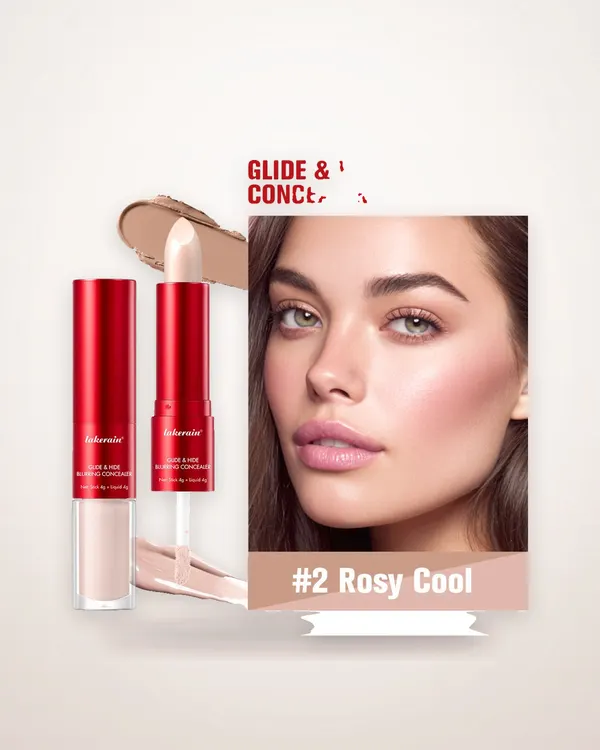
- Dual-Ended Liquid Concealer: A fluid, buildable liquid with two applicator ends, so you can dot and blend under the eyes or around the nose without reaching for a separate tool.
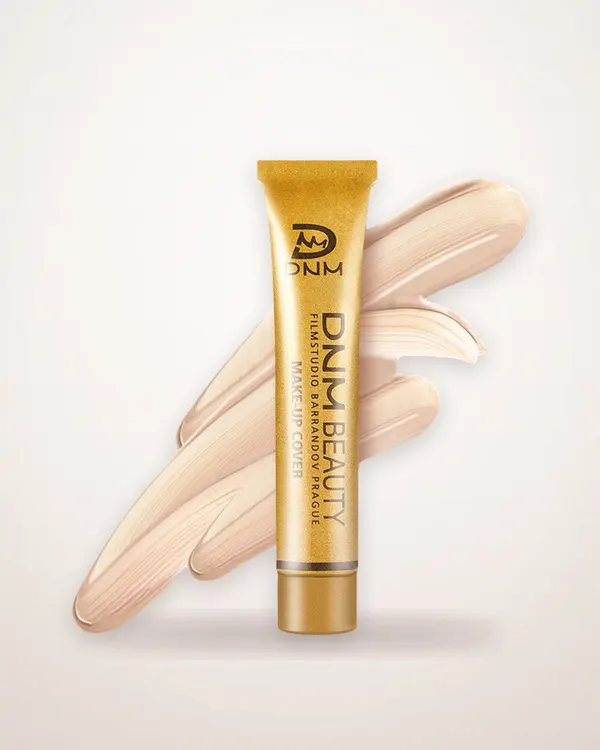
- Gold Tube Waterproof Cream Concealer: A creamy concealer in a slim gold tube with a waterproof, sweat-proof finish that suits warm afternoons and long evenings.
- Waterproof Three-Color Concealer Palette: Three shades in one palette with a moisturising, waterproof formula, so you can wear a tone alone or mix to flatter your skin.
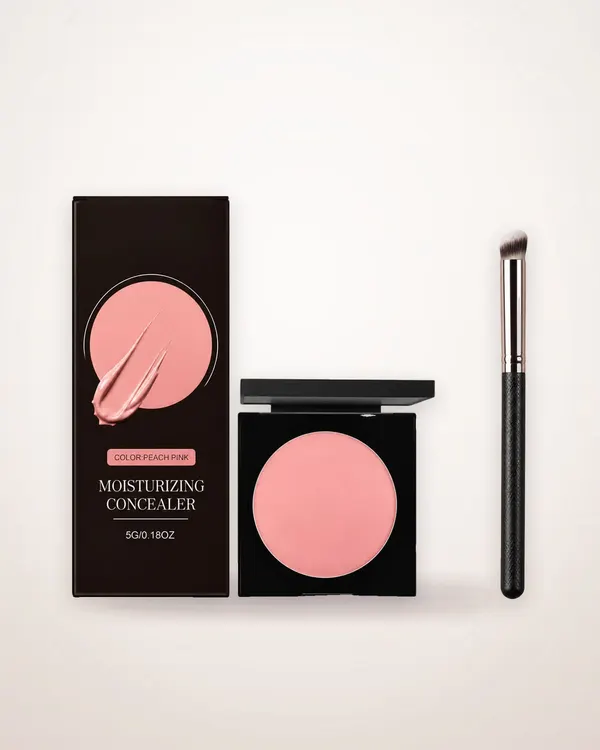
- Peach Color Correcting Concealer: A creamy peach corrector that settles dark circles and uneven tone before concealer, so your base has less to hide.
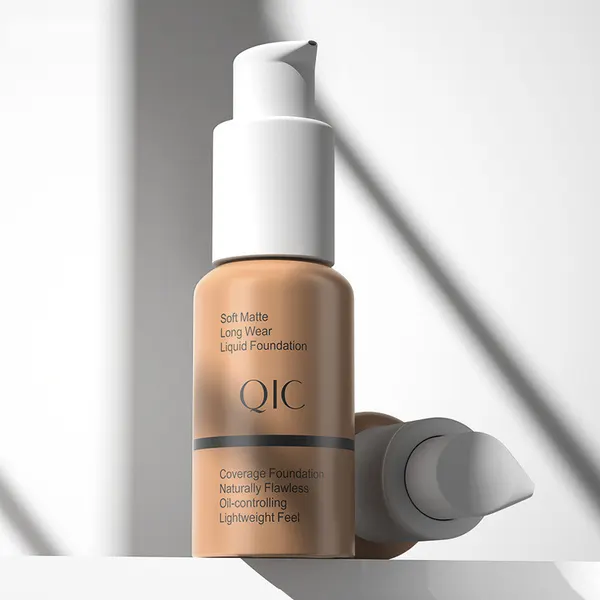
- Liquid Matte Concealer, Four Shades: A fluid concealer with a soft matte finish in four tones from ivory white to coffee, for evening out tone without shine.
More concealers under $10
Questions
How do I choose a concealer shade for under my eyes?
Match close to your skin in daylight and check the jawline. A shade a touch lighter than your skin lifts the under-eye area, while a deeper one is better for shaping. If you are unsure, a palette lets you mix.
What is the difference between a corrector and a concealer?
A corrector adjusts tone, often with a peach or other tint, and goes on first. Concealer then matches your skin and covers over the top. Using both means you need less concealer to get an even look.
How much concealer should I use?
Start with a small amount on the back of your hand and dot only where you want coverage. Warm it between your fingertips, then tap it in and add a second thin layer only if you need more.