


How to apply blush
A practical guide to choosing and applying blush, from cream and liquid to powder, with placement and care tips.
At a glance
- Prices today
- $2.99 to $15.99
- Colours
- cream, pink, orange, nude, red, white, rose
- Ingredients you will see
- rose
- Formats and finishes
- powder, cream, sheer, matte, dewy, stick
- Details
- buildable, lightweight
Shop blush
How to choose blush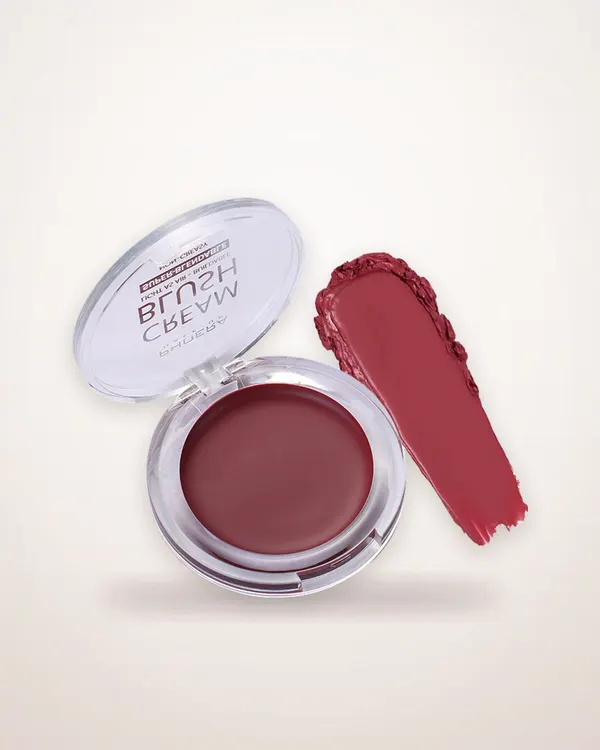
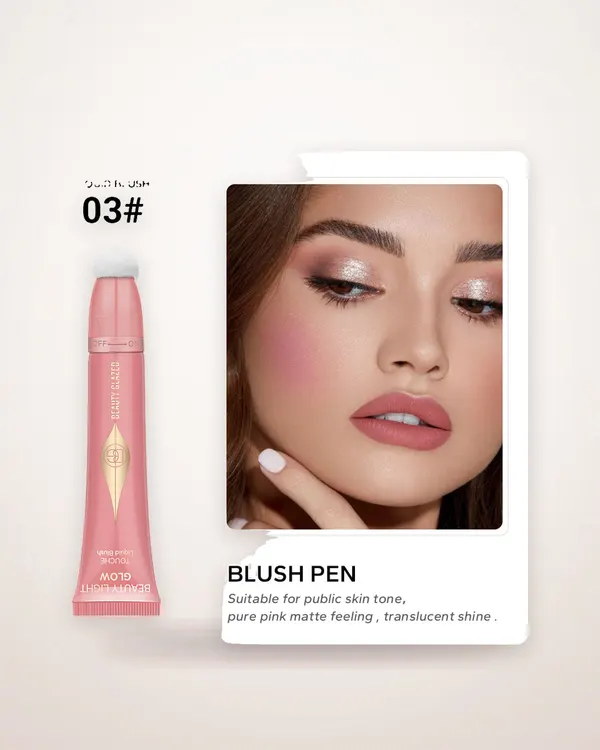
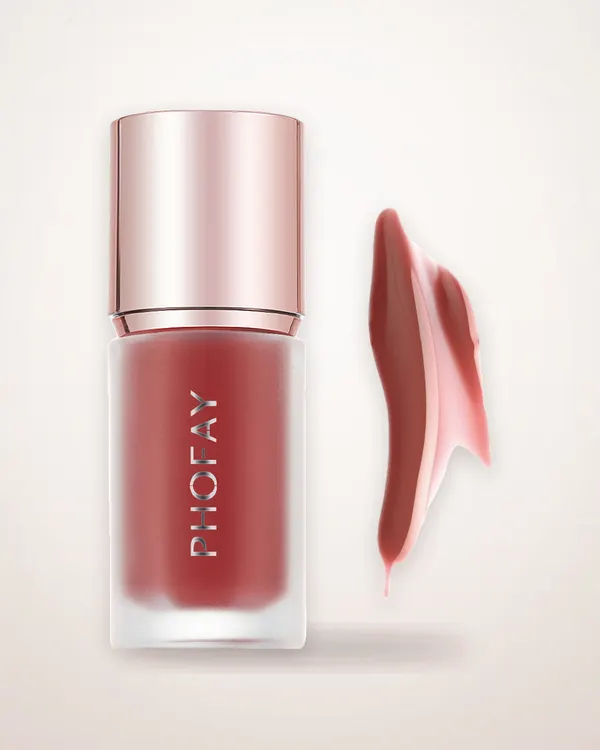
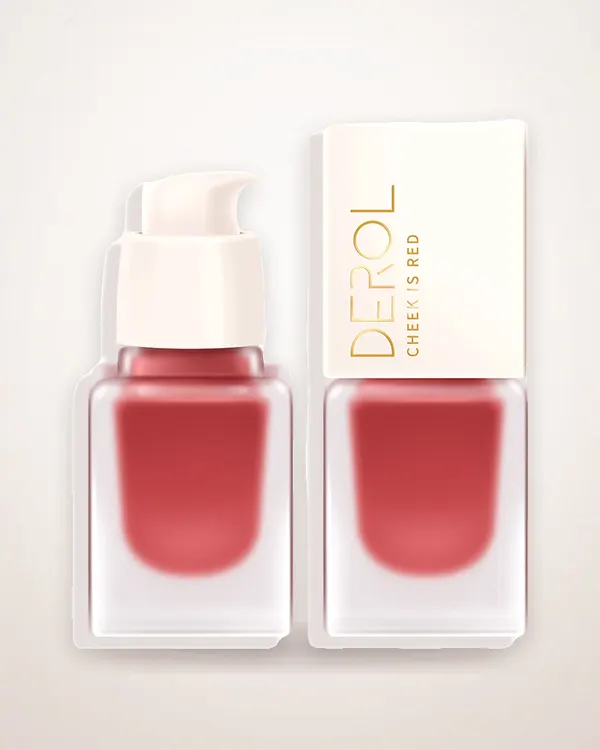
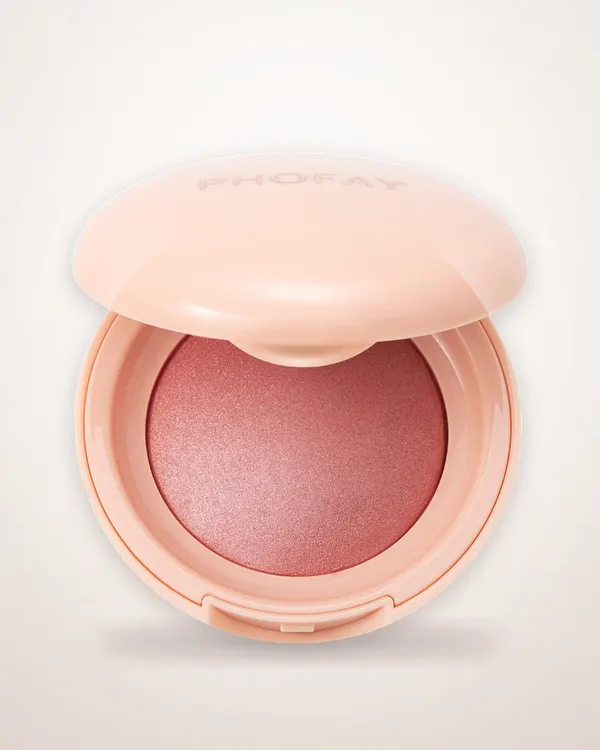
Before you start
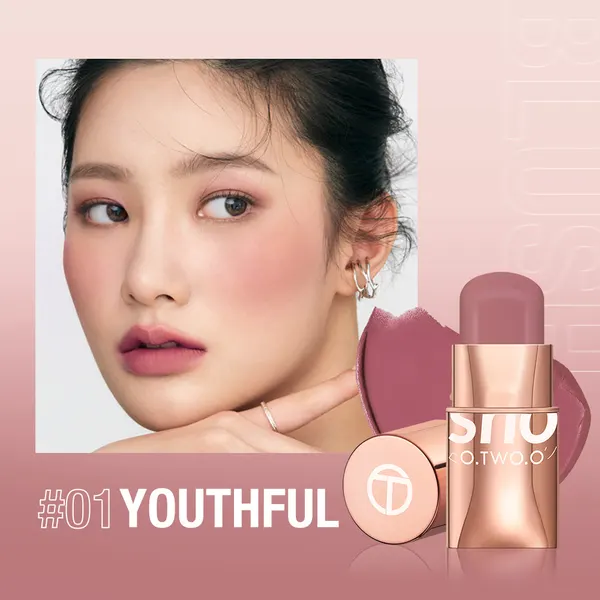
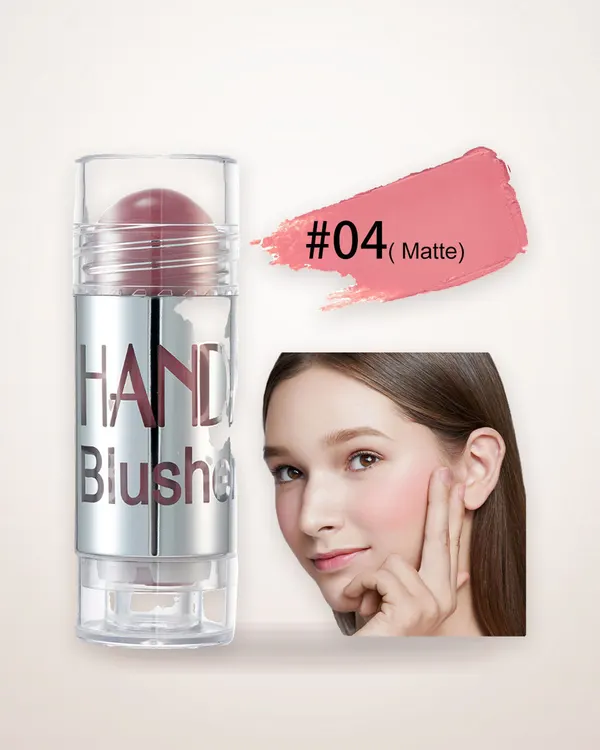
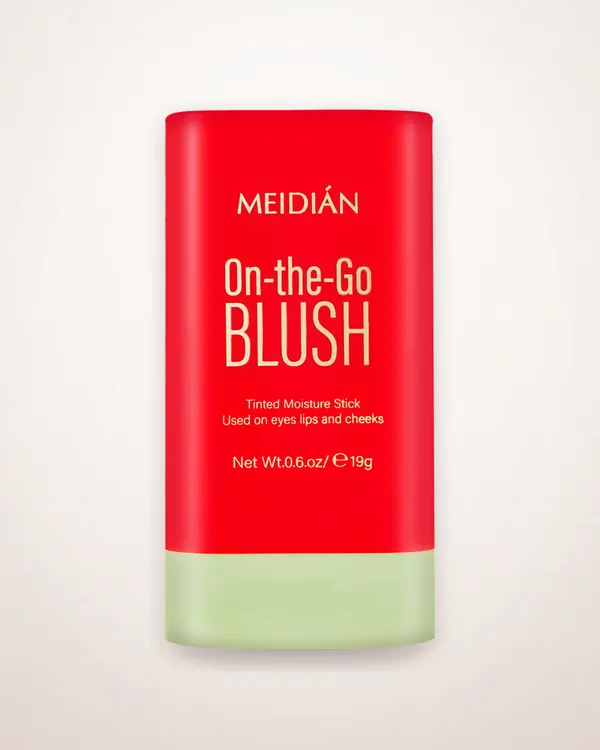
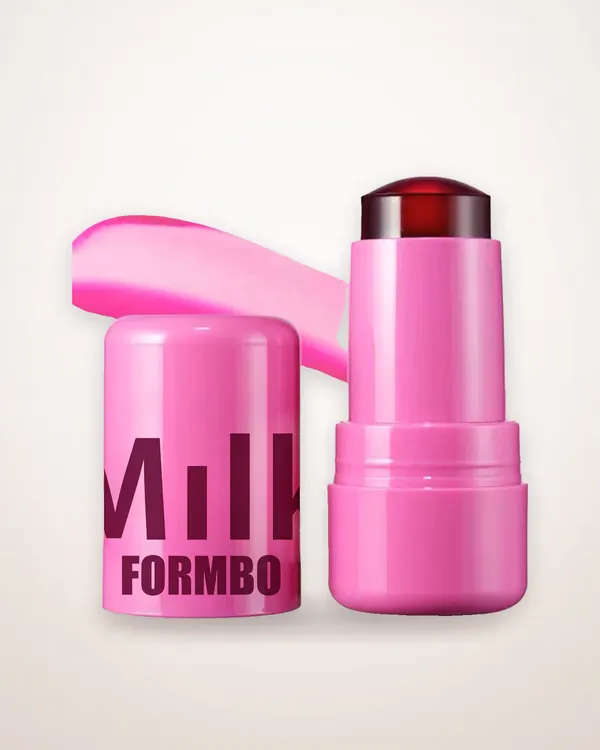
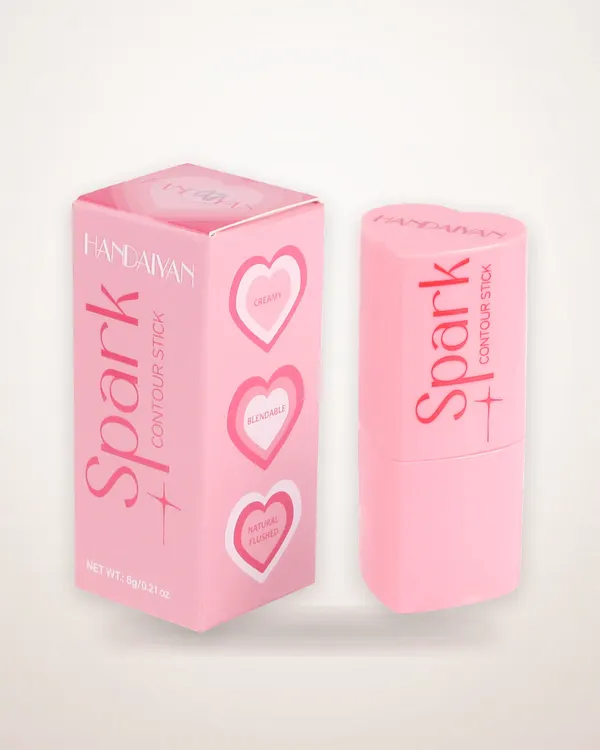
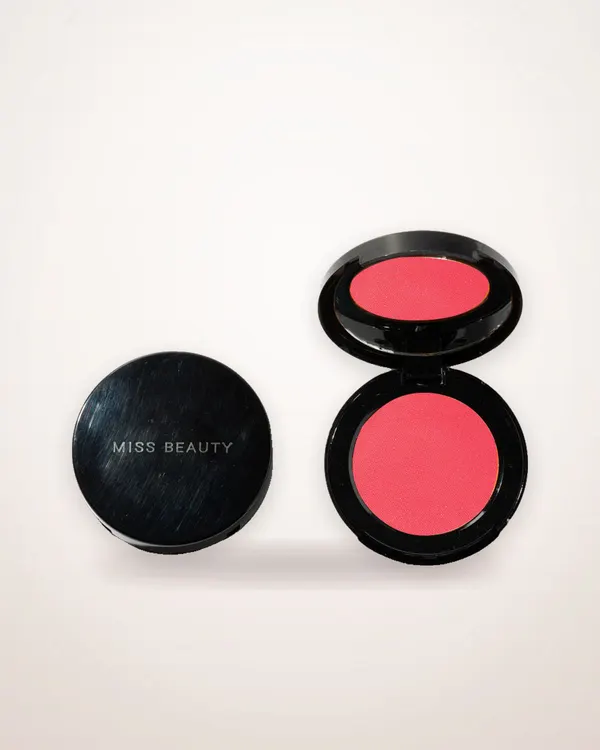
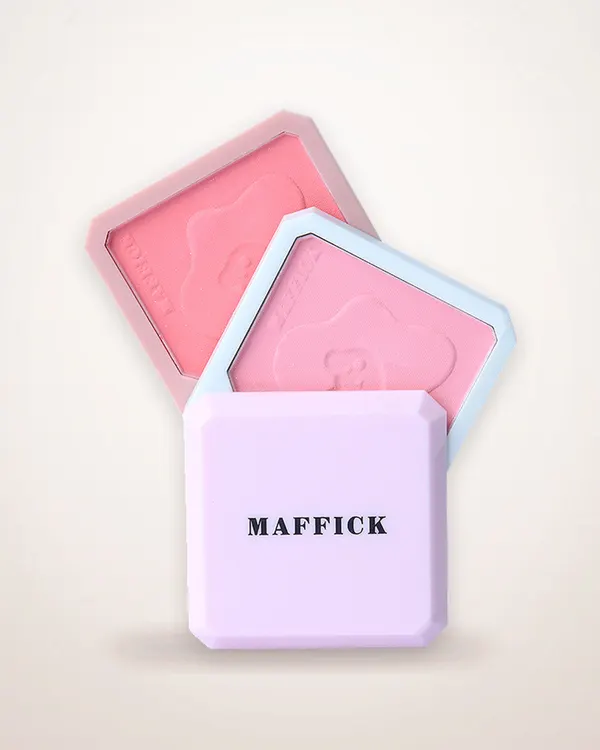
Start with the texture you enjoy touching. Our blush pieces come in cream, stick, liquid and powder formats, with sheer, matte or dewy finishes. Cream and liquid blend easily under a fingertip and give you time to move the colour before it settles. A stick suits a small bag because you can sweep it on and tap the edges with a finger. Powders pick up on a brush and give a softer, more diffused wash. The pieces are described as buildable and lightweight, so thin layers are the way to go.
Look at the colour in daylight before you commit. Our range includes cream, pink, orange, nude, red and white tones, and a colour that looks strong in the pan can read softer on skin. If you are new to blush, start with a nude or soft pink and build. A deeper berry or red takes less product, so use a lighter hand. Some pieces list rose as an ingredient, which is worth knowing if you like a subtle rose note.
Set up a clean space and good light. A mirror near a window is better than a dim bathroom because you can see where the colour ends. Have a clean fingertip or a damp sponge ready. If you use a brush, choose one with soft, loose fibres so the powder does not land in a hard stripe. Keep a tissue nearby to wipe your fingers between layers.
Step by step
Begin with a small amount. For a cream or liquid, tap or dot a little onto the apples of your cheeks, then press it in with a fingertip. Work one cheek at a time so the colour does not dry before you blend. For a stick, sweep it directly onto the apples or tap the colour onto your fingertips first for a softer edge. For a powder, sweep a blush brush across the pan, then tap off the excess before you touch your cheek.
Place the colour where you want the flush. The apples of the cheeks give a rounded look. A sweep slightly higher along the cheekbones, blended outward toward the temples, gives a lifted shape. You can also dab a small amount onto the high points of the face with a sponge applicator if you want a soft, dewy glow. Keep the first layer quiet. You can always add more.
Blend the edges until they disappear. Use small circles or patting motions, not long strokes, and check the outer edge near your temple. If the colour looks strong, press over it with a clean fingertip or a damp sponge. A powder can be softened with a clean brush. Build a second thin layer only after the first is even.
Finish by checking both sides in daylight. Colour can look different under a bathroom bulb. If one cheek is deeper, lift a little colour with a clean fingertip and blend the two areas together. A touch of the same blush on the high point of the cheekbone can tie the flush to the rest of your face, but keep it light.
Common mistakes and how to fix them
The most common mistake is using too much at the start. A cream or liquid can look sheer in the pot and then deepen as it settles. Powder can drop colour in one tap. Start with less than you think you need, build in thin layers, and stop when the colour reads as a flush rather than a stripe.
Another mistake is placing the colour too low or too close to the nose. That can pull the face down or make the cheeks look hot. Aim for the apples or the cheekbones, then blend outward toward the temples. Keep the centre of the face clear so the colour frames your features.
Hard edges are easy to fix. If you can see where the blush starts and stops, soften the border with a clean fingertip or a damp sponge. For powder, use a clean brush. Do not add more colour to hide the edge. Remove a little with a tissue if needed, then reblend. A patchy result often comes from a dirty brush or from applying over a sticky base. Let your skincare and base settle first, then press the blush on.
Hygiene, storage and shelf life
Clean your tools often. A brush that holds old colour will apply blush unevenly, and a sponge can carry makeup residue into a fresh layer. Wash brushes with a gentle soap, rinse well and let them dry flat with the bristles over the edge of a surface. Wash sponges after use and let them air dry fully before you put them away.
Keep lids closed and store your blush away from direct sunlight and heat. Cream and liquid formulas can change texture if they sit in a warm bathroom, so a drawer or a cool shelf is better. Powders prefer a dry place. If a product starts to smell different or the texture separates, stop using it. That is a sign it has aged.
Use clean fingers or a clean applicator each time. If you dip a fingertip into a pot, wash your hands first. For a stick or pen, wipe the surface after use if you have been touching your face. Do not share cream or liquid blush with anyone else. Check the packaging for the maker's shelf life guidance and follow it.
Standout pieces
- Cream Blush in Eight Fruit Tones: Eight fruit tones, from quiet peach to deep berry, in a cream that presses into skin in thin, even layers.
- Luminous Powder Blush: A featherlight powder that taps on a smooth wash of colour and builds from a hint of radiance to a richer flush.
- Liquid Blush and Contour Pen: A slim pen with milky blush tones for a fresh flush and deeper shades for quiet definition along the cheekbones and jaw.
- Soft Matte Blush and Contour Powder: Five single shades, from quiet nude to deeper berry, in a matte powder that blends easily for a soft flush or a subtle contour.
Questions
How do I choose between cream and powder blush?
Cream and liquid blushes blend well with fingers or a damp sponge and give a dewy or skin-like finish. Powders pick up on a brush and give a softer matte or luminous wash. Start with the texture you enjoy using, then build in thin layers.
Where should I apply blush?
Start on the apples of the cheeks for a rounded flush, or slightly higher along the cheekbones for a lifted look. Blend outward toward the temples so the colour fades into skin. Check the edges in daylight before you add more.
How do I stop blush looking patchy?
Tap or dot a small amount and blend it before it settles. Use a clean brush or a damp sponge, and soften any hard edges with a clean fingertip. If the colour is still uneven, remove a little and reblend rather than adding more.
How should I store cream and liquid blush?
Keep the lid closed and store the product away from direct sunlight and heat. Check the texture and smell before use, and stop if either changes. Clean your fingertips or applicator before dipping back into the product.